Photo credit: FPSRussia/Youtube
Every gun counter has one thing in common: a guy who wants the biggest, loudest, meanest option for protecting his home. I get the instinct. But home defense is one of the few places where “cool” and “effective” don’t always overlap. The wrong choice can buy you extra recoil, extra flash, extra noise, extra malfunctions, or a gun you can’t run well when your heart rate is doing jumping jacks.
Here are 20 guns that tend to create headaches in a home-defense role. Some are bad buys. Some are fine guns that are just mismatched to the job. And a few are the kind you buy once, regret quietly, and then pretend you “meant” to keep in the back of the safe.
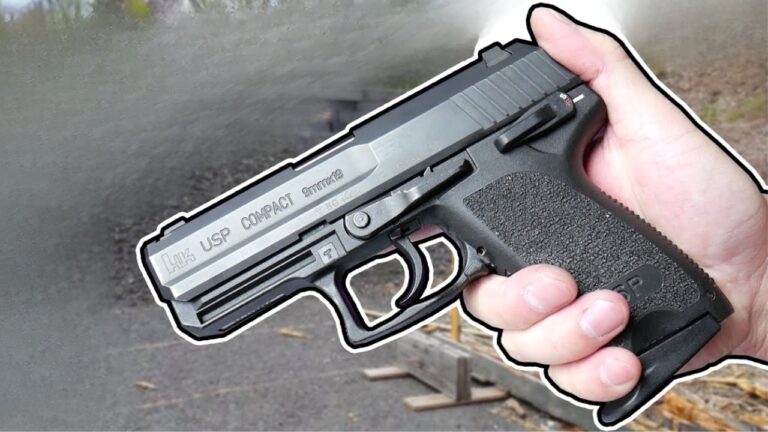
1. Desert Eagle (any caliber)

I’ve watched grown men grin like kids shooting one, and I’ve watched those same men struggle to get back on target for shot two. It’s heavy, expensive, and it punishes sloppy grip in a hurry. That’s at the range, in good light, with ear pro and a calm mind.
Inside a hallway at 2 a.m., you don’t need a hand cannon that turns every shot into a fireworks show. You need something you can control, feed reliably, and run with one hand if you’re dragging a kid out of a bedroom with the other.
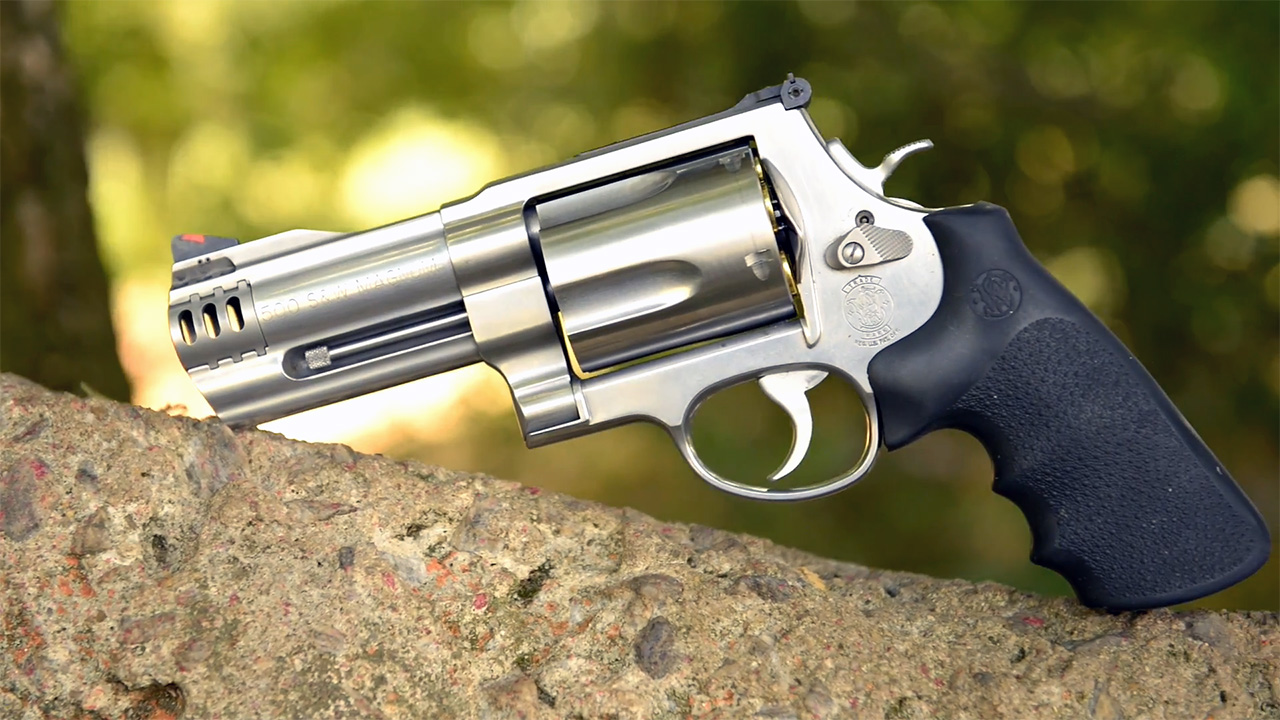
2. Smith & Wesson 500
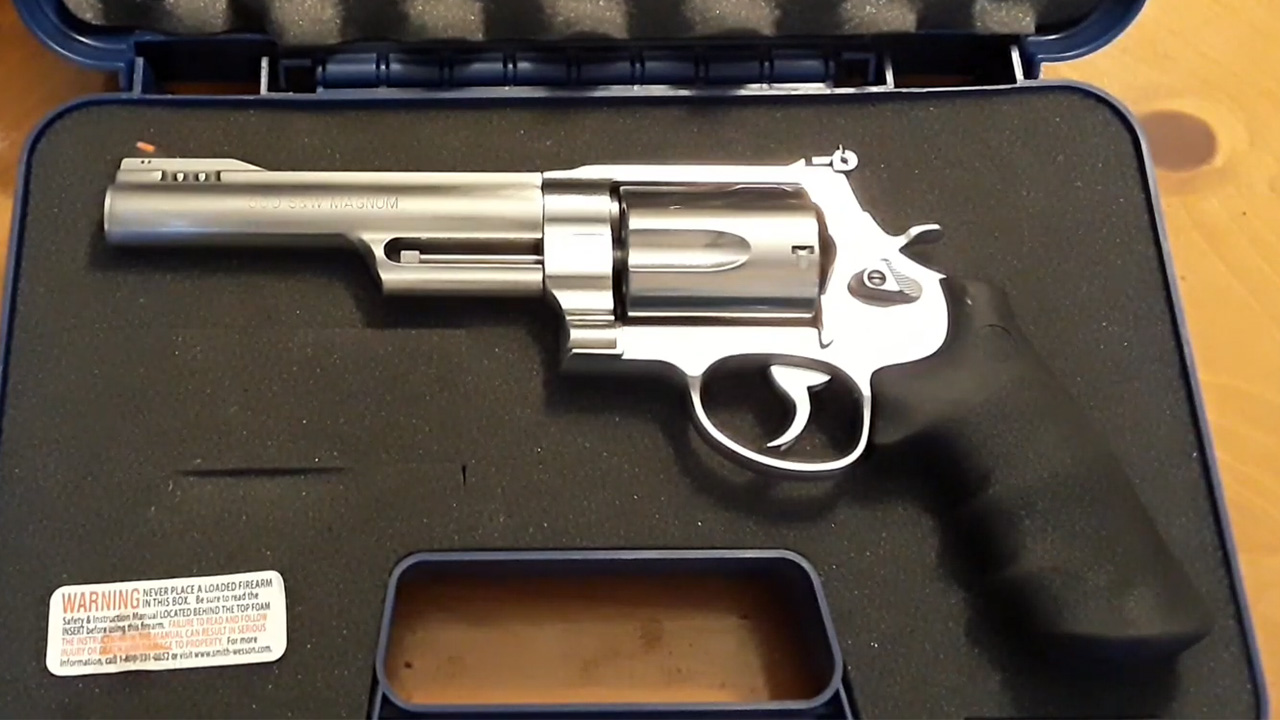
This is a specialty tool, and the specialty isn’t “defending a split-level.” Recoil is savage, muzzle blast is nasty, and follow-up shots are slow even for strong shooters. It’s also not exactly something you leave in a quick-access safe and forget about.
If you can run it well, good on you. Most can’t under stress. And if you ever touch it off indoors, you’ll learn real fast why mild-mannered 9mm looks a whole lot smarter.
3. Ruger Super Redhawk Alaskan (.454 Casull)
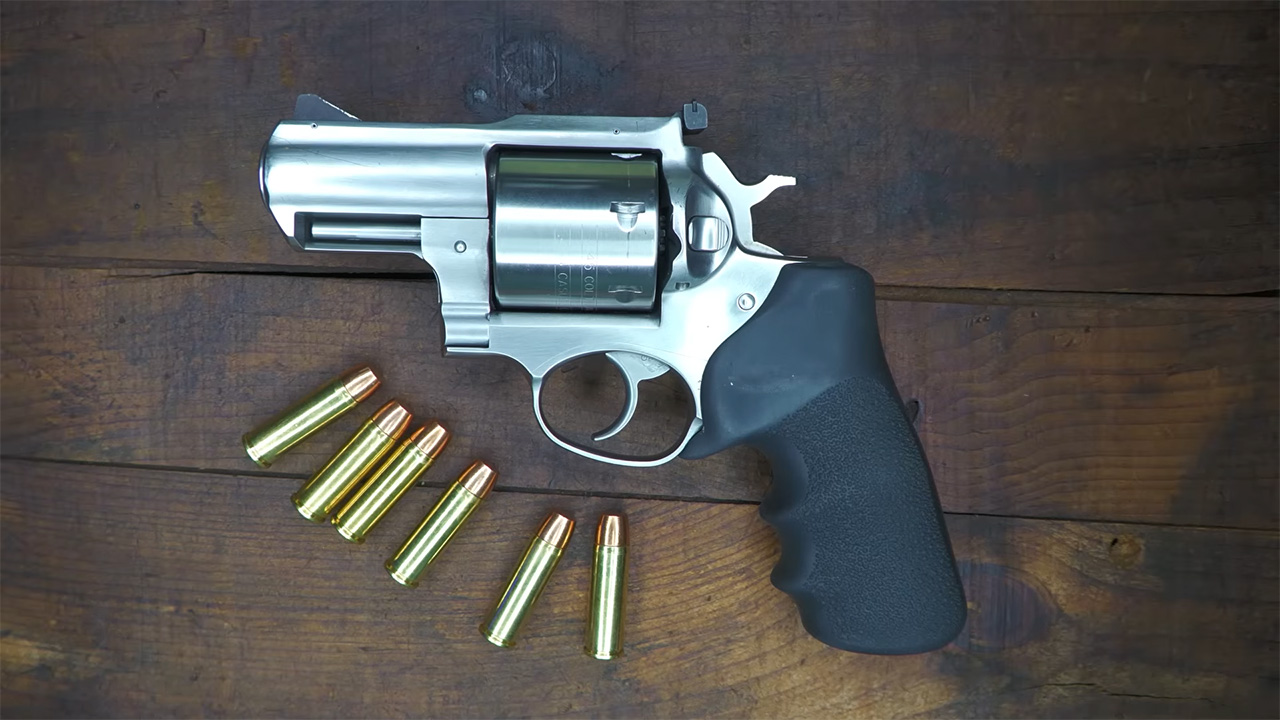
Short-barreled big-bore revolvers are a confidence trap. They feel rugged. They feel “simple.” Then you shoot full-power loads and realize the gun doesn’t care about your plans.
With heavy recoil and brutal blast, you’ll tend to flinch, and flinching is how misses happen. A defensive gun should make accurate hits easier, not turn every trigger press into an event.
4. Ultra-light .357 snub-nose revolvers (11–14 oz class)
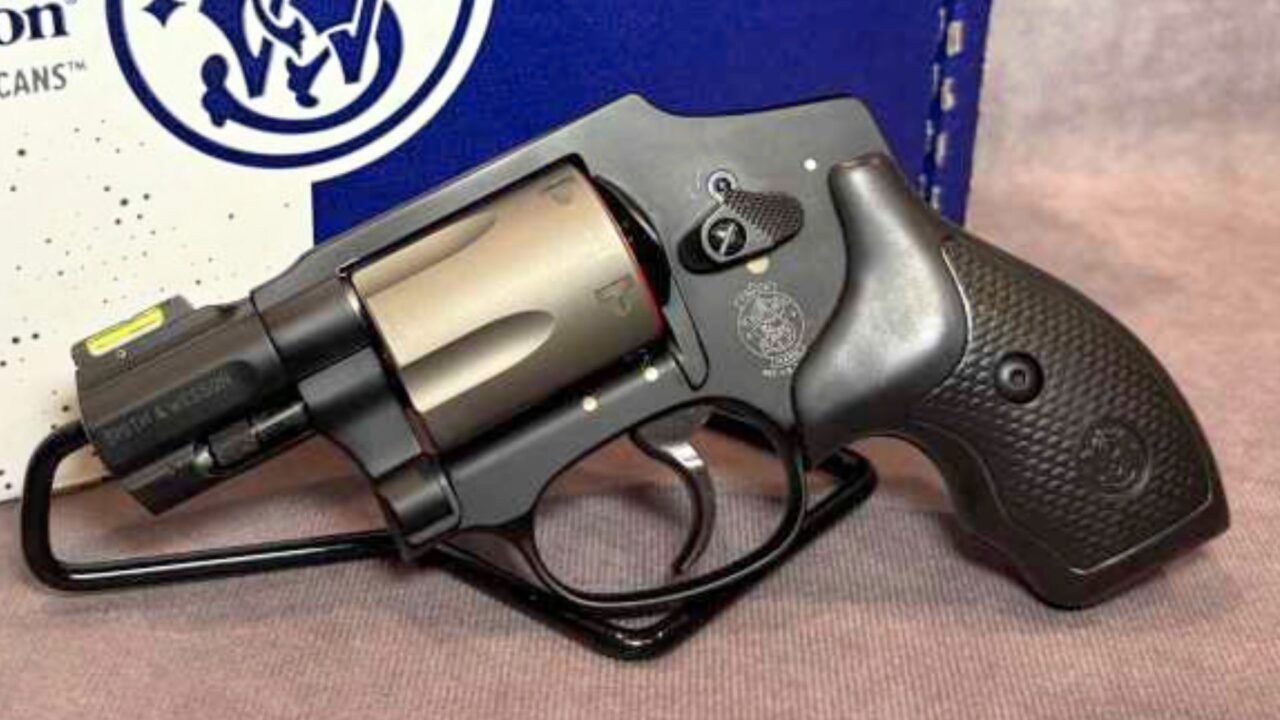
I like revolvers. I carry revolvers. But the featherweight snubs in .357 are notorious for being miserable to practice with. Most owners end up shooting a cylinder or two, calling it good, and never building real skill.
They’re also harder to shoot accurately, especially at speed. If your “house gun” is something you avoid practicing with, that’s a problem you built on purpose.
5. Heritage Rough Rider (or any cheap rimfire single-action)

Rimfires can work in a pinch, but the bargain-bin single-action .22 is a rough place to start. Loading is slow, manipulation is slow, and you’re relying on rimfire ignition, which just isn’t as consistent as centerfire.
It’s a fun plinker and a kit-gun kind of thing. As a primary defensive tool, it’s asking a lot from a little cartridge and a very basic platform.
6. Kel-Tec PMR-30

On paper it looks slick: light, 30 rounds, flat shooting. In the real world, it can be magazine-sensitive and ammo-picky. When it’s running, it’s fun. When it isn’t, it’ll have you chasing gremlins and trying different loads like you’re tuning a finicky old outboard.
Home defense doesn’t need to be a science project. If you’re going to bet your life on it, “runs on everything” beats “runs on the right stuff.”
7. Taurus Judge (or similar .410/.45 combo revolvers)

I get why they sell. The idea of a spread pattern in close quarters sounds comforting. The actual performance tends to be a compromise in every direction: awkward size, heavy trigger, and inconsistent results depending on the load.
It also encourages the wrong mindset, like you don’t need to aim. You do. A defensive handgun should reward good shooting, not tempt you into shortcuts.
8. Bond Arms derringers
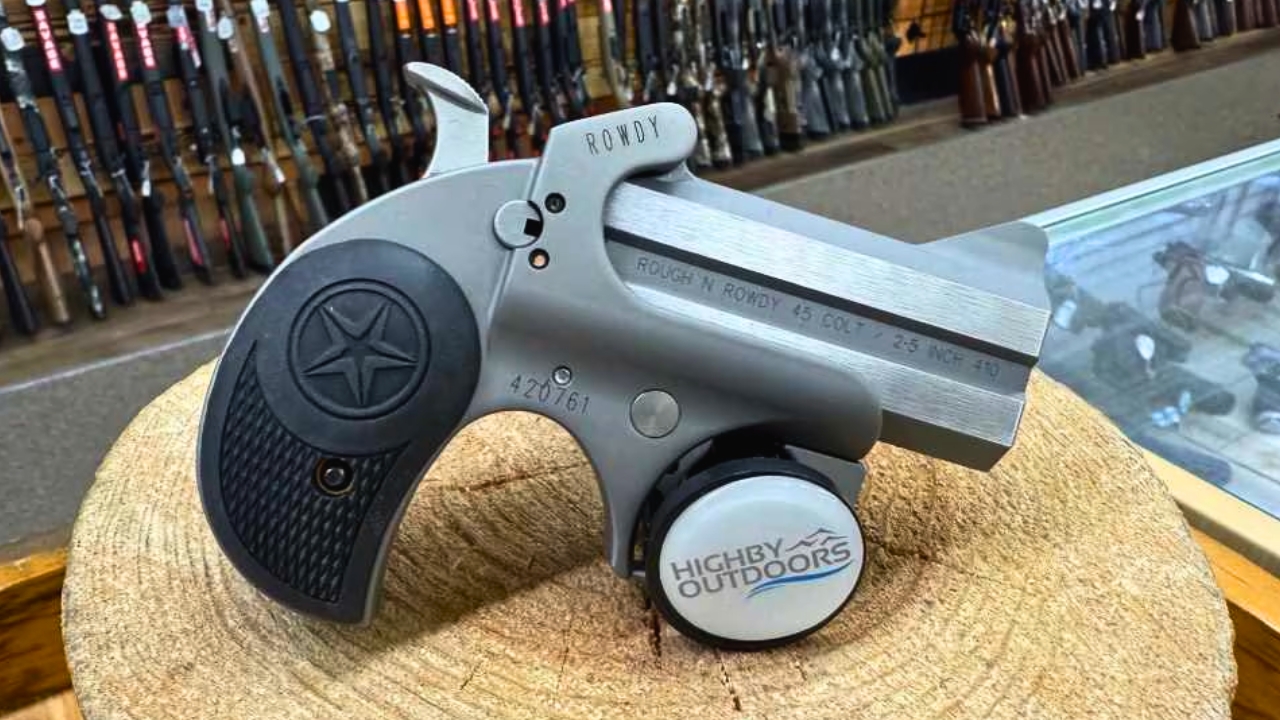
They’re well-made for what they are, but what they are is a novelty deep-carry gun with two shots and a rough manual of arms. Recoil is often sharp, sights are minimal, and reloads are slow.
Two shots can end a fight, sure. But a defensive gun shouldn’t force you to live in “perfect outcome” land. For most households, there are far better options that are still simple.
9. Hi-Point pistols (C9 and friends)
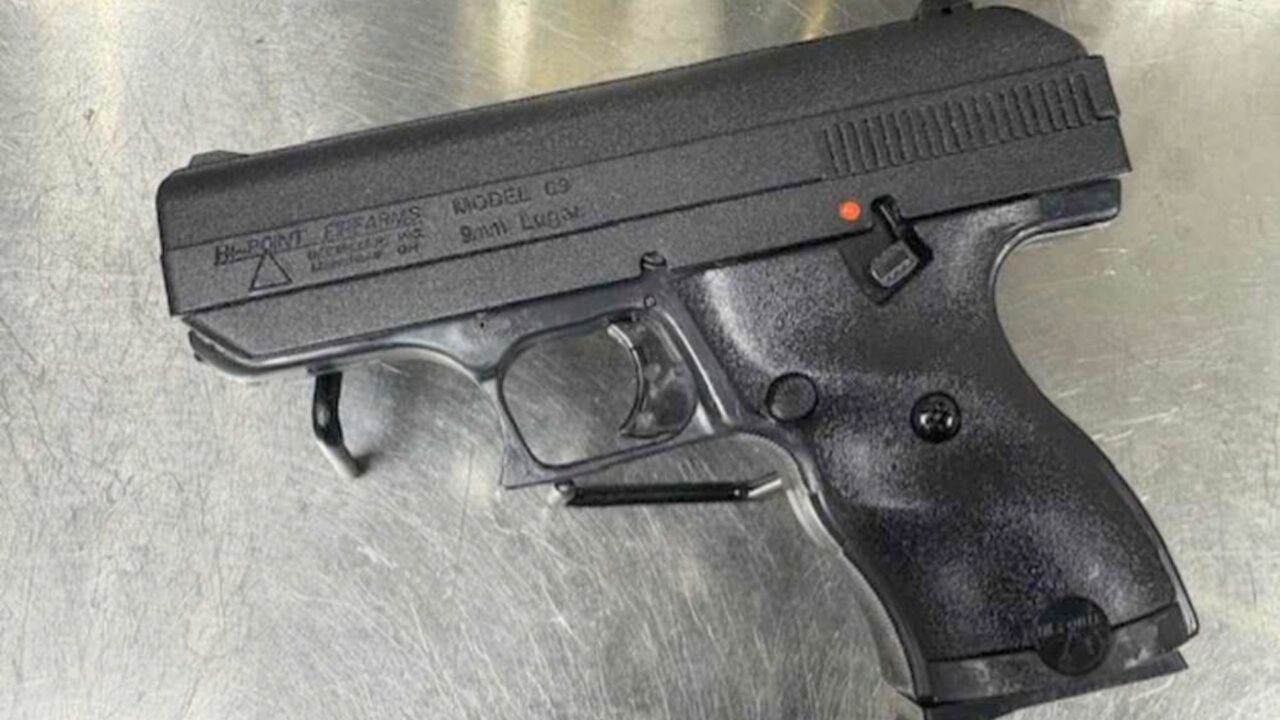
Before anyone jumps me, I’ve seen Hi-Points run. I’ve also seen them choke, break small parts, and suffer from magazine quirks. They’re bulky, the triggers are usually rough, and they’re not exactly a joy to carry or stage.
The bigger issue is this: when you buy the cheapest option, you often buy the smallest margin for error. If it’s all you can afford, fine—test it hard. But don’t pretend it’s the same as a proven duty-grade pistol.
10. Cheap 1911s with “match” tightness
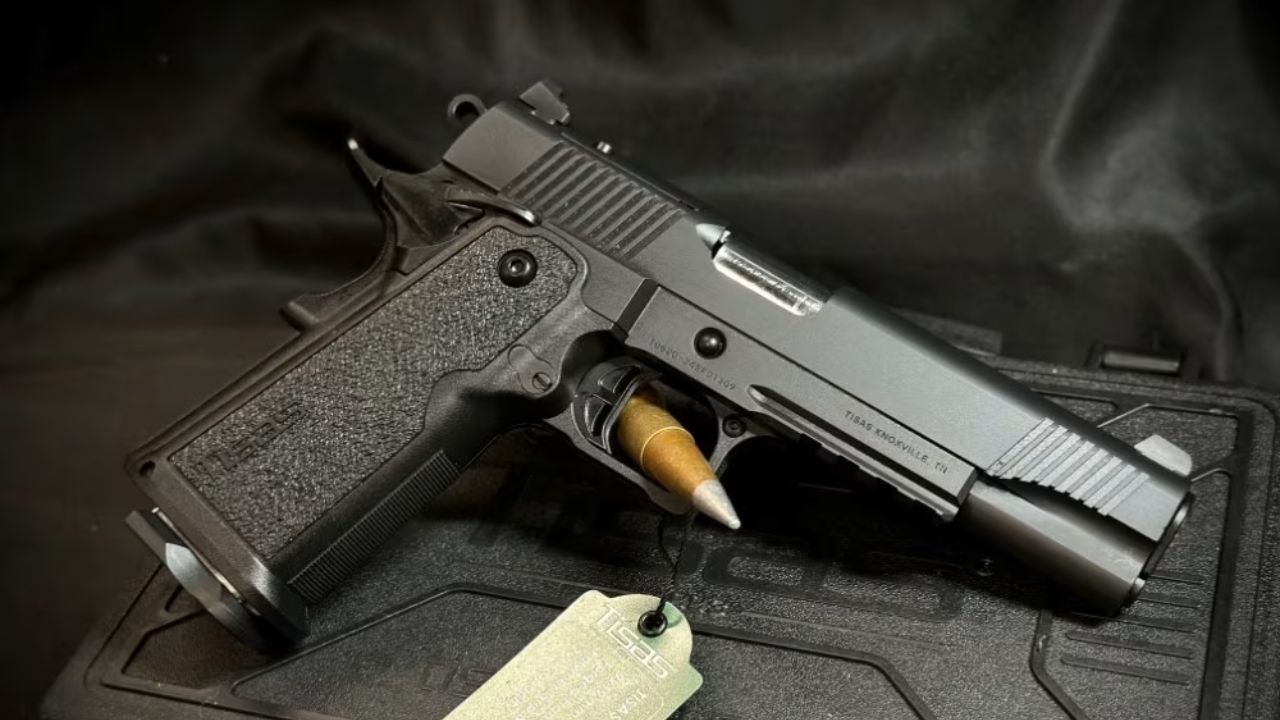
A well-built 1911 is a great pistol. A budget 1911 that’s tight, picky, and fed with random magazines is where the trouble starts. I’ve watched guys chase failures to feed and failures to return to battery like it’s their part-time job.
For home defense, you want boring reliability. If you love the 1911 platform, buy quality, run quality mags, and shoot enough to prove it. Otherwise, you’re buying romance and getting maintenance.
11. CZ Scorpion (pistol versions without a real stock)

The Scorpion is handy, but the pistol configuration can be awkward to shoot well for a lot of folks. Without a proper stock setup, people end up with weird cheek welds, sketchy bracing, or just poor control.
It also throws a lot of blast, and indoors it’s not subtle. A compact 9mm carbine with a legit shoulderable setup can be excellent. Halfway setups tend to be where the problems live.
12. AR-15 pistols in 5.56 with very short barrels (7.5–10.3 inches)

These are loud. Not “kind of loud.” They’re “your teeth hurt” loud, with a fireball that can be distracting in low light. Reliability and ammo performance can also get more finicky as you go shorter, depending on the build.
A standard 16-inch rifle or a well-sorted SBR can be a solid defensive choice. The super-short blasters are often bought for looks, not for a calm, controlled home-defense setup.
13. AK pistols in 7.62×39
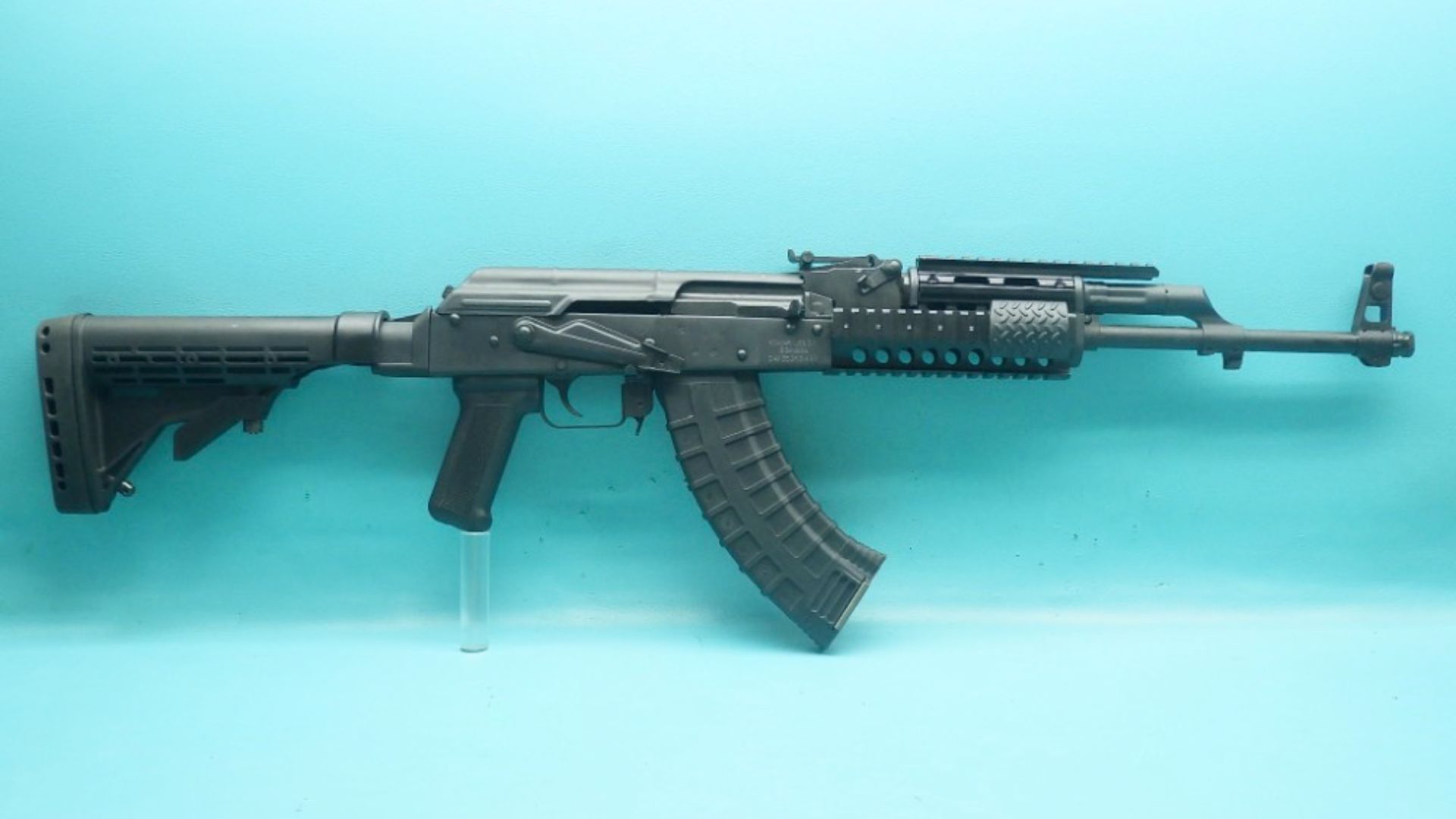
Same story as the short AR, just with a different flavor of concussion. They can be fun range toys, but they’re typically hard to aim precisely, hard to mount lights cleanly, and they beat you up with blast and noise indoors.
On top of that, magazine fit, ammo variability, and parts quality can be all over the place depending on the gun. Home defense is not where you want “it depends” on basic function.
14. Kel-Tec KSG (12 gauge)

I’ve handled plenty of these, and the design is clever. But clever isn’t the same as foolproof. The manual of arms is different, the pump stroke can be short-stroked under stress, and the tube selection system adds another thing to mess up when you’re half awake.
If you train with it, it can work. Most buyers don’t train enough. A plain pump shotgun from a major maker often solves the same problem with fewer surprises.
15. Mossberg Shockwave / Remington TAC-14 “firearm” shotguns
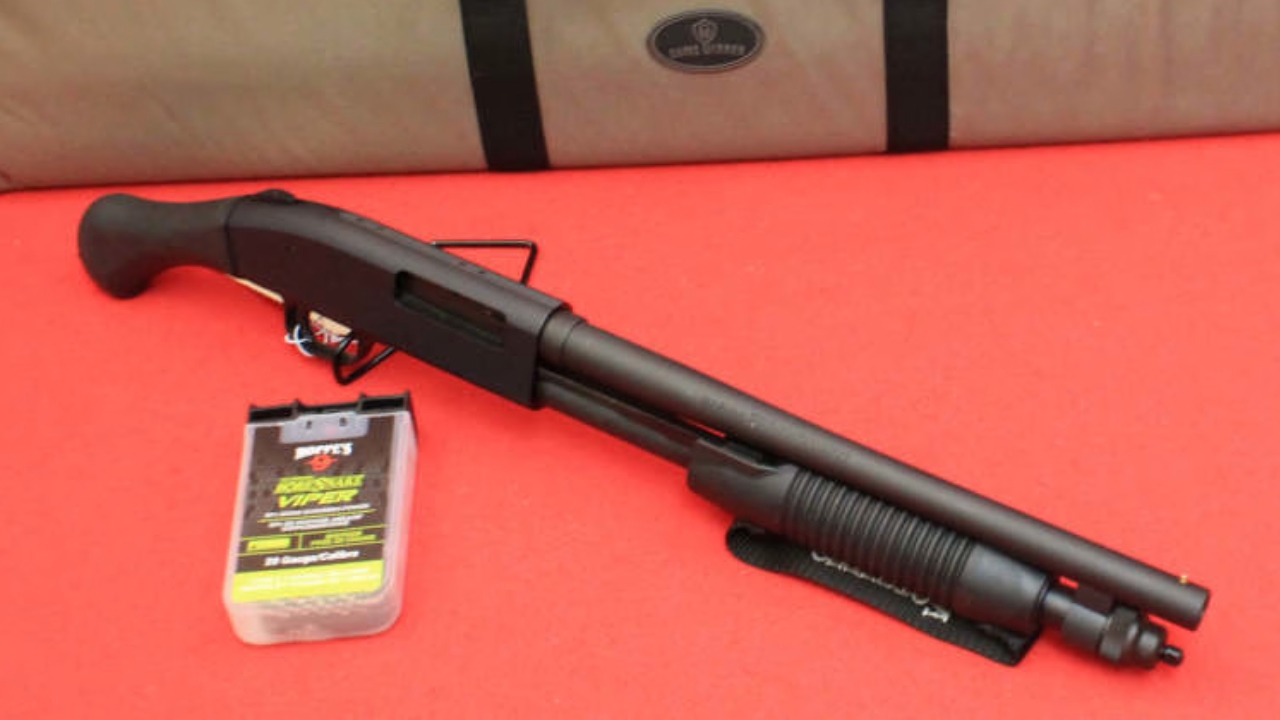
These get marketed like they’re the perfect hallway broom. In reality, they’re hard to aim well, recoil can be brutal, and they encourage point-shooting when you really need accountability for every pellet.
Ask me how I know: people buy them, shoot a box of shells, and then they sit. A stocked shotgun is simply easier to run accurately and faster under pressure.
16. Single-shot 12 gauge (break-action)
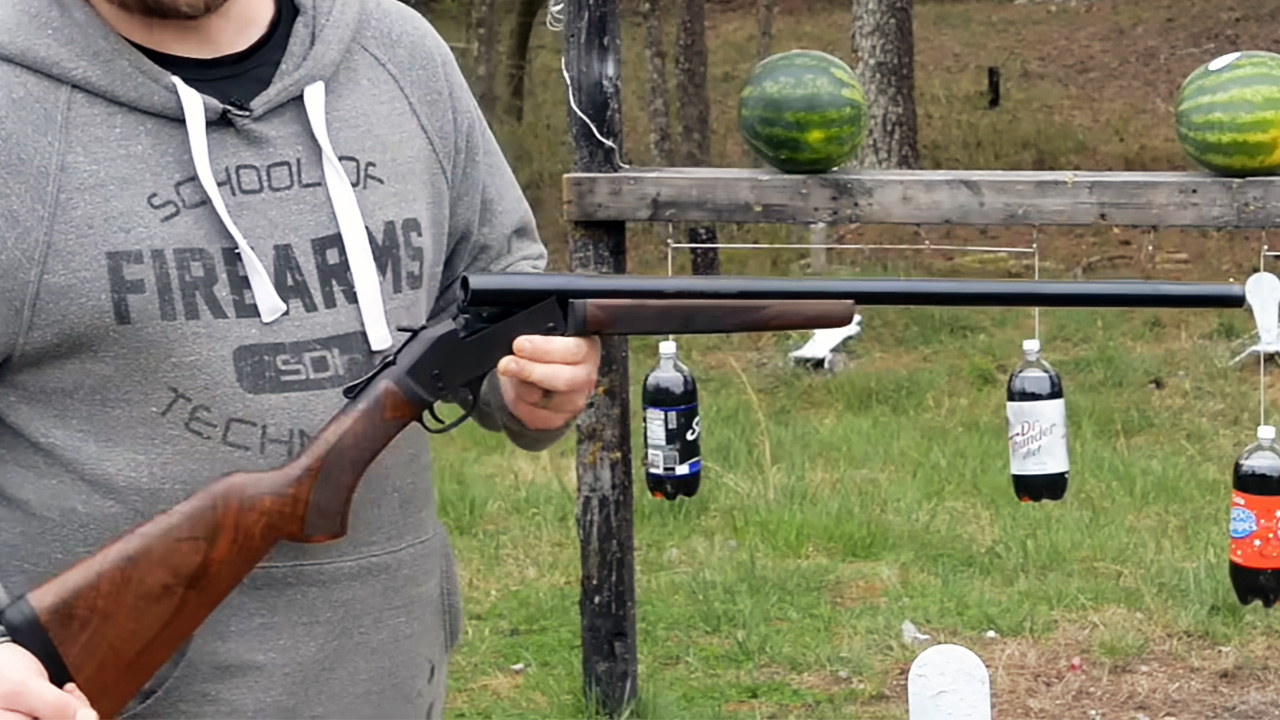
I grew up around break-actions. They’re reliable and simple. They’re also slow, especially if you’re trying to do anything with your off hand while reloading. One shot is a thin plan if you’re facing more than one threat or you miss under stress.
As a “better than nothing” option, sure. As your main home-defense gun, you’re choosing a hard mode you don’t need.
17. Cheap Turkish semi-auto shotguns (no parts support)

Some run fine. Some don’t. The bigger issue is what happens after a few hundred rounds when a spring, extractor, or gas part needs attention and you can’t get support. I’ve seen guys turn a “deal” into a wall-hanger because nobody can source the right bits.
A defensive shotgun should be boring, supported, and easy to keep going. It’s hard to beat a mainstream pump or a proven semi-auto with real parts availability.
18. Short-barreled .308 “battle rifles” (FAL clones, PTR/G3 types) inside the home

These rifles have soul. They also have weight, length, loud muzzle blast, and stout recoil—especially in shorter configurations. Maneuvering one around door frames and tight corners isn’t as smooth as folks imagine.
They shine outdoors and at distance. Inside a house, they can be more gun than you need, and they’re slower for many shooters to run well compared to a lighter, softer-shooting option.
19. Revolving shotguns (like the Armsel Striker / “Street Sweeper” types)
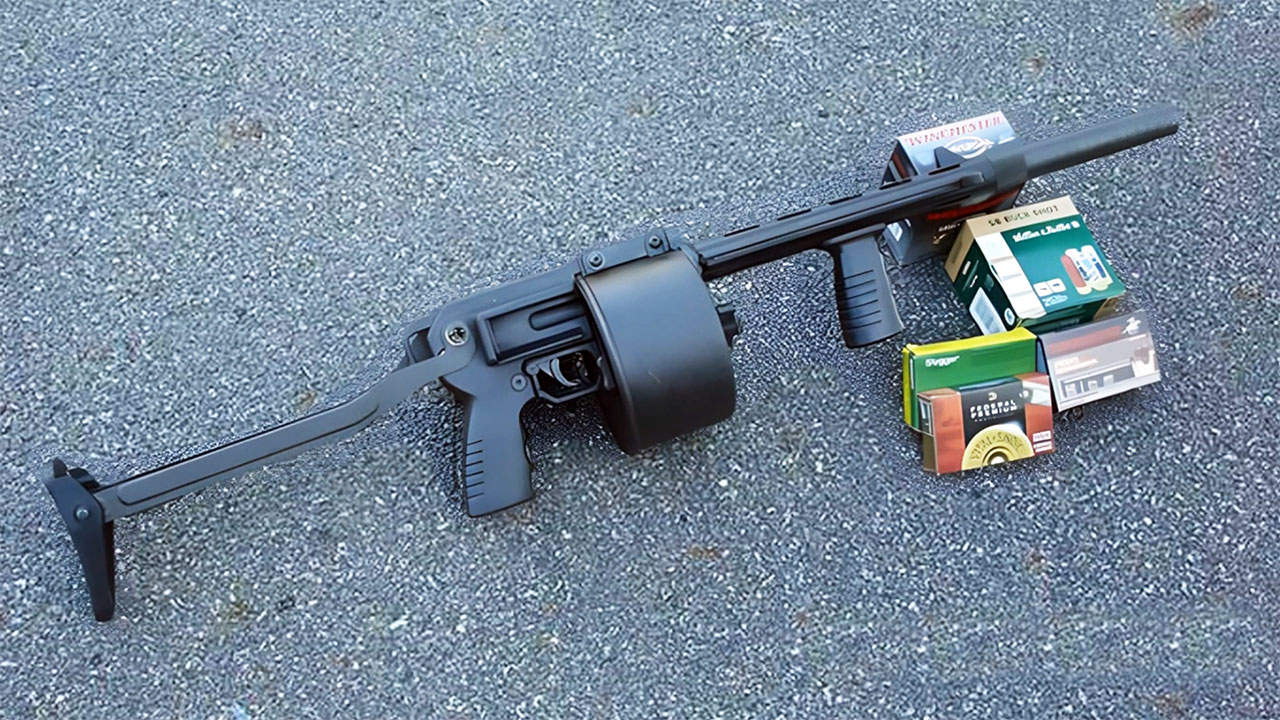
If you’ve ever handled one, you know they’re awkward and heavy, with triggers that feel like dragging a log chain. Reloading is slow, and the whole platform is more curiosity than practical tool for most owners.
They also invite attention for the wrong reasons. A home-defense gun should be dependable and straightforward, not a conversation piece that’s difficult to operate well.
20. Antique wall-hanger pistols and old pocket autos with questionable ammo support

Grandpa’s old .32 from the sock drawer might have sentimental value, but sentiment doesn’t clear malfunctions. Old springs, old magazines, oddball calibers, and minimal sights can turn a stressful moment into a fumble.
I’m not saying retire family guns. I’m saying don’t make a fragile, hard-to-feed antique your main plan. Keep it clean, keep it safe, and pick something modern and proven for the job.
The best home-defense gun is the one you can run reliably, accurately, and safely in your own house, with the ammo you actually keep on hand and a light you can use. Most of the guns on this list aren’t “bad” in a vacuum. They just ask too much when the moment is already going to be messy. Keep it simple, keep it tested, and don’t let hype pick your tools for you.
Like The Avid Outdoorsman’s content? Subscribe to our newsletter so you never miss an article.
Here’s more from us: