

Photo credit: Yura2087/Shutterstock.com
You don’t need a fancy boat to catch a bunch of bass. Bank fishing can be just as productive if you pay attention to a few simple details. Knowing where to cast and what to use makes all the difference. You’ve got to be a little more mobile and think about how bass behave from shorelines. These seven easy tips will help you make the most of your bank fishing trips and land more bass without needing to leave dry land.
Walk the Shoreline Before Casting

Don’t just pick a spot and start casting. Walk the bank first and look for anything that stands out—downed trees, rocks, or deeper water close to shore. These are natural holding areas for bass. By checking out your options first, you avoid wasting time in dead water. Bass often stay close to cover, especially near the bank, so plan your first few casts before you even touch the water.
Use Smaller, Natural Baits
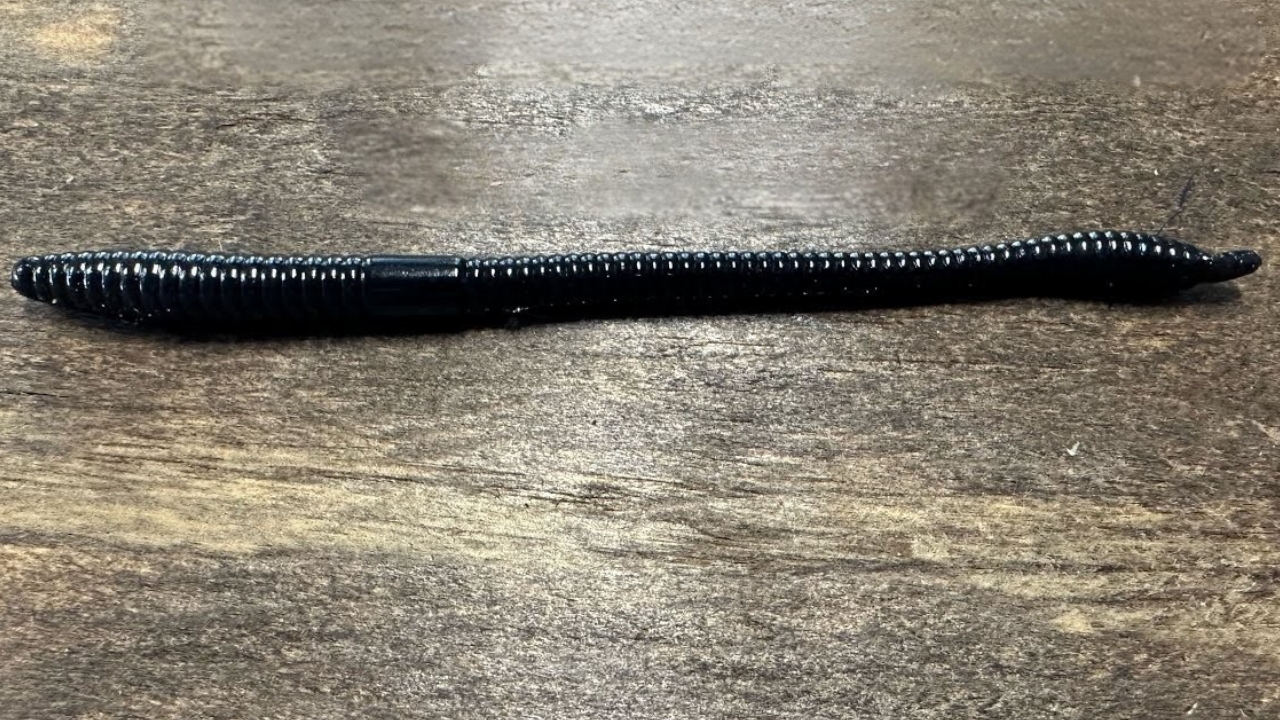
When you’re fishing from the bank, water clarity often plays a bigger role than folks realize. Stick to smaller, natural-looking baits like soft plastics or finesse worms. These imitate common forage around the shoreline like minnows or crawfish. Flashy baits can spook pressured fish near the bank. Keep it simple—natural colors and smaller profiles tend to get more bites, especially on clear or calm days.
Target Shaded Areas

Bass love shade, especially during hot weather. Look for overhanging trees, docks, or any type of cover that casts a shadow. These spots are natural ambush areas where bass wait for an easy meal. Cast tight to the cover and let your bait stay in the strike zone longer. Shade also keeps the water a little cooler, making bass more active in these areas even during the middle of the day.
Cast Parallel to the Shoreline

One mistake people make is casting straight out. Instead, try casting parallel along the shoreline. Bass cruise close to the edge looking for food, especially early morning and evening. By keeping your bait moving along their travel routes, you’ll cover more productive water. It’s a simple adjustment that often leads to way more action without needing to wade or cast super far out.
Stay Mobile and Cover Water

Don’t spend all day in one spot unless you’re getting bites. Walk the shoreline and hit multiple spots, especially points, bends, and transitions where shallow water meets deeper sections. Bass are more spread out when bank fishing, and the more water you cover, the better your chances. Travel light with just a couple of rods and a small tackle bag, so you can move easily and stay active.
Focus on Early Mornings and Evenings

Bass feed more aggressively during low-light periods. If you’re limited to bank fishing, plan your trips around early morning or just before sunset. During these windows, bass move shallower and get more active near shorelines. You don’t need to cast far—just work the edges, especially around visible structure. These times of day give you the best shot at fast action without fighting the mid-day lull.
Downsize Your Line for Better Stealth

When fishing from the bank, bass are often more alert to anything out of place. Use lighter line like 8-10 pound fluorocarbon to make your presentation more natural. Lighter line gives better sensitivity, especially with finesse setups, and helps your bait look more realistic. It also cuts through vegetation better, which is useful when you’re fishing around grass edges or submerged brush near the shoreline.
*This article was developed with AI-powered tools and has been carefully reviewed by our editors.


