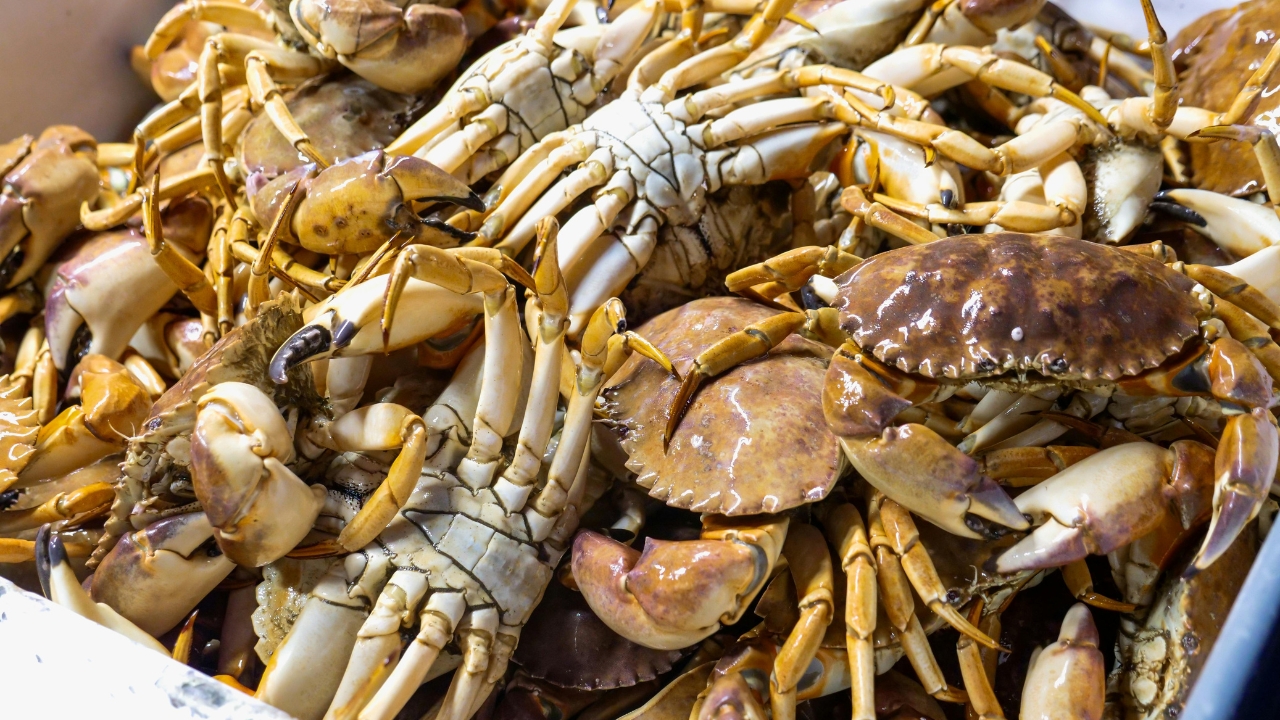
Photo credit: Kindel Media/Pexels
When the clock struck midnight on the first day of 2026, a stack of new fishing rules quietly flipped into place, reshaping how you target everything from Pacific cod to coastal crab. Some of these changes are classic “midnight rules,” timed to start with the calendar year, while others are the culmination of multi‑year fights over conservation, access and technology. If you plan to be on the water in early 2026, you will be fishing under a different rulebook than you did the day before.
Those changes are not confined to a single coast or species. They stretch from highly regulated Atlantic bluefin tuna to white sturgeon in California, from Gulf grouper and gray triggerfish to bass in Oregon rivers and even the electronics on your bass boat. Understanding how these regulations interact, and why they were written the way they were, is the difference between starting the year with a clean logbook or an unexpected citation.
1. What “midnight rules” really mean for your first cast of 2026
When you hear policy insiders talk about “midnight rules,” they are usually describing last‑minute regulations that take effect as a new year begins, often after months of quiet committee work. For you as an angler, that phrase is less about politics and more about the practical reality that the legal line can move overnight. A fish that was fair game on New Year’s Eve can become a protected species at one minute past midnight, or a gear setup that was standard practice can suddenly require a new validation, tag or report card before you drop it overboard.
Because so many state and federal seasons, quotas and license structures reset on January 1, the turn of the year is when you are most likely to be caught out by a rule you did not know existed. That is especially true in 2026, when agencies have queued up changes that touch recreational and commercial anglers, charter operators and tournament pros. From the Gulf of Alaska to Apalachicola Bay, and from California’s crab grounds to Texas bass lakes, the start of the year is less a ceremonial date and more a hard regulatory pivot that you need to plan around.
2. Atlantic bluefin tuna: permit tables and size classes you cannot ignore
If you chase Atlantic bluefin, the fine print in federal tables matters as much as the weather forecast. The federal Highly Migratory Species program uses an HMS Angling Permit to govern who can legally target bluefin, and that permit is tied to a detailed matrix of Size Class and Fishery Status categories for the Atlantic stock. In practice, that means your ability to keep a fish is not just about finding it, but about where its curved fork length falls in the size table and whether that class is currently open, restricted or closed for your permit type.
Those categories are spelled out in a federal HMS Angling Permit table that lists each Size Class, the Fishery Status and the Atlantic bluefin bag allowances for private boats and charter operations. Within that framework, the largest fish, those with a curved fork length of 73″ or greater, sit in their own category, with specific retention rules and permit conditions that can change as quotas are met. If you are planning a winter or early spring run for giants, you need to check that table before you leave the dock, because the Fishery Status for your Size Class can flip from open to “Not applicable” as soon as a quota is reached.
3. California’s white sturgeon and crab: conservation meets new paperwork
On the West Coast, California is using the turn of the year to tighten protections on some of its most pressured species while also layering in new validation requirements. In the central coast ocean zone, regulators have shifted white sturgeon to a Catch and Release Fishing Only for White Sturgeon regime, which means you can still target the fish but you cannot retain it. That rule is explicit that you may not use a snare to take any sturgeon, a detail that matters if you are used to mixing gear types on the same trip.
The sturgeon restrictions sit alongside a broader licensing shake‑up that hits right as 2026 begins. A statewide notice marked with a bold ATTENTION warns that Beginning January 1, 2026, any angler fishing for crabs with crab trap gear from a Commercial Passenger Fishing Vessel must carry a specific crab trap validation. That same licensing guidance spells out that a sturgeon report card is Required for any person taking sturgeon, that the 2027 season will cost $8.13, and that separate cards are Required for any person taking salmon in the Smith or Klamath‑Trinity River System and for any person taking steelhead in inland waters, along with a lobster card for the entire lobster season. If you are used to buying a single license and heading out, 2026 is the year you need to build a checklist.
4. New hoop net and trap rules: California’s crab gear crackdown
California is not stopping at paperwork. The state is also rewriting how you can deploy hoop nets and traps, particularly for crab, and those changes are timed to click into place as the calendar turns. The new rules are designed to reduce conflicts on the water and tighten accountability for gear that can entangle wildlife or create user disputes. For recreational anglers and Commercial Passenger Fishing Vessel operators, that means the way you rig, mark and tend your gear is about to become a compliance issue, not just a matter of personal preference.
In a late‑year bulletin, regulators laid out a package of hoop net and trap regulation changes that will take effect on January 1, 2026 and that explicitly Prohibit tampering with hoop net and trap gear and create a new (CPFV) Crab Trap Validation requirement. For you, that means you cannot legally move or pull someone else’s gear, even if it appears abandoned, and if you run a charter that sets crab traps you must ensure every angler on board who participates has the correct validation in hand. The combination of the hoop net rules and the Beginning January crab trap validation notice effectively rewrites how winter crab trips will operate out of California ports in 2026.
5. Gulf of Alaska Pacific cod: midnight math on total allowable catch
Far to the north, the Gulf of Alaska is entering 2026 with a fresh set of numbers for one of its most important groundfish. The National Marine Fisheries Service has issued a Notice of a fishery management action that revises the 2026 Pacific cod Total Allowable Catch amounts in the Gulf of Alaska, a move that directly affects how much fish can be harvested across different sectors. For skippers and processors, those TAC figures are not abstract policy; they determine trip planning, crew schedules and whether a season feels tight or workable.
The adjustment is formalized in a federal Bulletin from Alaska that notes The National Marine Fisheries Service is revising the 2026 Pacific cod TAC in accordance with 50 CFR 679.25. While the bulletin is written in regulatory language, the practical takeaway for you is straightforward: the amount of cod you can legally land in 2026 is being recalibrated before the year starts, and you need to align your business or fishing plans with those updated limits rather than assuming last year’s numbers still apply.
6. Florida’s Gulf species: grouper closures and gray triggerfish timing
In the Gulf of Mexico, Florida is using the early part of the year to reset expectations on some of its most popular reef species. Recreational anglers who have built winter routines around grouper will face a hard stop as the state closes recreational fishing of Grouper in January, a move that ripples from offshore charter docks to seafood counters. The closure is not just a line in a rulebook; it is visible on the ground in places like Brooks Dockside Seafood in Ingl, where coolers of grouper, snapper and pompano on ice are a reminder of how tightly the state now manages those stocks.
At the same time, Florida is fine‑tuning access to other Gulf species by adjusting seasons rather than imposing blanket year‑round bans. The recreational harvest of Gulf gray triggerfish is set to open on Aug. 1, with the 2025 recreational season for gray triggerfish in Gulf state and federal waters structured around that late‑summer start. For you, that means planning your reef trips around a calendar where grouper may be off limits in January while gray triggerfish only becomes available later in the year, a pattern that is spelled out in detail in the state’s notice on Recreational Gulf gray triggerfish harvest opening in Aug.
7. Apalachicola Bay and Florida’s incremental reopenings
Not every Gulf rule change is a closure. In Apalachicola Bay, Florida regulators are experimenting with limited reopenings that try to balance economic pressure with fragile ecosystems. Earlier decisions have outlined proposed changes for a constrained opening of Apalachicola Bay recreational and commercial harvest, with a focus on carefully staged access rather than a free‑for‑all. For you as an angler or local business owner, that approach means opportunity, but only within tightly defined windows and gear rules.
The details of that strategy are laid out in a summary of an Aug meeting where officials described how they would Establish specific conditions for the limited opening of Apalachicola Bay recreational and commercial harvest. Those conditions include caps on effort and monitoring requirements that are designed to prevent the bay from sliding back into crisis. If you plan to fish or work there in 2026, you will need to track not just whether the bay is “open,” but which slice of the bay, for which species, under which exact rules, and for how long.
8. Inland shifts: Oregon spearfishing, Texas bass and the sturgeon squeeze
While coastal rules grab headlines, inland fisheries are also entering 2026 with new expectations. In Oregon, regulators have adopted 2026–2027 sport fishing regulations that expand opportunities for active harvest of non‑native or overabundant species. One of the most notable changes is a set of Expanded Spearfishing Opportunities that allow Spearfishing in rivers and streams that are open with no limit for bass and other designated species, a move that gives you more tools to target fish that managers want to keep in check.
Farther south, Texas is leaning into its reputation as a trophy bass destination by tying regulation and outreach to a long‑running angler partnership. The Toyota ShareLunker Program is launching its 40th anniversary season on New Year’s Day, inviting you to loan in bass that meet specific weight thresholds so biologists can use them in selective breeding and research. The program is highlighted in a Sports feature that notes how the Toyota ShareLunker Program has become a fixture on Texas lakes and rivers each year, shaping how anglers think about big fish as both personal trophies and public resources. Layered on top of that, California’s Catch and Release Fishing Only for White Sturgeon rule, which specifies that you may not use a snare to take any sturgeon, underscores how inland and estuarine species are being squeezed by more protective rules even as some predators face more aggressive harvest.
9. Technology and tournaments: sonar limits and the future of competitive fishing
The midnight rule flips of 2026 are not only about species and seasons; they also reach into the electronics bolted to your bow. In the world of professional bass tournaments, Major League Fishing is rewriting how competitors can use forward‑facing sonar, a technology that has transformed how quickly skilled anglers can locate and target fish. Starting in 2026, Major League Fishing will implement new forward‑facing sonar rules that are designed to balance innovation with concerns from anglers, fans and sponsors about whether the technology is overshadowing traditional skills.
The organization has laid out those changes in a detailed explainer that frames them as a way to keep events compelling for a broad audience while still allowing you to benefit from modern tools. The piece, titled to emphasize that it covers Everything you need to know about MLF’s 2026 forward‑facing sonar rules, explains that Starting in 2026, Major League Fishing will adjust how and when certain sonar views can be used during competition. For you, whether you fish tournaments or simply follow them, that shift is a reminder that the rulebook is not just about what you catch, but how you find it, and that the first cast of 2026 will be shaped as much by screens and permits as by tides and weather.
Like The Avid Outdoorsman’s content? Be sure to follow us.
Here’s more from us: