
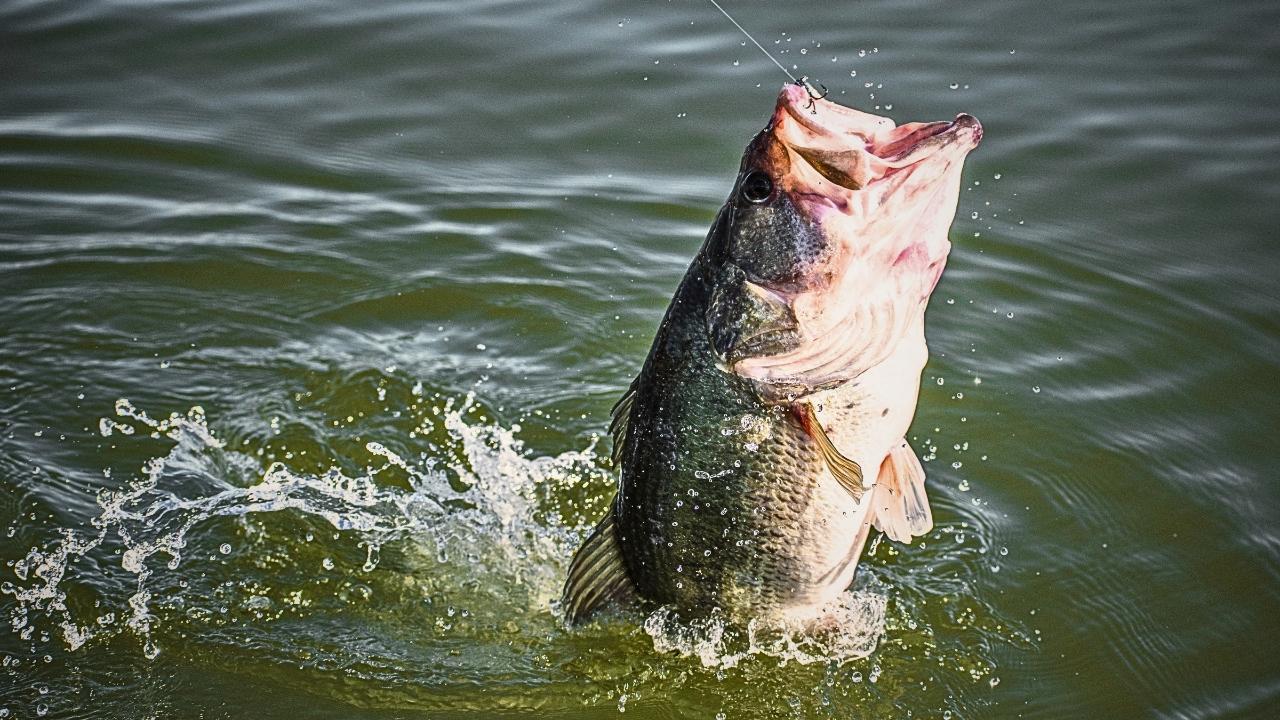
Photo credit: Pierre Rebollar/Shutterstock.com
When bass aren’t feeding but you still want them to bite, triggering a reaction strike is your best shot. These strikes aren’t about hunger—they’re about surprise, instinct, and annoyance. If you know how to push the right buttons, even a stubborn bass will lash out. It’s less about finesse and more about forcing a split-second decision. These seven simple tricks don’t require fancy gear or secret lures—just a bit of timing and movement to make those fish snap out of hiding and commit.
Burn It Back Fast

Sometimes speed is the trick. Burning a spinnerbait or crankbait past cover gives bass almost no time to think. It kicks their instincts into gear. Even if they aren’t feeding, that sudden blur triggers a snap decision.
Don’t slow down—this isn’t the time for subtlety. Keep it moving fast and tight to structure. You might get fewer bites overall, but the ones you get will be explosive.
Kill It Mid-Retrieve

Stopping your lure cold in the middle of a steady retrieve is one of the easiest ways to get a bass to commit. That sudden pause makes the bait look like it’s wounded—and bass love an easy target.
This works especially well with jerkbaits, lipless cranks, or chatterbaits. Give it a few hard twitches, then kill it and let it hang. Often, they’ll hit the second it stops.
Deflect Off Cover

Running a crankbait into a stump or dragging a jig over a rock pile can be the difference between a follow and a bite. That little bounce or deflection changes the lure’s path and grabs a bass’s attention.
Make contact on purpose. If you’re fishing clean water with nothing to hit, you’re missing out on one of the best reaction triggers out there.
Rip It Through Grass

If you’re working a bait through grass and it starts to hang up, that’s actually your moment. Give it a sharp rip to break it free—and get ready. Bass often hammer lures right as they snap loose.
Lipless crankbaits and swim jigs are perfect for this. You’re creating a sudden burst of motion that mimics a fleeing baitfish—and bass can’t resist that.
Upsize Your Lure
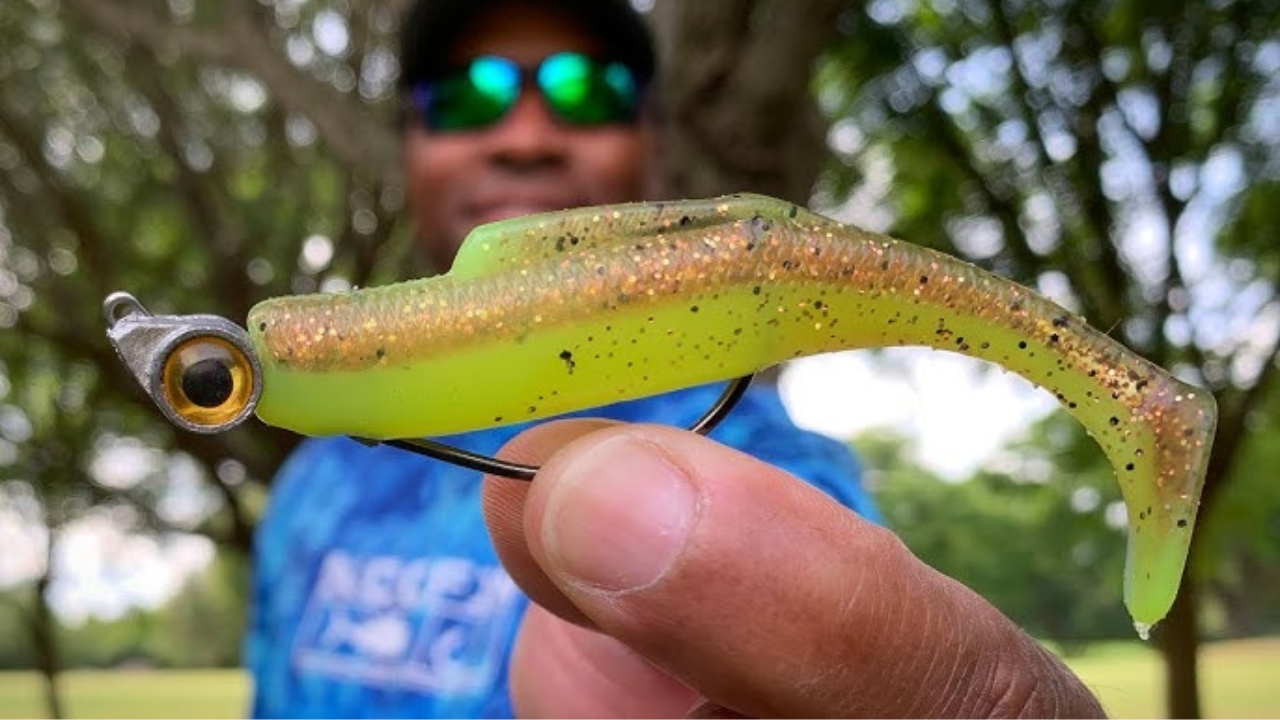
Sometimes you’ve got to get in their face. Switching to a larger lure can trigger a territorial or competitive response. A bigger profile says “threat” more than “meal,” and bass might strike just to get rid of it.
This tactic can be surprisingly effective in stained water or post-frontal conditions when finesse stuff just isn’t working. Go big, be aggressive, and see what happens.
Speed Up, Then Slow Way Down

Rapid changes in pace can mess with a bass’s decision-making. Start your retrieve fast, then suddenly slow it way down. That change creates confusion and can flip a passive follower into an aggressive striker.
This works great with soft plastics, swimbaits, and even spinnerbaits. Just don’t let it become predictable—make your movements erratic enough to mimic real prey.
Use a Silent Lure in Pressured Water

In high-pressure lakes, bass get spooked by rattles and vibrations they’ve heard a hundred times. Throwing a silent crankbait or a soft plastic with no rattle can catch them off guard.
You’re not giving them a bunch of warning—it’s just there, moving naturally, and sometimes that stealthier approach gets them to react. Don’t underestimate how much a quiet lure can stand out.
*This article was developed with AI-powered tools and has been carefully reviewed by our editors.


