Image Credit: pixelklex/ Shutterstock.com.
When the lights go out, darkness is a problem that needs solving fast. Whether it’s a storm knocking out the grid or a long-term power failure, being able to create light can mean the difference between staying in control and fumbling through a bad situation.
Light keeps morale up, makes basic tasks easier, and helps you stay aware of your surroundings. If you don’t have a stockpile of candles or flashlights, you need to know how to make do with what’s around. When the grid fails, resourcefulness is what keeps you going.
Hand-Crank Flashlight
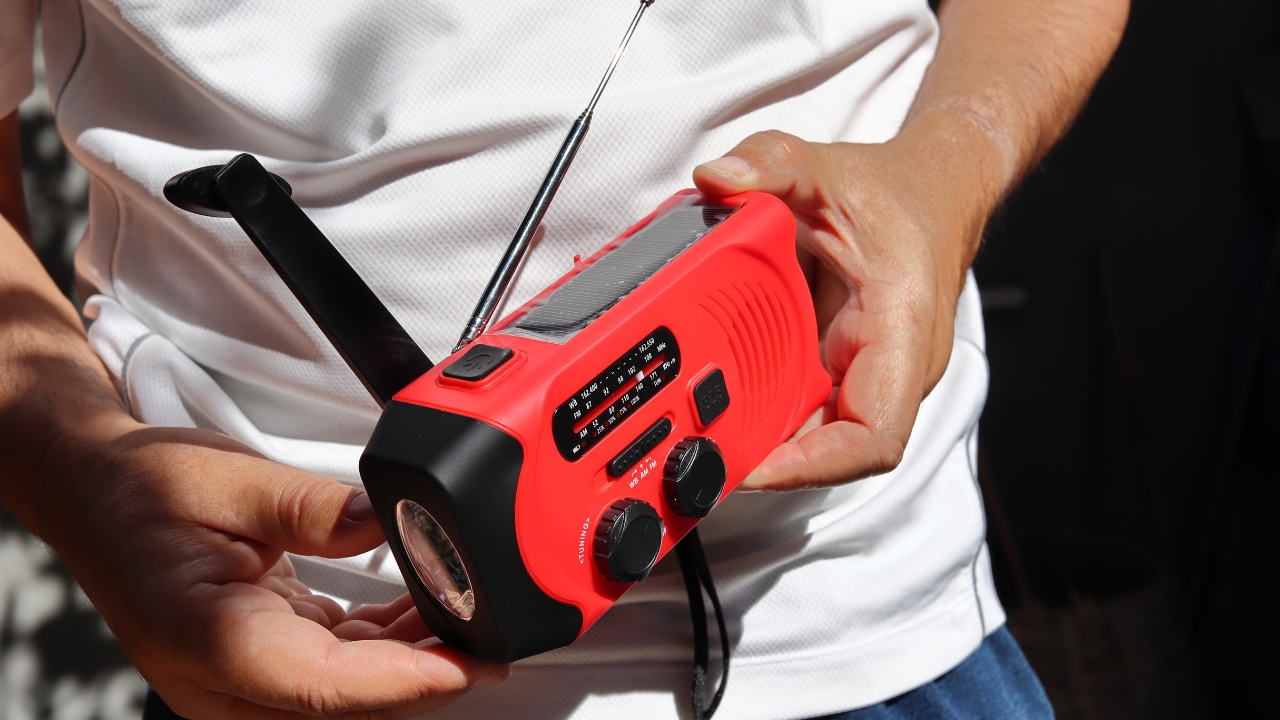
A good hand-crank flashlight never runs out of power, making it one of the most reliable lighting sources when the grid goes down. No batteries to replace, no fuel to burn—just crank it for a minute, and you’ve got light. Some models even include a built-in radio or USB charger, making them even more useful in an emergency.
Not all hand-crank flashlights are created equal. Cheaper ones can wear out fast, so invest in a sturdy model with solid reviews. Keep it somewhere easy to grab, because when the lights go out, you don’t want to be fumbling around in the dark.
Solar Lights
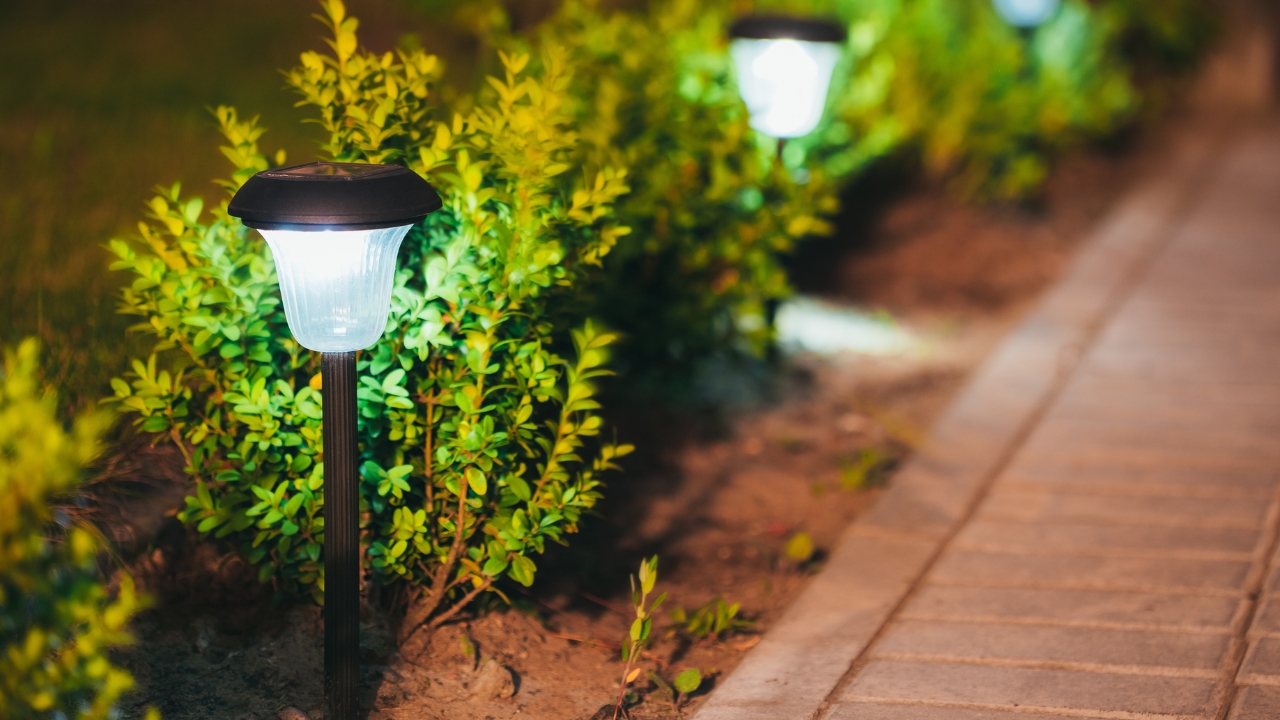
If you’ve got solar-powered yard lights, they can pull double duty when the power’s out. Bring them inside at night, cover the sensor with a piece of dark tape, and they’ll stay lit. Depending on the model, they might last a few hours or most of the night.
To make them last longer, use multiple lights and stagger their usage. Some solar lights have an on/off switch, so you can turn them off until you really need them. The light is softer, more like a lantern glow than a flashlight beam, but it’s enough to navigate your home safely.
DIY Oil Lamp in a Jar
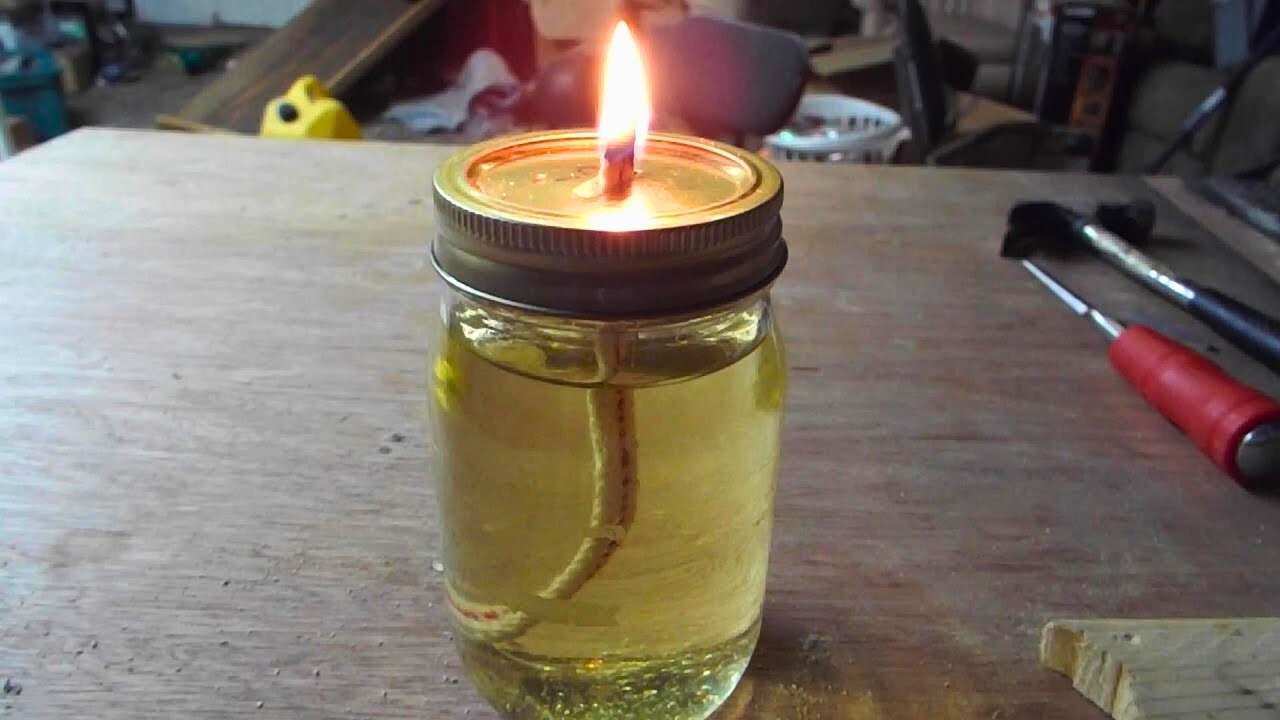
A simple oil lamp can burn for hours using common household materials. All you need is a heat-resistant container, a plant-based wick, and oil—anything from vegetable oil to lard will work. A mason jar or metal can makes the best container since glass that isn’t heat-proof can shatter.
Soak the wick in oil, secure it in the container, and light it. The flame will be steady, and the oil burns slowly, making it an efficient backup light source. This is an old-school method that still works today, but like any open flame, keep it in a safe spot away from flammable materials.
Turn a Water Jug Into a Lantern
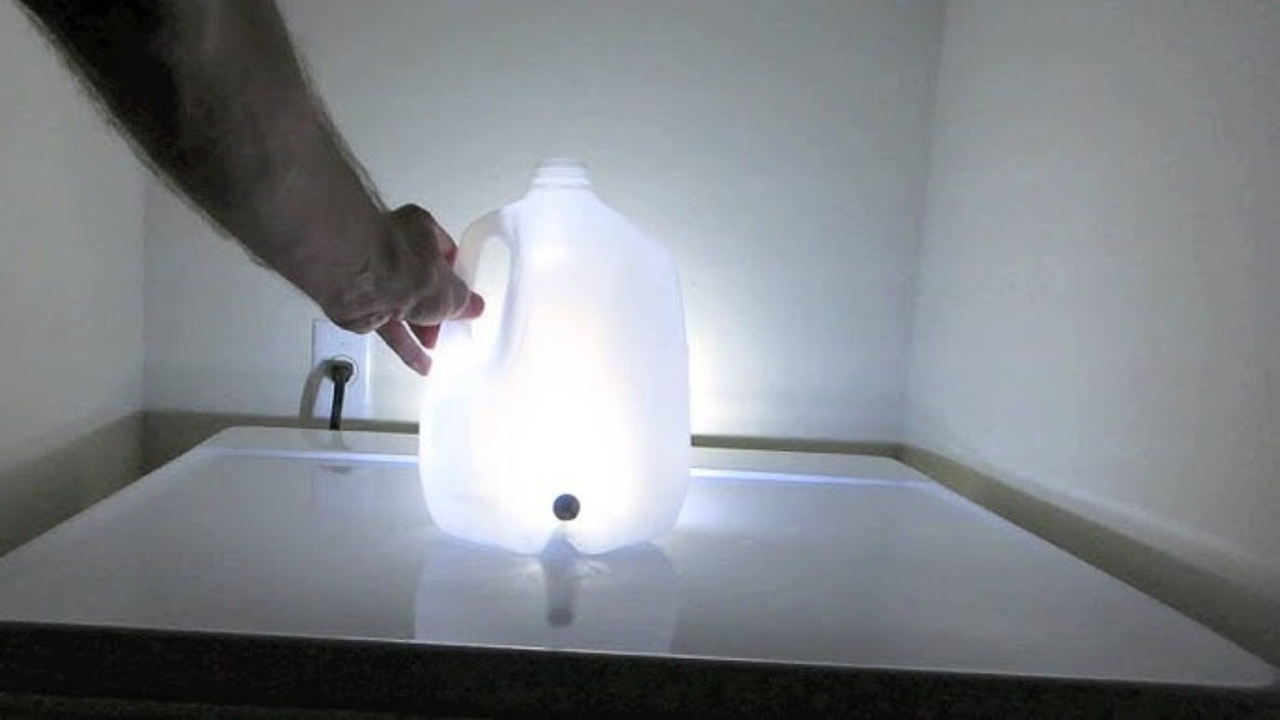
A one-gallon plastic water jug and a headlamp can create an easy, fire-safe lantern. Just strap the headlamp around the jug with the light facing inward. The water diffuses the beam, creating a soft, room-filling glow instead of a harsh, direct light.
Colored water bottles can add a unique hue, but a milky plastic jug works best for an even glow. This trick is great for lighting up a campsite, bedroom, or emergency shelter without using an open flame. When you’re done, just remove the headlamp and your gear is still intact.
Bring Old Candles Back to Life
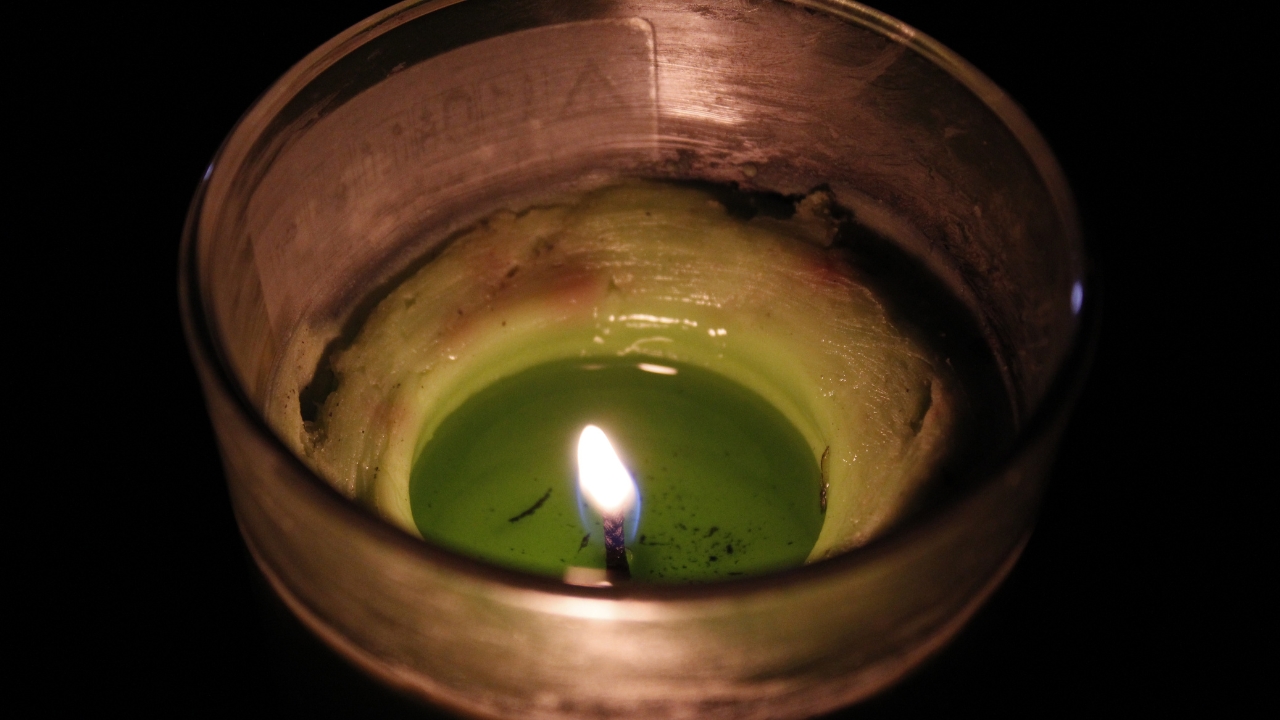
A half-burned candle with no wick left isn’t useless. You can easily restore it by adding a new wick and getting more burn time out of that leftover wax. Heat the tip of a nail with a lighter and press it into the top of the candle to create a hole. Let it cool slightly, remove the nail, and insert a new wick made from cotton twine or jute cord.
If you have multiple candle stubs, melt them down and pour the wax into a heat-resistant container with a fresh wick. This trick turns scraps into a new candle and keeps you from wasting good fuel when you need it most.
Make a Simple Kerosene Lantern
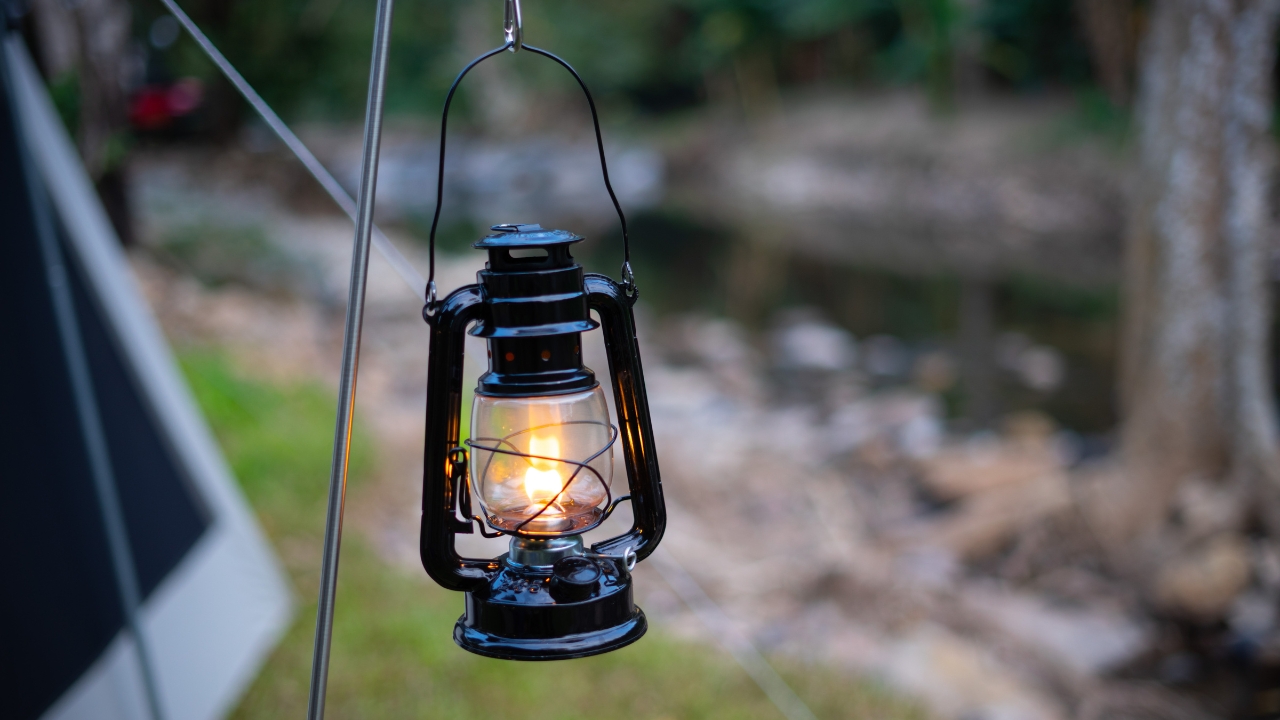
Kerosene lanterns have been used for generations because they’re reliable, long-burning, and easy to use. They work with a variety of fuels, including clear kerosene, lamp oil, and even citronella oil for outdoor use. Just make sure you’re using the right fuel—gasoline, paint thinner, or anything explosive is a recipe for disaster.
These lanterns are great for lighting up a room or campsite, and since they burn slowly, they’ll last much longer than a candle. If you don’t have a proper kerosene lantern, a glass jar with a floating wick and the right fuel can do the job in a pinch.
Glow Sticks for Quick, Safe Light
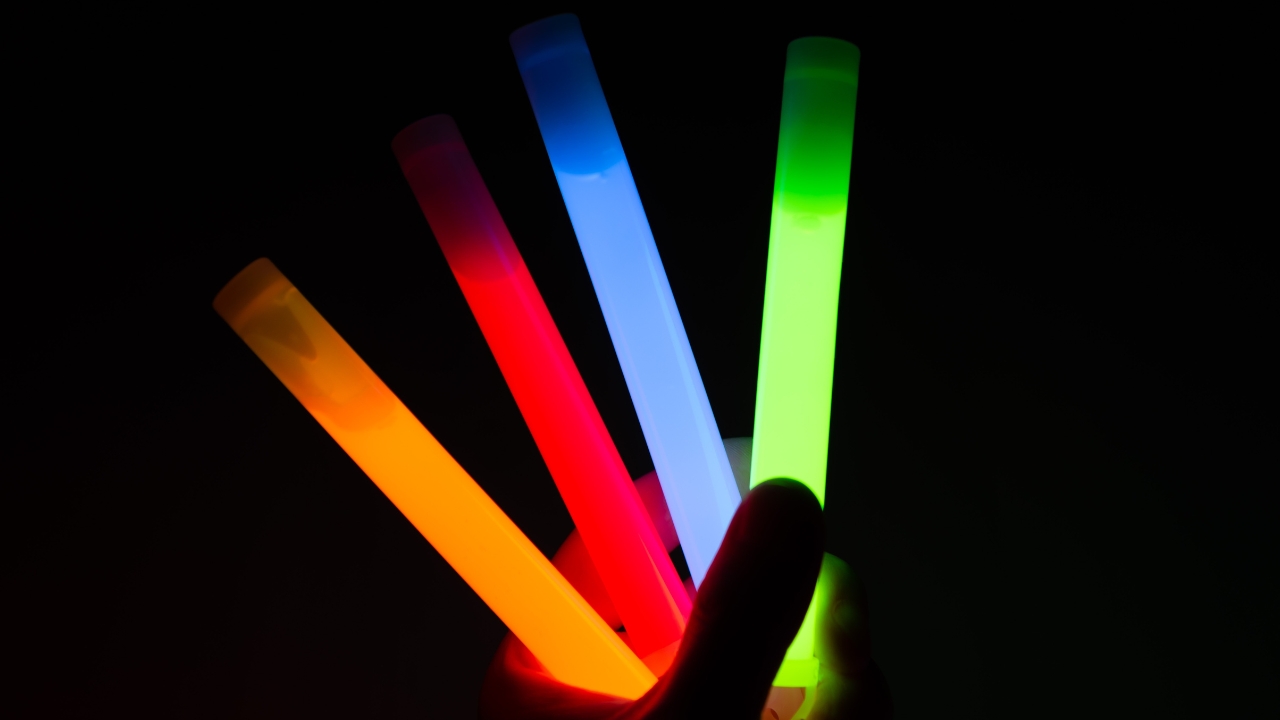
Glow sticks aren’t the brightest option, but they’re completely safe and don’t require fire or batteries. They work through a chemical reaction, and once you crack and shake them, they start glowing immediately. Higher-intensity sticks burn bright for about an hour, while lower-intensity ones can last all night with a steady glow.
If you need more light, warming up the glow stick will speed up the reaction and make it brighter—but it’ll burn out faster. You can also cut one open and drip the liquid to mark a short-lived trail, though it fades quickly when exposed to air. Glow sticks won’t replace a flashlight, but they’re a solid backup, especially for kids or low-light navigation.
DIY Toilet Paper Torch
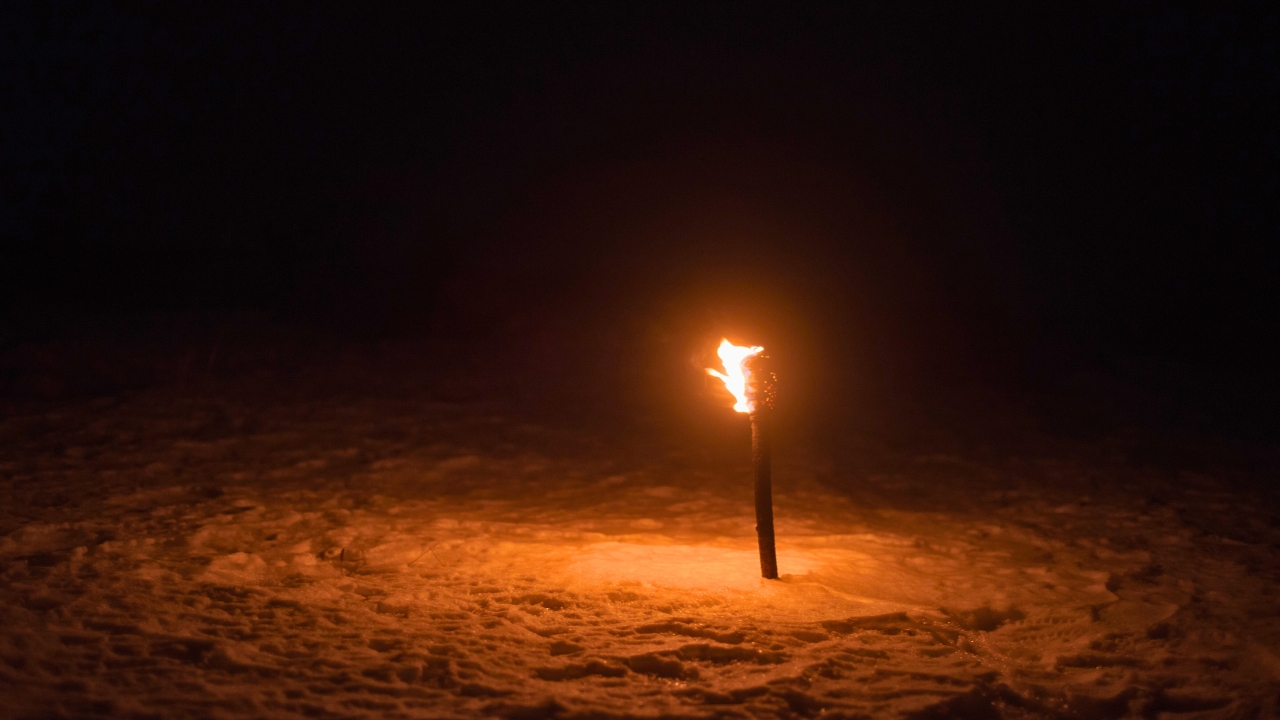
If you’re out of options and need a bright flame, a toilet paper torch will do the trick. Wrap a thick wad of toilet paper around the end of a freshly cut stick, then soak the TP in cooking oil, lamp oil, or any available liquid fuel. Light it, and you’ve got a torch that will burn for about 15 minutes.
This setup isn’t subtle, but it works. The flame is large and bright, making it useful for signaling or lighting up a larger area. Just be careful—this is an open flame and a serious fire hazard. Use it only when absolutely necessary and have a way to put it out if things get out of control.
Crayon Candle for Short-Term Light
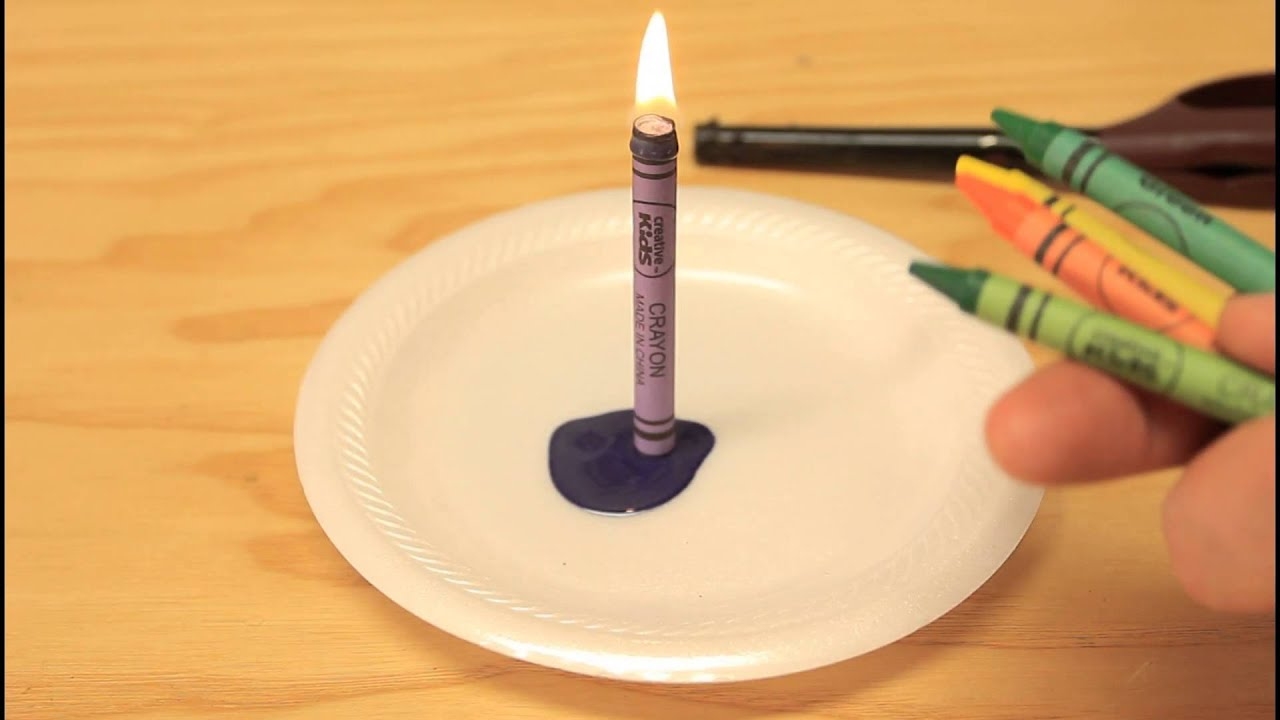
A standard crayon can double as a quick emergency candle when you’re out of options. The paper wrapper acts as a wick, and the wax burns slowly, providing light for about 30 minutes. Just stand the crayon upright on a non-flammable surface, light the tip, and let it burn.
This isn’t the brightest or longest-lasting light source, but it’s a good trick if you’re in a pinch. If you need more burn time, melt multiple crayons together in a small metal or glass container with a proper wick for a makeshift candle that lasts longer.
Battery and Foil Emergency Light
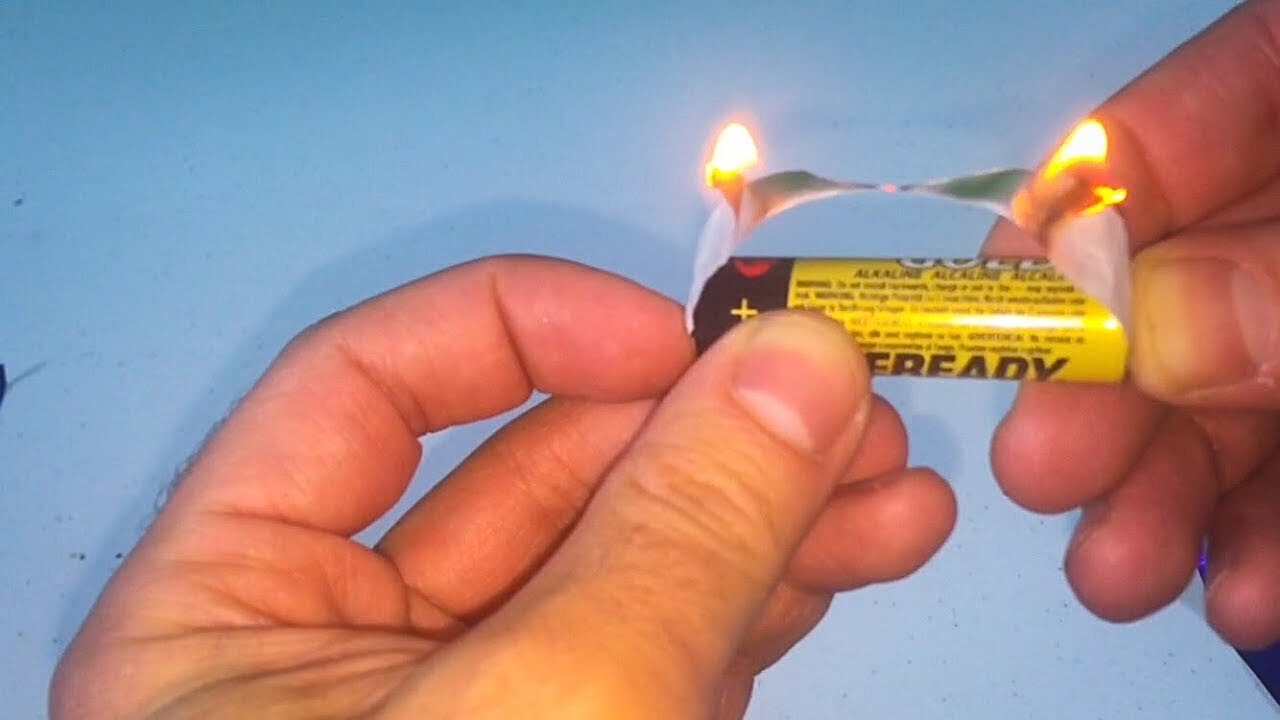
With just a battery and a strip of foil (or even a gum wrapper), you can create a small but effective emergency light. Cut a thin strip of foil, leaving a narrow section in the middle. Hold one end to the positive terminal of a battery and the other end to the negative terminal. The thin section will glow red-hot and can even ignite tinder if needed.
This isn’t a long-term light source, but it’s a quick way to produce a small burst of light or start a fire. It works best with AA or 9V batteries and should be done carefully, as the foil can heat up fast.
*This article was created with the assistance of AI.