
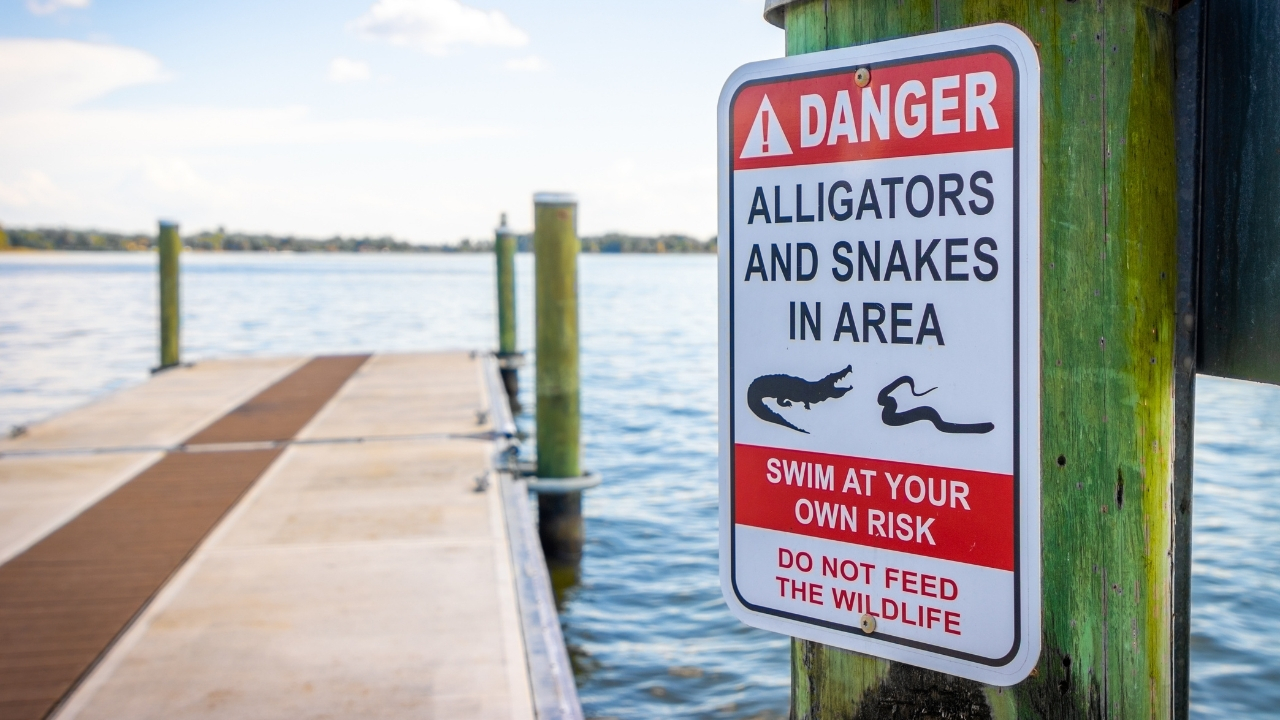
Photo credit: Ajax9/Shutterstock.com
Wildlife attacks are still rare compared to car wrecks or health problems, but when animals do kill people in the U.S., it’s not spread evenly. Some states simply rack up more fatalities because they have more people around wild habitat, more time spent outdoors, and more big critters that don’t back down. CDC-based breakdowns of fatal animal incidents from 1999–2019 consistently put the same states near the top, both in total deaths and in per-capita risk, especially across the South and Southeast. If you hunt, fish, hike, or ranch in these places, it pays to know what actually kills people and where the blind spots are.
1. Texas

Texas isn’t just first by a little bit—it’s way out in front. Analyses of CDC data show Texas with more than 500 deaths from animal encounters between 1999 and 2019, roughly 26 a year, which is over 200 more than second place. A lot of that is deer collisions, livestock incidents, dog attacks, and stings, not Hollywood-style bear maulings. But that’s the point: in Texas, you’ve got high traffic, big ranch country, hogs, venomous snakes, and working dogs all stacked on top of a huge population. If you live rural or spend time on the road at dawn and dusk, your risk climbs fast.
2. California

California comes in second on most long-term tallies of fatal animal incidents, with just under 300 deaths in that same 20-year window. It’s a mix of sheer population, busy coastlines, and wildland-urban edges where people bump into bears, mountain lions, and rattlesnakes more than they think. Add in ocean exposure—shark incidents, rip-current rescues that started as wildlife encounters—and the numbers make more sense. A lot of cases don’t look like “attacks” at first glance; they start as bites, stings, or car wrecks involving wildlife and turn fatal because help is slow, conditions are rough, or the victim already has health issues.
3. Florida

Florida is loaded with water, people, and teeth, and that combination shows up in the fatality stats. Long-term breakdowns rank it third overall for deaths caused by animals, with alligators, venomous snakes, dog attacks, and insects leading the way. Gators aren’t killing people every weekend, but when they do, it’s usually because somebody got too close to the edge, tried to feed one, or didn’t realize how fast they can cover a short distance. You also have year-round heat, so wasp and bee stings, as well as fire ant encounters, add up over time. The big mistake here is assuming “developed” means “safe.”
4. North Carolina

North Carolina consistently shows up in the top tier of deadly animal encounters with around 180 deaths over two decades, which is a big number for a mid-size state. You’ve got bear country in the mountains, hurricane-prone coasts with sharks and stinging critters, and a whole lot of deer crossing roads in low light. Most “wildlife deaths” on the books still come from indirect encounters—car collisions, stings, livestock incidents—but black bear sightings and interactions keep climbing as cabins and subdivisions push into timber. Hunters and hikers who treat black bears as automatically harmless are the ones who get surprised at bad distances.
5. Tennessee

Tennessee lands mid-pack in population but near the top in fatal animal incidents, logging roughly 170 deaths over 20 years in one CDC-based review. The Smokies draw millions of people who don’t always have a good handle on bear behavior, and the rest of the state is full of deer, livestock, and dogs around two-lane roads with limited visibility. A lot of fatalities tie back to collisions and stings, not dramatic attacks deep in the woods. The danger here is familiarity—folks grow up around animals, get comfortable, and forget how quickly a spooked horse, bull, or dog can turn a normal day into a life-threatening one.
6. Georgia

Georgia ties Ohio in some tallies at 161 deaths from animals between 1999 and 2019, and coverage based on that same dataset pegs it as one of the most dangerous states for fatal encounters. You’ve got snakes, gators in the southern wetlands, deer across the Piedmont, and plenty of stinging insects, all in a humid climate where people spend a lot of time outside. Dog attacks also play a role, especially where loose dogs bump into kids or older adults. Georgia is a prime example of how “everyday” critters—deer, dogs, bees—are far more likely to kill you than the one bear somebody posts on Facebook.
7. Ohio

Ohio doesn’t sound like a wildlife-danger hot spot, but it shows up in the same cluster as Georgia with around 160 recorded animal-related deaths over that 20-year run. Most of those are deer-vehicle collisions, livestock accidents, dog attacks, and stings, not predators stalking people. The risk climbs in the fall when deer are moving and in summer when people are mowing, baling hay, or running equipment around livestock. Folks also tend to underestimate hornet and bee stings; in national numbers, those stings are the single biggest category of fatal wildlife-related incidents, and states like Ohio reflect that.
8. Pennsylvania

Pennsylvania lands in the top ten with roughly 148 fatal animal incidents over two decades. Deer collisions are the main driver—insurance data has Pennsylvania near the top of the list for hitting animals with vehicles year after year. Hunters, commuters, and rural drivers all share the same two-lane roads, often with limited shoulders and heavy tree cover. Throw in black bears, occasional livestock accidents, and stinging insects and the numbers make sense. The pattern here is simple: people think of “wildlife attacks” as a bear chewing on somebody, but the stats are dominated by deer leaping in front of a car at 55 mph.
9. Michigan

Michigan’s mix of woods, water, and long winters means a lot of driving in marginal conditions, and that’s exactly where wildlife-related deaths spike. The state posts around 138 animal-caused fatalities over 20 years, putting it firmly in that top-ten group. State Farm collision data places Michigan near the top nationally for animal-vehicle crashes, with deer responsible for the overwhelming majority and over 100,000 claims in a single year. Those wrecks don’t always make the news like a bear or wolf encounter, but they kill far more people. Hunters and anglers driving before dawn or after dark shoulder a lot of that risk.
10. New York

New York rounds out the usual top-ten lists with around 124 recorded animal-related deaths between 1999 and 2019. Outside the city bubble, you’ve got classic deer country, bear pockets in the Adirondacks and Catskills, and plenty of older farmsteads with livestock and working dogs. Again, most deaths trace back to crashes, stings, and dogs—not predators stalking hikers. But New York’s big population means even rare events scale up, so one bad bee year or a stretch of heavy deer movement in the rut can translate into multiple fatalities. The danger isn’t that wildlife is everywhere; it’s that it’s everywhere people forget to factor it in.
11. West Virginia

When you look at risk instead of raw numbers, West Virginia jumps way up the board. Analyses measuring the chance of being killed by an animal or insect rank it among the very highest states, even though total deaths are lower than places like Texas. Narrow, winding roads, heavy deer traffic, and rough terrain all stack the deck against drivers, especially during the fall rut. You’ve also got a lot of rural property with dogs, cattle, and horses interacting closely with people. In a low-population state, a handful of bad incidents moves the needle fast, and that’s exactly what the numbers show here.
12. Montana

Montana is another state where per-capita risk is high, even if the total number of deaths doesn’t match Texas or California. Grizzlies, black bears, and mountain lions overlap with some of the most hunted and hiked ground in the country, and a lot of that country is genuinely remote. If something goes sideways—surprise bear at bow range, horse wreck on a sidehill, or a long slide after a goat stalk—rescue isn’t quick. Add in deer and elk on two-lane highways, plus winter driving, and you get a profile where the average outdoorsman’s chances of a bad wildlife-related outcome are higher than the raw headcount suggests.
13. Alaska

Alaska doesn’t always top the national lists in total deaths, but it shows up over and over when you look at the rate of serious wildlife incidents. Bears and moose share roads, trails, and river corridors with people, and many encounters happen many miles from the nearest paved road. On top of that, research has flagged Alaska as having the highest fatality rate from dog attacks in the country, which is not something most people picture when they think “Alaska wildlife danger.” Cold water, remote hunting, and big animals all contribute to a risk profile that punishes bad decisions quickly.
14. Mississippi

Mississippi shows up in per-capita analyses as one of the states where your odds of being killed by an animal or insect are higher than average, even if it doesn’t crack the absolute top-ten in raw deaths. You’re dealing with long, hot seasons for fire ants, wasps, and bees, plus plenty of dogs, cattle, and deer along rural roads. Many residents work or hunt outside in conditions where medical help isn’t right around the corner. The pattern is the same one we see across the Deep South: stings, dog attacks, and collisions quietly outpace the obvious “scary” animals in terms of what actually kills people each year.
15. Arkansas

Arkansas is another state where your overall odds of dying in a wildlife-related incident land higher than the national average, according to risk-based rankings. Whitetail collisions are a constant problem, and there’s plenty of water, timber, and rural ground where livestock, loose dogs, and wild hogs intersect with normal life. Most of the hazards are familiar, which is exactly why they’re dangerous—people who grew up around cattle or hogs don’t always give them enough space, and many fatal wrecks start with “I never saw that deer until it was right there.” It’s not about fear; it’s about remembering that everyday animals still hit hard.
Like The Avid Outdoorsman’s content? Subscribe to our newsletter so you never miss an article.
Here’s more from us:


