

Photo credit: Denis Pepin/Shutterstock.com
Coyote hunting doesn’t have to be complicated, but having the right gear makes your hunts way more productive. There’s nothing worse than getting set up only to realize you forgot something important. A good setup keeps you comfortable, quiet, and efficient out there. Whether you’re hunting open fields or thick brush, these eight items are things you’ll want to have with you every time. They’ll help you stay ready, make better shots, and hopefully bring more coyotes back to the truck.
Electronic Caller

An electronic caller saves your lungs and gets results. You can cycle through distress sounds and coyote vocals without moving much, which keeps you hidden. Many newer callers come with remotes, letting you adjust sound and volume from your setup. You don’t need a fancy model, but having one on hand helps you cover more situations, especially if you’re making multiple stands during a hunt.
Shooting Sticks
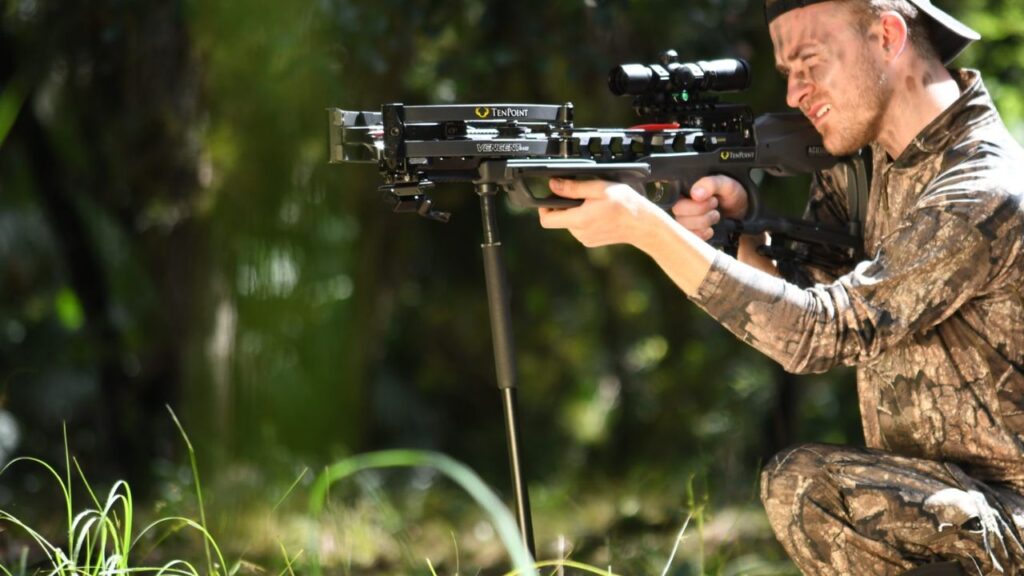
Steady shots are a must when coyotes come charging in. A good set of shooting sticks helps you keep your rifle rock solid. They’re lightweight, easy to set up, and make a huge difference for accuracy. Sitting on the ground makes it tough to get stable otherwise. Whether you like bipods or tripods, having shooting sticks keeps your shots steady without the awkward wobbles.
Comfortable Seat
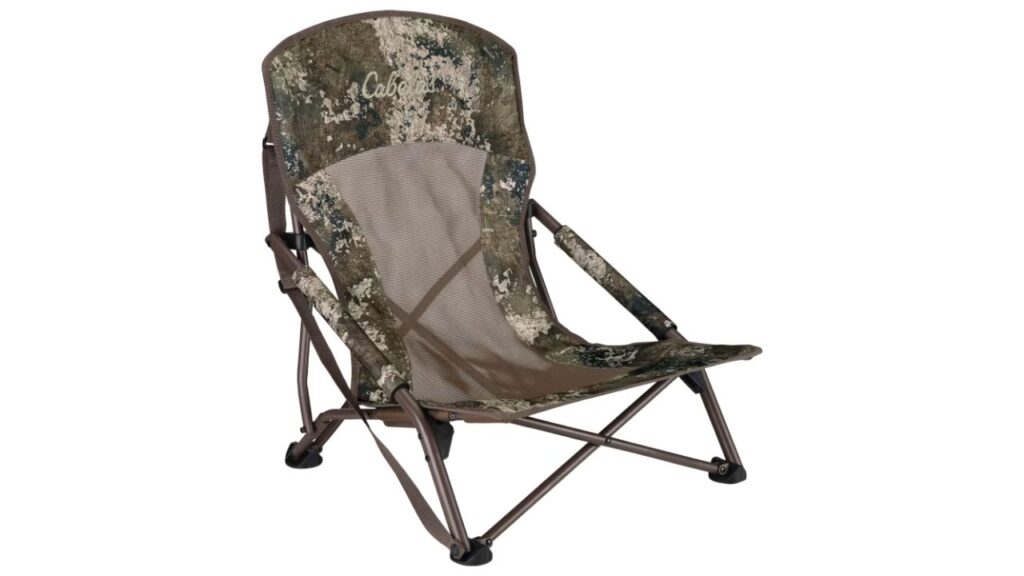
It’s hard to stay still if you’re uncomfortable. A simple cushion, turkey seat, or low-profile chair helps you sit longer and quieter. If you’re constantly shifting around, you’ll get busted by sharp-eyed coyotes. A lightweight seat lets you hunt multiple spots in a day without feeling worn out. It also helps you stay tucked down in the brush while keeping a clear shooting lane.
Hand Calls
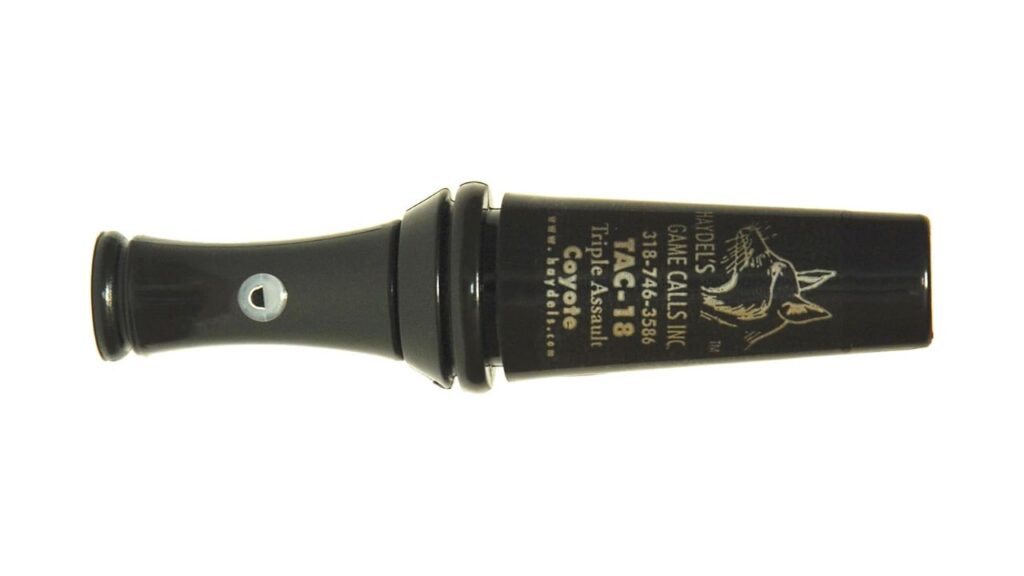
Even with an electronic caller, hand calls come in handy. Sometimes coyotes respond better to short bursts on a mouth call, especially after they hang up. They’re also perfect if your electronic caller dies or malfunctions. Small and easy to pack, hand calls are a great backup and help you add realism with short howls or distress sounds when needed.
Wind Checker
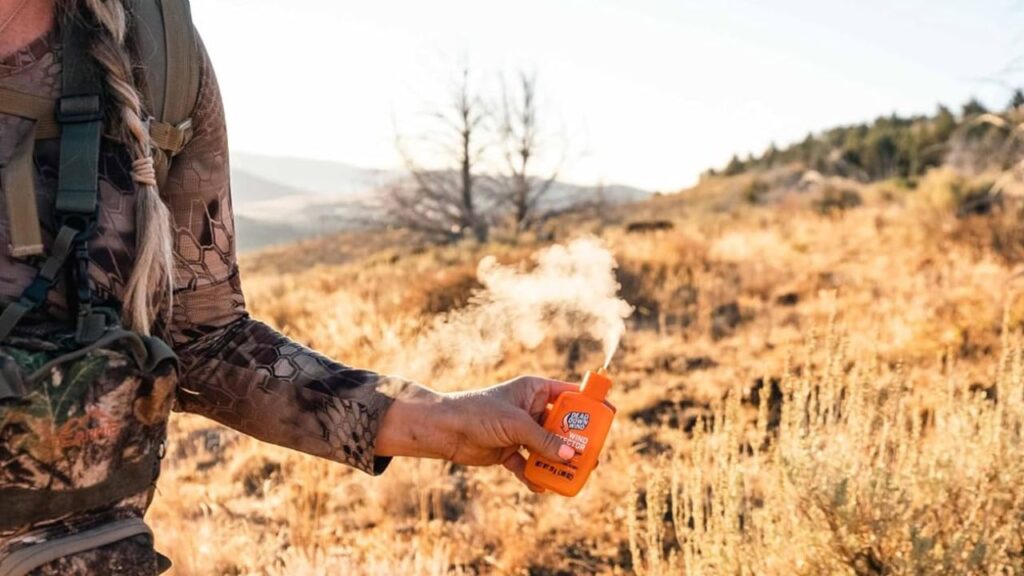
Coyotes live by their noses, and the wind will either make or break your setup. A simple wind checker bottle takes the guesswork out of wind direction. A few quick puffs tell you exactly how your scent is moving. Always check the wind before you pick your setup—it’s one of the simplest tools that can save a hunt before it even starts.
Rangefinder
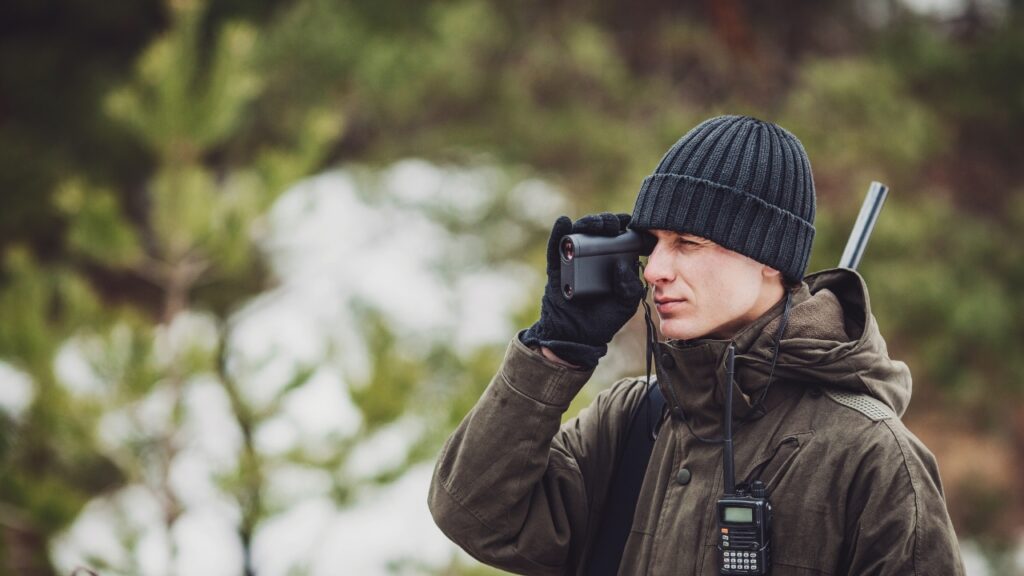
Coyotes don’t always come in close, especially in open country. A rangefinder helps you avoid misjudging distances. Knowing your exact yardage makes shots more confident, especially with centerfire rifles. They’re also useful when setting up a stand, letting you range nearby landmarks so you’re ready for a quick shot if one pops out at the edge of your comfort zone.
Suppressor or Muzzle Brake
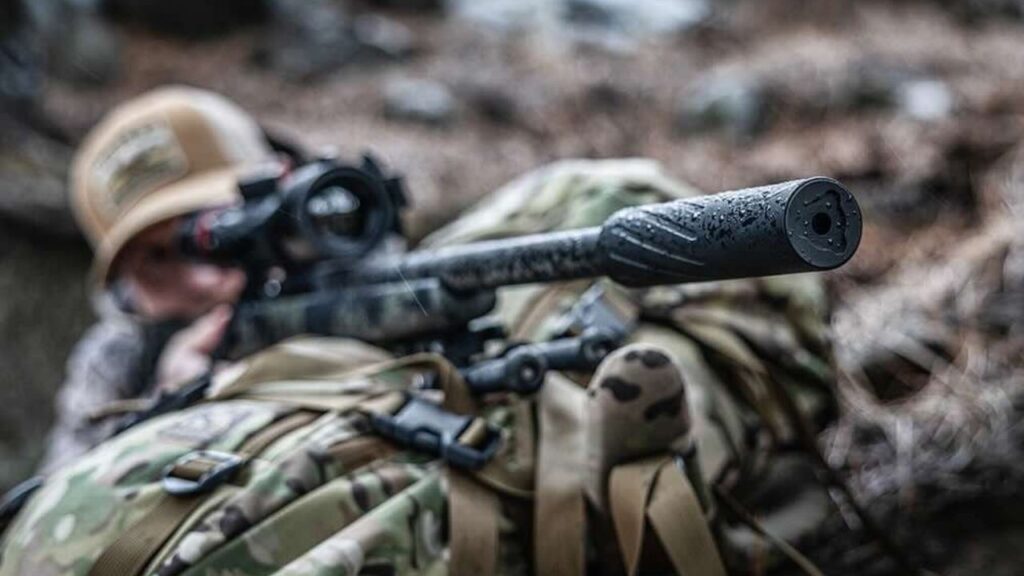
If it’s legal where you hunt, a suppressor can be a huge help on coyotes. It reduces noise, keeps your ears happy, and sometimes lets you pull off doubles or triples without spooking the rest of the pack. If you can’t run a suppressor, a good muzzle brake can help you spot impacts and reduce recoil. Both options give you a clearer shot and quicker follow-ups.
Headlamp
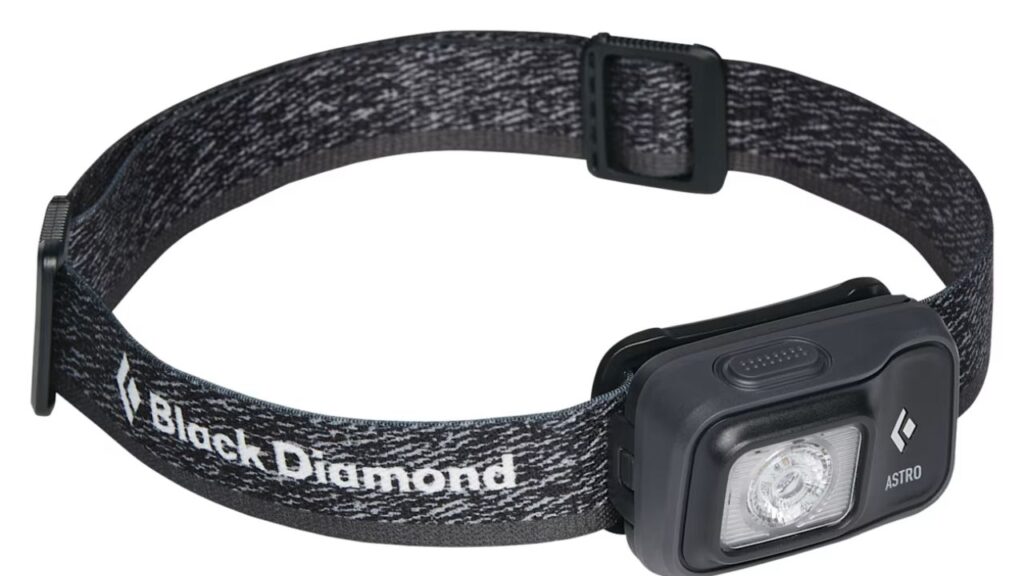
Early mornings and late evenings mean you’ll need a headlamp to set up and break down. Having both white and red light settings is handy—red keeps you hidden while still letting you see gear. A headlamp frees up your hands while walking to stands and helps you recover coyotes after dark. Always stash one in your pack—you’ll kick yourself if you forget it.
*This article was developed with AI-powered tools and has been carefully reviewed by our editors.


