
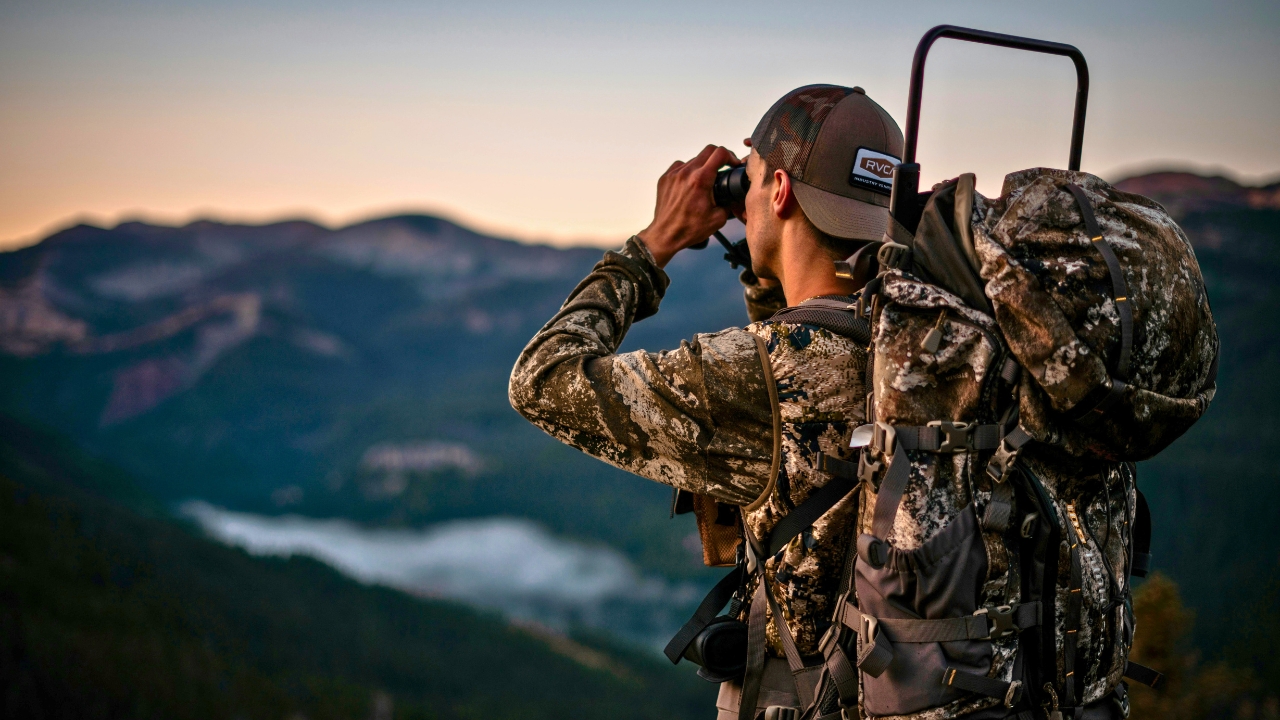
Photo credit: Jordan Bergendahl/Pexels
Hunting rewards patience, preparation, and attention to detail. When you try to cut corners, it almost always costs you opportunities—or worse, leads to wounded game and wasted effort. Some of these shortcuts seem harmless in the moment, but they set you up for failure in ways you won’t notice until it’s too late. Whether you’re chasing whitetails, elk, or coyotes, avoiding these common mistakes can make the difference between filling a tag and walking away frustrated.
Skipping wind checks before your setup

You might think your scent is staying put, but pressured game animals pick up wind shifts faster than you do.
Skipping a quick wind check means you could be setting up directly downwind of where deer or coyotes are traveling. Even subtle thermals can blow your cover and send animals moving before they’re in range. A small bottle of powder or a feather tied to your rifle sling solves the problem and keeps you from wondering why the woods suddenly went quiet.
Using cheap ammo to “get by”

Saving a few bucks on bargain loads might seem harmless, but inconsistent performance can ruin hunts fast.
Budget ammo often produces unpredictable groups and velocity spreads, especially at extended ranges. If you’re zeroing your rifle with one load and hunting with another, expect misses or poorly placed shots. The shortcut isn’t worth it when accuracy matters. Test the ammo you plan to hunt with and stick to what patterns best out of your rifle or shotgun for ethical, reliable kills.
Skipping preseason gear checks

You don’t want to find out something’s broken when you’re already in the woods.
Skipping gear checks often leads to silent failures: batteries die in rangefinders, bolts seize up from old oil, or optics come loose after months in storage. A full preseason inspection lets you catch problems early and fix them long before opening day. Hunters who make this a habit spend more time hunting and less time fighting their own equipment.
Overestimating your shooting ability

Stretching your rifle or bow beyond your real capabilities is one of the fastest ways to wound game.
Many hunters assume their gear makes up for limited practice, but ethical kills require knowing your effective range. If you haven’t practiced past 150 yards, trying a 300-yard shot is gambling with the outcome. Taking the extra time to train at various distances gives you confidence when the moment comes—and prevents chasing blood trails you never wanted to follow.
Ignoring midday movement

A lot of hunters leave the woods by 10 a.m., thinking all the action is over—but they miss some of the best opportunities.
During pressured seasons, deer often move during late morning and midday hours to avoid hunters crowding early and late. If you’re slipping out when the woods quiet down, you might be walking away from prime encounters. Pack a lunch, bring extra layers, and commit to staying longer. Patience pays off when everyone else is heading home.
Relying only on trail cameras

Trail cams are great tools, but leaning on them too much creates blind spots in your hunting strategy.
Animals don’t read your cameras, and they won’t always follow the same paths day to day. If you rely solely on images, you may miss shifts in patterns caused by food sources, pressure, or weather. Cameras should complement boots-on-the-ground scouting, not replace it. Combining both gives you a clearer picture and keeps you from hunting empty stands based on outdated intel.
Going light on tracking prep

Blood trailing looks easy on TV, but finding a wounded deer or hog can turn into hours of work.
Hunters often shortcut tracking prep by skipping flags, leaving lights at home, or failing to mark last blood. In dense cover or fading light, that mistake can mean losing an animal entirely. Packing a small kit with reflective tape, a flashlight, and even a notepad for marking drops makes the process far more efficient when the shot doesn’t drop them instantly.
Not practicing realistic scenarios

Shooting from a bench feels good, but hunting rarely gives you that luxury.
If you never practice kneeling, sitting, or shooting off sticks, your first awkward field shot will likely miss. Hunters shortcut training by sticking with flat ranges and ideal positions, but success depends on adapting to uneven terrain and odd angles. Practicing how you’ll actually hunt builds confidence and helps you place shots accurately when adrenaline is high and time is short.
*This article was developed with AI-powered tools and has been carefully reviewed by our editors.


