Photo credit: WHO_TEE_WHO/YouTube
When you’re on the move and trying to stay alive, not every gun you own is going to earn a spot in the pack. Some are too heavy, too delicate, or too ammo-hungry to make sense in a real bug-out situation. You’re looking for reliability, versatility, and ammo you can actually find or carry in bulk. These are the types of guns that might look good on paper or the range—but fall apart in practice when survival’s on the line.
.50 BMG Rifles

You might feel powerful carrying one, but good luck lugging it far. Rifles chambered in .50 BMG weigh a ton, need specialty parts, and the ammo takes up serious space. Not to mention, you’re not trying to punch through armor plates while bugging out.
That kind of overkill makes no sense when you’re trying to travel light and stay mobile. You’d be better off with something you can shoulder and run with—not something that needs a bipod and a truck bed.
Desert Eagle

The Desert Eagle might be fun at the range, but it’s a poor choice for field carry. It’s massive, heavy, and chambered in calibers like .50 AE or .44 Magnum that are hard to find and harder to pack in bulk.
You want a handgun that’s reliable, easy to shoot, and chambered in a common round. The Desert Eagle fails on all three. If it breaks, good luck fixing it in the woods. If you run out of ammo, you’re carrying dead weight.
Lever Guns in Obscure Calibers

Lever actions are great—if they’re chambered in .30-30 or .357 Mag. But once you start talking about oddball loads like .38-55 or .444 Marlin, you’re creating a logistics nightmare.
In a bug-out scenario, you need ammo compatibility and availability. Obscure calibers don’t show up at backwoods stores or in trading circles. Even if the gun runs well, it’s useless if you can’t keep it fed. Stick with common calibers you can scavenge or barter for.
High-End Match Rifles

Precision rifles built for competition have no business in a survival bag. They’re tuned for accuracy, not durability. The triggers are touchy, the barrels are often heavy, and the optics are more likely to fog up or break under stress.
They might shoot sub-MOA groups, but none of that matters if the rifle doesn’t hold up in dirt, rain, and fast-moving conditions. You need rugged, not refined. Leave the benchrest guns on the bench.
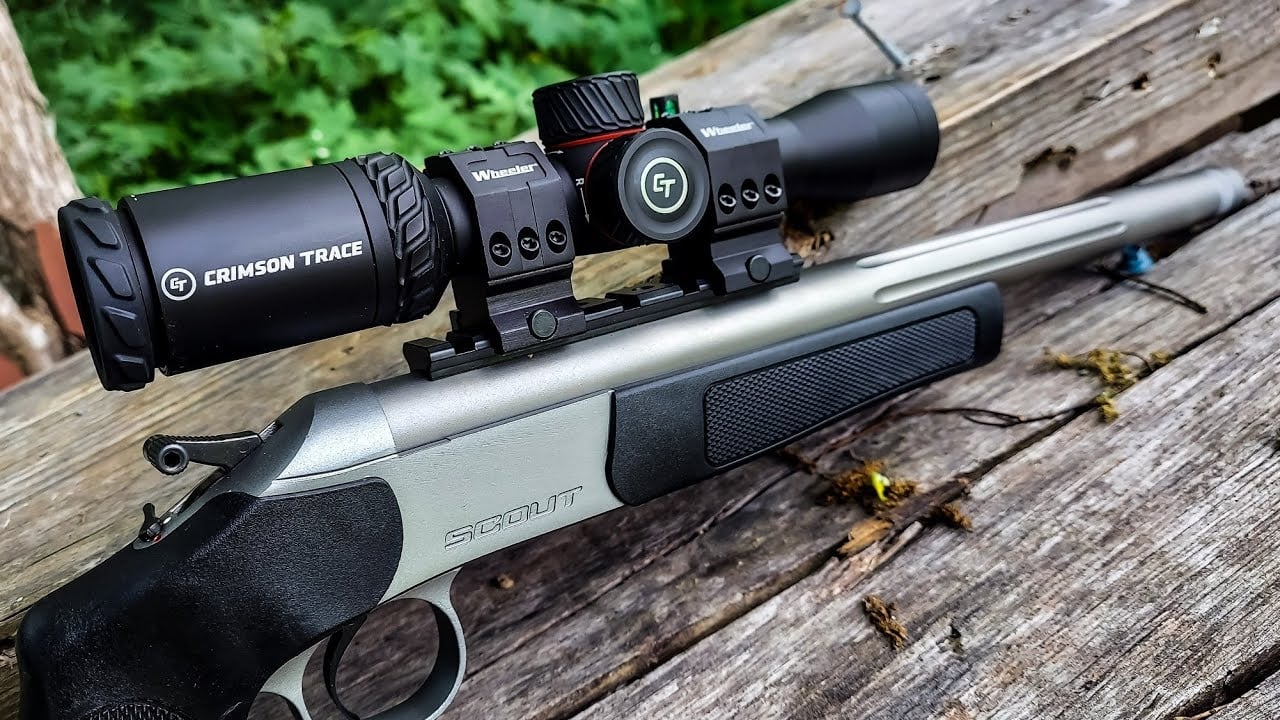
Break-Action Pistols

Single-shot pistols chambered in rifle rounds look cool, but they leave you with almost no follow-up ability. If something goes wrong—or if you miss—you’re stuck reloading one round at a time.
That’s not a great place to be if you’re facing a threat or trying to hunt small game fast. Even the light weight isn’t enough to make up for the slow rate of fire and lack of flexibility. There are better survival pistols out there.
Belt-Fed Machine Guns

If you’re not in a war zone or guarding a fixed position, belt-fed guns are overkill. They’re bulky, ammo is heavy, and the setup takes too long to get moving again. You lose the advantage of speed and stealth fast.
They also scream “tactical target,” which is the opposite of what you want when you’re trying to stay under the radar. There’s no realistic benefit to hauling one of these around unless you’ve got a team and supply line behind you.
Ultra-Compact .22 Derringers

Derringers in .22 LR or similar calibers might seem like a lightweight backup option, but they’re not reliable enough for survival situations. Tiny sights, heavy triggers, and limited capacity make them hard to use when things go sideways.
You’d be better off with a small semi-auto or compact revolver in a more capable caliber. The derringer might hide well in a pocket, but it won’t save you when you actually need it to perform.
AR Pistols with Complicated Builds

If your AR pistol has a binary trigger, skeletonized components, and needs constant tweaking, it’s not a good fit for bug-out duty. Lightweight builds sound great until you’re dealing with cracked parts and failure to feeds in the middle of nowhere.
Simplicity wins in the field. If you can’t clean or repair it with basic tools and spare parts, it’s not worth taking. The more you customize, the more you risk downtime when things get rough.
Double-Barrel Shotguns

They’re reliable—but after two shots, you’re done. Reloading is slow, and even with practice, it’s tough to keep pace with pump or semi-auto options. That’s a major drawback in any defensive or survival situation.
You also don’t gain much in terms of versatility. A basic pump-action gives you more rounds, easier reloads, and still runs with most shells. If you’re packing 12-gauge, pick a platform that gives you more than two shots before you’re fishing for more shells.
*This article was developed with AI-powered tools and has been carefully reviewed by our editors.