Photo credit: WHO_TEE_WHO/YouTube
You hear it all the time—someone bragging about their fast new magnum that kicks like a mule and burns through barrels before you can say “overkill.” And then you watch a calm old-timer walk out of the timber with a buck down at 300 yards, carrying a rifle he’s had since high school. More often than not, that rifle’s a .270 Winchester. It doesn’t get loud online, but it keeps getting it done. And while ballistic charts might make newer cartridges look better on paper, the .270 keeps reminding us that real-world results don’t always follow marketing trends. If you’re hunting animals instead of chasing numbers, this old standby still earns a place in your safe.
The trajectory still competes
You don’t need a flashy magnum to shoot flat. The .270 Winchester sends a 130-grain bullet sailing with enough speed and efficiency to stay right in the ballpark with cartridges that claim to be faster. You’ll hold dead-on out to 300 yards without dialing a thing, and that’s with a basic duplex reticle and a steady rest.
Modern magnums edge it out in the velocity race, sure—but not by enough to matter unless you’re reaching for extreme distances. Out in elk camp or on a high plains deer hunt, the .270 still carries itself like a long-range round. And if you know your holdovers, it stays useful far beyond what most hunters are comfortable shooting.
Recoil that lets you shoot better

Magnums punch harder on both ends. That’s the part folks don’t talk about enough. A .270 gives you manageable recoil, even in a lightweight rifle, so you don’t flinch when it matters. And being able to actually practice without beating yourself up? That goes a long way in the real world.
It’s not just about comfort—it’s about control. You can stay in the glass after the shot. You can spot your hits and adjust if needed. Try doing that with a .300 Ultra Mag without developing a twitch. A .270 gives you the confidence to shoot better because it doesn’t punish you every time you squeeze the trigger.
Barrel life you don’t have to worry about
Magnums eat barrels. That’s the tradeoff for screaming-fast velocities. With the .270, you’re looking at a workhorse that’ll hold accuracy for thousands of rounds before anything even starts to fade. You don’t need a heat gauge or a barrel break-in ritual to keep it running true.
If you hunt more than you tinker, you’ll appreciate a rifle that doesn’t need babying. The .270 was designed before throat erosion was a topic on forums, and it’s still putting meat in the freezer without demanding a new barrel every few seasons. That kind of longevity matters more than most folks admit.
It’s accurate without being finicky
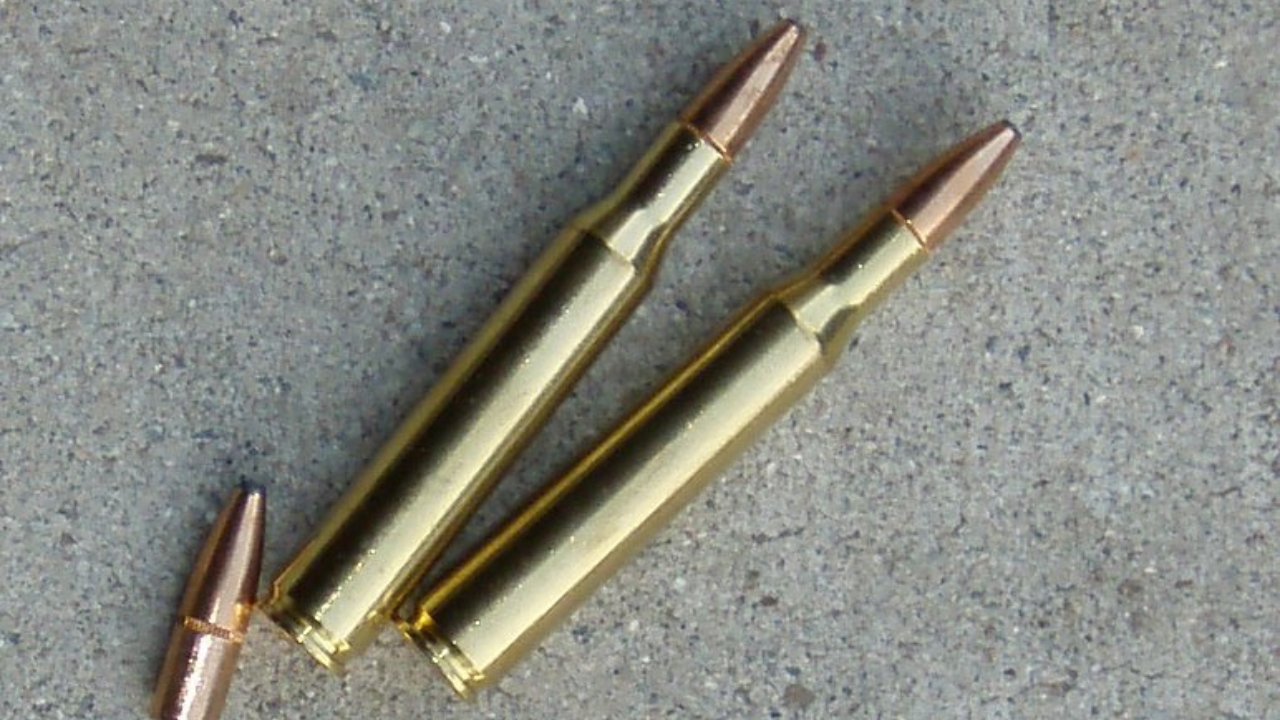
Some newer cartridges are fast but fussy. They’ll shoot tight groups if you get the right load, the perfect seating depth, and match-grade brass. The .270, on the other hand, tends to shoot well with whatever you feed it. That means less time on the bench and more time in the woods.
You don’t need to obsess over twist rates or neck tension. Most factory rifles and ammo combos in .270 are more than accurate enough for practical hunting. You can walk into a sporting goods store, grab a box off the shelf, and trust it’ll group well enough to drop a buck clean at 250 yards.
Better ammo selection than you’d think
The .270 might be old, but ammo makers haven’t left it behind. You’ll find it in nearly every shop, and the bullet options have only gotten better. Whether you’re chasing mule deer or elk, there’s a load out there that’ll suit your hunt without having to order online and wait weeks.
You’ve got bonded options, monolithic copper, classic soft points, and even high-end match-style bullets if that’s your thing. And because it’s been around forever, you can actually find ammo in a pinch—something those boutique magnums can’t promise when shelves are empty before hunting season.
Proven in the field, not just at the range

The .270’s reputation wasn’t built in ballistics labs. It was earned in the field, season after season. It’s knocked down more deer, elk, and antelope than most of the flashy cartridges folks brag about on forums. There’s something to be said for a round that’s proven itself where it counts.
You don’t have to wonder how it performs on game. You’ve seen it, or someone in your family has. Maybe you’ve got an old Model 70 in the closet with scratches that tell more stories than any spec sheet ever could. That’s the kind of reliability new cartridges can’t fake.
It still makes sense for real hunters
You’re not hunting ballistic gel. You’re not trying to impress the guy at the range with a custom chassis rifle and a kestrel. You’re carrying a rifle through brush, over ridges, and into the kind of places where animals actually live. And in those places, the .270 still shines.
It’s light enough to carry all day, accurate enough to reach out when you need to, and powerful enough to do the job cleanly. It’s not the loudest voice in the room, but it doesn’t have to be. It keeps proving its worth the way real hunting cartridges should—quietly, reliably, and with a punch that still gets it done.
Like The Avid Outdoorsman’s content? Be sure to follow us.
Here’s more from us:
The worst deer rifles money can buy
Sidearms That Belong in the Safe — Not Your Belt
*This article was developed with AI-powered tools and has been carefully reviewed by our editors.