Photo credit: Guy J. Sagi/Shutterstock.com
You now live in a world where a suppressor or short‑barreled rifle can carry a $0 tax stamp, yet you still have to wait for the federal government to say yes before you take it home. The price tag on the National Firearms Act paperwork may have changed, but the legal machinery behind it has not disappeared. If you treat a zero‑dollar stamp as a free pass instead of a formal approval, you risk running straight into the same felony penalties that have existed since the 1930s.
Why a $0 stamp still means federal permission, not a freebie
When you hear that the tax on a suppressor or short‑barreled rifle has dropped to zero, it is tempting to assume the National Firearms Act no longer applies to you. In reality, the NFA still treats these items as restricted firearms that must be registered to a specific person or entity before possession is lawful. The “stamp” is simply the government’s receipt showing that your transfer or making has been approved under the statute, and the dollar amount printed on it does not change the fact that you are asking for permission to own an NFA firearm.
The National Firearms Act was written to regulate categories like suppressors, short‑barreled rifles, short‑barreled shotguns, machine guns, destructive devices, and certain “any other weapon” configurations, and that structure remains in place even when Congress tinkers with the tax. Under the current Tax Stamp Rule, you still submit the same core forms, fingerprints, and identifying information so the NFA registry can be updated before you ever attach a suppressor to a rifle or assemble a short barrel on an AR‑15 lower. The only thing that has changed is that the Treasury is not collecting two hundred dollars from you for specific items, not that the underlying approval process has vanished.
How the National Firearms Act still frames the entire process
If you want to understand why a zero‑dollar stamp still matters, you have to start with how the National Firearms Act itself is structured. The law is written around the idea that certain weapons are only lawful if they are registered to the current possessor in a central federal database, and that registration is triggered by a formal application. That is why the NFA requires you to file a Form 1 when you are “making” an NFA firearm yourself and a Form 4 when you are receiving one from a dealer or another individual, regardless of what the tax line says.
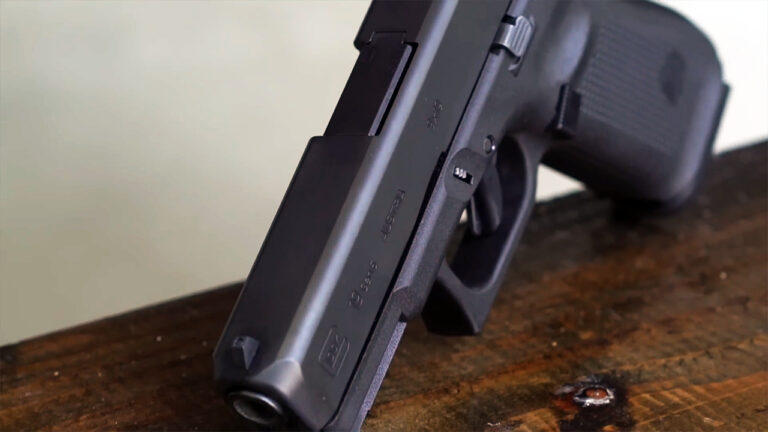
Under the current NFA Tax Stamp Rule, the categories that trigger this process are spelled out in detail, including suppressors (also called silencers), short‑barreled rifles, short‑barreled shotguns, machine guns, destructive devices, and the catch‑all “any other weapon” category that covers unusual configurations like smoothbore pistols or disguised firearms. Federal firearms licensees are instructed that the NFA, the Tax Stamp Rule, and the latest Update still require them to process these items through the NFA system using Form 1 for making and Form 4 for transfers, which is why you cannot simply walk out of a shop with a suppressor the way you would with a standard Glock 19 or a Ruger 10/22.
What H.R. 1 and the Hearing Protection Act actually changed
The political headline that grabbed attention was that H.R. 1, nicknamed “One Big Beautiful Bill,” folded in the Hearing Protection Act and cut the suppressor tax stamp to $0. For you as a buyer, that means the two hundred dollar payment that used to accompany every new suppressor transfer has been eliminated for qualifying items. The same legislative package also addressed short‑barreled rifles, reshaping how those firearms are taxed and treated under federal law so that the financial barrier is lower than it was under the original NFA framework.
What H.R. 1 did not do is erase the concept of a tax stamp or the need for approval. The Hearing Protection Act provisions changed the cost structure and some of the classification rules for suppressors and short‑barreled rifles, but they left intact the idea that these items are tracked through a formal application process. You still submit fingerprints, photographs, and identifying information, and you still wait for the NFA branch to review your file before you can legally take possession, even though the government now records a zero‑dollar tax on the resulting stamp.
Why “no tax” does not mean “no wait” or “no background check”
One of the most persistent misconceptions is that once the tax is set to zero, the rest of the process will suddenly feel like buying a standard handgun with a quick background check at the counter. The NFA system does not work that way. The stamp is tied to a deeper review that includes your fingerprints, photographs, and a more detailed look at your personal information than the instant check used for ordinary Title I firearms, and that review still takes time even when no money changes hands.
Reports on suppressor transfers explain that, as of mid‑2025, electronic filing has become the preferred route for many applicants because it can shorten the wait compared with paper forms, but the same reporting also notes that paper submissions continue to face slower processing and longer backlogs. In other words, the bottleneck is the human review and the volume of applications inside the NFA branch, not the act of charging your credit card two hundred dollars. A zero‑dollar stamp does not bypass the background check or the queue; it simply removes one line item from the transaction while leaving the rest of the machinery intact.
How the forms still work for you and your dealer
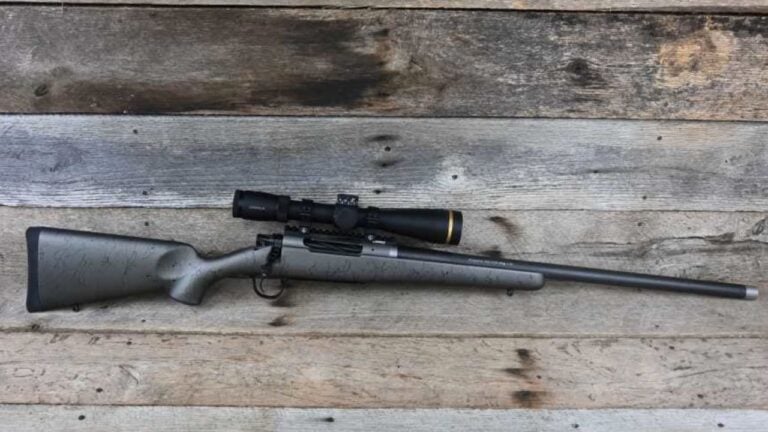
From your perspective at the gun counter, the most visible part of the NFA is the paperwork your dealer walks you through. That paperwork has not disappeared just because the tax has been reduced. If you are buying a suppressor that is already built and sitting in the display case, you still complete a Form 4 so the NFA registry can record a transfer from the dealer’s inventory to you as an individual, a trust, or a legal entity. If you are building your own short‑barreled rifle from a stripped lower receiver and a short upper, you still file a Form 1 to ask permission to “make” that NFA firearm before you ever pin the upper in place.
Guidance for federal firearms licensees spells out that suppressors (also called silencers), short‑barreled rifles, short‑barreled shotguns, machine guns, destructive devices, and any other weapon configurations all remain subject to the same Form 1 and Form 4 workflow under the NFA Tax Stamp Rule and its latest Update. Your dealer is required to hold the item in their NFA inventory until the approved Form 4 comes back with a stamp, even if that stamp shows a zero‑dollar tax. If you are filing as an individual, you still provide fingerprints and photographs; if you are filing as a trust, you still identify responsible persons and submit their information as well.
What “Regulatory Laws for Suppressors” still demand from you
Even with the Hearing Protection Act changes, the regulatory laws for suppressors are still anchored in the same statute that has governed them since the 1930s. The National Firearms Act of 1934 remains the cornerstone of suppressor regulation, and it continues to define these devices as NFA firearms that must be registered and approved before you can possess them. That is why you still see suppressors treated differently from ordinary rifles and pistols in both federal guidance and dealer practice, regardless of what the tax line says on the application.
Current discussions of suppressor tax stamps emphasize that the NFA’s framework has not been repealed, only adjusted. The National Firearms Act of 1934 still sets out the categories, the registration requirement, and the penalties for unregistered possession, and the modern Regulatory Laws for Suppressors simply interpret those rules in light of newer technology and legislative tweaks. When you apply for a zero‑dollar stamp, you are still stepping into that same legal structure, which is why you should treat the approval as a formal license to own a specific suppressor rather than a casual receipt.
Why electronic filing helps, but does not erase the backlog
To your credit, you might already be using electronic filing to speed things up, and it does help. The NFA branch has encouraged e‑forms for both Form 1 and Form 4 submissions because they cut down on data entry errors and reduce the time spent shuttling paper between offices. For you, that means you can upload fingerprints, photographs, and trust documents through an online portal instead of mailing a packet and hoping it does not get lost in transit.
However, the same reporting that praises e‑forms also cautions that, as of mid‑2025, electronic submissions are only part of the story. While e‑filed applications can move faster, paper forms still exist and continue to clog the system, leading to slower processing and longer backlogs for those who do not or cannot use the online route. The zero‑dollar tax does not change that reality; it simply removes a payment step from the workflow. If you want the best chance at a shorter wait, you still need to choose electronic filing, double‑check your information, and accept that the NFA branch’s staffing and workload will ultimately dictate how quickly your approval arrives.
Common myths you should stop repeating at the gun counter
Once you understand how the NFA still operates, you start to hear the myths for what they are. One popular claim is that a zero‑dollar stamp means suppressors are now treated like ordinary accessories, no different from a scope or a bipod. That is simply not true. The NFA still defines suppressors as firearms in their own right, and the Tax Stamp Rule still requires them to be transferred on a Form 4 or made on a Form 1, with the resulting approval recorded in the registry before you can lawfully possess them.
Another myth is that the Hearing Protection Act and H.R. 1 wiped away the need for any federal involvement in suppressor or short‑barreled rifle ownership. In reality, H.R. 1, branded as One Big Beautiful Bill, focused on cutting the tax for suppressors and adjusting how short‑barreled rifles are treated, not on dismantling the NFA’s registration system. You still undergo a background check, you still wait for the NFA branch to process your file, and you still receive a formal approval document, even if the stamp now shows a tax of zero dollars instead of two hundred.
How to stay compliant when the rules feel counterintuitive
Because the idea of a zero‑dollar tax stamp feels contradictory, it is easy to let your guard down and treat the process as a formality. That is a mistake. The safest approach is to assume that every suppressor, short‑barreled rifle, short‑barreled shotgun, machine gun, destructive device, or any other weapon configuration you touch is still fully under the National Firearms Act until you have an approved Form 1 or Form 4 in hand. That means you do not assemble a short barrel on a rifle lower, you do not take a suppressor home, and you do not store an NFA item at a different address until the approval arrives.
Staying compliant also means paying attention to the details that trip people up. If you file electronically, you should verify that your fingerprints and photographs meet the technical requirements so your application is not kicked back. If you are using a trust, you should make sure every responsible person has submitted their information, because a missing signature can stall your file for months. The NFA, the Tax Stamp Rule, and the latest Update still expect you to get these details right, and a zero‑dollar tax stamp will not save you from the consequences if you treat the process as optional instead of as the formal approval it remains.
Like The Avid Outdoorsman’s content? Be sure to follow us.
Here’s more from us: