Photo credit: Gun News & Reviews/Youtube
Some rifles don’t look like future favorites when they’re sitting on the rack. They have basic stocks, ordinary finishes, familiar chamberings, and nothing that screams rare or special. Hunters pass them by because they seem easy to replace. There will always be another plain deer rifle, right?
Then the market changes. Production ends, certain models dry up, older versions gain a following, and hunters realize those “plain” rifles handled better, shot better, or lasted longer than expected. That’s when the hoarding starts. These rifles didn’t look special at first, but hunters who know what they are tend to hang onto them.
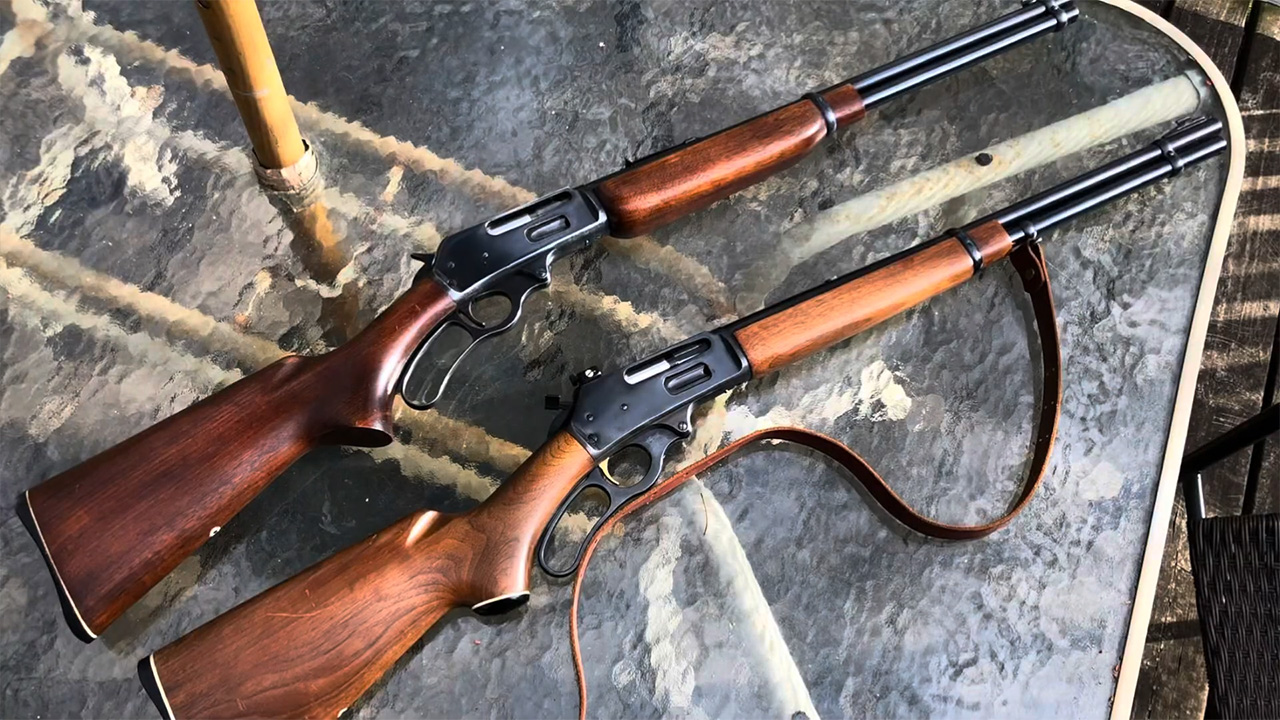
Marlin 336
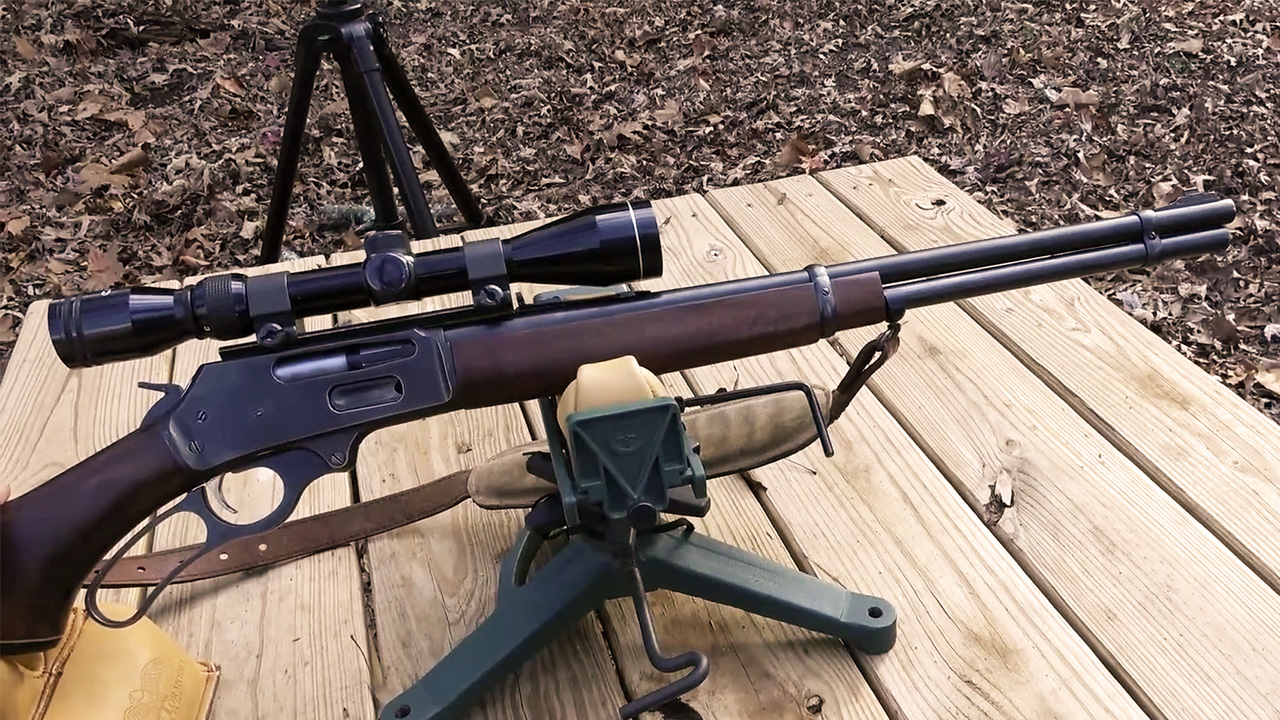
The Marlin 336 looked plain because it was everywhere. A .30-30 lever gun with a walnut stock and blued steel used to be a normal sight in deer camps, pawn shops, and gun cabinets. That kind of availability made hunters treat it like something they could replace any time.
Now good older examples, especially JM-stamped rifles, get a very different reaction. Hunters know the 336 carries well, shoulders fast, and fits real deer woods better than many rifles built around longer shots. It’s not flashy, and it doesn’t need to be. A good 336 in .30-30 Winchester or .35 Remington does a simple job extremely well. That’s why hunters started keeping them instead of letting them go.
Remington Model Seven
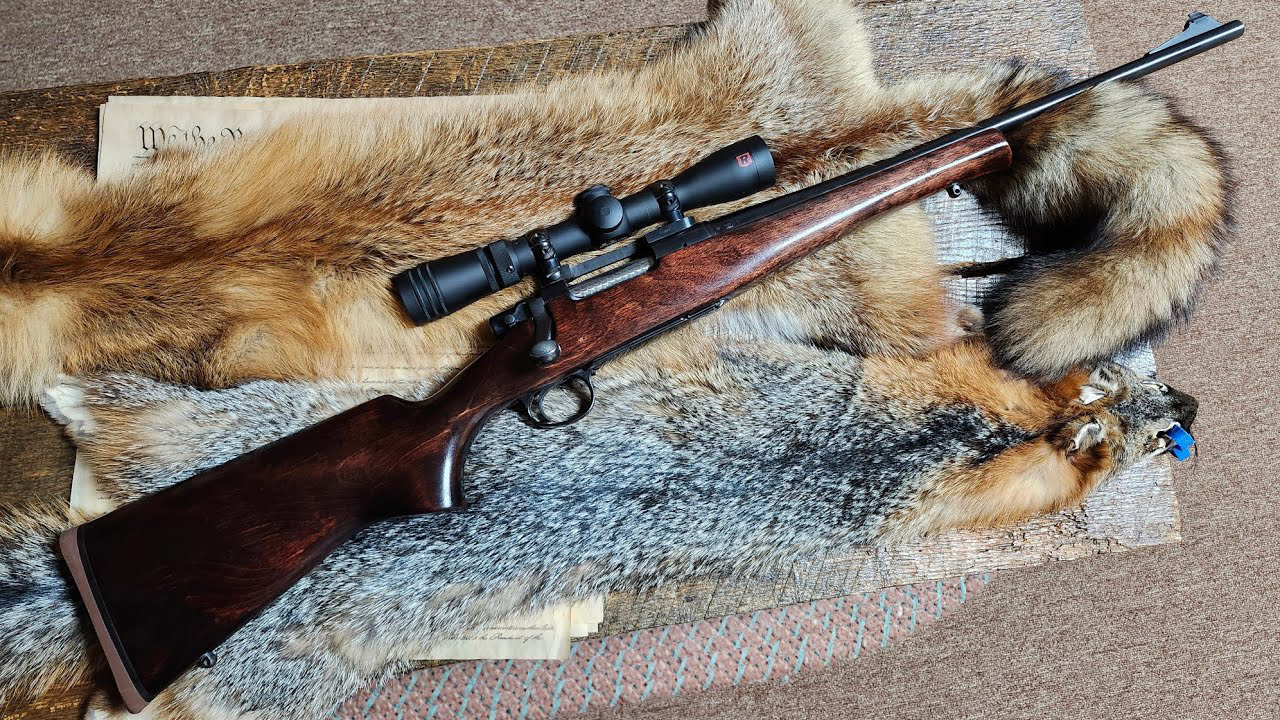
The Remington Model Seven didn’t always get the attention it deserved because it looked like a shortened Model 700. To some buyers, that made it seem like a niche compact rifle for smaller shooters or tight blinds, not something to stockpile. Hunters who carried one knew better.
The Model Seven is handy in a way many full-size rifles aren’t. It works beautifully in deer woods, box blinds, ladder stands, and thick cover where extra barrel length becomes annoying. Chamberings like 7mm-08 Remington, .243 Winchester, and .308 Winchester give it plenty of capability without making the rifle feel oversized. Once hunters realized compact rifles with real quality weren’t always easy to find, the Model Seven became much harder to casually trade away.
Ruger 77/44
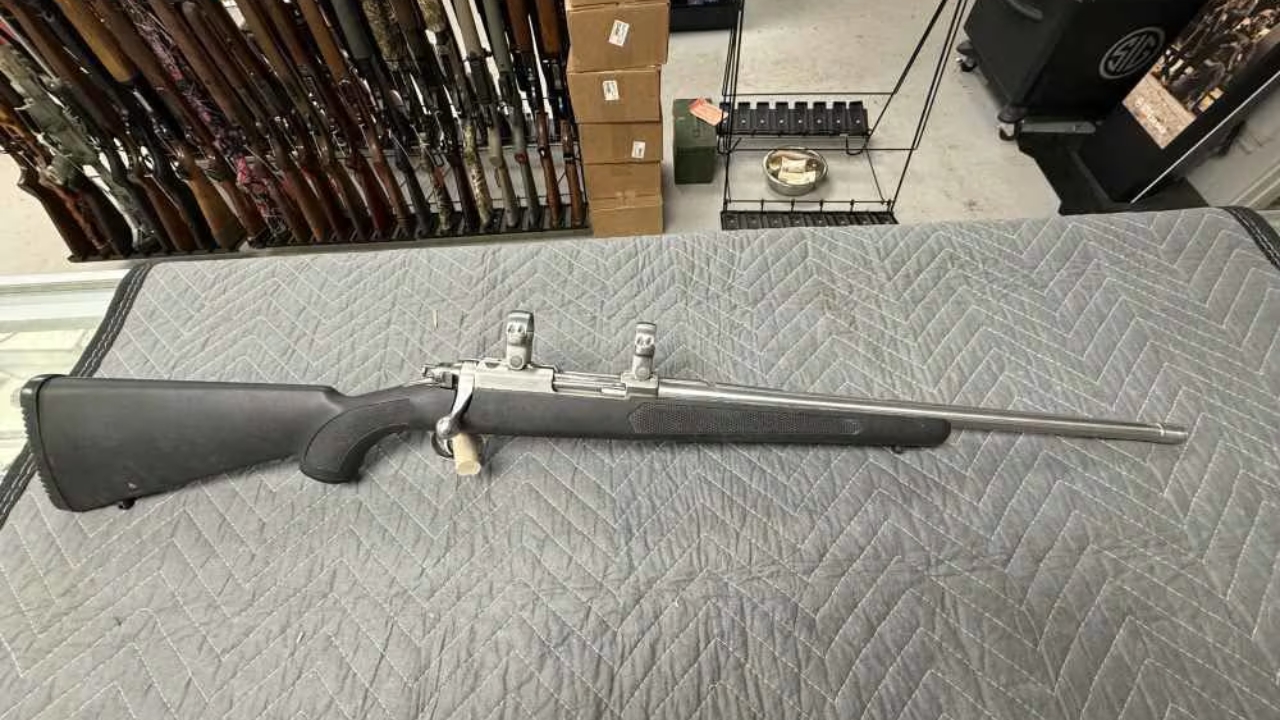
The Ruger 77/44 looked plain and maybe even odd to hunters who didn’t need one. A bolt-action .44 Magnum rifle doesn’t fit the standard deer-rifle mold, and plenty of people probably wondered why anyone would pick it over a lever gun or a flatter-shooting centerfire.
Then hunters in thick-cover and straight-range situations started appreciating the little rifle. It’s compact, simple, and useful for deer, hogs, and property work where legal and appropriate. The rotary magazine keeps it tidy, and the bolt action makes operation straightforward. It isn’t built for long shots, but that’s not the point. Once these rifles became harder to find, people who understood their role started hanging onto them. Plain became practical, and practical became desirable.
Tikka T3 Lite Stainless

The Tikka T3 Lite Stainless looked almost too plain when it first hit a lot of hunting racks. A synthetic stock, stainless metal, and simple lines didn’t make it stand out beside rifles with nicer wood or louder branding. Some hunters underestimated it because it didn’t look expensive.
Then they ran the bolt and shot it. The Tikka’s smooth action, clean trigger, light carry weight, and strong accuracy reputation made it one of those rifles hunters quietly trusted. The stainless version added weather resistance without turning the rifle into a heavy, clunky tool. It became a rifle people bought, kept, and recommended because it simply worked. Hunters started hoarding them because low-drama accuracy never stays overlooked forever.
Winchester Model 70 Classic Stainless
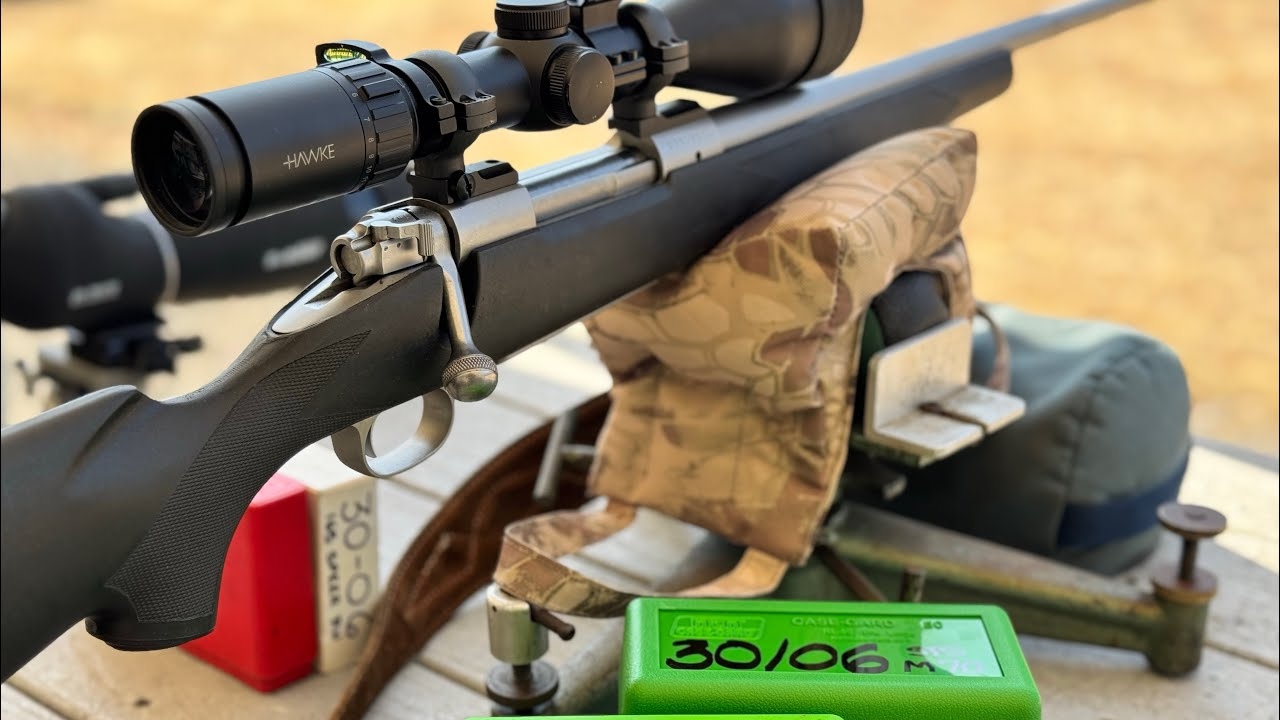
The Winchester Model 70 Classic Stainless didn’t look flashy. It looked like a practical stainless hunting rifle with a synthetic stock, built for weather and field use. At the time, plenty of hunters saw it as a good rifle, but not necessarily one they needed to grab before it disappeared.
That changed as controlled-round-feed Model 70 Classics became more appreciated. The three-position safety, strong extractor, and weather-ready build give the rifle real field confidence. It feels like a hunting tool made for hard conditions without feeling cheap. Clean examples in desirable chamberings are not the kind of rifles hunters let go easily now. It looked plain because it was practical. Then hunters realized practical Model 70s with that action weren’t something to take for granted.
Savage 99

The Savage 99 can look plain to someone who doesn’t understand what’s inside it. At a glance, it’s an old lever-action deer rifle. It doesn’t have the immediate cowboy look of a Winchester 94 or the modern profile of a bolt gun. That made it easy for casual buyers to overlook.
Hunters who knew the design understood why it mattered. The Model 99 offered lever-action speed with cartridge capability traditional tube-fed rifles couldn’t match, especially in rotary-magazine versions. Chamberings like .300 Savage, .250-3000 Savage, and .308 Winchester kept it practical for deer hunting. Good examples became harder to find, and condition matters more every year. Hunters started hoarding them because a good 99 isn’t simply another old rifle. It’s a clever design with real hunting value.
Browning A-Bolt Micro Hunter
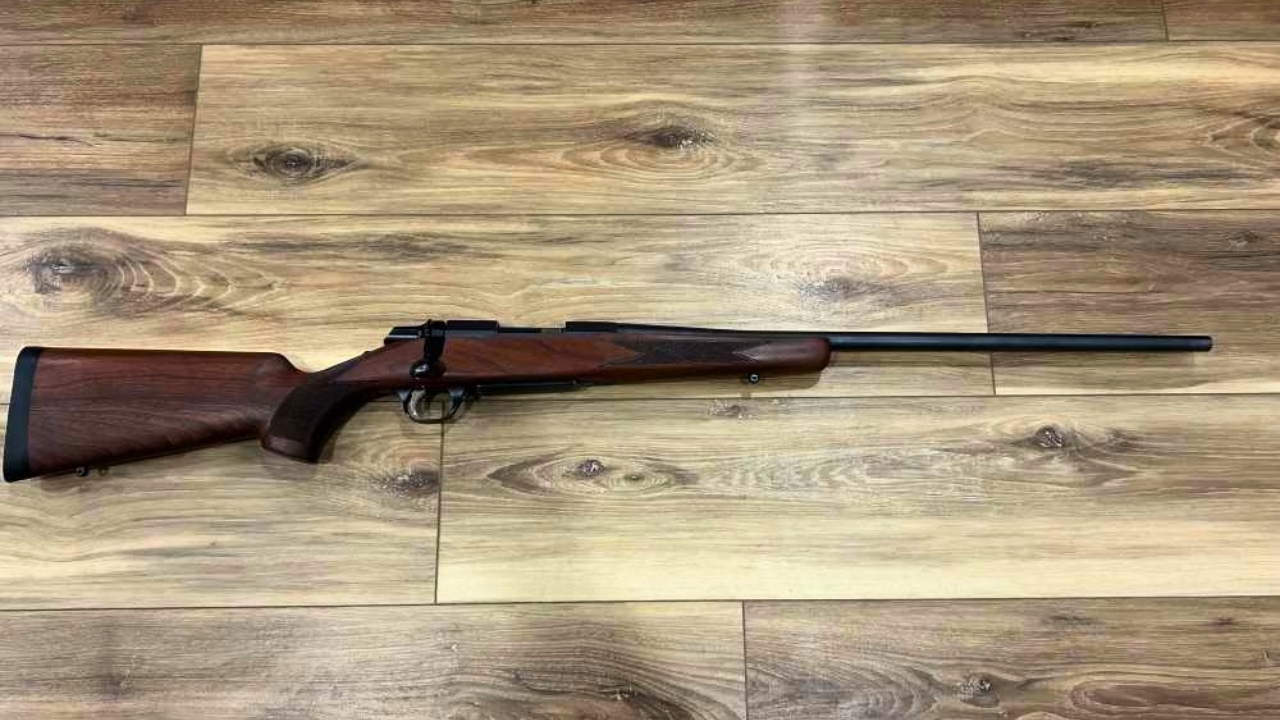
The Browning A-Bolt Micro Hunter looked plain because compact rifles often get dismissed as youth models or specialty tools. A lot of hunters passed them over if they didn’t immediately need a shorter rifle. Full-size rifles felt more standard, so the little Browning didn’t always get its due.
Now its appeal is obvious. The Micro Hunter has Browning’s smooth short-lift bolt, a practical magazine system, and a compact size that works well in blinds, thick timber, and for smaller-framed hunters. It doesn’t feel like a cheap starter rifle. It feels like a polished hunting rifle that happens to be handy. Hunters started keeping them because compact rifles with quality feel are not as common as they should be.
Howa 1500
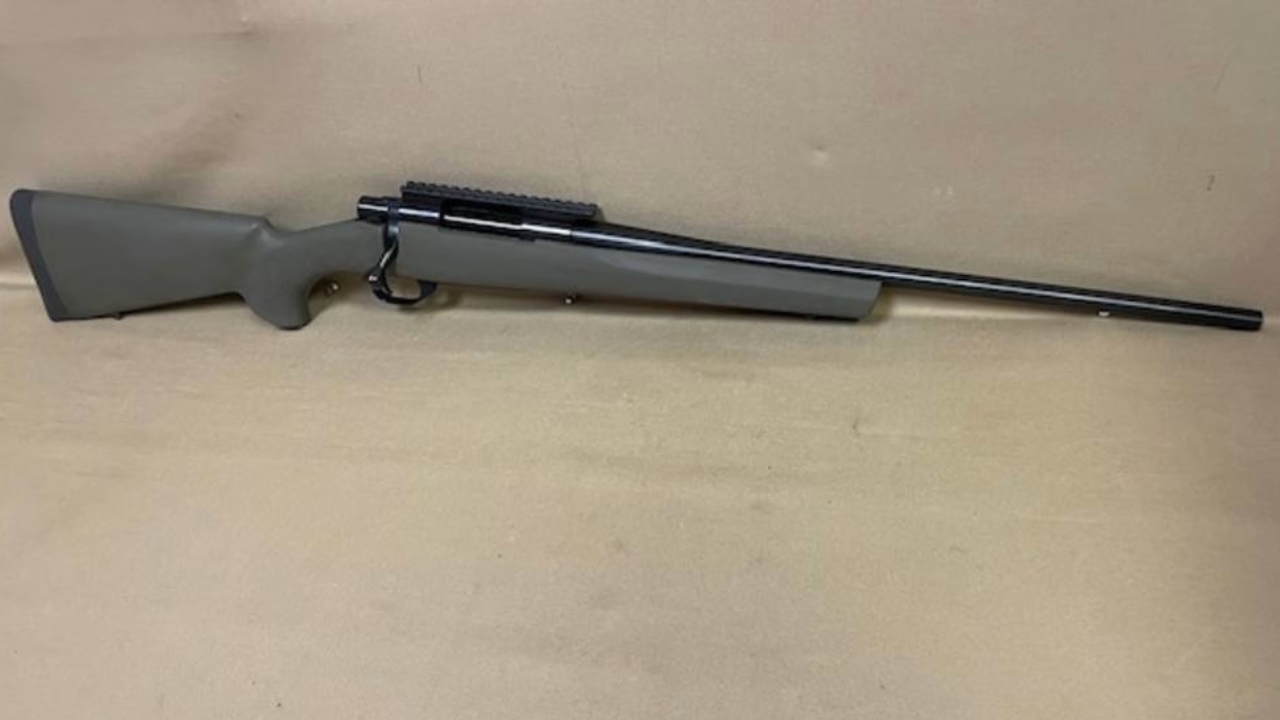
The Howa 1500 has always looked plain enough to be underestimated. It doesn’t carry the emotional pull of an old Winchester, Remington, or Browning, and many versions have practical synthetic or Hogue stocks that don’t exactly stop people in their tracks. It looks like a working rifle.
That’s what makes it worth keeping. The Howa action is strong, dependable, and known for good accuracy. The rifles often feel more solid than many budget competitors, even when the price stays reasonable. Hunters who bought them as practical tools often found they shot well and held up through real seasons. A plain rifle that keeps proving itself becomes the one hunters don’t want to sell. The Howa earned that status quietly.
Ruger American Ranch
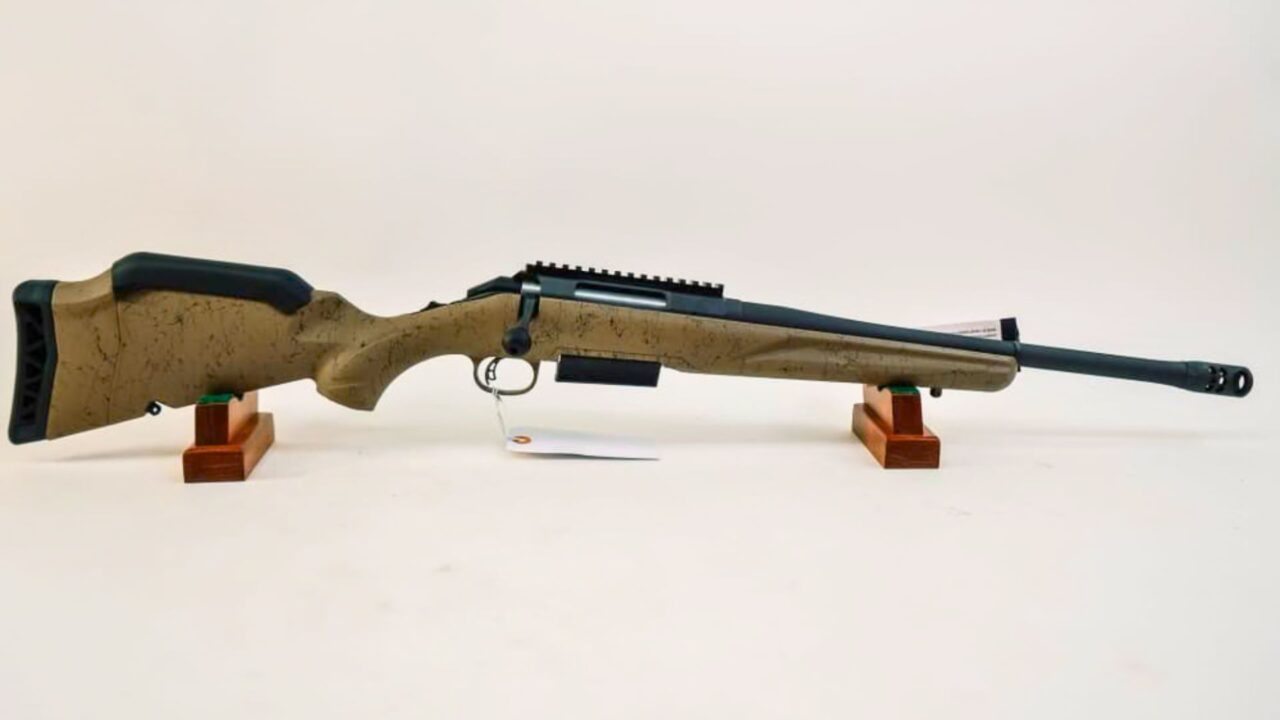
The Ruger American Ranch looked basic from the start. Short barrel, synthetic stock, simple finish, and a price that made it seem more like a utility rifle than something people would start chasing. It wasn’t pretty, but it was clearly useful.
That usefulness became the reason hunters and shooters started hanging onto them. In chamberings like .300 Blackout, 7.62×39, .450 Bushmaster, .350 Legend, and others depending on model, the Ranch filled practical roles for hogs, deer where legal, predators, suppressor use where legal, and property work. It is compact, threaded, and easy to carry. The stock is nothing fancy, but the rifle solves problems. Plain rifles that solve problems tend to disappear into people’s safes and stay there.
Remington 7600 Carbine

The Remington 7600 Carbine looked plain to hunters who didn’t grow up with pump rifles. It didn’t have bolt-action tradition or lever-action romance. It looked like a pump shotgun’s rifle cousin, and that made some buyers overlook it entirely.
In the right country, though, the 7600 Carbine is a very smart deer rifle. Hunters who run pump shotguns often find the action natural, especially in timber, deer drives, and quick-shot situations. The carbine length makes it handy, and chamberings like .308 Winchester, .30-06 Springfield, and others give it real capability. It is not a benchrest rifle, but it doesn’t need to be. Hunters started hoarding them because fast-handling woods rifles aren’t everywhere anymore.
Weatherby Vanguard Series 2
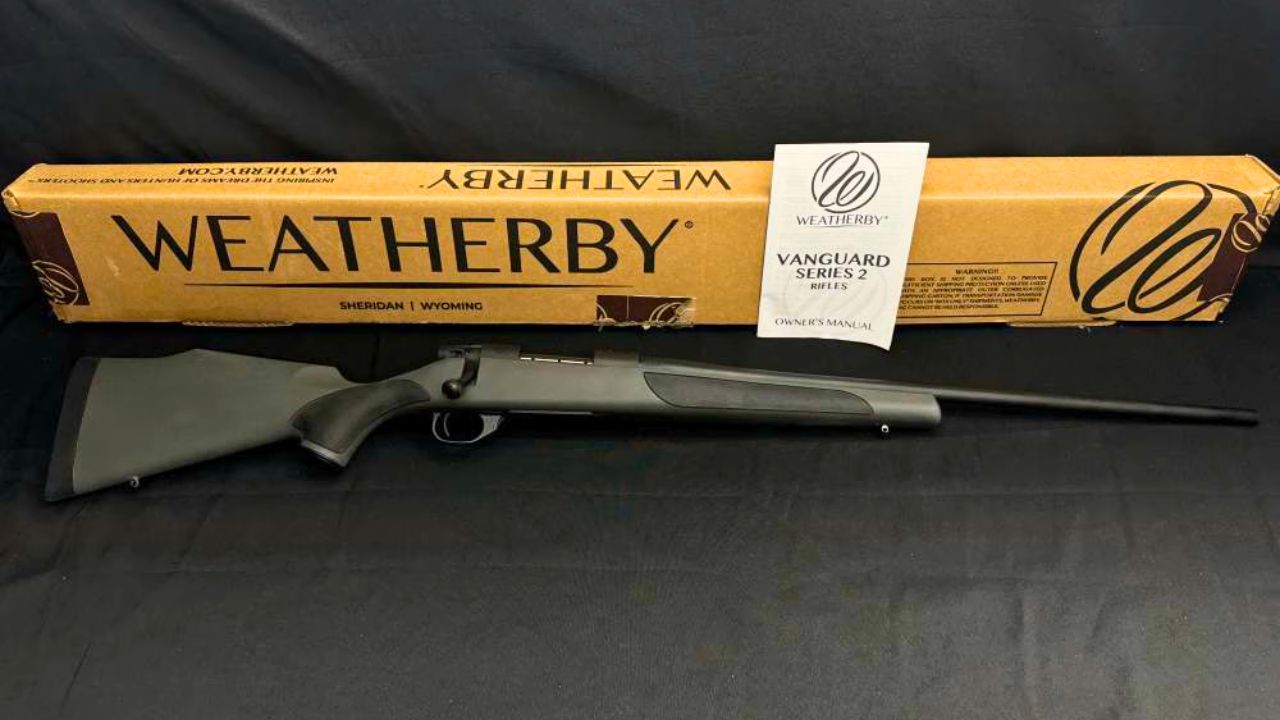
The Weatherby Vanguard Series 2 looked plain compared with the Mark V and Weatherby’s more glamorous rifles. In basic synthetic trim, it didn’t have much flash. It was the sensible Weatherby, which made it easy for some hunters to overlook while chasing lighter, prettier, or more expensive options.
That sensible design is why many owners kept them. The Howa-built action feels sturdy, the Series 2 trigger is good, and many rifles shoot extremely well. The Vanguard is not the lightest rifle in its class, but that extra weight helps with steadiness and recoil. Hunters who bought one for practical reasons often realized it was all the rifle they needed. Plain turned into dependable, and dependable rifles tend to get held back from the trade counter.
CZ 527 American
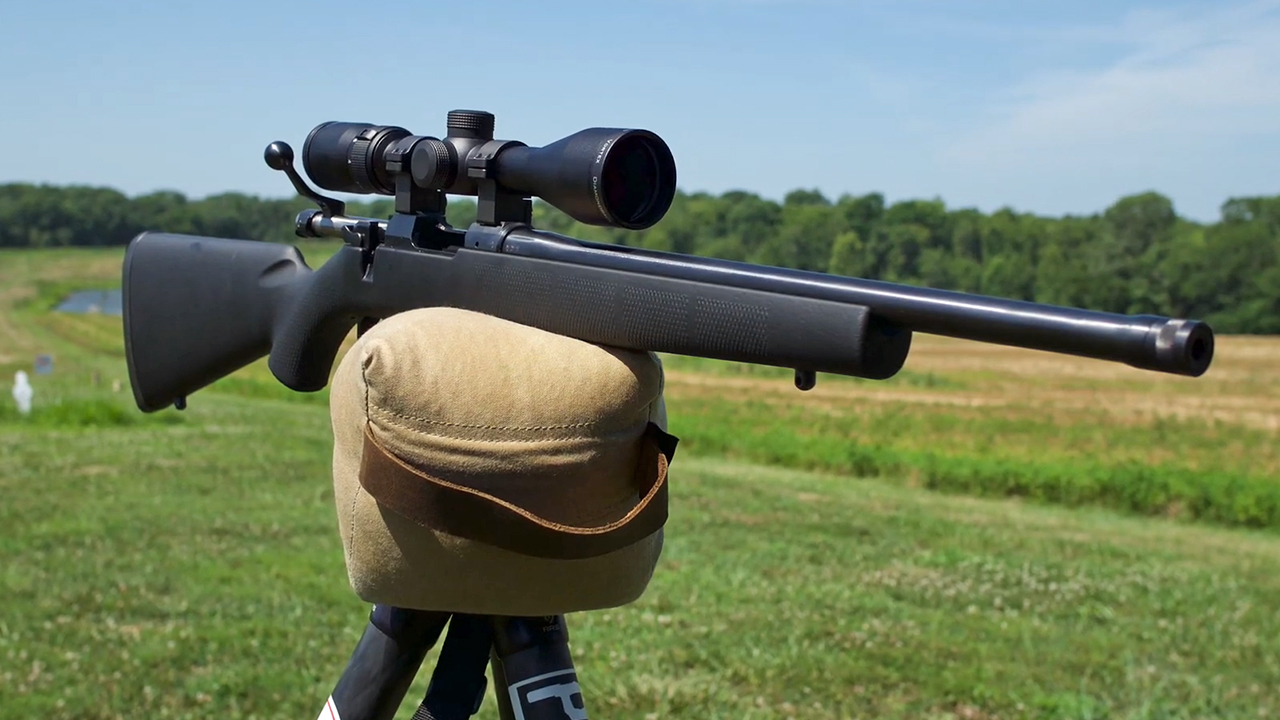
The CZ 527 American looked modest enough that some shooters didn’t fully appreciate it until later. It was a small bolt-action with a mini-Mauser-style action, detachable magazine, and chamberings that fit predators, varmints, and lighter field use. It wasn’t a standard big-game rifle, and it wasn’t an AR.
That odd little lane became its strength. The 527 American carried easily, shot well, and had more character than many rifles in its size class. Chamberings like .223 Remington, .204 Ruger, and 7.62×39 depending on version gave it real utility. Once discontinued, the rifles became more desirable because there simply aren’t many like them. Hunters and shooters who own good ones know that. That’s why they keep them.
Marlin 39A
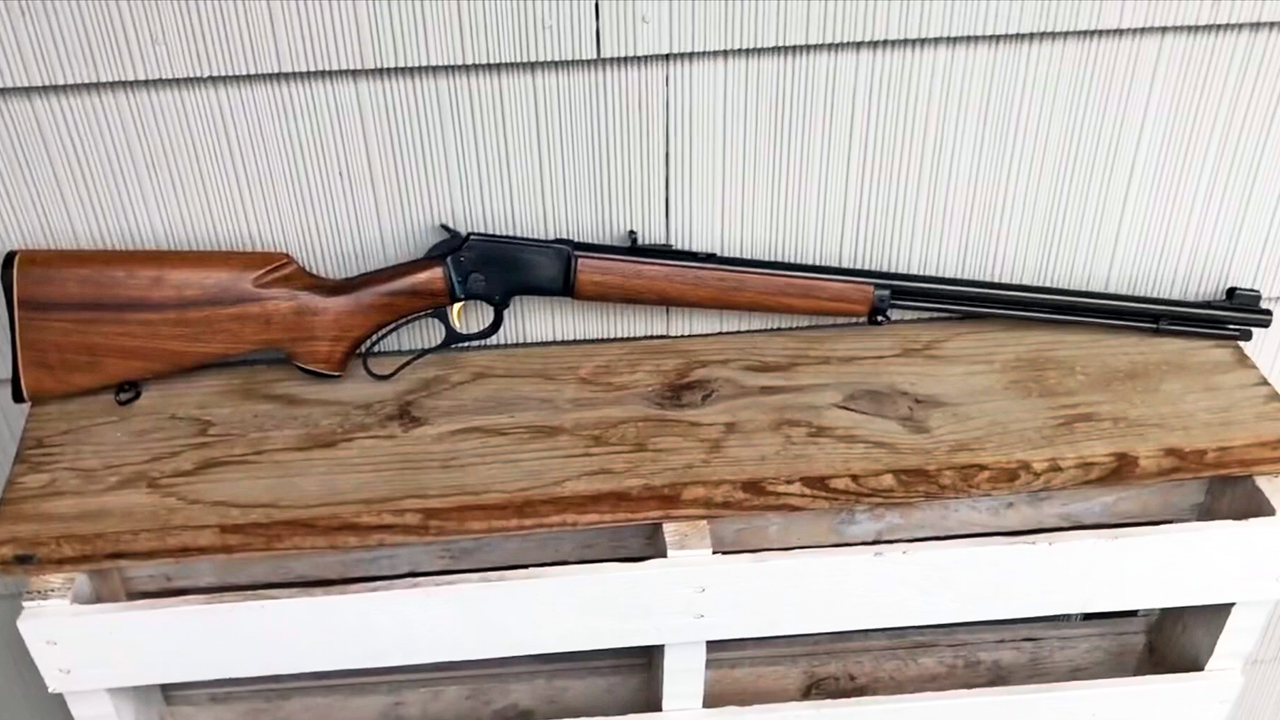
The Marlin 39A looked plain only because too many people take rimfires for granted. A lever-action .22 with walnut, steel, and takedown construction might not seem urgent to someone shopping for centerfire hunting rifles. But the hunters who grew up with good rimfires understood what the 39A offered.
It feels like a real rifle, not a disposable plinker. It works for small game, plinking, and teaching new shooters, but it also carries the kind of build quality people miss once it’s gone. Clean 39As are not something owners are quick to sell now. A good .22 gets used for decades, and the 39A is one of those rifles that can stay in a family forever. Plain rimfires don’t usually inspire hoarding. This one does.
Winchester XPR

The Winchester XPR may still look plain to some hunters, and that’s part of why it deserves mention. It doesn’t have the romance of the Model 70, and it doesn’t pretend to. It’s a modern bolt-action built around practical accuracy, a good trigger, and a price regular hunters can manage.
That kind of rifle gets underestimated until it starts filling tags. The XPR comes in configurations for basic deer hunting, bad weather, and longer-range setups. It isn’t a collector piece, but hunters who have one that shoots well often keep it because it works. Not every hoarded rifle is discontinued or rare. Some are kept because the owner knows selling it would only mean buying another practical rifle to do the same job.
Ruger M77 Hawkeye All-Weather

The Ruger M77 Hawkeye All-Weather looked like a straightforward stainless synthetic hunting rifle, which made it easy to miss how useful it really was. It didn’t have glossy walnut or ultralight marketing. It had controlled-round feed, stainless construction, and Ruger’s rugged personality.
That combination made hunters hang onto them. The Hawkeye All-Weather feels built for rain, cold, brush, and rough field use. It may not have the slickest bolt or lightest weight, but it inspires confidence when conditions get ugly. Hunters who value toughness know that rifles like this don’t always need to look exciting. They need to feed, fire, and hold up. Once one proves that, it rarely gets loaned, traded, or sold.
Like The Avid Outdoorsman’s content? Be sure to follow us.
Here’s more from us: