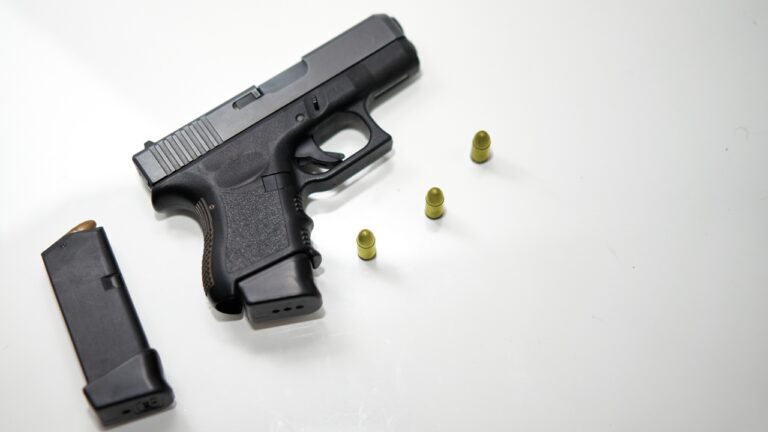
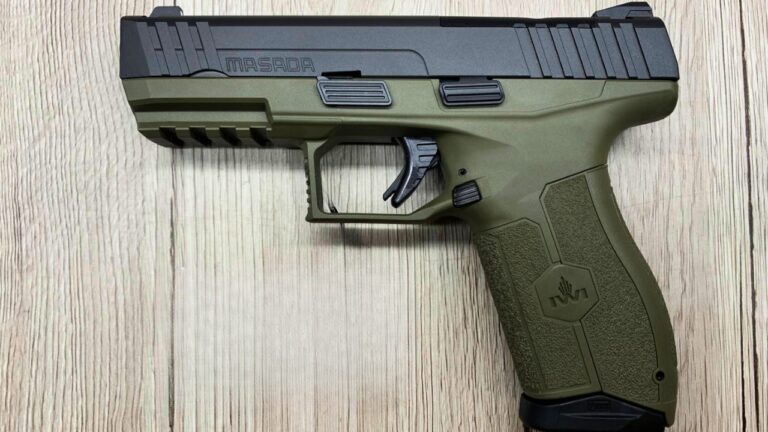
Photo credit: ThreeNailsArmory/GunBroker
The National Firearms Act landscape is about to split into two very different worlds for gun owners and dealers. Some of the most popular NFA items are moving to a zero‑dollar transfer tax, while others will still trigger the same $200 hit that has defined the law for generations. If you want to avoid expensive surprises in 2026, you need a clear map of which gear falls into each camp and how the new rules will actually work in practice.
From $200 to $0: How We Got Here
The shift toward a zero‑dollar tax on many NFA items did not appear out of thin air. It is the product of a political push to treat suppressors and short‑barreled firearms less like contraband and more like ordinary safety equipment, combined with a broader tax and regulatory package that folded NFA reform into a larger agenda. The Hearing Protection Act language that resurfaced as part of H.R. 1, branded as the “One Big Beautiful Bill,” framed silencers and related items as hearing‑safety tools and set the stage for eliminating the traditional tax burden on them.
Under that framework, you can now acquire suppressors and certain short‑barreled configurations without paying the historic $200 tax that once applied to every transfer. The Hearing Protection Act provisions, folded into the broader H.R. 1 package, specifically targeted “Changes for Suppressors and” short‑barreled rifles so that ordinary buyers could complete those transfers without the extra federal levy. That political decision is what underpins the new $0 reality for a large slice of the NFA universe, even as other categories remain fully taxed.
What The National Firearms Act Still Requires
Even with the tax break, you are not stepping outside The National Firearms Act when you buy a suppressor or a short‑barreled firearm. The NFA still governs the transfer and registration of these weapons, and the familiar paperwork, background checks, and wait times remain in place. The NFA Tax Stamp Rule Update makes clear that the statute continues to define which firearms fall under its umbrella and how Federal Firearms Licensees must document each transaction.
Historically, the NFA imposed a flat $200 tax on the transfer of any NFA firearm, with a reduced $5 rate for items classified as “any other weapon.” That baseline still matters because only some categories are being moved to a zero‑dollar rate. The rest of the NFA structure, from definitions to registration requirements, continues to operate as before, which means you must treat every covered firearm as a regulated item even when the tax itself has been cut to zero.
Which Items Actually Drop to $0
The headline change for you as a buyer is that the transfer tax for silencers, short‑barreled rifles, and short‑barreled shotguns is now set at zero. For decades, Americans who wanted to own suppressors or compact long guns had to budget for the hardware, the transfer fee, and the NFA tax stamp on top. Under the new regime, the Transfer Tax for Silencers Is Now $0, and the same treatment extends to SBRs and SBSs, which removes a major financial barrier for ordinary enthusiasts.
That shift is already reshaping how dealers market these products. Some shops are leaning into “Buy Now, Store With Us, File Later” style programs that previously helped customers “Save the Tax” by reserving a silencer or SBR while legislation was still pending. One retailer explicitly pitched “Reserve/purchase your silencer, SBR, or SBS now” under a campaign built around the Big Change: $200 NFA tax relief. With the law now in effect, those marketing hooks are becoming everyday reality, and you can plan purchases without adding a separate tax line for these specific items.
Machine Guns, Destructive Devices, And The $200 Holdouts
Not every NFA category is joining the zero‑dollar party. Machine guns and Destructive Devices remain fully regulated under the NFA, and the traditional tax burden still applies. Guidance for dealers stresses that Machine guns and Destructive Devices will continue to be subject to the same $200 excise tax for each transfer, because no legislation has been enacted yet to change their status.
That means if you are dealing with a transferable machine gun or a registered Destructive Device, you should still expect to pay the full $200 per transfer, just as you did before the recent reforms. The zero‑dollar tax applies selectively, not universally, and the law draws a hard line between items like suppressors and SBRs on one side and automatic weapons or explosive devices on the other. For collectors and dealers in those categories, the financial and compliance calculus remains largely unchanged.
Key Dates: On January 1, 2026 And Beyond
The timing of the change is as important as the categories it affects. The new tax structure is tied to a specific implementation window, with the federal National Firearms Act making and transfer taxes for certain items effectively going to zero at the start of 2026. One industry flyer bluntly framed it as “GOING… GOING… GONE,” warning that On January 1, 2026, the National Firearms Act (NFA) making and transfer taxes for covered items would be eliminated, while other categories would remain unchanged.
Compliance consultants have echoed that timeline, explaining that Beginning January 1, 2026, the NFA Tax Stamp Change will formally take effect for silencers, SBRs, and SBSs, while Destructive Devices (DDs) retain their existing tax obligations. For you, that means any Form 1 or Form 4 filed before the effective date is still tied to the old tax rules, and any application submitted after that date falls under the new zero‑dollar schedule for eligible items.
What President Trump’s Signature Actually Did
The legal trigger for the new tax regime was President Trump’s decision to sign the reform package that folded NFA changes into a broader legislative push. Industry counsel describe the shift bluntly: “The Short Answer” is that President Trump signed legislation that removed the NFA transfer tax for specific categories, creating a $0 Tax Reality and Legal Challenges Ahead for dealers and owners. His signature did not repeal the NFA itself, but it did rewrite how the tax component works for a large share of items.
That distinction matters. The reform is framed as NFA Tax Stamp Removal for certain firearms, not as a wholesale deregulation of silencers or short‑barreled weapons. You still need approved forms, background checks, and proper recordkeeping. What changed is that the Treasury is no longer collecting a check for those specific transfers, which is why legal advisers are now focused on helping FFLs navigate the evolving compliance requirements that remain in place even in a zero‑tax environment.
How ATF Paperwork Adapts To A $0 Stamp
Cutting the tax to zero does not eliminate the need for a tax stamp, it simply changes what that stamp represents. Practitioners expect the Bureau of Alcohol, Tobacco, Firearms and Explosives to adapt existing forms rather than invent an entirely new system. One detailed breakdown notes that there will likely be a specific notation or category for the Which $0 tax stamp will be labeled, since the agency still has to track the making or transfer even when no money changes hands.
Because there is no tax to be levied, the expectation is that the ATF will rely on existing tools like the ATF 5320.5, also known as ATF Form 5, for certain categories, while updating electronic systems to reflect a zero‑dollar payment field. The same analysis explains that “Since” there is no tax to collect, the focus shifts entirely to approval and registration rather than revenue. For you, that means the eForms process and trust documentation will still matter just as much as before, even if your credit card never gets charged for the stamp itself.
What FFLs Must Know Before The Rush
If you run a gun shop or serve as a Special Occupational Taxpayer, the new rules will hit your front counter long before they show up in a government audit. Compliance trainers are already urging licensees to prepare for a surge in demand as the 2026 changes approach. One advisory aimed at dealers, titled “2026 NFA Tax Stamp Changes: What FFLs Must Know,” walks through how FFL & SOT holders should update their intake procedures, inventory systems, and staff training to handle a wave of zero‑tax NFA transfers without cutting corners.
Those same materials emphasize that Destructive Devices and other fully taxed categories will still require careful handling, which is why the guidance pairs the $0 changes with reminders about ongoing obligations for Destructive Devices. You will need clear internal checklists that distinguish between items eligible for zero‑dollar stamps and those that still trigger a payment, along with updated point‑of‑sale scripts so staff can explain to customers why some NFA purchases are suddenly cheaper while others are not.
How The NFA Community Is Preparing
On the consumer side, the NFA community is already treating the transition as a major event. Enthusiasts have built centralized discussion hubs to track every twist in the rollout, from ATF form tweaks to dealer backlogs. One prominent online forum has created an Official Megathread for the $0 tax stamp transition that starts at the beginning of the year, where users trade tips on setting up their own trust for free and share real‑time experiences with eForms approvals.
Shops and legal services are responding in kind, offering webinars, checklists, and trust‑drafting tools tailored to the new environment. Some are packaging the change as part of broader “NFA Tax Stamp Removal” education, while others focus on practical steps like scheduling fingerprint appointments and organizing trust documents ahead of the rush. For you, the smartest move is to treat this as a one‑time opportunity to get your paperwork in order, understand exactly which NFA items now carry a $0 tax, and which still cost $200, before the first wave of 2026 applications tests every weak spot in the system.
Like The Avid Outdoorsman’s content? Be sure to follow us.
Here’s more from us: