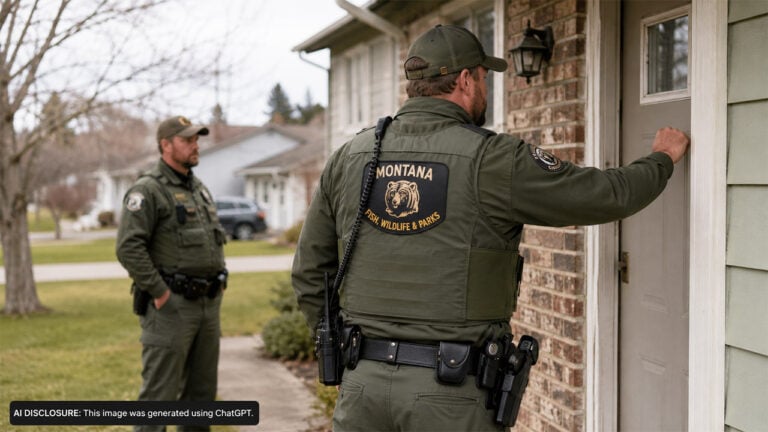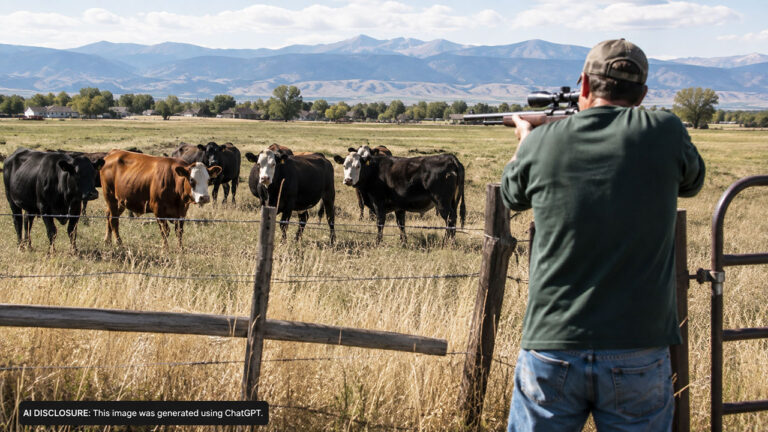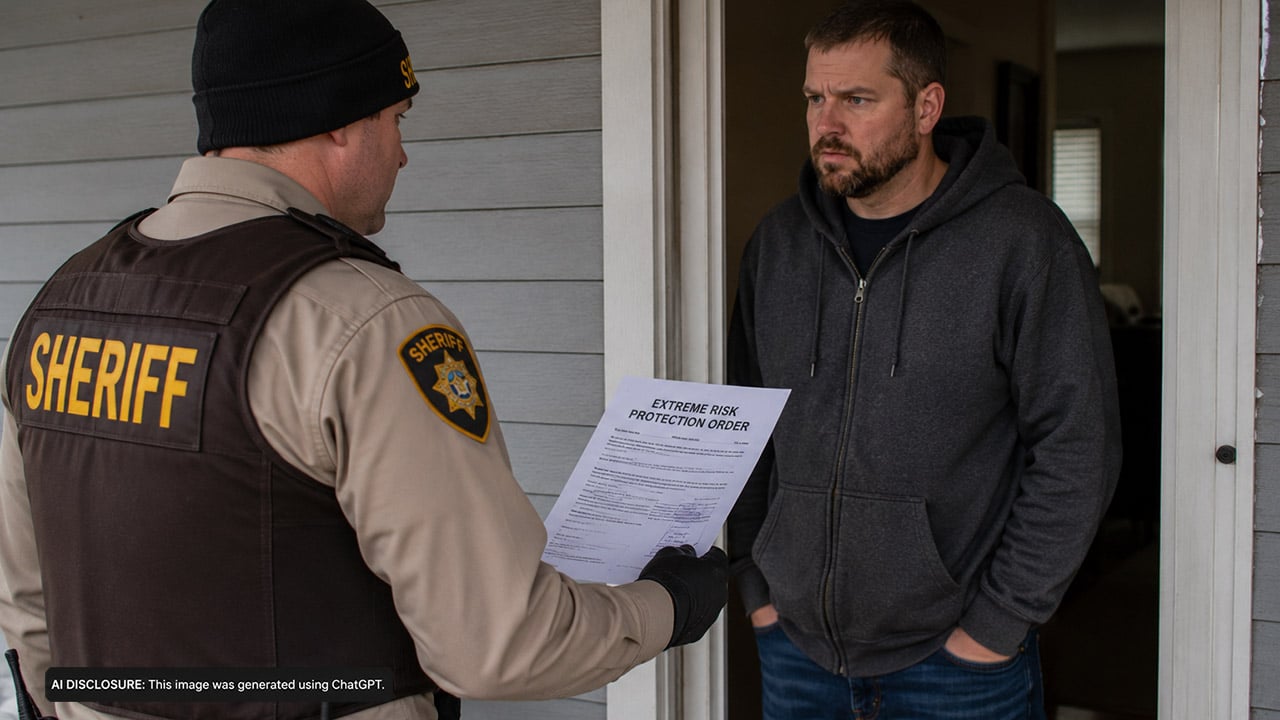
Photo credit: AI-generated image created using ChatGPT. Illustrative only
A lot of gun owners think an extreme risk protection order is something that happens “somewhere else,” to somebody doing something extreme. But one Minnesota gun owner says his started with a rough morning, a misunderstanding during a short walk, and a welfare check that quickly turned into an order requiring him to give up every firearm he owned.
The account is laid out in detail in the original post. The writer says he’s a veteran, has dealt with depression for years, and typically manages it on his own. That day, he says he broke down while holding his toddler, then ended up in a minor argument with his wife on the way to a quick grocery run.
A welfare check escalated fast once “guns” entered the conversation
In his telling, the turning point was simple: his wife didn’t know whether he had a carry gun on him when he walked away from the driveway. He says he intended to take a walk and cool off, but she didn’t hear him, the baby was crying, and she called 911 because she knew they “both usually carry” and wasn’t sure about that day.
He says he was gone only a few minutes and hadn’t made it even a tenth of a mile before returning. By the time he was back, he says multiple officers arrived quickly and directed him away from his property to talk. He opened up about feeling depressed, believing the response was meant to help, but says the questions quickly shifted toward trying to establish suicidal intent.
He says officers wrote down suicidal statements he insists he never made
The writer says he repeatedly denied being suicidal or having past attempts. He also says body camera footage he later obtained showed a supervisor contacting someone to see if an ERPO could be pursued, and that the first attempt stalled because there “wasn’t anything” to support it.
What changed, according to his account, was a single phrase. While he was in an ambulance and talking through the timeline, he told an officer he had “second thoughts” about grabbing his firearm before leaving—something he frames as choosing not to carry. He says the officer then told a supervisor, “he said he had second thoughts,” and shortly after asked if police could “take my guns for my own safety.”
He believed that meant temporary safekeeping while he was evaluated. Instead, he says he was placed on a transport hold despite wanting to go voluntarily, and the paperwork he was given described him as admitting he would take a gun and kill himself—language he says is flat-out false. In the emergency department, he says a doctor evaluated him and released him after about three hours, deeming him not appropriate for a longer hold.
The ERPO paperwork arrived that night, and the clock started ticking
He expected the discharge to clear things up. Instead, he says two officers served him ERPO paperwork around 9:30 p.m. the same day. The petition, he writes, was signed by a police chief who wasn’t on scene, and it had judicial approval to remove firearms while awaiting a hearing.
He specifically points to statements in the ERPO documentation asserting that he admitted to his wife and officers that he was suicidal and planned to use a gun to kill himself, and that he stated he was going to kill himself with a gun he possessed. He says he never made those statements. Still, he describes the process as “guilty until proven innocent,” and he hired an attorney even though it meant more expense.
For outdoorsmen and everyday carry folks, this is the part that matters on the ground: once you’re served, it’s not a debate in the driveway anymore. It becomes a compliance timeline, court dates, and property getting taken out of your safe—often before you’ve had a meaningful chance to challenge what’s written on the paperwork.
A virtual hearing turned into negotiation, and police ultimately dropped it
The writer says there was an initial hearing to get things scheduled, then a virtual “trial.” Minutes before it began, he says his attorney told him the department was willing to drop the case if they could hold the guns for six months. He says he refused and wanted the hearing.
According to his account, police witnesses were late by 10–15 minutes, and a sergeant who was supposed to testify did not appear. He describes the proceeding as unusual: the judge “wasn’t even able to speak,” and much of the time was spent with lawyers pulling people—including his wife—into private breakout rooms.
He says his wife was ready to testify and that they agreed the ERPO was uncalled for. After his wife spoke with the police attorney, the offer changed: the ERPO would be dismissed, but police would keep the firearms for three months. The writer says he questioned why they were pushing to retain them. In the end, he says the police side announced they were dropping the ERPO entirely.
The real-world cost wasn’t just money—his family felt it in daily life
Even with the ERPO dropped, he says the damage was done. He reports being without his firearms—and his wife being without hers—for about a month. That’s not theoretical in a state where folks carry to the gas station, to the grocery store, and on road trips, because trouble doesn’t send a calendar invite.
During that period, he says his wife was at Target with their toddler when two individuals “stalked” her in the store for around 30 minutes. Without a defensive option, he says she was rightly afraid, and the incident left lingering trauma. He also notes he lost his permit to carry due to the ordeal, though he says he is not barred from obtaining one again.
He describes paying unnecessary medical costs and legal fees, and he says several attorneys either didn’t respond or backed away once they understood the matter involved an ERPO. One lawyer, he says, told him police have immunity “when they do their job and they were wrong,” a line that clearly stuck with him.
Whether you’re a hunter with a safe full of season-specific guns or a family that keeps one pistol staged for home defense, being disarmed for weeks is more than inconvenience. It changes routes you take, where you’re willing to go, and how secure you feel doing normal life.
He says he has since reached out to the Minnesota Gun Owners Caucus with his case number and followed up, but hadn’t heard back at the time of his update.
What’s hard about stories like this is how ordinary the beginning sounds: a bad mental health morning, a tense exchange, a spouse trying to do the safe thing, and then a system that—right or wrong—moves with its own momentum once the words “gun” and “suicide” get written down. If you carry, hunt, or keep firearms for protection, the practical lesson is simple: a welfare check can become a legal fight in a hurry, and getting your rights and your property back may cost more than you think—even if the order is eventually dismissed.
Like The Avid Outdoorsman’s content? Subscribe to our newsletter so you never miss an article.
Here’s more from us: