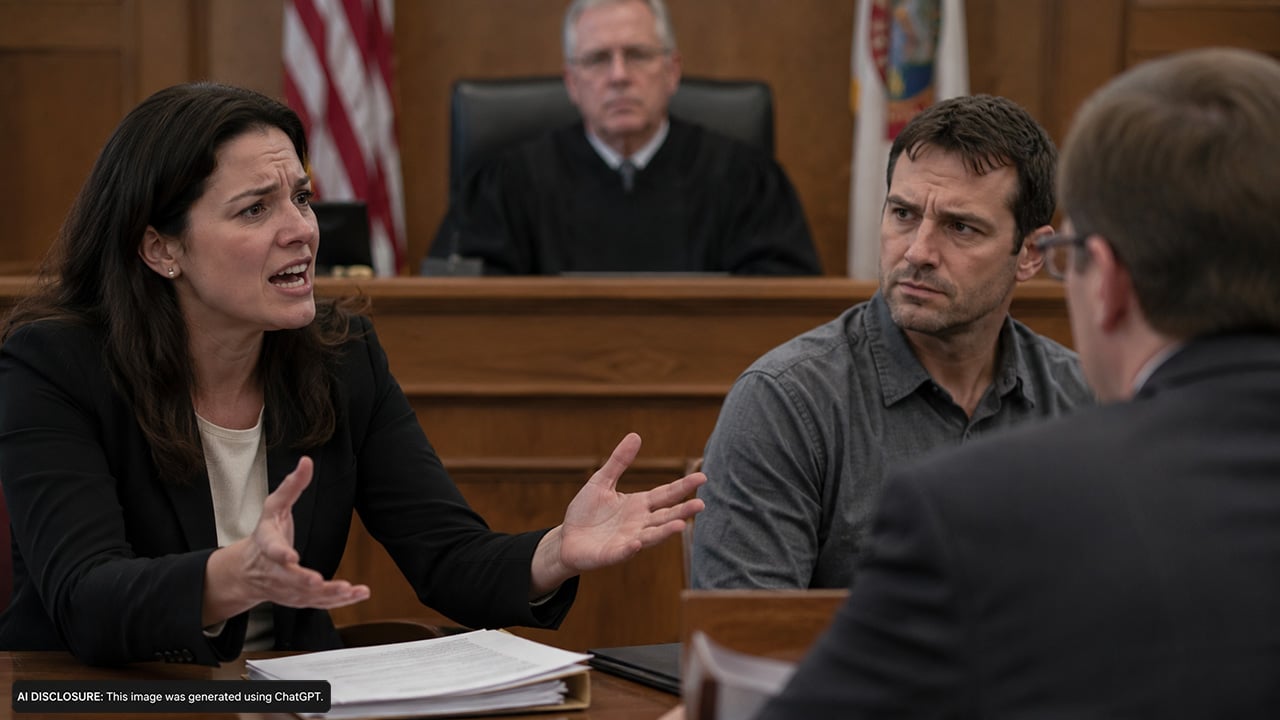
Photo credit: AI-generated image created using ChatGPT. Illustrative only
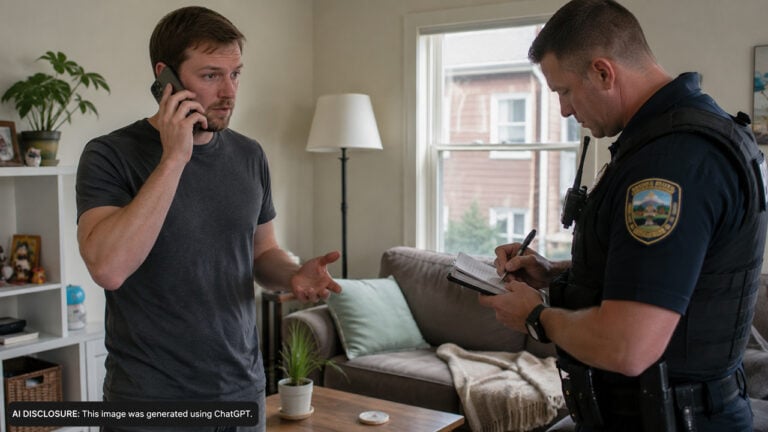
A Florida family is trying to solve a problem that a lot of gun-owning households don’t like to talk about until it’s staring them in the face: what happens when someone in the home is in crisis, and firearms are part of the picture. In the original post, a woman describes her sister’s husband as having a long run of serious mental health episodes and now aggressively demanding his guns back.
According to the account, the man had been “Baker Acted” three times over three years, had also voluntarily committed to a veterans hospital for mental health care, and was diagnosed with borderline personality disorder and bipolar disorder. The poster says he fled police from the hospital after telling a counselor he was suicidal and staff wanted to commit him. Later, she says, he received shock therapy, agreed to sell his firearms, and was issued locks by the VA—but she claims he never sold the guns or used the locks.
The firearms became the pressure point
The story takes a turn that will sound familiar to anyone who’s ever had to think about safe storage beyond “keep it locked up.” When he got out, the poster says “the first thing he demanded was his weapons,” and that he began harassing both her and her sister for them. She describes him as threatening to have her sister arrested if the guns aren’t turned over.
That’s where the outdoor-world reality sets in: even families that are pro-Second Amendment and comfortable around guns still need a plan for the rare moments when a person isn’t safe around themselves or others. When emotions are running hot, “just talk it out” isn’t a storage strategy.
A restraining order was the next move
The poster says her sister planned to seek a restraining order the next day. In plain terms, that’s often the first official step people think of when they’re scared someone is going to show up, make threats, or force a confrontation at the door.
But restraining orders can be very specific—or very limited—depending on what a judge signs and what’s properly requested. Some orders include firearm surrender or firearm possession restrictions. Others don’t, especially if the paperwork isn’t asking for it clearly or the facts presented don’t meet the standard. For families in this kind of spot, it matters what the order says in black and white, not what everyone assumes it “should” do.
“It’s his property” collides with “we’re frightened”
The most hard-edged detail in the post is this: the family believes he’s unstable and potentially dangerous, but the guns are still described as his property. That’s a common collision in domestic situations—people want to prevent access, but they’re also afraid of getting in trouble for withholding something that legally belongs to another adult.
From a gun-owner’s perspective, there’s a clean principle here and a messy reality. The clean principle is property rights. The messy reality is that firearms aren’t like a toolbox or a television; when someone is in a suicidal or violent frame of mind, access changes the stakes fast.
The poster says they’re “a little frightened by him,” and that he has already been thinking about showing up to claim the guns. That’s the kind of detail that makes it less about legal theory and more about front-porch safety—who is home, what time he comes, whether a confrontation turns physical, and whether someone makes a panicked decision.
What people usually focus on in situations like this
Even without a full comment thread included, the typical focus in these cases is pretty consistent: don’t handle it privately if you can avoid it, and don’t create a new legal problem while trying to solve a safety problem. The big mistake families make is trying to “manage” the gun transfer themselves when the other person is already escalating with threats.
If someone is threatening to show up, the practical priority is reducing the chance of a face-to-face argument around firearms. That usually means working through the court process, asking specifically about firearm-related restrictions in the protective order, and leaning on law enforcement for civil standby if property exchange becomes unavoidable. The goal isn’t to win an argument; it’s to avoid a driveway showdown where somebody gets hurt.
The practical options that tend to matter most
The post mentions several factors that can matter in Florida: prior Baker Acts, reported suicidal statements, and a restraining order request. Those elements often determine what tools are on the table and how quickly they work.
One tool is making sure the restraining order request is detailed and specific. If someone wants the court to restrict gun possession or require surrender, it usually has to be raised clearly, not hinted at. Another tool is documentation—dates of prior holds, any discharge paperwork that can be shared with an attorney, and any written threats. Judges don’t run on gut feelings; they run on what’s presented and what meets the standard.
Another practical move is separating “possession” from “ownership.” Even when a person owns guns, a court can sometimes restrict their possession under certain orders. That doesn’t mean the family gets to keep the guns indefinitely on their own terms, but it may mean the guns are handled through proper channels rather than handed over at the kitchen table.
And if the fear is immediate—if he’s actively threatening to show up—then safety planning matters as much as paperwork. That includes not meeting him alone, not opening the door to argue, and calling for help if he appears. Nobody should be trying to play deputy with a person they believe is in a mental health crisis.
What this means for gun-owning families
Most of us grew up hearing, “Keep your hands off another man’s guns.” That’s a solid rule in normal times. But when you’re dealing with repeated involuntary holds, suicidal statements, and threats at home, normal times are over.
The best takeaway for outdoorsmen and gun owners is to think ahead—long before a crisis. Store firearms in a way that doesn’t depend on everyone always acting rationally. Know what your state’s protective order process can and can’t do. And if a family member is in a spiral, don’t let the first real plan be a tense handoff in the driveway.
In this situation, the family’s fear isn’t abstract—they’re worried he’ll show up for the guns. When that’s the concern, the safest path is usually the boring one: court orders that are specific, documentation that’s clean, and law enforcement involvement when property and safety collide.
Like The Avid Outdoorsman’s content? Subscribe to our newsletter so you never miss an article.
Here’s more from us: