Photo credit: all4shooters English/YouTube
Some handgun failures are caused by bad magazines, weak ammo, poor maintenance, bad grip, worn springs, or a pistol that was never tested with the loads someone planned to carry. That matters because no model should get blamed for every problem a shooter creates. A reliable gun can still fail if you feed it junk, limp-wrist it, ignore magazines, or carry it filthy for years.
But some handguns have earned a shakier reputation than others once people tried to trust them for serious use. Maybe they were picky, underbuilt, too small for the cartridge, too experimental, or built around a design that did not forgive neglect. These are the handguns that make buyers think twice when the question is not “Is it interesting?” but “Would I bet on it when things go bad?”
Remington R51
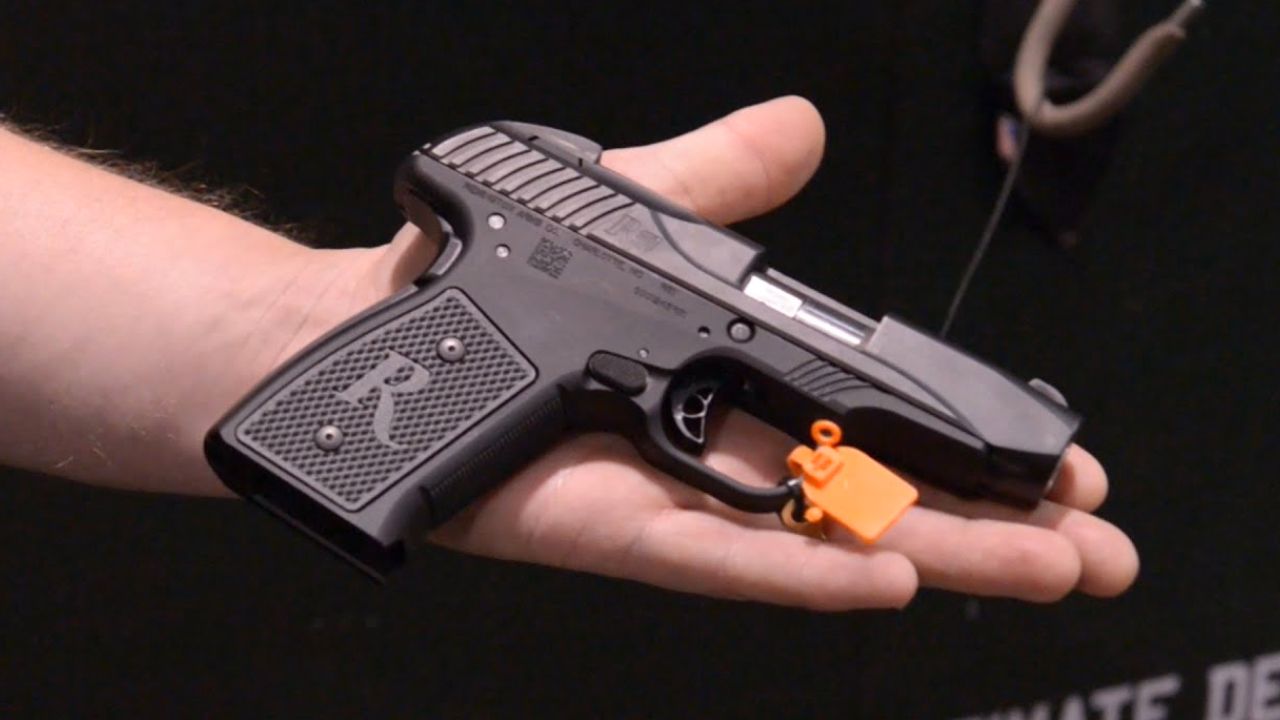
The Remington R51 had a lot going for it on paper. It was slim, different, and built around a historic design idea that sounded like it could make a compact carry pistol softer and easier to manage.
Then real-world confidence fell apart fast. Early reliability complaints, rough function, and a troubled launch made it hard for many shooters to trust. Defensive pistols do not get much grace when they stumble out of the gate. Even if later examples ran better, the R51 never fully escaped the feeling that you were gambling when better-proven carry guns were sitting beside it.
Kimber Solo

The Kimber Solo looked like a premium little carry gun, which made the disappointment hit harder. It was sleek, compact, and carried the kind of polished image that made buyers expect refined performance.
Small 9mm pistols are already demanding, and the Solo developed a reputation for being picky. Ammo sensitivity is not something you want in a defensive gun. A carry pistol should not make you wonder which load, magazine, or grip pressure it will tolerate that day. Some owners had good luck, but too many found the Solo less reassuring than its price and appearance suggested.
Taurus Curve
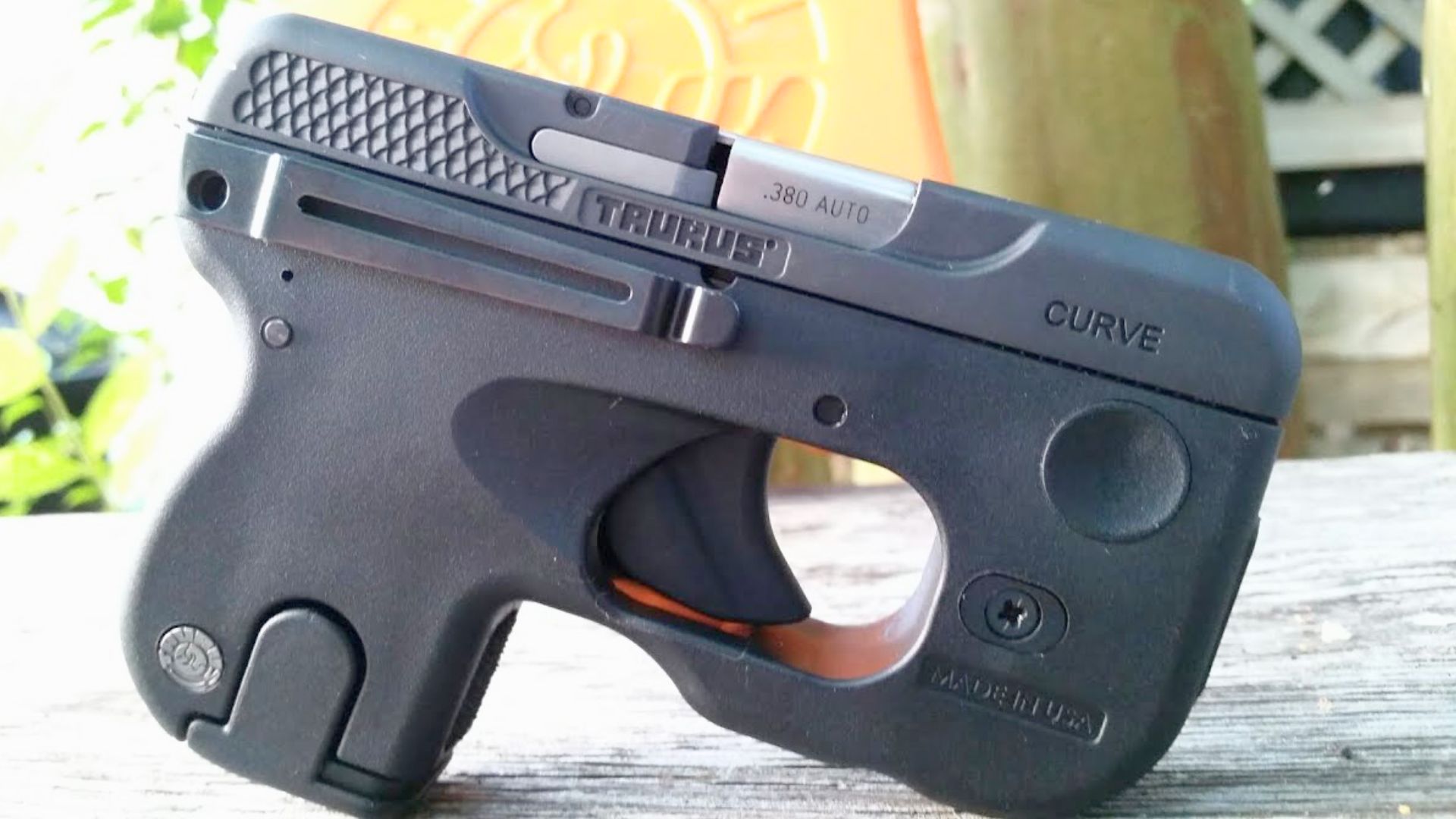
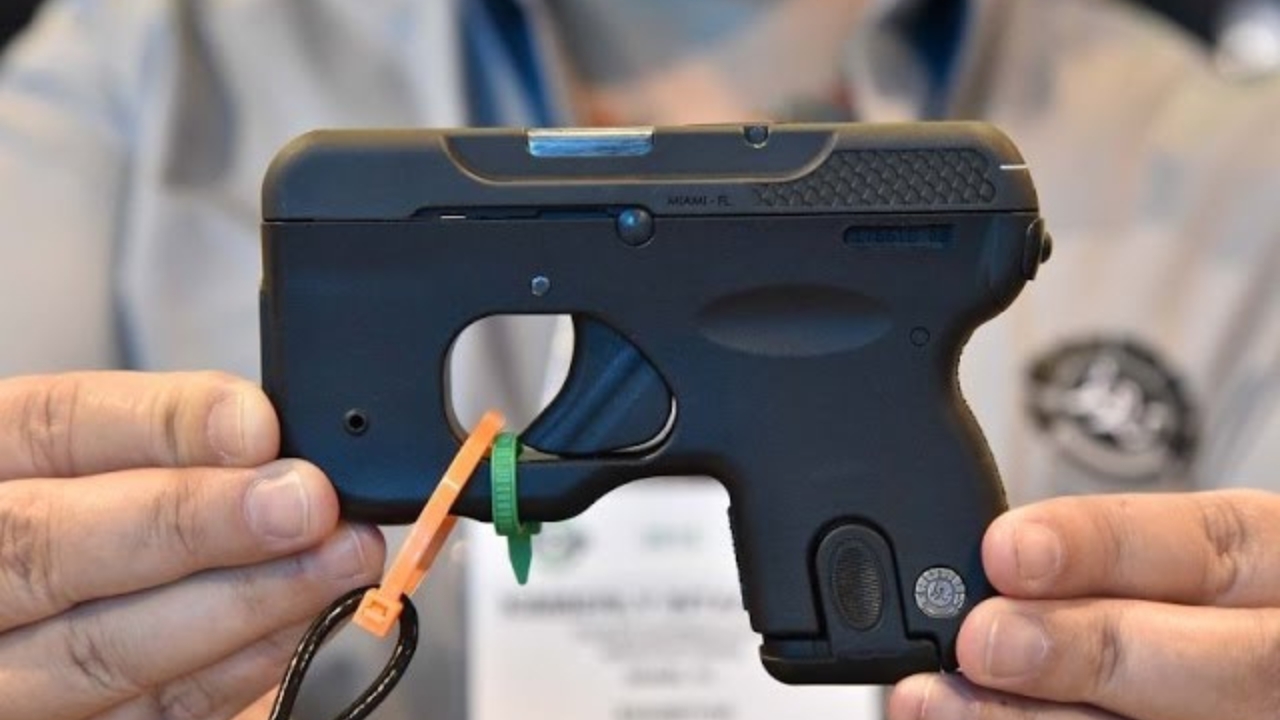
The Taurus Curve was one of those pistols that made people curious before they made up their minds. The curved frame, built-in light and laser, and pocket-carry angle all sounded like a fresh answer to concealment.
The problem is that clever does not always mean dependable under pressure. The unusual shape, limited sighting setup, and odd handling made it feel more like a concept gun than a serious fighting pistol. When stress is high, you want familiar controls and a clean presentation. The Curve asked shooters to trust a design that never felt natural enough for that job.
SIG Sauer P365 SAS

The SIG Sauer P365 SAS came from a very successful pistol family, so buyers expected a slick deep-carry upgrade. The snag-free idea made sense, and the smooth profile seemed useful for people who wanted maximum concealment.
The concern is not that the pistol cannot run. The concern is that its sighting system can be harder for many shooters to use quickly. If you struggle to find the sights under speed, low light, or awkward body position, that matters. A defensive handgun needs to help you solve problems fast. For many people, the regular P365 is easier to trust.
Walther CCP
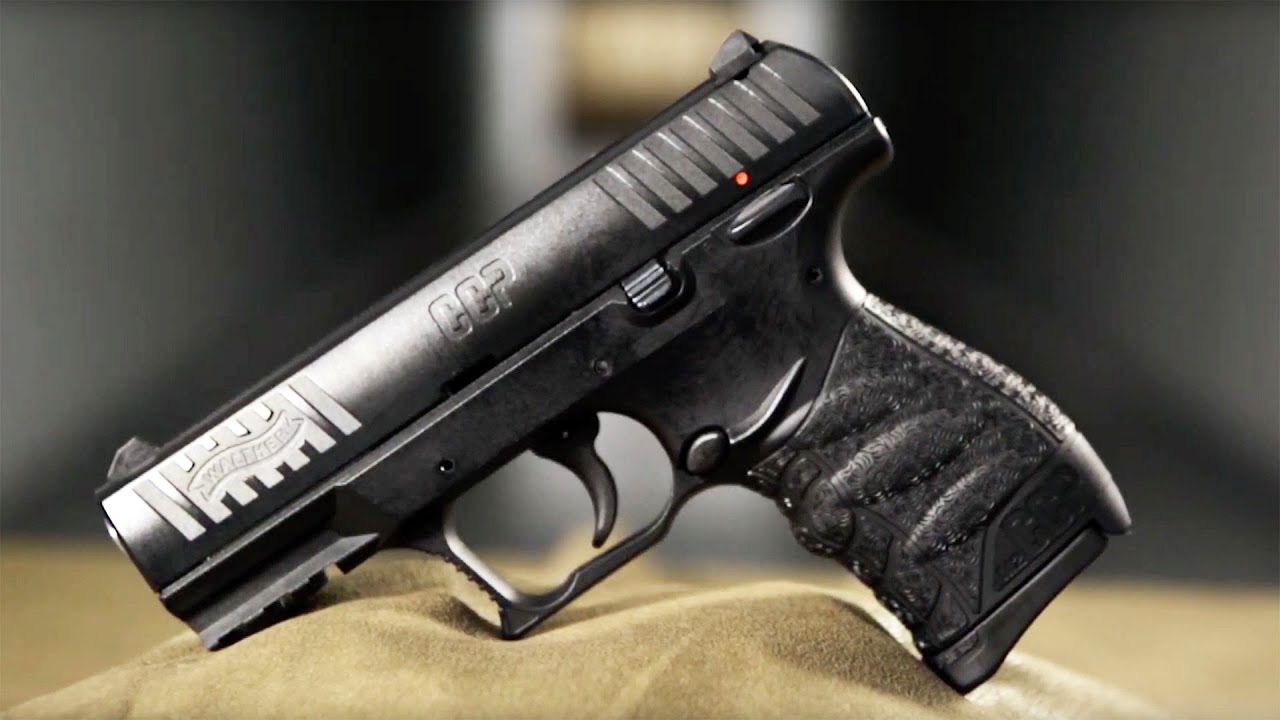
The Walther CCP had a good promise: softer recoil and an easier slide for shooters who did not like stiff compact pistols. That gave it a real audience, especially among people shopping for a manageable defensive handgun.
But the CCP also brought complaints that made some owners question it. Early takedown issues, heat buildup, and mixed confidence compared with simpler pistols hurt its reputation. A carry gun needs to feel easy before, during, and after shooting. If the ownership experience feels fussy, many shooters will eventually reach for something more straightforward.
Springfield Armory XD-S .45 ACP
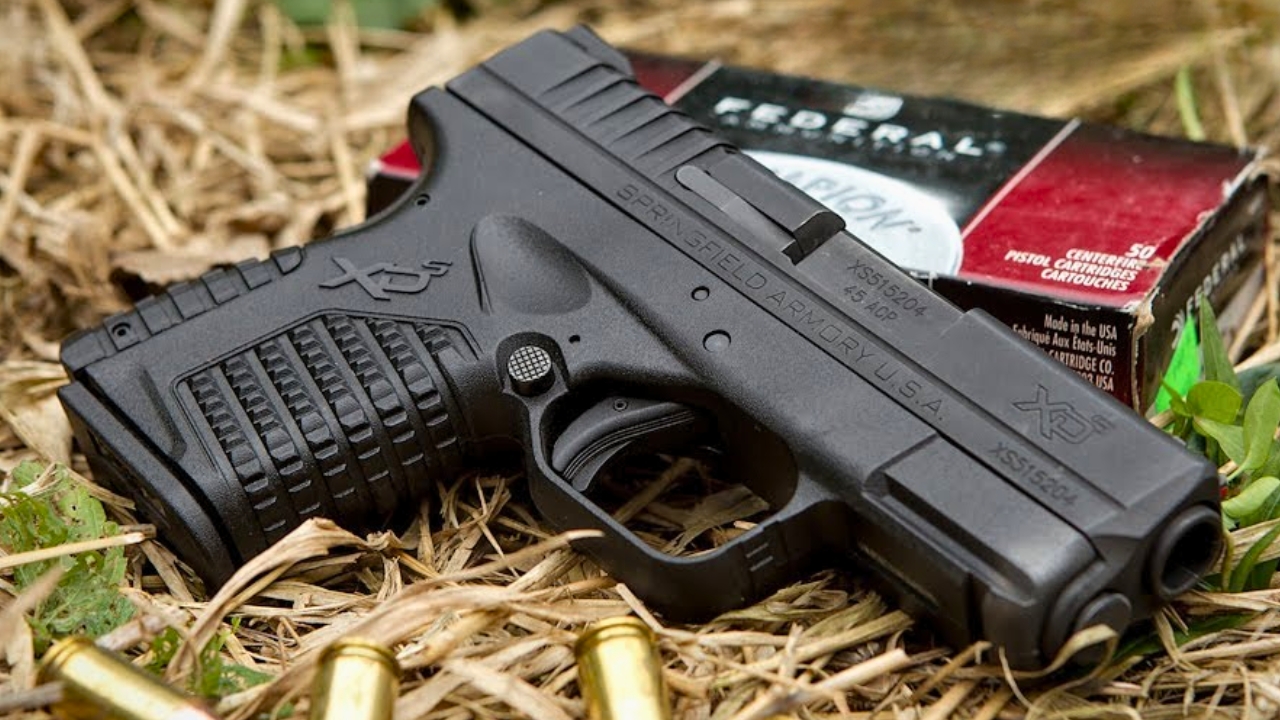
The Springfield XD-S in .45 ACP sounded serious because it packed a big cartridge into a slim carry pistol. That idea appealed to shooters who wanted more power without carrying a full-size gun.
In practice, tiny .45s can be hard to run well. Sharp recoil, limited capacity, and slower follow-up shots all matter when stress rises. The XD-S can work, but it asks more from the shooter than many buyers expect. A pistol that is unpleasant to practice with often gets less practice, and that alone can make it a weaker choice when you need performance.
Glock 44

The Glock 44 should have been an easy win. A Glock-style .22 trainer made sense for cheap practice, familiar handling, and new shooters. Expectations were high because Glock’s centerfire pistols had already built such a strong reliability image.
Rimfire is its own problem, though, and the Glock 44 did not earn the same universal confidence. Some shooters dealt with ammunition sensitivity and function complaints, which is not shocking for a .22 but still disappointing under the Glock name. It is fine as a trainer or plinker when tested with the right ammo. It is not the handgun you want to confuse with a centerfire defensive standard.
KelTec PF-9
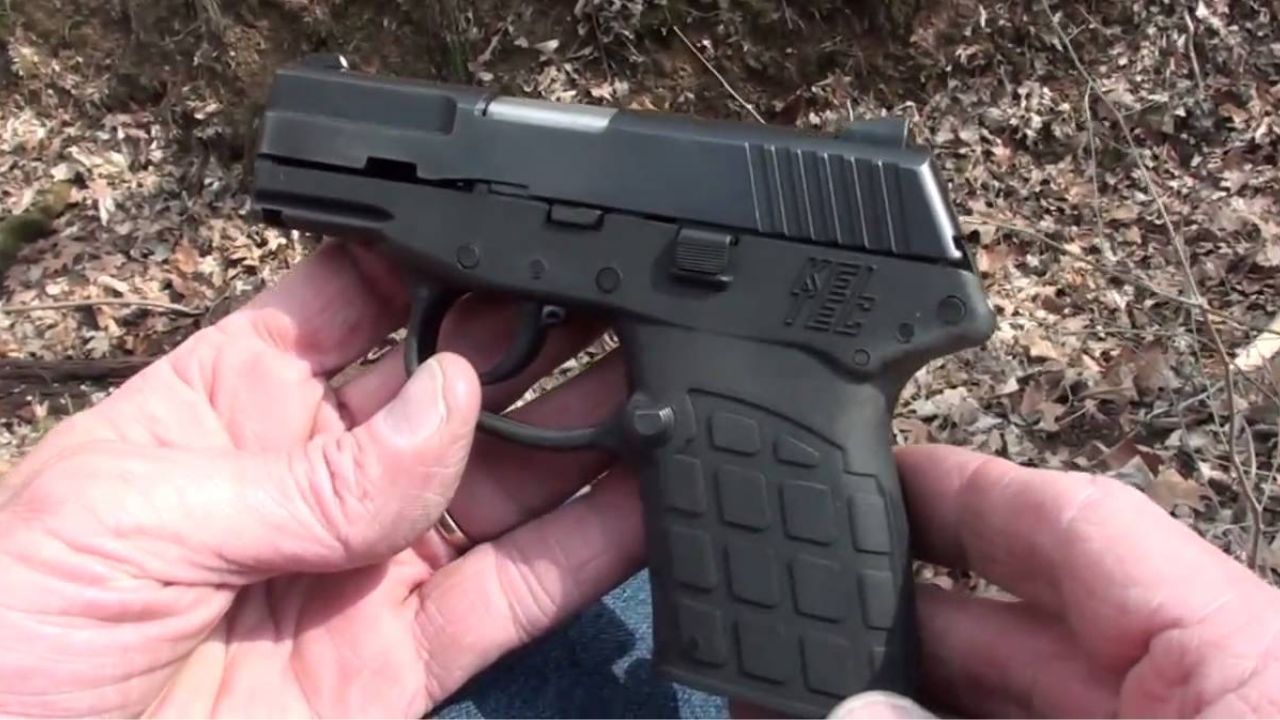
The KelTec PF-9 became popular because it was thin, light, and affordable at a time when small 9mm carry guns were not as common as they are now. It filled a real need for people who wanted budget concealment.
That same size and price point brought tradeoffs. The PF-9 can be snappy, rough-feeling, and less forgiving than larger pistols. Some examples run, some owners trust them, but it is not a gun that leaves much margin. When a pistol is hard to shoot well and not especially confidence-inspiring, many buyers eventually move on.
Diamondback DB9
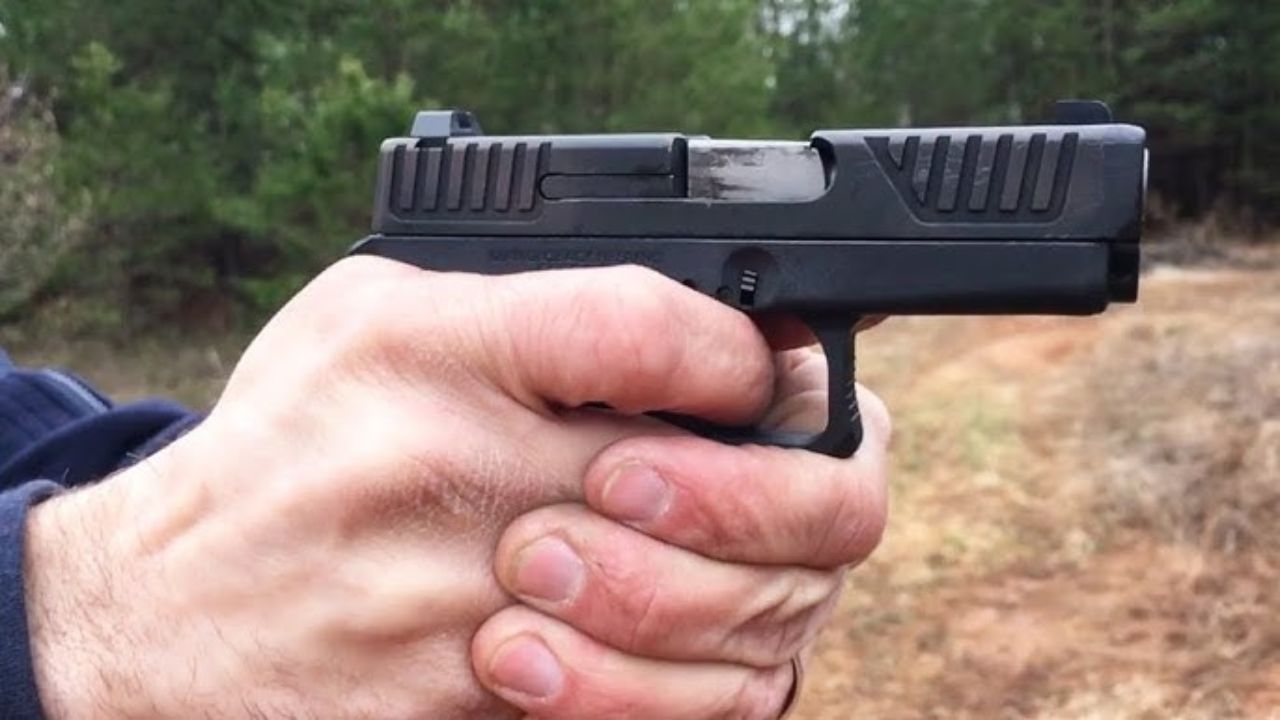
The Diamondback DB9 appealed to people who wanted a very small 9mm before micro-compacts became as refined as they are now. It was tiny, light, and easy to conceal, which made it attractive for deep carry.
The problem is that very small 9mm pistols put a lot of stress into a small package. Recoil is sharp, grip control matters, and reliability can depend heavily on ammo and shooter input. The DB9 has had enough mixed reports over the years that many shooters would rather carry something with more weight, more grip, and a stronger track record.
AMT Backup

The AMT Backup has the kind of old pocket-gun appeal that can tempt buyers who like stainless pistols and oddball carry pieces. It looks tough, compact, and simple in a way that makes it interesting.
Real trust is a different question. Many old pocket autos were heavy for their size, rough in operation, and not always confidence-inspiring with modern defensive expectations. The Backup can have stiff controls, heavy trigger feel, and spotty reliability depending on the individual gun. It is more interesting as a range curiosity than as something most shooters should bet their safety on.
Jennings J-22

The Jennings J-22 is one of those pistols people bought because it was cheap and small. For someone who wanted any handgun at a low price, it filled that slot. That does not make it a good defensive choice.
Cheap rimfire pocket pistols are about the last place you want to look for serious reliability. The J-22 has a long reputation for poor durability, questionable function, and the usual rimfire ignition concerns. Even when one works, the caliber and platform leave little confidence. It is the kind of gun that proves “better than nothing” can still be a very low standard.
Raven MP-25
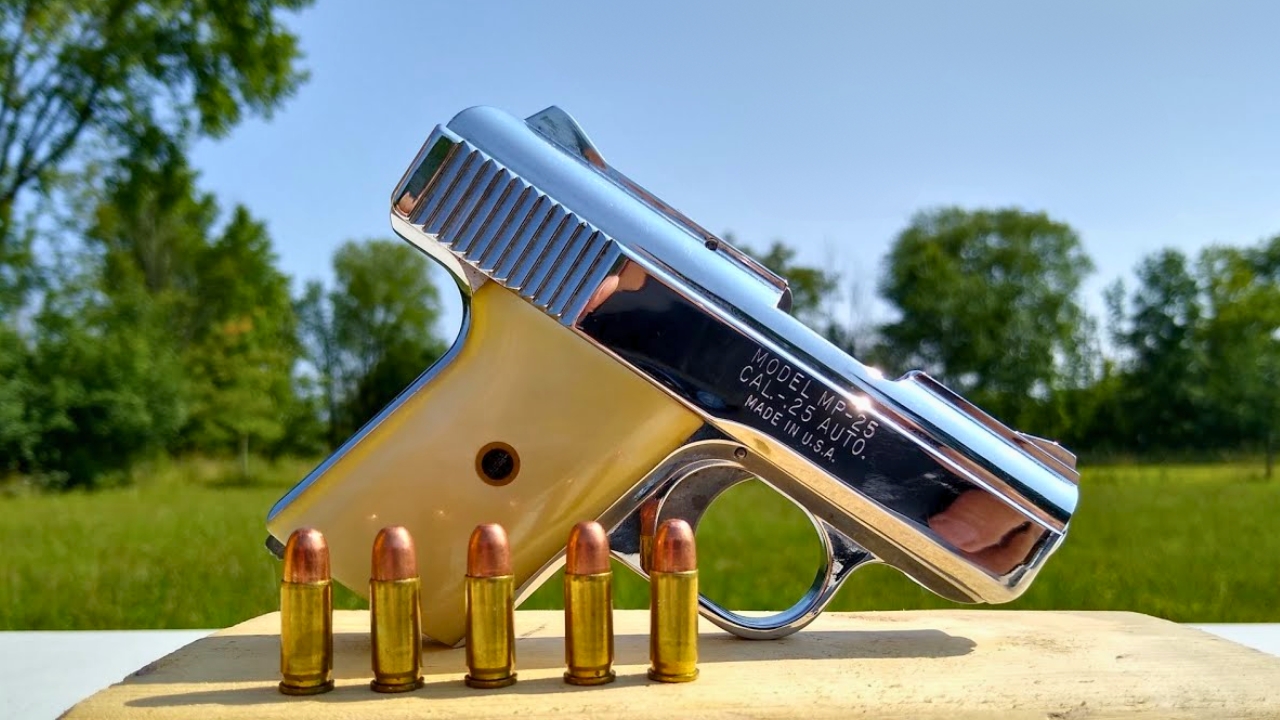
The Raven MP-25 belongs to that old class of inexpensive pocket pistols that were everywhere for years. It was small, cheap, and easy to find, which made it attractive to buyers who were not thinking deeply about long-term reliability.
As a defensive handgun, though, it is hard to recommend with a straight face. Small .25 ACP pistols already give you limited power, and the Raven’s reputation does not inspire much confidence. Reliability, durability, sights, trigger, and overall shootability all work against it. It may be a piece of handgun history, but not the kind you want to depend on.
Jimenez JA-9
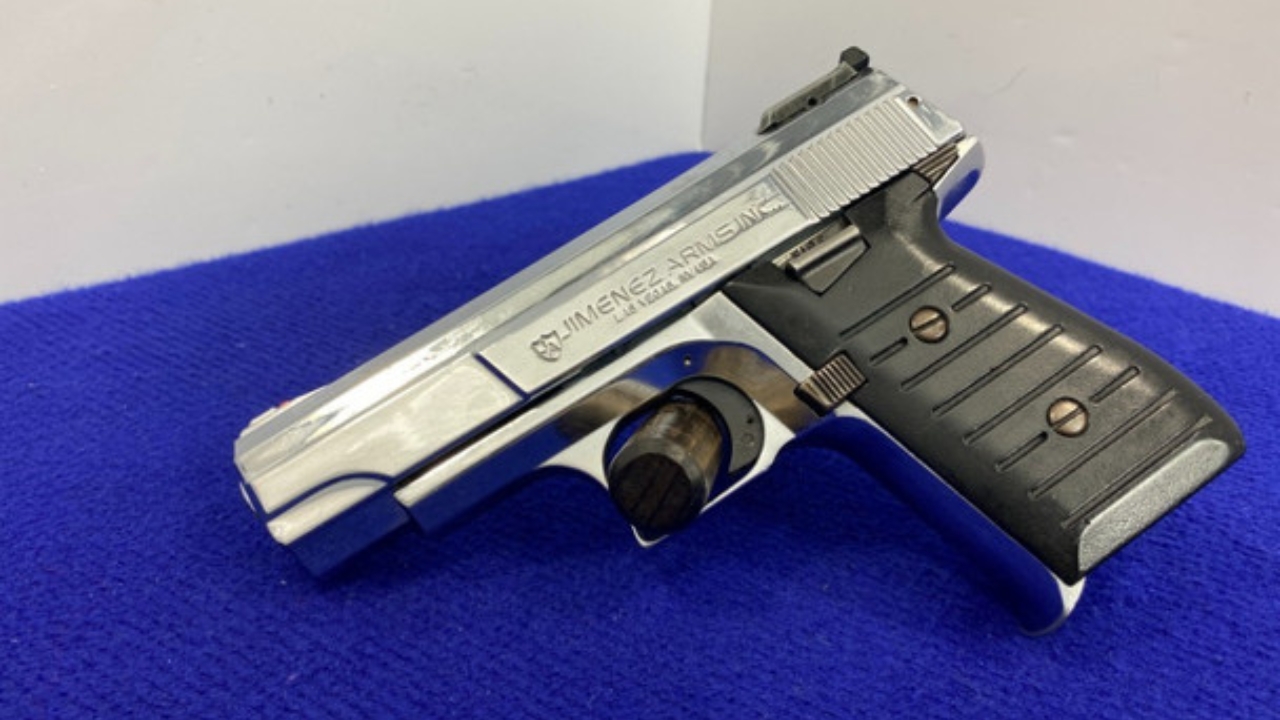
The Jimenez JA-9 is another pistol that mainly appealed through price. It gave buyers a 9mm handgun for very little money, and for some people that made it tempting. The problem is that a defensive gun has to do more than be affordable.
The JA-9 has never been known as a refined, durable, high-confidence pistol. Heavy slides, rough triggers, questionable fit, and spotty reliability stories follow guns like this for a reason. If your budget is tight, a used duty pistol from a stronger maker is usually a much better path than trusting a bargain gun with a weak reputation.
Cobra CA380

The Cobra CA380 looked like a simple, low-cost pocket pistol for people who wanted something small and easy to stash. That kind of gun always finds buyers because price and concealability are powerful selling points.
The issue is that tiny budget pistols often fail in the areas that matter most. Heavy triggers, rough feeding, poor sights, and inconsistent quality can turn a defensive tool into a liability. A pocket pistol already requires skill to shoot well. When the gun itself does not inspire confidence, most buyers are better off saving for something better proven.
Kimber Micro 9

The Kimber Micro 9 looks better than many pistols in its size class. It has attractive finishes, familiar 1911-style controls, and a small frame that makes it easy to carry. That is exactly why people want it to be a great defensive gun.
The problem is that tiny 1911-inspired pistols can be more particular than buyers expect. Magazine choice, ammo, grip pressure, and break-in all matter more than they should for some owners. Plenty of Micro 9s run fine, but the platform does not feel as forgiving as more boring carry pistols. When reliability is the whole point, pretty does not help much.
Like The Avid Outdoorsman’s content? Be sure to follow us.
Here’s more from us: