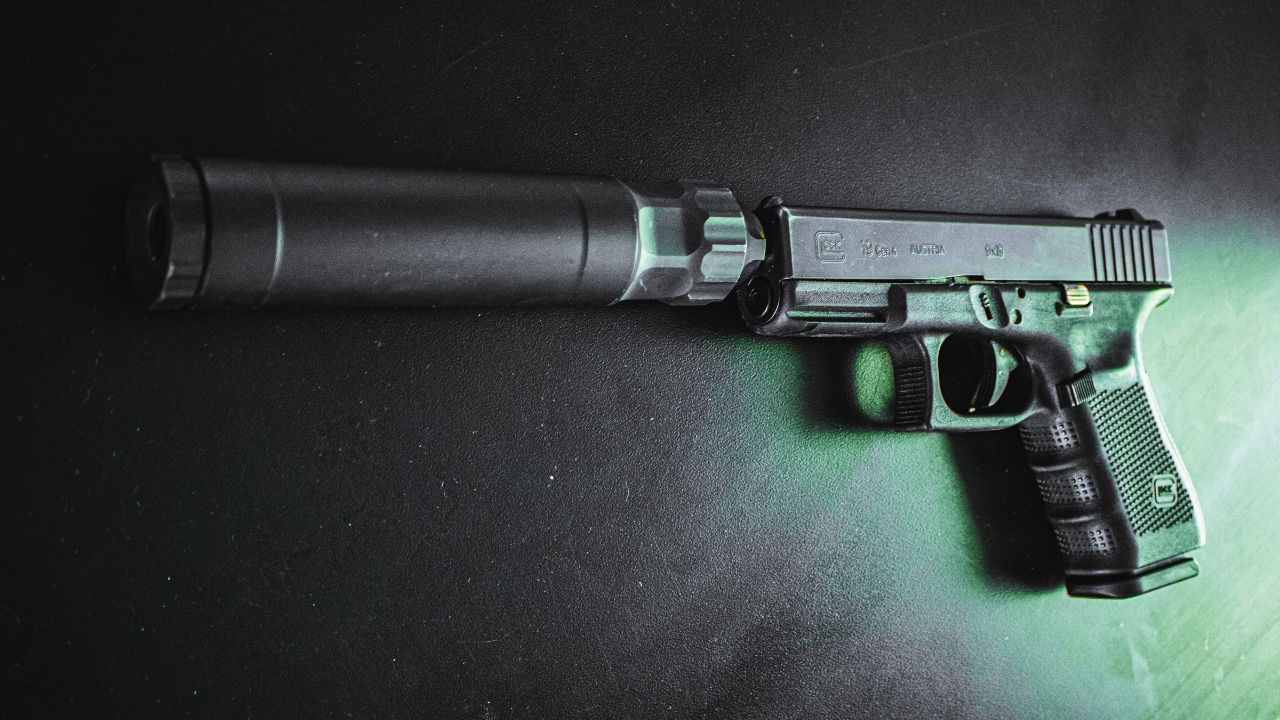
Photo credit: Seth Franzone/Shutterstock.com
You are watching National Firearms Act approvals move faster than at any point in recent memory, yet a surprising number of applications are still getting kicked back over tiny paperwork details. The new bottleneck is not the background check pipeline or the technology behind eForms, it is the precision of the information you type into a Form 4 or related submission. If you want to keep your suppressor or short‑barreled rifle from sitting in limbo, you now have to treat every field on the form as a potential tripwire.
From months to days: how fast NFA approvals can move now
If you have been in the NFA world for a while, you are used to thinking in terms of months or even years, not days. That mental model is now outdated for many buyers, because the current electronic workflow can move a suppressor approval in what feels like real time. Some retailers report that eForm 4 suppressor approvals are taking just days on average for both individual and trust applicants, a dramatic shift from the long waits that used to define the process and a reminder that the system itself is no longer the primary drag on your purchase.
The speed is not limited to one corner of the market either, which makes paperwork mistakes stand out even more when they happen. One detailed breakdown of What is the Current Wait Time for a suppressor notes that eForm 4 approvals can arrive in just days, while paper submissions still lag and contribute to higher perceived wait times. When the baseline is that fast, any error that forces your application back into the queue becomes the difference between shooting your new can this month and watching everyone else enjoy theirs while you refresh your email.
The hidden choke point: a single bad detail on your form
The real friction point for you now is not the overall capacity of the system but the unforgiving nature of the data you submit. From the outside, it can be hard to know which details matter most, yet the reality is that a single mismatched digit in a serial number or a slightly off model description can stall a suppressor purchase for weeks. The ATF has already published a roadmap of the information it expects to see, and when your entry does not line up with that template, your file stops moving while others glide past.
That is why you increasingly hear stories of buyers who did everything “right” in their minds, only to discover that a minor discrepancy forced their dealer to correct the record and resubmit. One analysis of how a paperwork mistake can stall a suppressor purchase explains that From the outside, it is not obvious which fields are mission critical, but The ATF has already laid out the roadmap and will simply kick a flawed application back into the queue. In a world where approvals can be measured in days, that kind of reset is no longer just an annoyance, it is a self‑inflicted delay that you could have avoided with a slower, more methodical review before you hit submit.
System outages and the $0 tax stamp rush collide with paperwork risk
Even if your paperwork is flawless, you are still operating inside a system that is about to be stressed by scheduled downtime and a wave of new filings. The ATF has announced that its eForm platform will be offline for a defined blackout window as it prepares for a major tax shift on certain NFA items, and that outage will compress even more activity into the days before and after the shutdown. When you combine that surge with a process that already punishes small mistakes, the cost of a typo or incomplete field grows even higher for you.
One advisory on the upcoming eForms blackout notes that The ATF has scheduled the system to go dark from late December through the start of January in preparation for a new regime that affects buyers seeking the $0 tax stamp. Another update from a compliance‑focused group explains that, by National Gun Trusts December guidance, The ATF eForm Site is “still working” for existing records, but submissions of new forms are halted until new forms, available January 1, come online, which means you cannot fix a rejected application in that window and must wait to resubmit through the Site. If your paperwork error surfaces right as the blackout begins, you are effectively locked out of the line until the new year, which is exactly the kind of avoidable delay that careful preparation is meant to prevent.
What the fastest approvals tell you about doing it right
The best way to understand how sensitive the process has become to detail is to look at the fastest approvals and reverse engineer what went right. When you see a buyer report that they certified multiple Form 4s at the same time and received approvals within a couple of days, you are not just hearing about luck, you are seeing the payoff of clean, consistent data that sailed through automated checks. Those success stories are a blueprint for how you should approach your own application if you want to avoid becoming the exception that gets stuck.
In one widely shared example, a user described how they Certified 4 form 4’s at the same time on July 8th 2025 at 5pm and received approval for all 4 by 10am on July 10th, with a Control Number: 20251969100 and a total of 202 hours from certification to approval. That kind of turnaround suggests that every field, from serial numbers to trust names, matched what The ATF expected to see, and that the background checks cleared without any need for clarification. For you, the lesson is straightforward: if you want to be in the cohort that measures wait times in hours instead of weeks, you have to treat the form like a technical document, not a casual online checkout page.
Why “average wait time” no longer tells your whole story
It is tempting to fixate on a single average wait time and assume your experience will match it, but the current landscape is more fragmented than that. Different filing methods, such as individual versus trust, and different form types, such as Form 4 versus other NFA paperwork, now move at very different speeds. If you ignore those nuances and rely on a generic number, you risk misreading the stakes of a paperwork mistake that could push you from the fast lane into a much slower track.
One comprehensive guide to NFA processing explains that, Per the ATF and what retailers are seeing, eFile Form 4 wait times average just 3 days for trust filing, and can be close to real time for some individual approvals, while other formats still lag behind. That same analysis of Per the ATF and Form 4 performance underscores how much the method you choose shapes your expectations. Another breakdown focused on Understanding ATF Form 4: Current Wait Times, Requirements, and How to Avoid Delays notes that, at a glance, an individual eForm 4 can be extremely fast while a trust application averages 23 days, which means a single correction request can effectively double or triple your personal wait compared with the headline number in the Understanding ATF Form overview. For you, the practical takeaway is that the margin for error is much smaller when the baseline is measured in days instead of months.
The ATF’s own roadmap, and how you can use it
While it can feel like you are guessing which details matter, The ATF has actually laid out a fairly clear roadmap of what it expects to see on NFA paperwork. The problem is that many buyers never read that guidance closely, or they rely entirely on a dealer to interpret it for them. If you want to avoid the new bottleneck, you need to treat that roadmap as required reading and cross‑check your entries against it before you certify anything.
Analyses of recent suppressor delays point out that The ATF has already published a detailed explanation of how it wants serial numbers, model names, and trust information to appear, and that ignoring those conventions is a fast way to get your application bounced. One breakdown of the paperwork mistake that can stall a suppressor purchase notes that The ATF’s roadmap is already public, yet buyers still submit forms that do not match the underlying registration data, forcing examiners to send them back into the queue. When you combine that with the fact that ATF eForms will be offline from Dec. 26 to Jan. 1 as the Bureau preps for the elimination of the $200 tax on SBRs and similar items, you can see why relying on guesswork is a poor strategy. The roadmap exists, and using it is one of the few variables fully under your control.
Community data: where applications really go wrong
If you want a candid look at how often people get this wrong, you only have to scan the community megathreads that track NFA approvals and rejections. Those conversations reveal a pattern that should make you slow down: a significant share of delays are not about background checks at all, they are about incomplete or inconsistent paperwork. When you see the same errors repeated across dozens of posts, it becomes clear that the bottleneck is not random, it is structural.
One official megathread on the upcoming tax transition highlights that Post-sample law letters are becoming an eForm, and that Over 50% of law letters are rejected, with the largest problems tied to not filling in required fields, using the wrong format, or failing to match agency information. That discussion of Post sample letters explains that once a letter is rejected, you have to correct the issue and submission of new one, effectively restarting the clock. For you, the lesson is that even experienced submitters are tripping over the same fields, and that the only reliable way to avoid joining them is to build your own checklist based on those community‑documented failure points.
Practical steps to keep your Form 4 out of limbo
Given how unforgiving the system has become, you need a concrete plan for keeping your Form 4 out of limbo. That starts with treating every data field as if it will be audited against a master record, because in many cases it will be. You should pull the exact serial number and model designation from the firearm or suppressor itself, verify that your trust name matches the legal document character for character, and confirm that your personal information aligns with your identification and any prior NFA records.
It also means timing your submission around known system events so that, if something does go wrong, you have room to fix it. With The ATF eForms blackout scheduled as part of the transition to a $0 tax stamp for certain items, and with guidance from National Gun Trusts December updates that new forms will not be available until January 1, you should avoid waiting until the last minute to file. Instead, aim to submit well before any planned outage, and build in time for a potential correction so you are not stuck watching the calendar while your application sits unresolved. In a world where eForm 4 suppressor approvals can be measured in days, the difference between a smooth purchase and a stalled one often comes down to how seriously you take the paperwork before you ever click “certify.”
The new reality for NFA shoppers
You are entering an era in which the NFA process is both faster and less forgiving than it has ever been. The technology behind eForms, the shift toward a $0 tax stamp for some items, and the documented ability to move approvals in as little as 202 hours have all raised expectations for how quickly you should be able to complete a purchase. At the same time, the margin for error has shrunk, because any deviation from The ATF’s roadmap now stands out sharply against a backdrop of clean, automated approvals.
For you as an NFA shopper, that means the real bottleneck is no longer the government’s processing speed but the precision of your own paperwork. If you internalize that reality, study the patterns in community data, and align your submissions with the detailed guidance already available, you can position yourself on the right side of the new divide between days and weeks. If you treat the forms casually, on the other hand, you are likely to discover that a single overlooked detail can still stall your approval, even in a system that is finally capable of moving at the pace you always wanted.
Like The Avid Outdoorsman’s content? Be sure to follow us.
Here’s more from us: