Photo credit: Maine Outdoor Enthusiast/YouTube
Lever-actions are surging again because they solve real problems without turning into a science project. You get a short rifle that carries clean in brush, cycles fast for follow-up shots, and stays friendly in a truck or scabbard. Add in today’s factory rails, better iron sights, and more threaded muzzles, and you’ve got a platform that works for hunters, ranchers, and range guys who want something different than another bolt gun.
Manufacturers have noticed the demand, and SHOT Show coverage has been clear: lever guns keep showing up as a major rifle trend, and the “modern lever” category keeps expanding.
For what’s popular right now, the market signal is where people are spending money. GunBroker’s top-selling and “interest” reports have repeatedly put Henry and Marlin lever guns near the top, with the Henry Big Boy and Marlin 1895 family showing up again and again, alongside affordable options like the Rossi R92.
Marlin 1895 SBL (.45-70 Gov’t)

You buy an 1895 SBL when you want a lever gun that feels modern without pretending it’s something else. The big loop is handy with gloves, the stainless build shrugs off weather, and the factory rail makes it easy to run an LPVO or a red dot without awkward mounts. It’s also the poster child for the “guide gun” thing—short enough to move in brush, stout enough to keep you confident when the animal isn’t small or polite.
Where it can surprise you is the blast and recoil in a light carbine. Offhand, that .45-70 can turn quick strings into a workout, and you’ll feel sloppy form fast. If you’re mostly shooting paper and steel, you may end up paying for power you rarely use.
Marlin 1895 Trapper (.45-70 Gov’t)
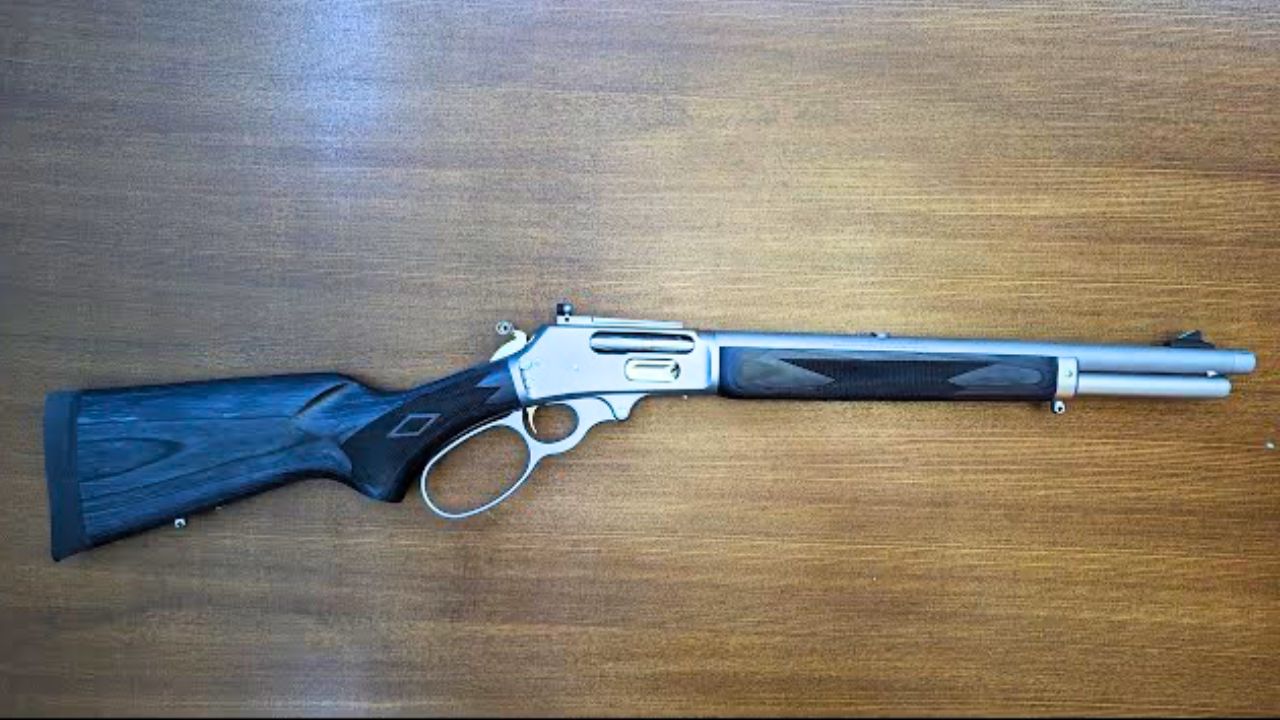
You grab the 1895 Trapper when you like the 1895 idea but want it handier, especially if you’re in and out of a truck, ATV, or tight cedar breaks. The shorter barrel swings fast and carries easy, and the newer runs are set up like working guns, not velvet-case showpieces. It’s the kind of lever you actually want on a sling. If you hunt thick stuff, that matters more than you’d think.
Heat and recoil show up quicker here than on longer guns, and your follow-up shots take more discipline. If you’re honest about your hunting, that’s not a deal-breaker—most hog and bear encounters don’t require magazine dumps. Don’t confuse “compact” with “soft shooting,” because a short .45-70 will keep you humble.
Marlin 336 Classic (.30-30 Win)
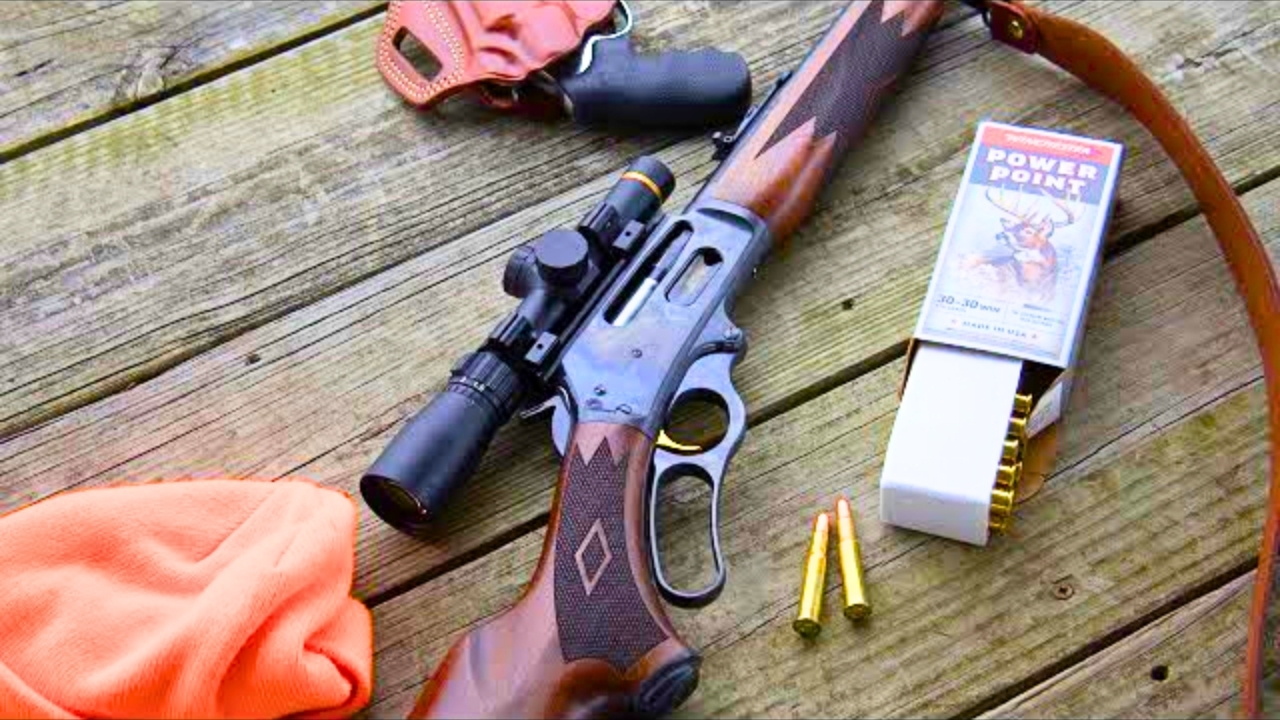
If you grew up around deer camps, the 336 is the silhouette you picture when somebody says “lever gun.” The .30-30 still makes sense for real woods distances, and the current 336 Classic keeps the handling that made it famous—quick to the shoulder, slim in the hands, and easy to carry all day without thinking about it.
The catch is that a lot of people romanticize it and then try to turn it into a 400-yard rifle. You can scope it, you can feed it good ammo, and you can shoot it well, but it’s at its best when you keep your expectations sane. If you’re the type who wants to dial turrets and stretch every shot, you may be happier with a different tool.
Marlin 1894 Classic (.357 Mag / .44 Mag / .45 Colt)

The 1894 is what happens when you want a rifle that feels alive in your hands. In a pistol caliber, it’s fast, light, and ridiculously fun, and it’s one of the easiest lever guns to shoot well when you’re moving and shooting. In .357 Mag especially, you get a flat-enough woods trajectory with mild recoil, and you can practice a lot without feeling beat up.
Where it may not be for you is on bigger game at longer ranges. You can absolutely kill deer with the right load and discipline, but it’s not a “make up for a bad hit” cartridge family. If you’re the hunter who wants extra margin on big-bodied animals, a .30-30 or .35-class rifle round is usually the calmer choice.
Henry Big Boy X Model (various pistol calibers)

The Big Boy X Model is one of the clearest signs that lever guns aren’t nostalgia anymore. You’re getting a side gate, modern furniture, and in many versions a threaded muzzle—so you can run a can, a brake, or whatever makes sense for your setup. It also balances well for fast shooting, which is why you keep seeing them in “truck gun” conversations.
The part that can irritate you is weight. Big Boys aren’t featherweights, and if you’re hiking steep country, you’ll notice it by noon. They’re also happiest when you feed them ammo that cycles smoothly, because some lever guns can be pickier than people admit. If you want ultra-light and ultra-forgiving, a different platform may fit you better.
Henry Side Gate Lever Action (.30-30 Win / .45-70 Gov’t)
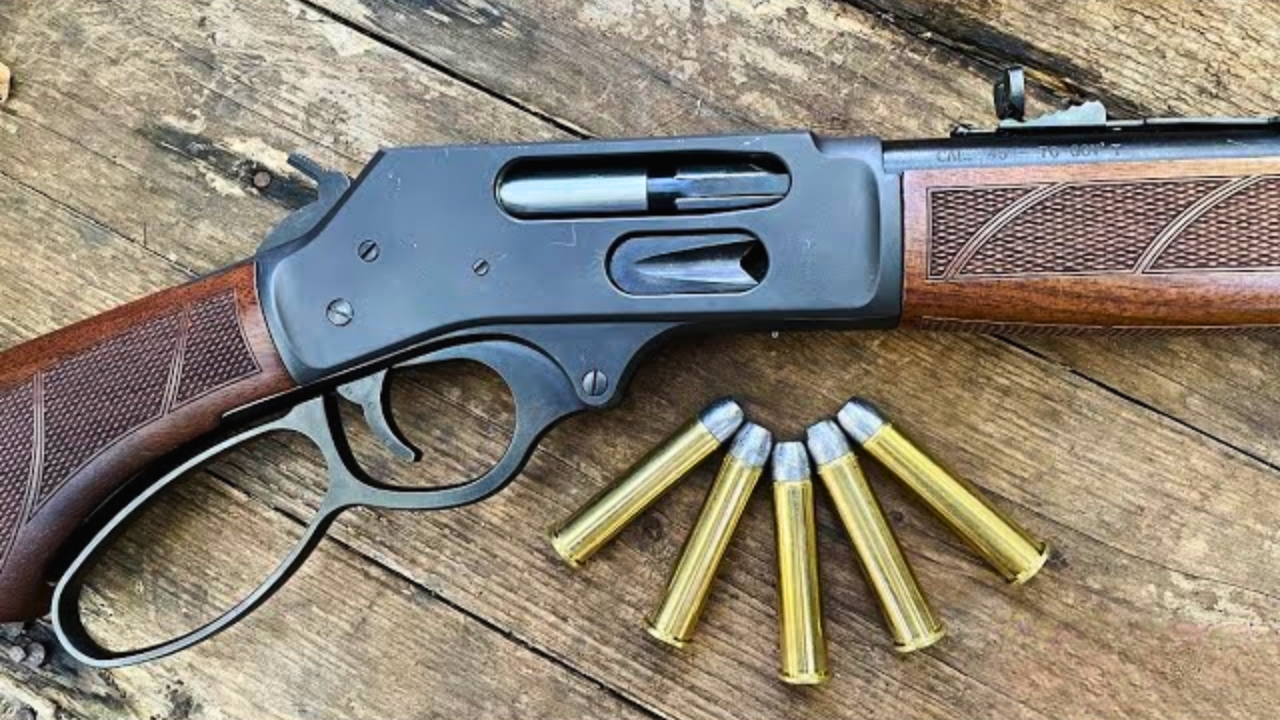
Henry’s side-gate centerfires are popular because they split the difference between traditional and practical. You still get classic lines, but loading is faster and less fussy, and the actions tend to feel smooth once they’ve been run a bit. In .30-30, it’s a straight-up deer rifle; in .45-70, it’s a thumper that still carries well.
What you need to know is that Henrys can vary a little from rifle to rifle. Some are slick out of the box, some need a little shooting and cleaning before they feel perfect. And if you’re buying one expecting “cheap ammo forever,” remember that .30-30 and .45-70 aren’t bargain cartridges anymore. The rifle is solid; your wallet is what takes the hit.
Henry Golden Boy (.22 LR)

The Golden Boy is the lever gun that gets people hooked. It’s smooth, accurate enough for small targets, and it makes range days feel like you’re doing something more interesting than punching paper. In .22 LR, you can shoot all afternoon without recoil fatigue, and it’s a legitimate small-game rifle that teaches you good habits without punishing mistakes.
It’s also easy to buy one for the wrong reasons. If you want a hard-use beater for rain, mud, and truck floors, the brasslite look and polished vibe may feel too precious. You can absolutely use it, but you’ll baby it more than you think. If you want a rimfire lever you’ll treat like a shovel, look at the more utilitarian options.
Rossi R92 (.357 Mag / .44 Mag / .45 Colt)

The R92 has become the “get in the game” lever gun for a lot of shooters. It’s usually priced where normal people can actually buy it, and the 1892 pattern is strong and compact. In pistol calibers, it’s quick, handy, and a blast on steel—especially if you like the idea of pairing it with a revolver that shares ammo.
The downside is that Rossi quality can be a little uneven, and you may end up doing the thing lever owners always swear they won’t do: tinkering. Some run like sewing machines, some benefit from a spring kit and a careful deburr. If you’re the shooter who wants perfection on day one, pay more and save yourself the urge to “fix” a brand-new rifle.
Rossi R95 (.45-70 Gov’t)

The R95 is Rossi’s answer to the modern .45-70 craze—give people a hard-hitting lever gun with features they actually use, at a price that doesn’t feel insane. You’ll see versions that are optics-ready and set up for real-world carry, which is why it keeps popping up in “best buy” style conversations. That matters when ammo isn’t cheap.
But you’re still buying a budget big-bore, and that means you should be realistic. A .45-70 will magnify stock fit issues, rough triggers, and loose shooting form. If you’re hoping the cartridge will do all the work while you slap through recoil, your groups will show it. You’ll also burn through ammo fast. When you shoot it well, it’s a ton of rifle for the money.
Winchester Model 1894 (current production)

The 1894 is famous because it earned it. In .30-30, it’s the deer rifle that made the lever-action a household tool, and the current production guns still carry that light, lively feel that made people love them. When you shoulder it from standing, it points like it’s reading your mind, and that matters more in the woods than most benchrest talk.
The reason it still might not be for you is the same reason some people bounce off classic rifles: it demands you shoot it like a field rifle. The sights, stock geometry, and recoil impulse are different than a modern bolt gun. If you’re committed to perfect cheek weld behind a big scope, you’ll fight it. If you accept it on its own terms, it’s hard to beat.
Winchester Model 1892 (Miroku production)
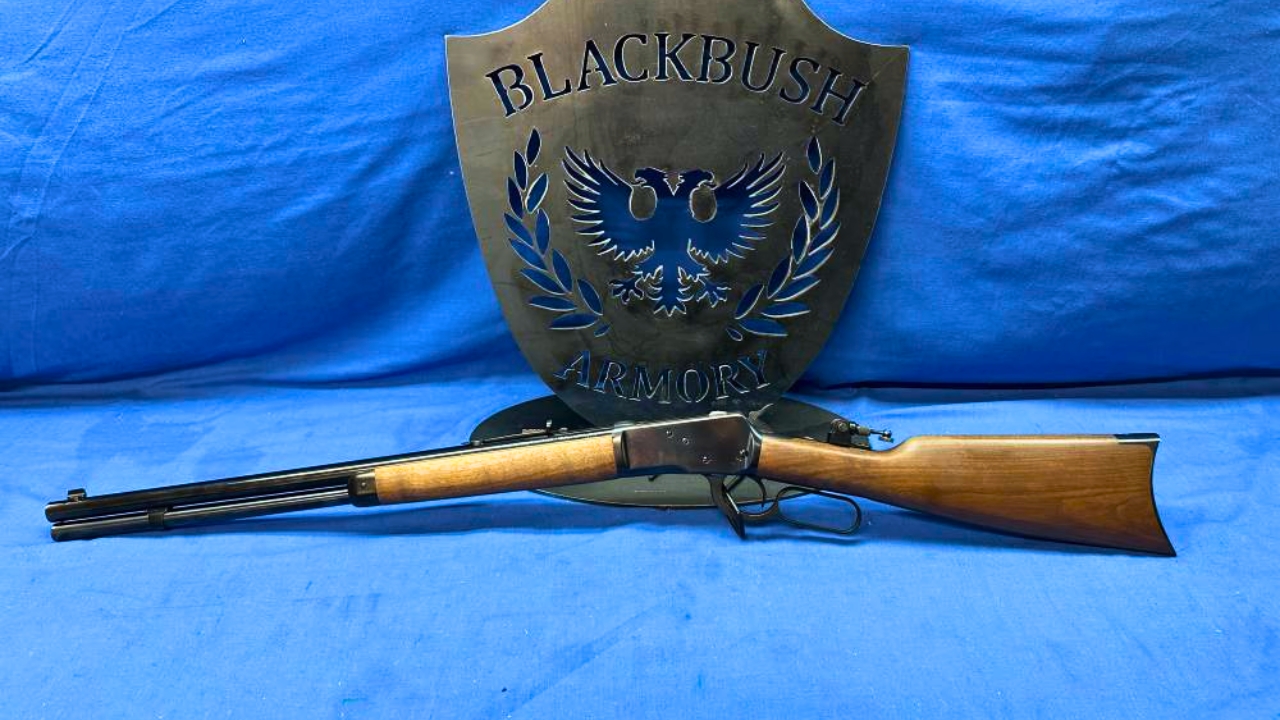
The 1892 is the sleek, compact lever gun that feels like it was built for quick work. In pistol calibers, it carries like a carbine should, and the action design is strong enough that it has a reputation for running hard. If you want a traditional-looking lever that still feels tight and well-made, the Miroku-built Winchesters scratch that itch.
Here’s the catch: you’re paying for fit and finish, not utility features. If you want a rail, threaded muzzle, and a fore-end that takes lights, you’ll be adding parts or looking elsewhere. And depending on the exact variant and caliber, ammo length can matter for feeding. If you’re a “buy once, cry once” traditionalist, you’ll love it. If you’re chasing pure function, you may not.
Browning BLR (various modern rifle cartridges)

The BLR is the lever gun for the guy who wants lever handling but refuses to give up modern rifle cartridges. The box magazine opens up options that tubular mags can’t touch, and you can run pointed bullets without worrying about stacking tips on primers. It shoulders fast like a lever, but it hunts more like a bolt gun when the shot gets longer.
It can also be a little finicky about how you treat it. The trigger feel is different than most traditional levers, and the magazine adds one more piece to manage in the field. And if you’re buying it purely for nostalgia, it won’t scratch that itch—it’s a purpose-built hunting tool, not a cowboy movie prop. If your hunts demand versatility, though, it’s hard not to respect.
Henry Long Ranger (.223 Rem / 6.5 Creedmoor / .308 Win)
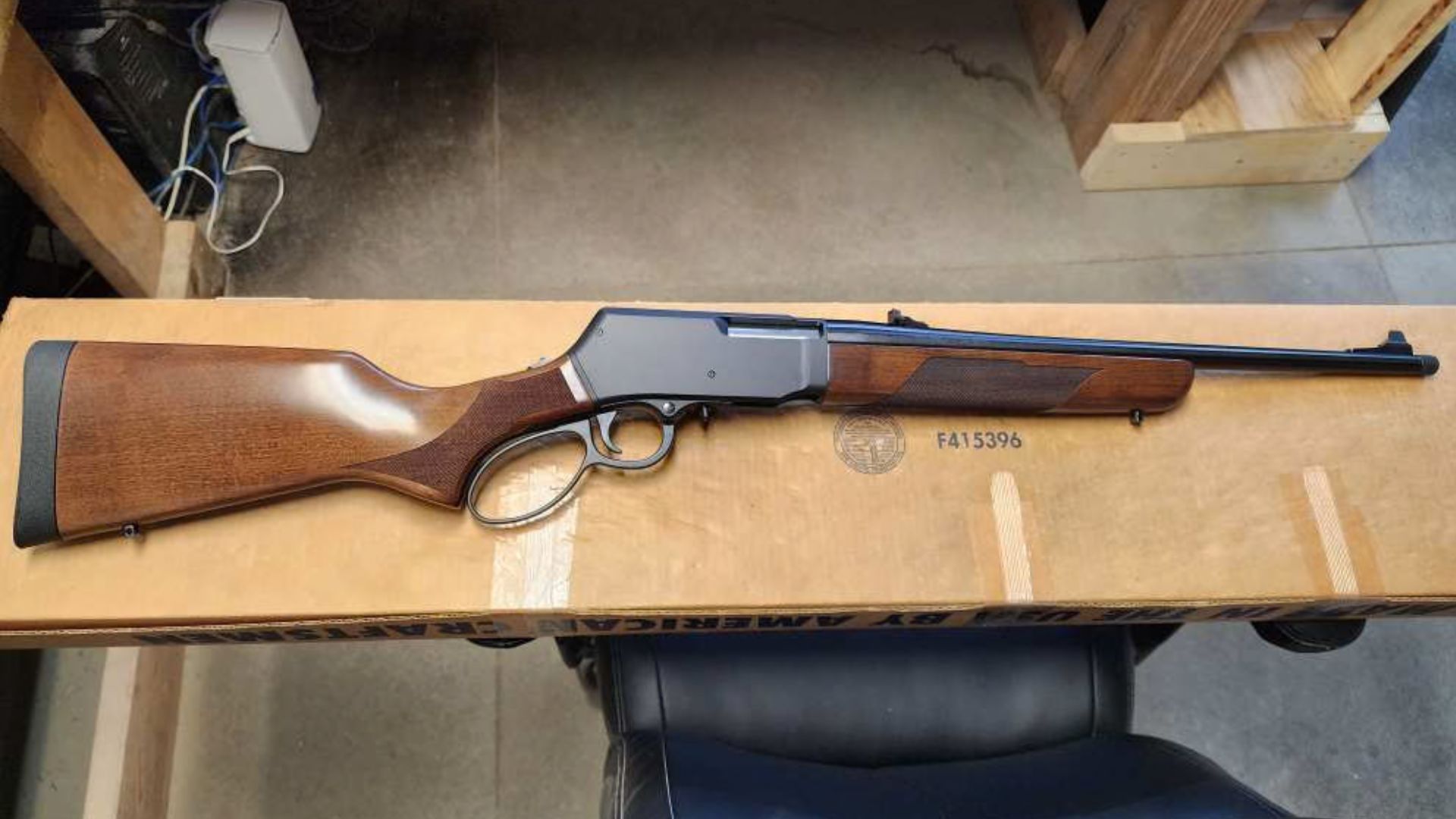
The Long Ranger is Henry’s “I want a lever but I hunt like it’s 2026” rifle. The box magazine and rotating bolt give you modern cartridge options and easier scope mounting, and the accuracy potential is better than what most people expect from a lever gun. If you’re in open country but still want that lever-cycle speed for follow-ups, it makes a lot of sense.
Where it might not be for you is feel. It doesn’t have the same mechanical rhythm as a traditional tube-fed lever, and some shooters miss that. It’s also not cheap, and magazines aren’t something you’ll find in every dusty hardware store. If you want a lever that behaves like a modern hunting rifle, you’ll be happy. If you want old-school lever soul, look elsewhere.
Smith & Wesson Model 1854

S&W didn’t show up to the lever party to make a wall-hanger. The Model 1854 is a side-loading, modernized lever that comes in practical chamberings and trims, including models aimed at hunters who want a working gun, not a safe queen. It’s also been getting serious industry attention since launch, which tells you the demand is real.
The thing to watch is that new platforms always have a “first adopters learn first” phase. Early buzz doesn’t guarantee the rifle fits you, your ammo, or your preferred sighting setup. If you like proven ecosystems, you may stick with Henry, Marlin, or Winchester. But if you want a current-production lever with modern features and factory support, the 1854 is one of the most interesting moves in years.
Fightlite HERRING Model 2024

The HERRING is what happens when you take the modern-lever concept seriously and stop pretending it needs to look like 1895. It feeds from STANAG magazines, takes advantage of contemporary optics mounting, and leans into the idea that a lever-action can be a manual rifle you actually configure like an AR. If you’re in a state where semi-auto options are restricted, you can see why people pay attention to rifles like this.
It’s also not the lever gun you buy because you love walnut and blued steel. You’re buying an idea, and ideas cost money. You’ll spend more, you’ll tinker more, and you’ll explain it to everyone at the range. If your goal is a straightforward deer rifle, this isn’t it. If you want the cutting edge of the lever resurgence, it’s hard to ignore.
Like The Avid Outdoorsman’s content? Subscribe to our newsletter so you never miss an article.
Here’s more from us: