Photo credit: Jim Lambert/Shutterstock.com
Antelope are quick, alert, and often taken at longer distances. While they aren’t the toughest animals, some cartridges just don’t carry enough punch, especially lightweight loads with minimal bullet weight. These rounds may look fine at the range, but in the field, they struggle to anchor antelope cleanly. Wounding and long tracking jobs happen way too often with these choices. If you’re heading out for antelope, it’s smart to leave these loads at home and bring something with better downrange performance.
.223 Remington with 55-Grain Bullets

The .223 Remington with 55-grain bullets is fine for varmints but too light for antelope. Energy drops off fast past 200 yards, making clean kills tough. Many shots fail to penetrate well, especially if you don’t hit perfectly. Some states don’t even allow .223 for big game because of these limitations. While it’s tempting to use for its low recoil, this light load simply doesn’t carry enough punch for quick, ethical kills on antelope.
.22-250 Remington with 50-Grain Bullets
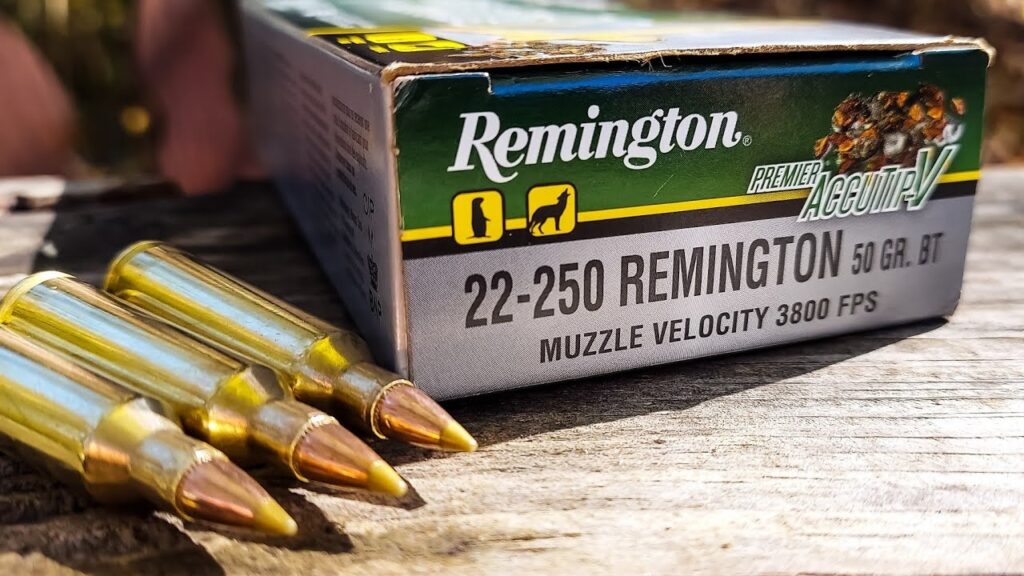
The .22-250 with 50-grain bullets is blistering fast but lacks the weight for consistent antelope kills. It can work at close ranges with perfect shots, but its lightweight bullets shed energy quickly. If your shot is slightly off, you’ll likely end up with a wounded animal. Many hunters who’ve tried it eventually move to heavier calibers after struggling with poor results, especially on longer shots. It’s better left to coyotes and varmints, not antelope.
6mm Creedmoor with 87-Grain Bullets
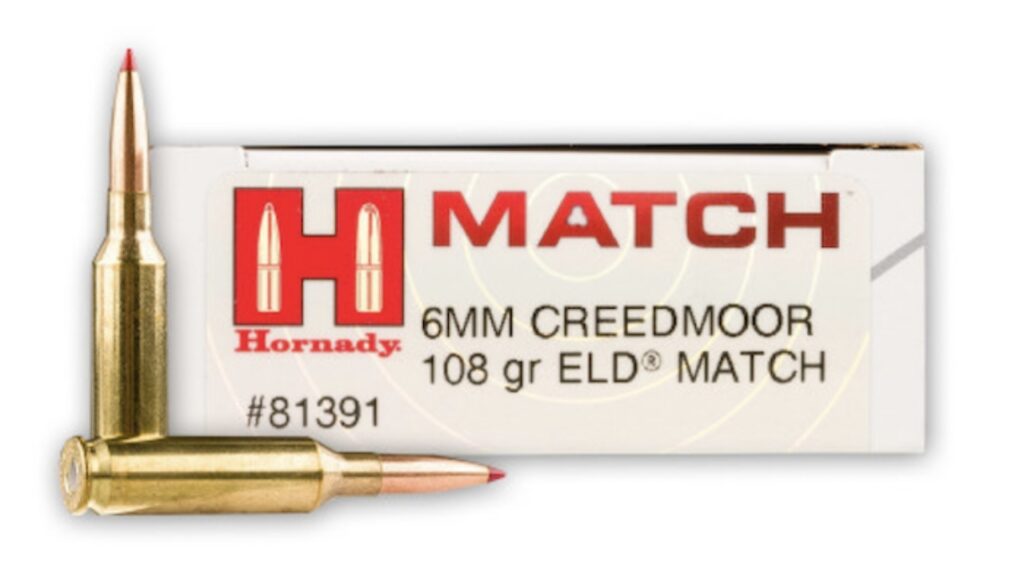
The 6mm Creedmoor is gaining popularity, but loads like the 87-grain aren’t ideal for antelope. These lighter bullets explode quickly and don’t offer the controlled expansion needed for clean kills. Shots past 300 yards lose energy fast, and you risk a slow recovery even with a good hit. Stepping up to 100-grain or heavier bullets makes a big difference. Stick with those if you want to avoid frustrating tracking jobs on open-country antelope.
.243 Winchester with 75-Grain Varmint Loads
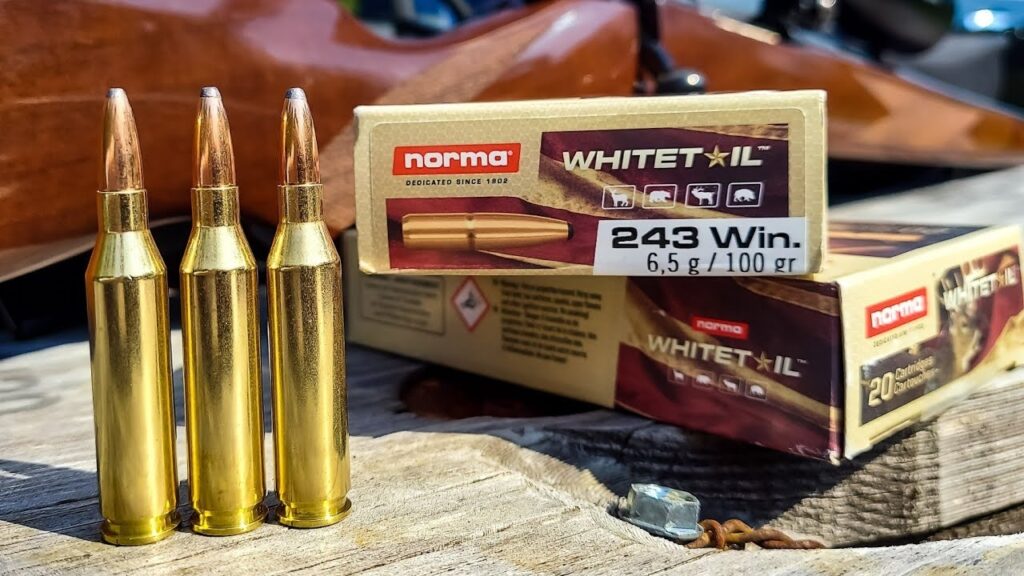
The .243 Winchester can absolutely handle antelope, but not with light 75-grain varmint loads. Those lighter bullets are designed for thin-skinned predators, not pronghorn. They often fragment on impact, leading to poor penetration and long chases. Many hunters make the mistake of grabbing the cheapest box of .243 and regretting it. When hunting antelope, 90- to 100-grain soft points perform much better and give you a cleaner, quicker kill.
6.5 Grendel with 90-Grain Bullets
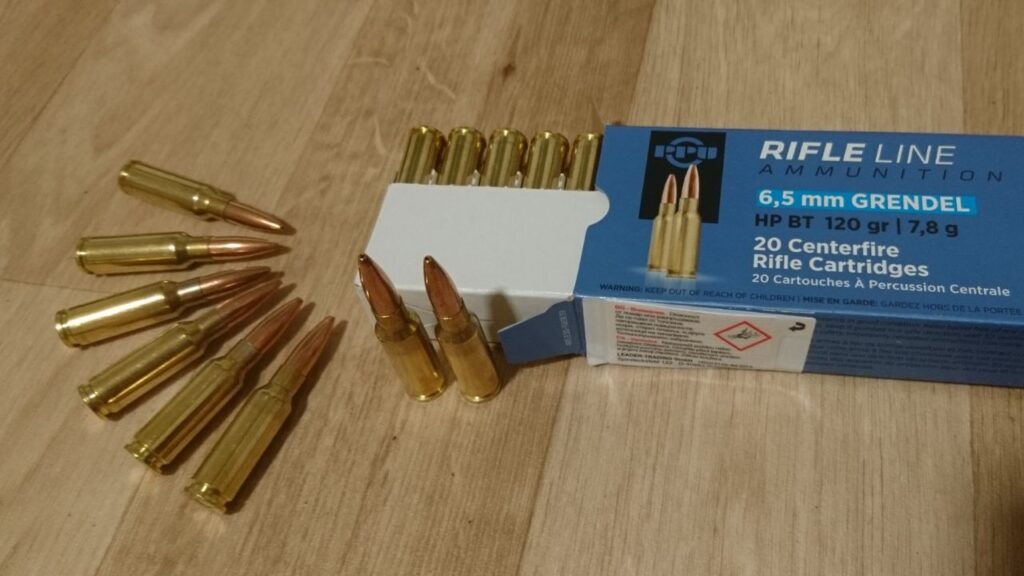
The 6.5 Grendel is popular for its mild recoil, but when loaded with 90-grain bullets, it runs out of steam fast. Lighter projectiles can fail to expand properly or just don’t have enough energy on longer shots. Pronghorn are deceptively tough when you don’t land that perfect shot, and these loads often don’t give enough margin for error. Heavier 120- or 123-grain bullets are a much safer choice for hunting out west.
.25-06 Remington with 85-Grain Bullets
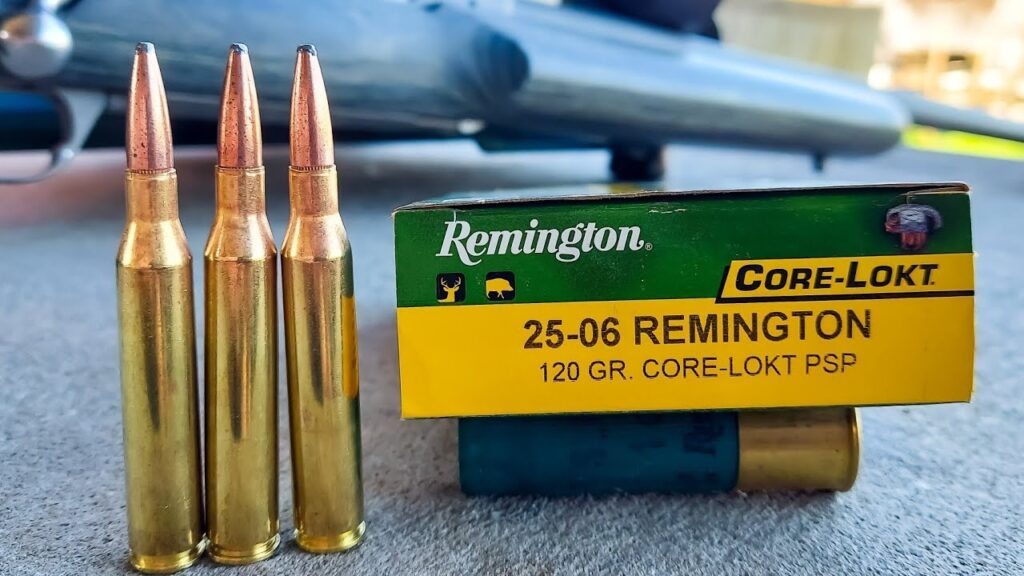
The .25-06 is an antelope favorite, but not when paired with light 85-grain bullets. These loads are often built for varmints and come apart too easily on bigger game. At long range, you’ll see inconsistent terminal performance and risk wounding animals with less-than-perfect hits. Most seasoned hunters using .25-06 step up to 100-grain or heavier bullets, which carry more energy and hold together better on antelope-sized game.
.270 Winchester with 90-Grain Bullets
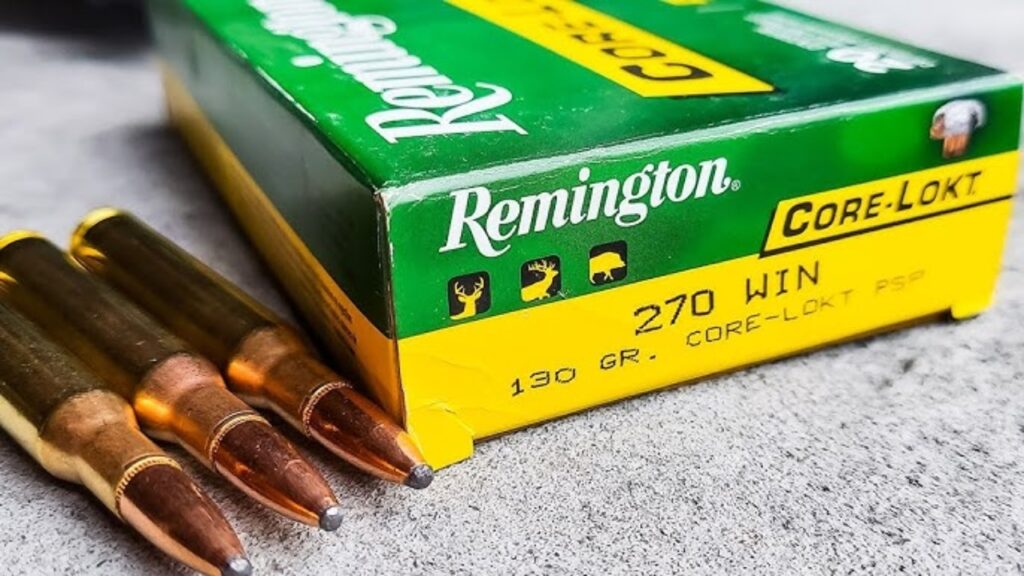
Even a cartridge as solid as the .270 Winchester struggles with super-light 90-grain loads. These are usually made for predator hunting, with fast expansion that doesn’t penetrate well on bigger game. For antelope, especially at longer distances, you want controlled expansion and good weight retention. Lighter bullets flatten trajectories but sacrifice reliable kills. Most antelope hunters go with 130-grain loads for much better downrange performance and cleaner harvests.
7mm-08 Remington with 120-Grain Bullets
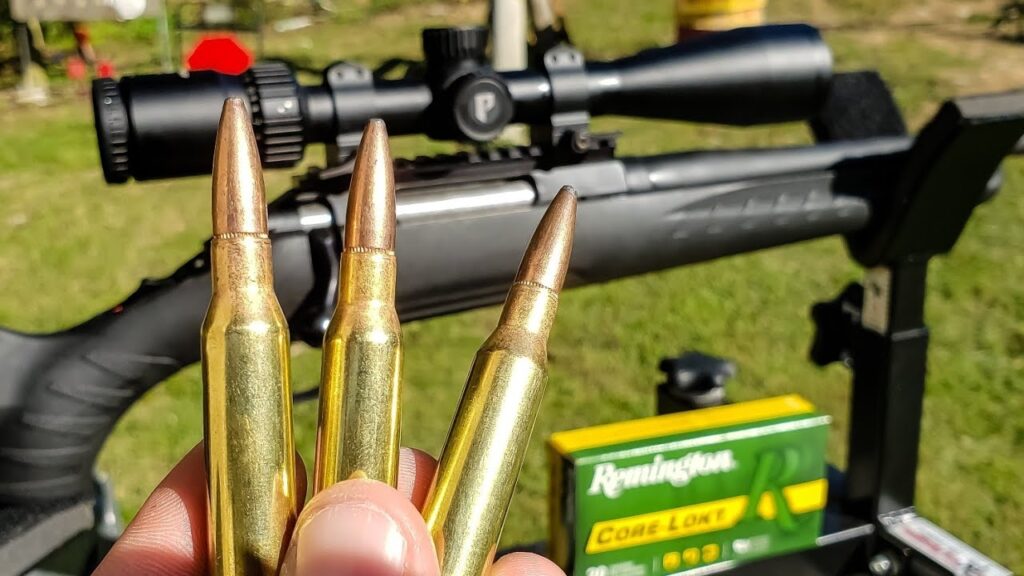
The 7mm-08 Remington handles antelope well, but 120-grain bullets can run out of gas on longer shots. They’re fine under 200 yards, but you’ll see more drop-off in penetration and expansion beyond that. Antelope often require shots over 300 yards, and that’s where the heavier 140-grain options shine. Lighter loads risk incomplete pass-throughs and less reliable terminal performance, which can lead to unnecessary tracking headaches in open country.
.30-30 Winchester with 150-Grain Flat Nose
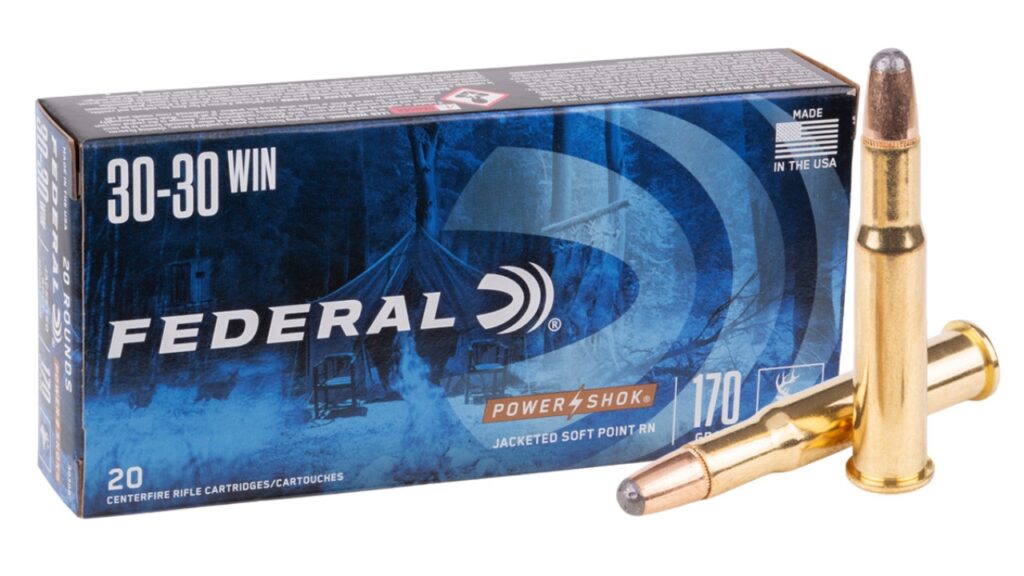
While the .30-30 Winchester is great in the woods, its 150-grain flat nose loads struggle with antelope out on the plains. Ballistically, it drops fast and loses energy quickly past 150 yards. Out west, where shots often stretch farther, the cartridge just doesn’t give you enough range or knockdown power. It’s hard to recommend for pronghorn hunts where longer shots and wind drift come into play. There are much better tools for open country.
5.56 NATO Green Tip (62-Grain)
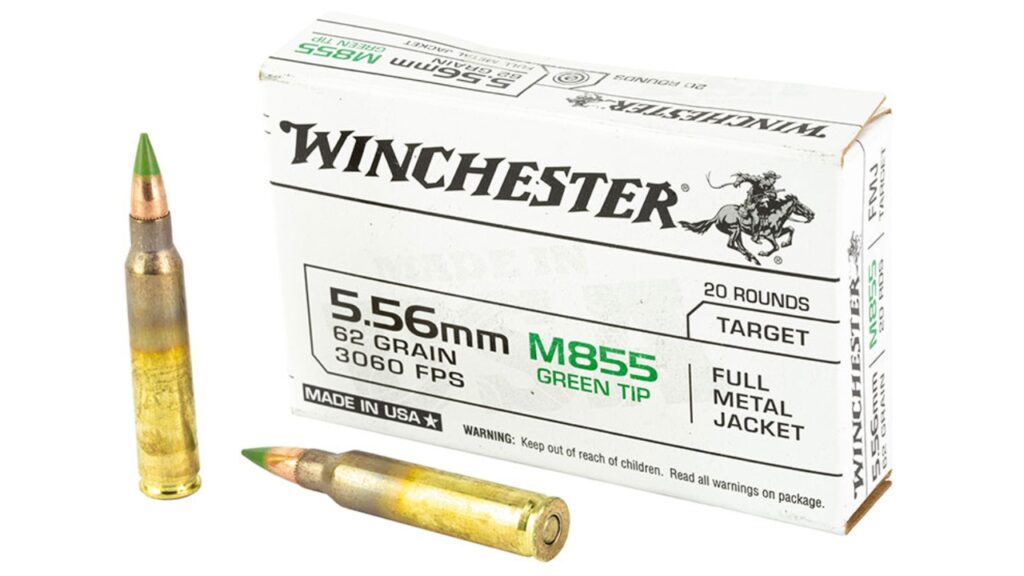
The 62-grain green tip 5.56 NATO round is popular for practice but performs poorly on game. It’s built with steel penetrators, which punch through but often fail to expand properly. On antelope, this leads to narrow wound channels and long, frustrating recoveries. Even with perfect shot placement, the lack of expansion means slow kills. Most experienced hunters avoid it entirely for anything beyond target practice or predator control.
*This article was developed with AI-powered tools and has been carefully reviewed by our editors.