Photo credit: WHO_TEE_WHO/YouTube
A lot of hunters stick with a caliber because it’s what they grew up with or what was sitting in the cabinet long before they were old enough to buy their own rifle. Then they finally try something that groups tighter, carries farther, or handles tough angles without falling apart, and suddenly that old cartridge doesn’t make as much sense anymore. You’ve probably had that moment yourself. Once you’ve watched a better round hold together through bone, stretch your confidence window, or tighten your follow-up shots, it’s hard to stay loyal to something that keeps reminding you of its limits.
.243 Winchester
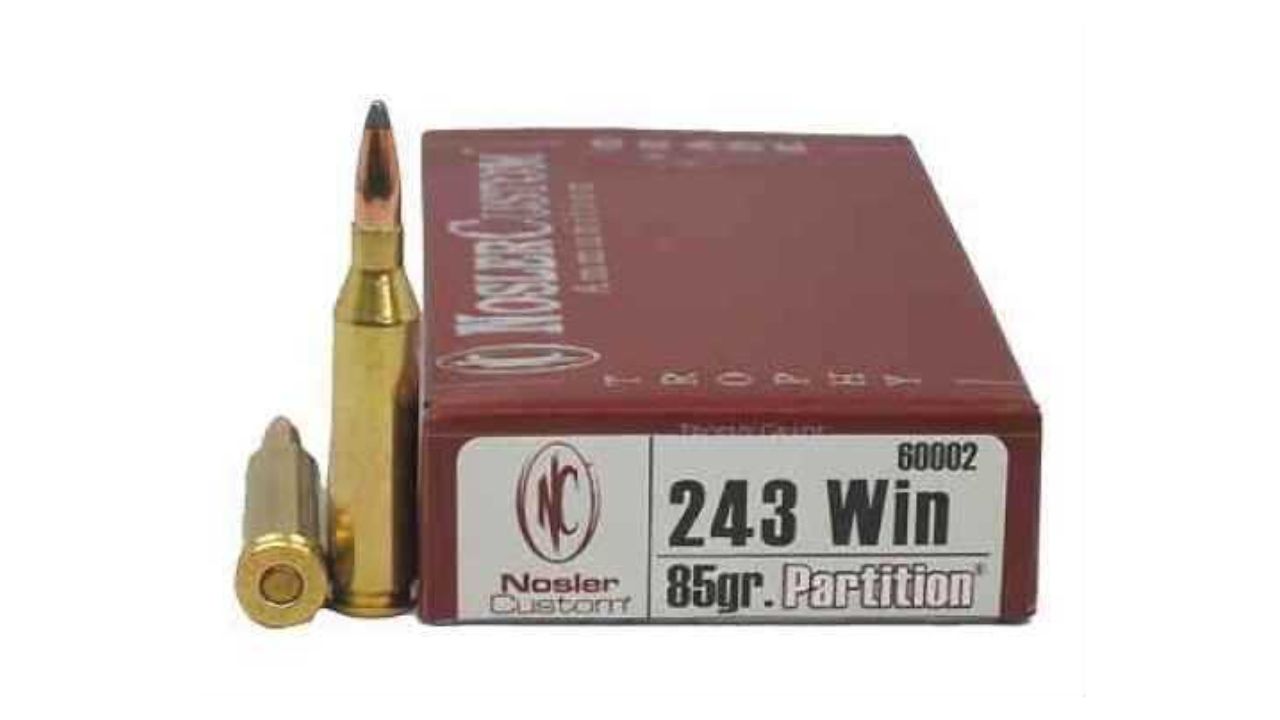
You’ll meet plenty of hunters who started with a .243 Win because it’s light on the shoulder and easy to learn on. But once you’ve carried it long enough, you start seeing where it struggles. Marginal hits don’t give you much help, and the lighter bullets can fall apart on heavy shoulder bone.
Then you try a 6.5 Creedmoor, .308, or even a 7mm-08, and it becomes clear how much more forgiving a slightly heavier bullet can be. You don’t have to rely on perfect shot placement every single time, and your confidence grows in thick cover and at moderate distances. That’s usually when the .243 gets retired to loaner duty.
.30-30 Winchester
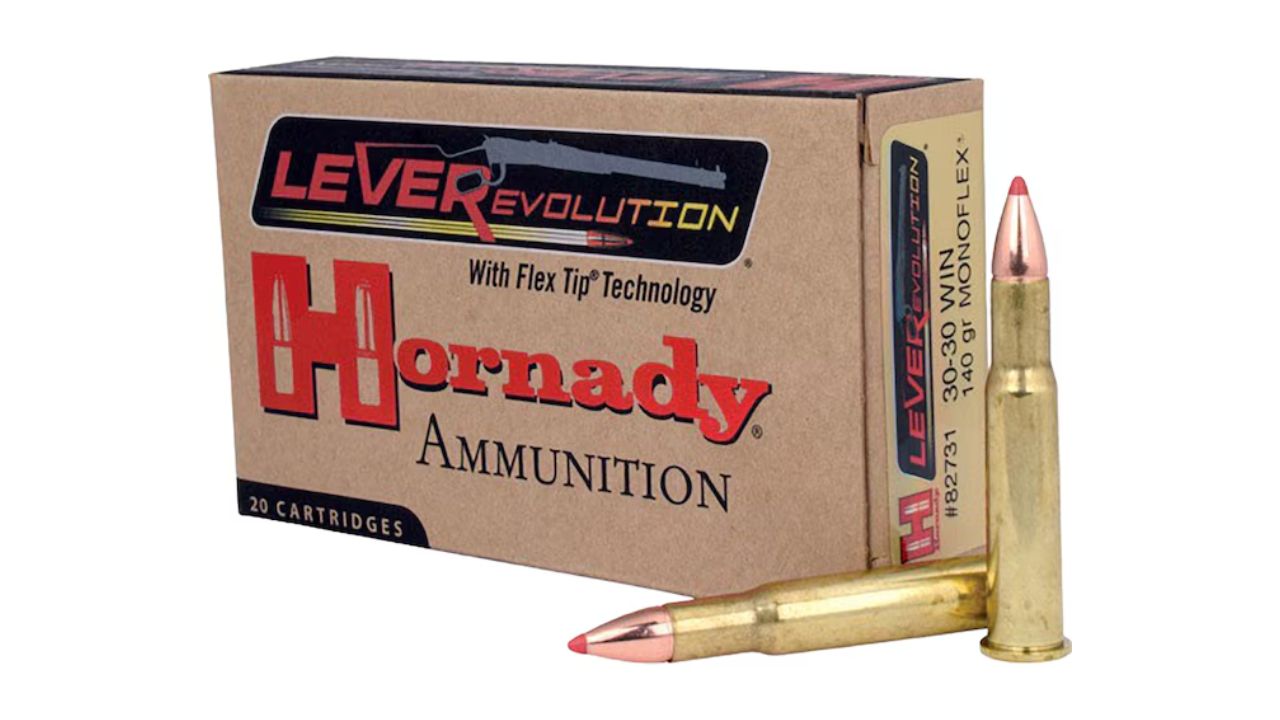
The .30-30 has filled freezers for over a century, and you can still make it work today. But when you start using mid-range cartridges that carry more energy and stay flatter through 200 yards, the old lever-gun favorite shows its limits. Brush country isn’t kind to slow-moving bullets, and drop becomes a real factor the moment the terrain opens up.
Once you step into a .308, .270, or 6.5 Creedmoor, you feel the difference immediately. Your margin for error increases, and you’re not walking shots into place the same way. Many hunters keep their .30-30 for nostalgia but reach for something more capable when the tag really matters.
.270 Winchester Short Magnum (WSM)
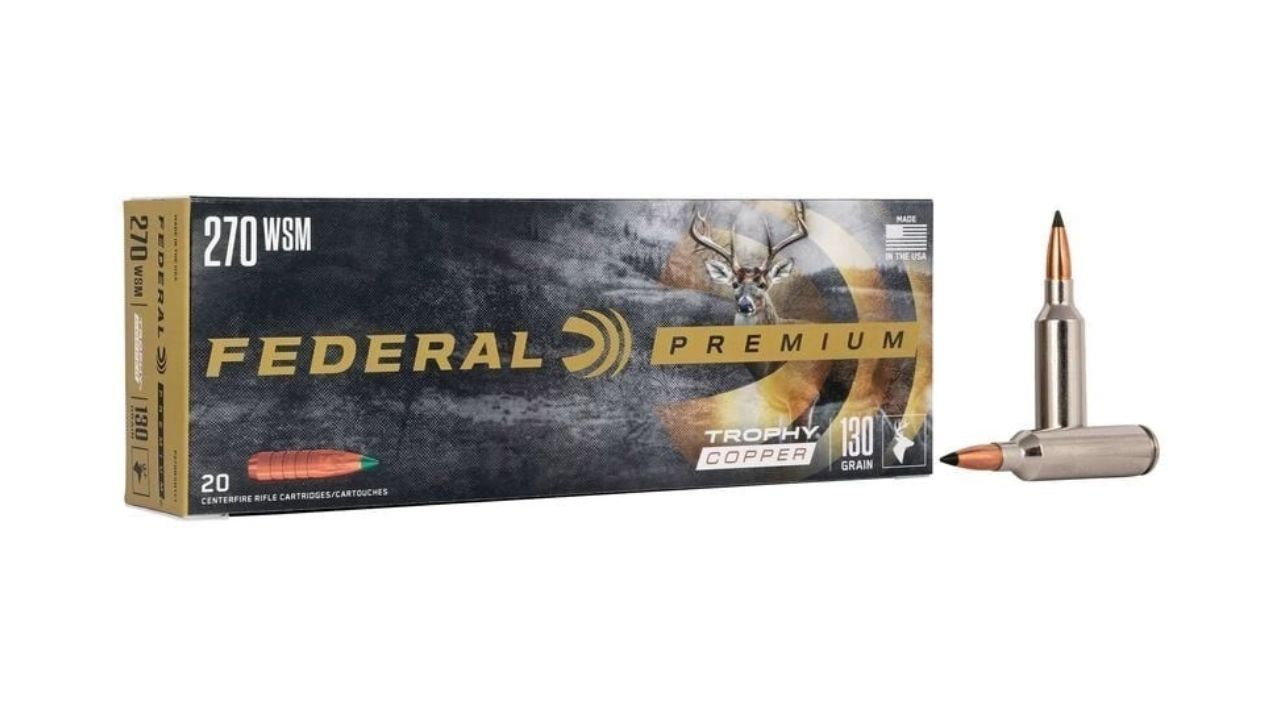
Plenty of people were excited about the .270 WSM when it hit the shelves, but reality made the drawbacks tough to ignore. It kicks harder than its performance gain warrants, burns barrels faster than many expect, and costs more to feed than calibers that perform cleaner in the field.
When you finally run a .280 Ackley or a .270 Win with modern bullets, you notice how much smoother they handle. They deliver excellent reach without punishing recoil or finicky ammo. After that, the .270 WSM often ends up spending a lot more time in the safe.
.25-06 Remington

The .25-06 has put down plenty of deer, but it demands long barrels, burns powder aggressively, and drops faster than many new hunters expect once you stretch past 300. Bullet selection hasn’t kept pace with the newer 6mm and 6.5mm crowd either, which limits its flexibility.
Move into a 6.5 Creedmoor, 6.5 PRC, or even a .260, and you’ll see how much better those cartridges carry energy, especially on quartering shots. They keep wind drift under better control and hit with more authority. After a season with one of those, most hunters stop reaching for the .25-06 unless they already have deep sentimental ties to it.
.280 Remington
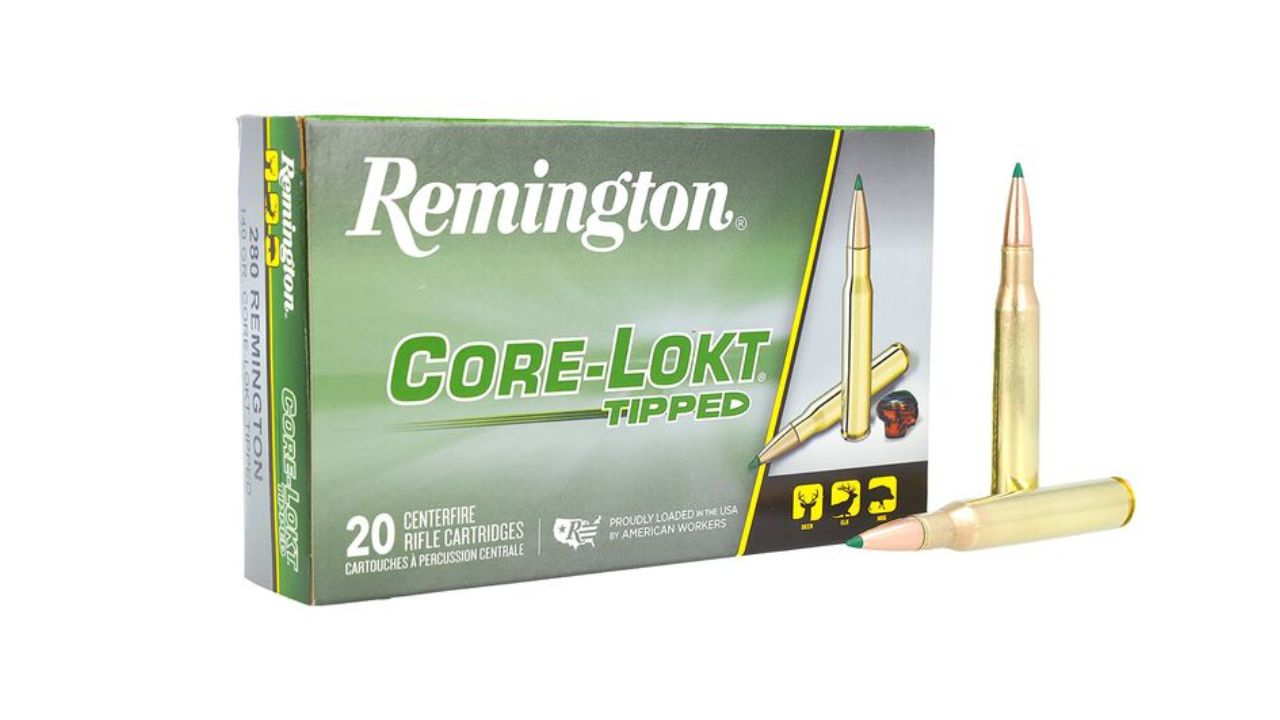
The .280 Remington never earned the place it deserved, but that lack of widespread ammo availability becomes a real headache in the field. Many hunters get tired of chasing down loads that are easy to find in competing calibers.
Once you try the .280 Ackley Improved, everything shifts. The AI version delivers better speeds, supports superior bullet options, and doesn’t punish you with recoil. It simply performs better in every practical way. After spending time with the AI, going back to the standard .280 feels like a step in the wrong direction.
.30 Carbine

A lot of hunters experiment with the .30 Carbine out of curiosity or nostalgia, and it doesn’t take long to see where it comes up short. It lacks the penetration and energy needed for ethical shots beyond close-range situations, especially on tough-angled deer.
When you move to a true mid-size cartridge such as the .300 Blackout, .30-30, or .350 Legend, you get better bullet construction and reliable terminal performance. The .30 Carbine becomes something you shoot for fun, not something you trust in the woods.
.22-250 Remington

The .22-250 is a predator hunter’s dream, but many hunters find out the hard way that it isn’t consistent on deer-sized game unless conditions are perfect. The lightweight bullets carry speed but lack the structure to reliably push through shoulder bone.
Try a 6mm Creedmoor or .243 with high-quality controlled-expansion bullets, and you’ll feel how much better they handle varied shot angles. The difference in consistency is hard to ignore. Most hunters retire the .22-250 from deer duty once they see what the newer 6mm cartridges deliver.
.35 Remington
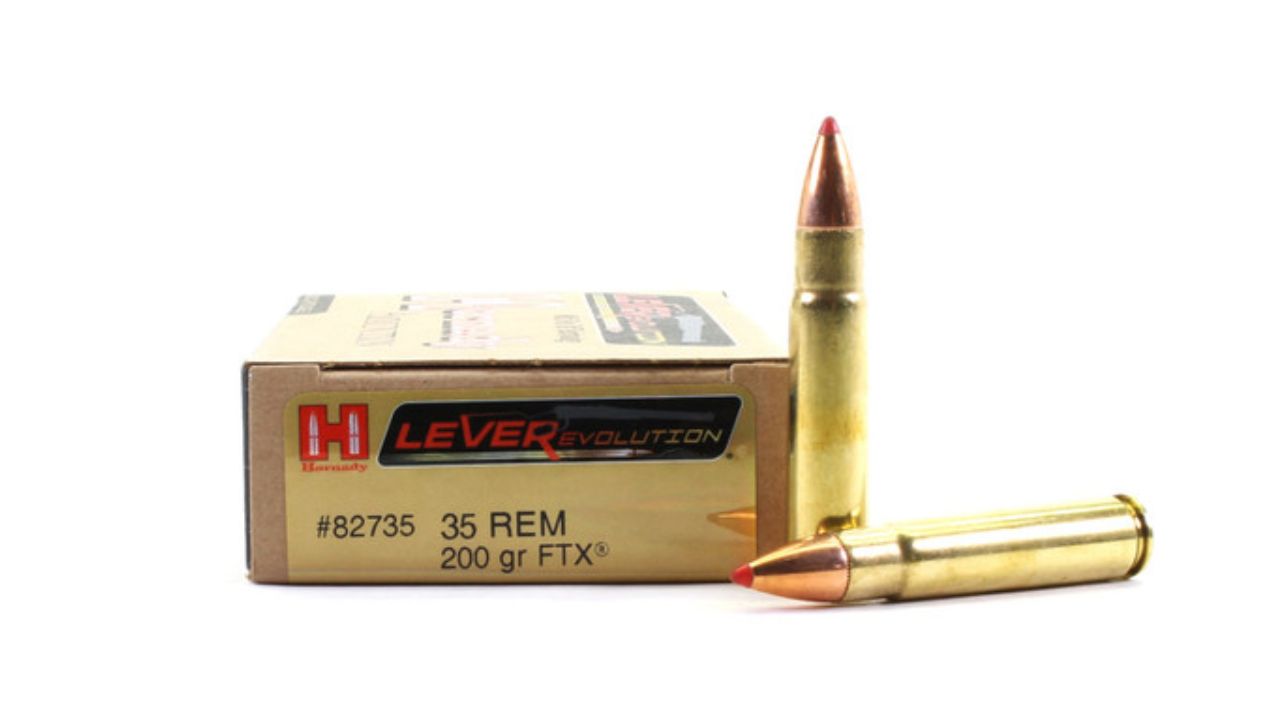
The .35 Rem was once a favorite in the timber, but ammo availability has dwindled, and the performance gap becomes obvious when you compare it to newer straight-wall options. In most rifles, its trajectory is limiting, and the bullet options aren’t keeping pace with modern design.
Switch to a .350 Legend or .450 Bushmaster, and you’re suddenly shooting affordable ammo that hits harder and groups cleaner. Those cartridges work better in modern rifles and deliver more confidence inside the ranges where people traditionally used the .35 Rem. That’s when it starts collecting dust.
.32 Winchester Special
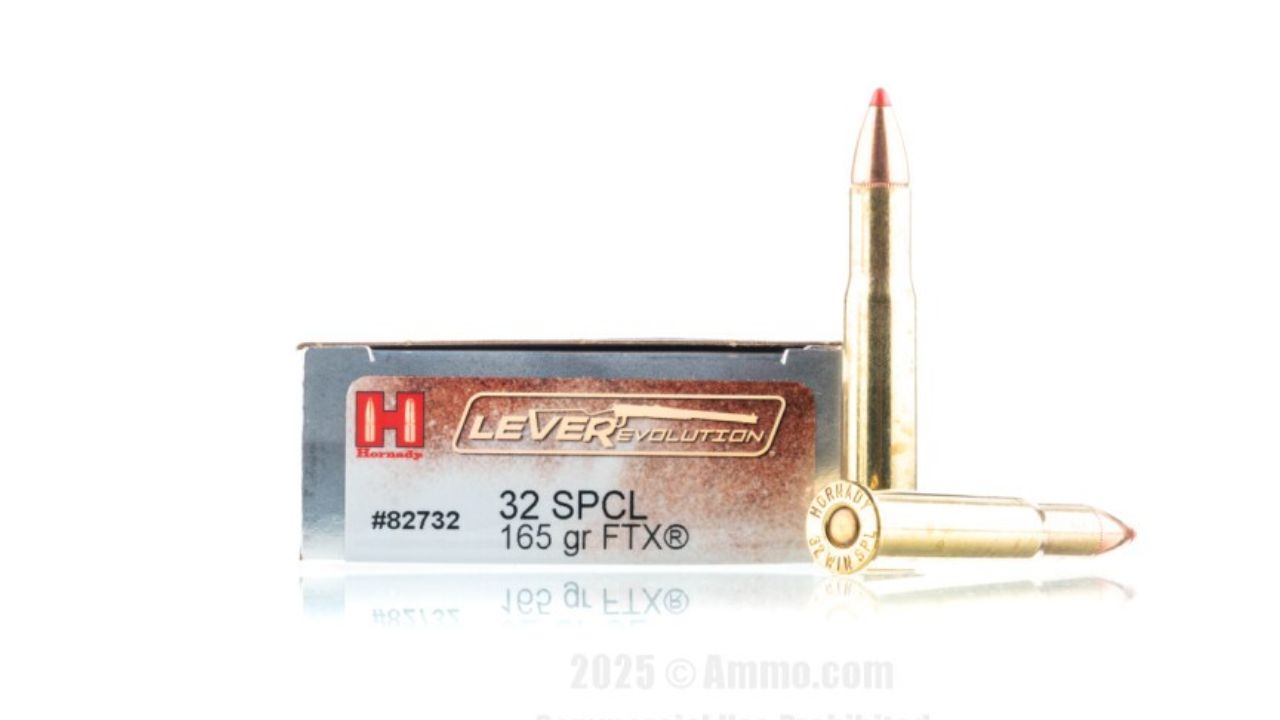
Plenty of lever-gun hunters grew up carrying a .32 Special, and it still holds charm. But ammo is scarce, bullet development stalled decades ago, and real-world performance doesn’t offer any noticeable advantage over a .30-30.
Once you try a modern .308 bolt gun or even a newer lever rifle chambered in .360 Buckhammer, you see how far things have come. Better accuracy, better reach, and ammunition you can actually find. The .32 Special becomes a rifle you own, not one you rely on.
.30-40 Krag
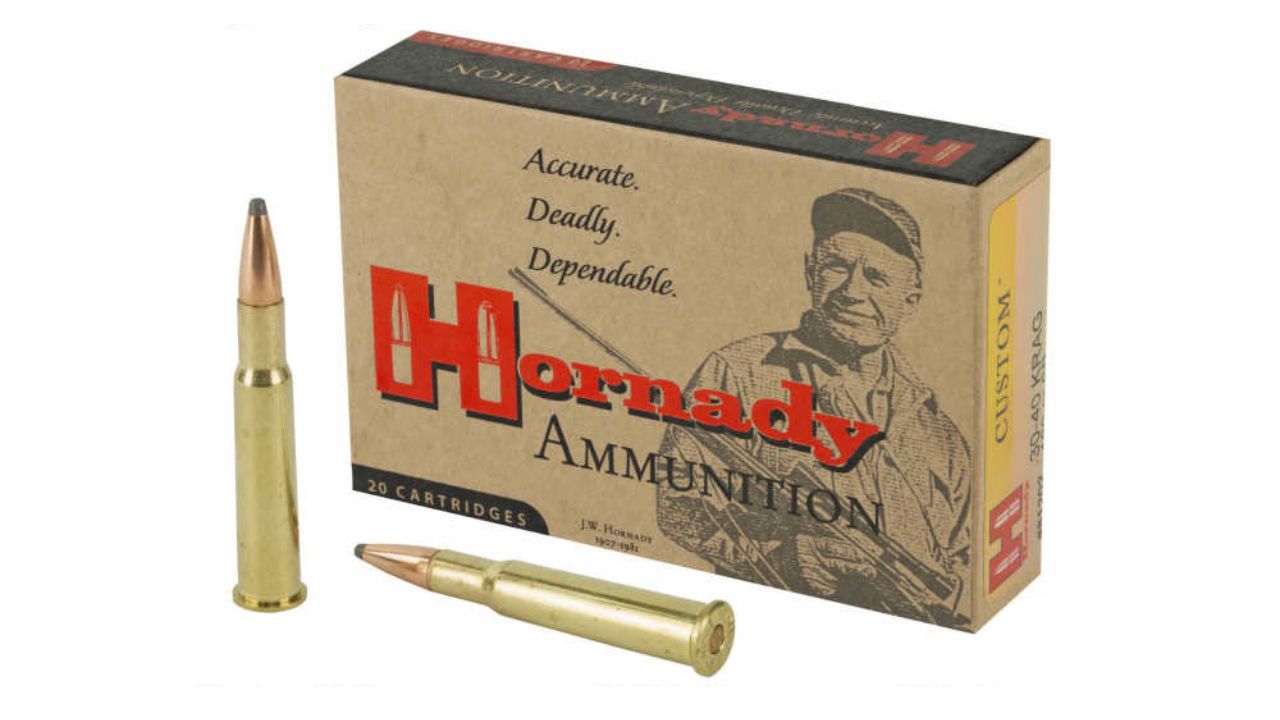
Classic rifles chambered for .30-40 Krag are fun to shoot, but most hunters have moved on from using them in the field. Factory ammo is limited, and modern cartridges deliver more energy with less hassle.
If you’ve ever taken a .308 or .30-06 into the woods after spending years with a Krag, the difference is obvious. You get cleaner performance on angled shots, flatter flight, and far better bullet technology. The Krag often ends up appreciated as history rather than a practical hunting tool.
.300 Savage

The .300 Savage served its purpose for decades, but it simply can’t keep up with modern .308-based rifles. Pressure limitations, older case design, and the lack of modern high-BC bullets make it tough to justify if you’ve tried something newer.
Once you run a .308 Win or 7mm-08 with quality ammunition, you realize how much smoother they shoot and how consistently they anchor deer. Hunters who switch rarely go back because the .300 Savage feels dated by comparison.
.22 Magnum
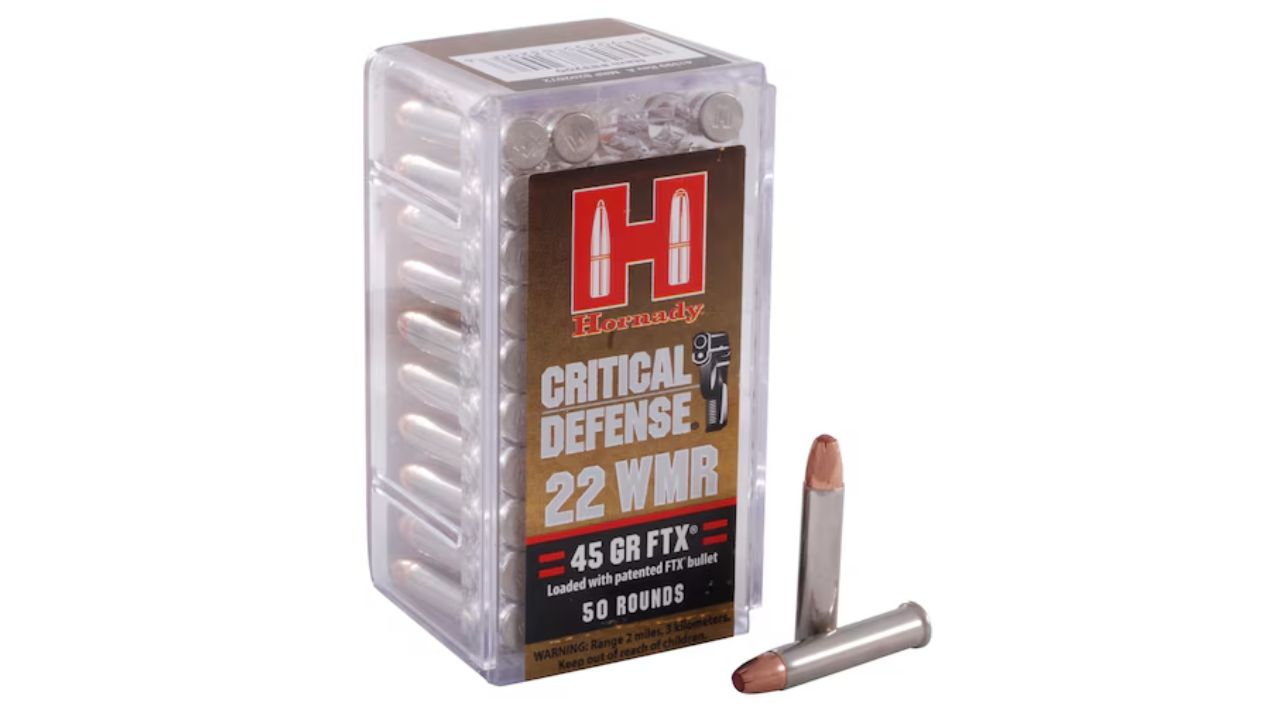
The .22 Mag has a loyal following for small game, but a lot of hunters retire it from predator work once they spend time with a .223 or .204 Ruger. The difference in reach and energy is dramatic, especially in wind or cold mornings when bullets behave unpredictably.
Try calling coyotes with a .223 and you’ll see how much more confidence you have at longer ranges. You get cleaner hits and fewer runners. After that, most hunters keep the .22 Mag for rabbits and squirrels, not predators.
.44-40 Winchester
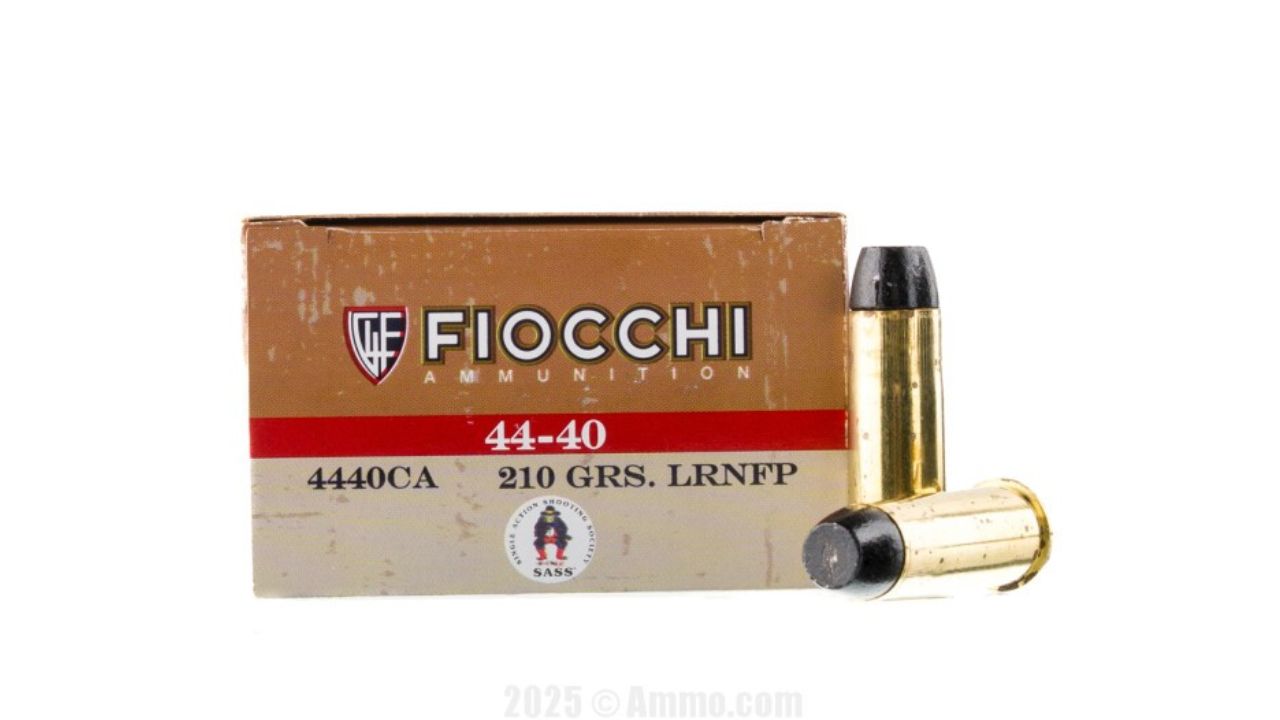
The .44-40 has history behind it, but its thin brass, lower pressures, and limited bullet selection make it tough to rely on today. Accuracy can be inconsistent, and modern straight-wall cartridges overshadow it in every measurable way.
Once you pick up a .350 Legend or .450 Bushmaster, the performance jump is obvious. Better ammo, tighter groups, and real stopping power. Hunters who experience that difference stop taking the .44-40 into the field except for nostalgic hunts.
.35 Whelen (Standard Factory Loads)
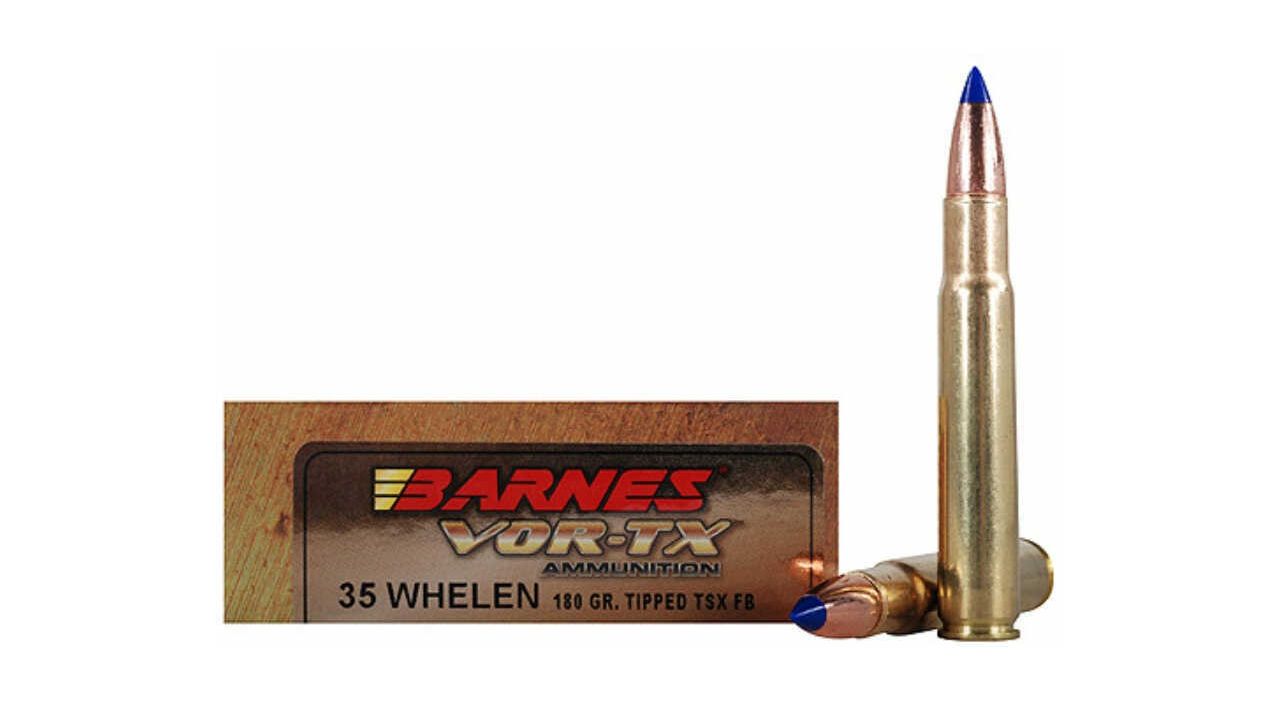
The .35 Whelen is still loved by many, but most factory loads don’t take full advantage of what the case can do. That leaves many hunters underwhelmed, especially when recoil is steeper than expected for the performance delivered.
Switch to a .338 Win Mag, .30-06 with heavy bonded bullets, or a .300 Win Mag, and you start seeing more consistent penetration and better energy retention. Hunters who want straightforward performance often end up shelving the Whelen unless they’re handloaders.
.45-70 Government (Traditional Loads)
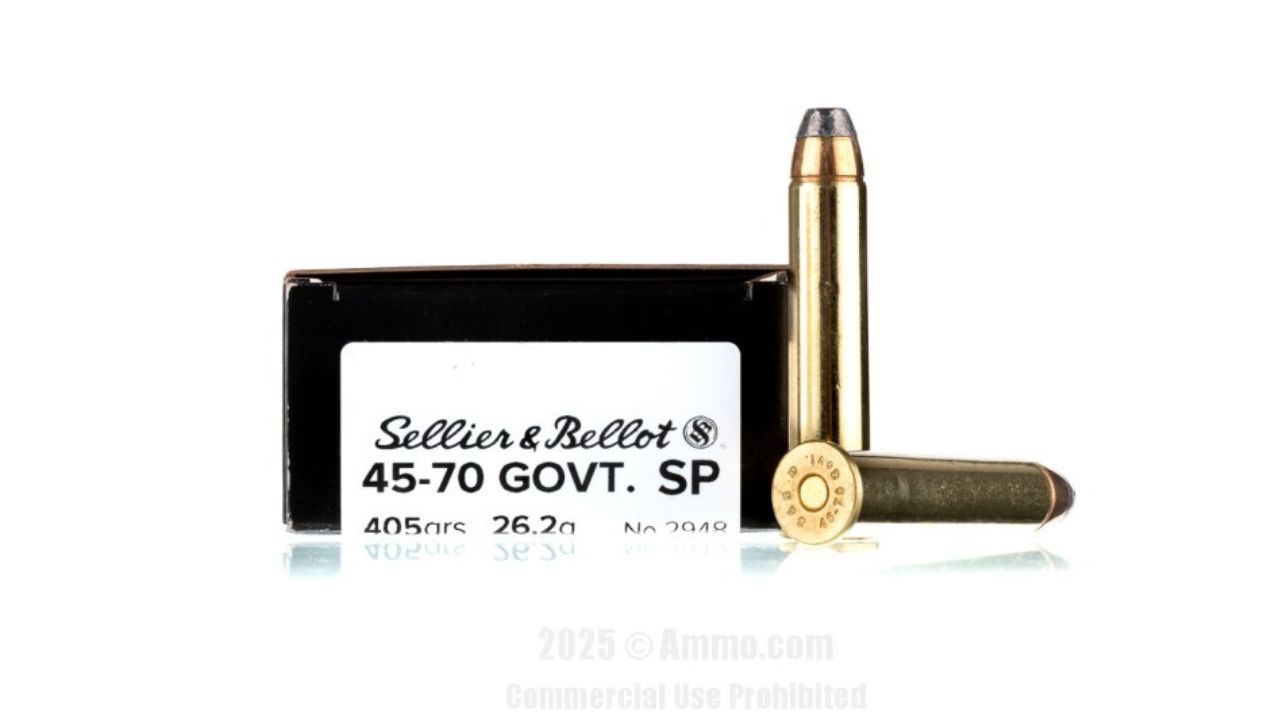
Modern rifles and hot loads can turn the .45-70 into a hammer, but many hunters only experience it with traditional mild loads. Those loads drop quickly, struggle with longer shots, and don’t bring the advantages newer big-bore cartridges offer.
Once you try something like a .450 Marlin, .350 Legend for close-range deer, or even a .308 for general use, the difference is obvious. You get cleaner trajectories and easier shot placement under pressure. That’s when many hunters retire mild .45-70 setups from serious duty.
Like The Avid Outdoorsman’s content? Subscribe to our newsletter so you never miss an article.
Here’s more from us: