Photo credit: Blaser
Some rifles look great in a catalog and feel even better when you are standing at the counter talking yourself into the purchase. The stock looks sharp, the action feels smooth, the brand has status, and the price tag makes you assume it has to perform better than a plainer working rifle. Then you get it into the field and realize money does not always buy confidence.
A hunting rifle has to do more than look expensive. It has to carry well, stay consistent, feed cleanly, handle weather, settle fast for a shot, and make sense after miles of walking or hours in rough country. Some rifles are not bad guns at all, but they can feel underwhelming once the real field work starts.
Weatherby Mark V Deluxe

The Weatherby Mark V Deluxe has all the shine you expect from a classic Weatherby. Glossy wood, high polish, strong action, and big-cartridge swagger all make it feel special when you first pick it up.
In the field, though, that polish can start working against you. The rifle can be heavy, the finish is easy to baby, and the magnum chamberings many buyers choose bring recoil that not every hunter shoots well. It is a beautiful rifle, and the Mark V action is strong. But for hunters who expected price and presence to turn into effortless field performance, the Deluxe can feel like too much show for rough hunting.
Kimber Mountain Ascent

The Kimber Mountain Ascent sounds like the answer for hunters who want to shave weight everywhere possible. It is light, expensive, and marketed toward mountain use, which makes the promise pretty clear.
The problem is that ultralight rifles are rarely forgiving. The Mountain Ascent can be harder to shoot well from field positions, especially in harder-kicking chamberings. Some rifles also developed a reputation for being picky about loads, which is frustrating when you spent serious money. It may be useful in steep country, but plenty of hunters learn that lighter does not automatically mean better once the shot gets difficult.
Christensen Arms Ridgeline

The Christensen Arms Ridgeline has the kind of modern look buyers like: carbon-fiber wrapped barrel, light weight, premium branding, and the promise of better accuracy without dragging a heavy rifle through the woods.
Some hunters love theirs, but others walk away underwhelmed when the rifle does not shoot as consistently as the price suggests. Carbon barrels can be attractive, but they do not magically erase load sensitivity, heat behavior, or basic rifle fit. If the Ridgeline shoots well, it is a handy hunting rifle. If it does not, the cost makes the disappointment sting a lot more.
Browning X-Bolt Pro
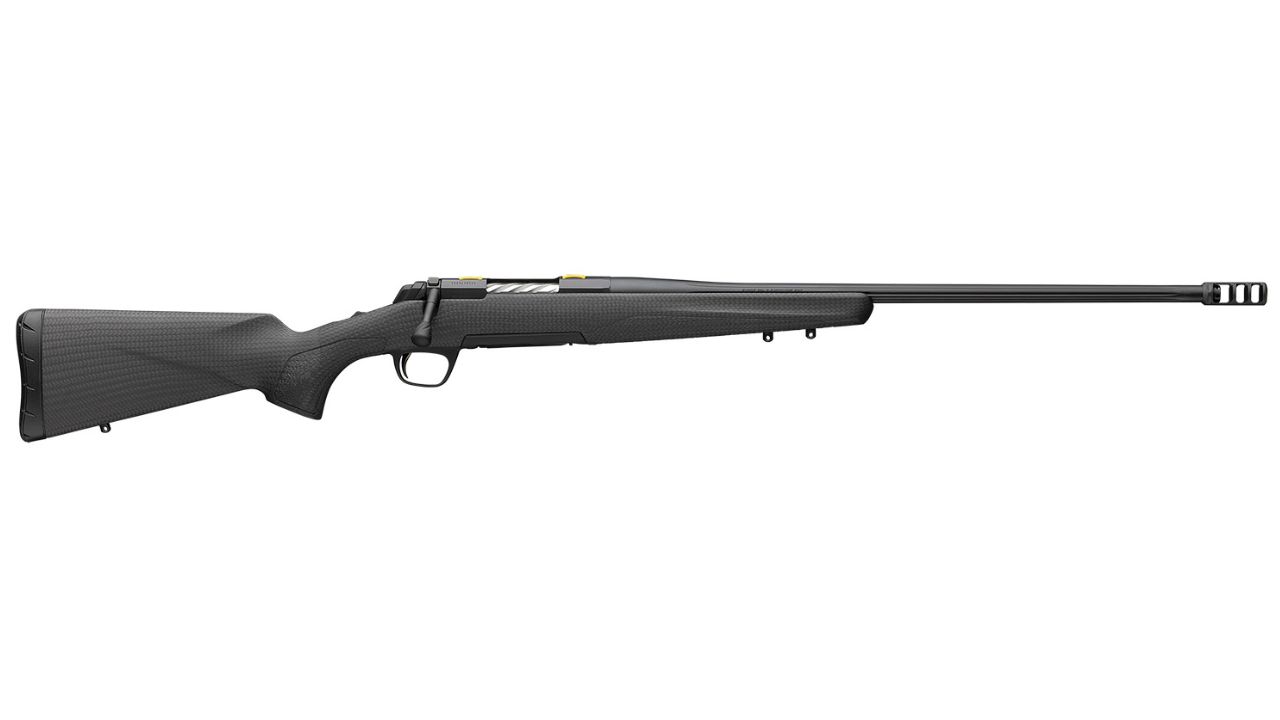
The Browning X-Bolt Pro is a good example of a rifle that can be objectively nice and still leave some hunters wondering what they paid for. It has a carbon-fiber stock, stainless components, and a more premium feel than a standard X-Bolt.
In the field, though, the gain over plainer hunting rifles may not feel dramatic. The rifle is light and accurate enough for many hunters, but not every owner feels the extra cost turns into a meaningful advantage. If you expected it to completely change your hunting, it probably will not. It is refined, but refinement does not always equal better results on deer, elk, or sheep.
Fierce Fury
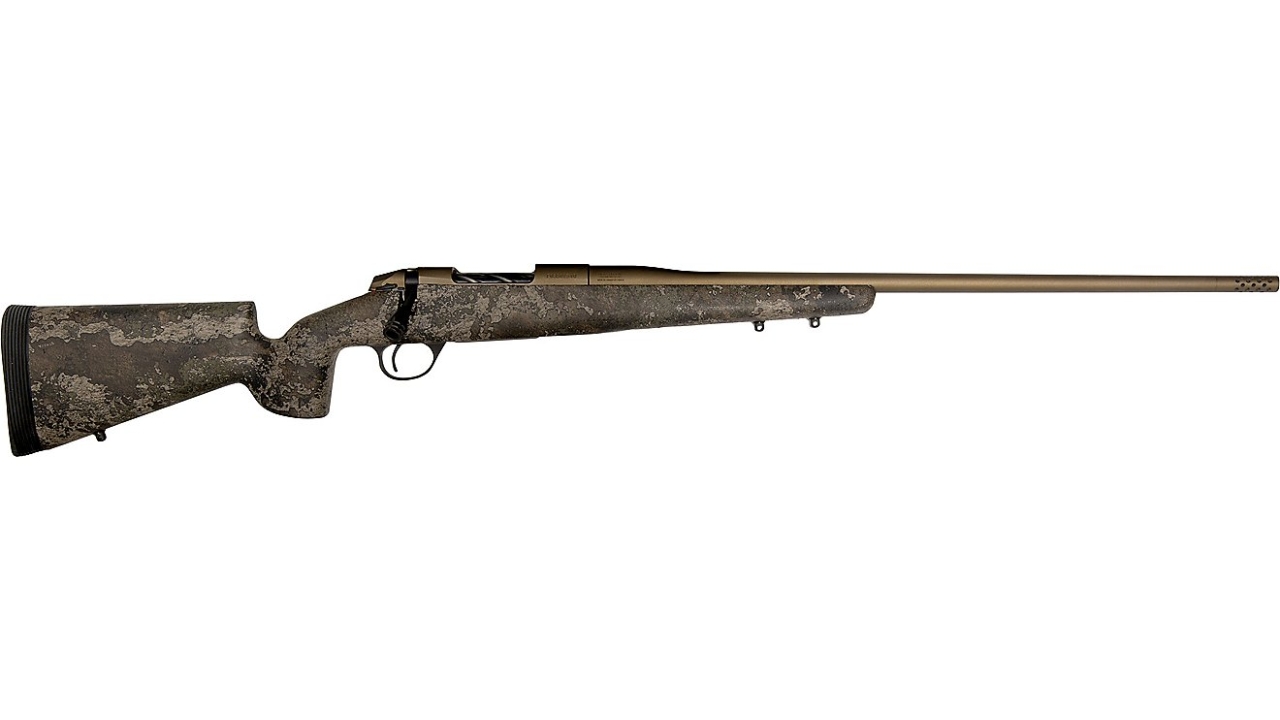
The Fierce Fury is marketed toward hunters who want a premium-feeling rifle without going fully custom. The price, features, and accuracy claims can make it sound like a serious upgrade over a regular production bolt gun.
The field experience depends heavily on the individual rifle, and that is where frustration starts. Some shooters report good accuracy and smooth handling, while others feel the rifle does not quite match the cost. When a hunting rifle sits in that higher-price space, expectations rise fast. If feeding, accuracy, or finish does not feel clearly better than cheaper rifles, buyers naturally start questioning the purchase.
Sako 85 Finnlight
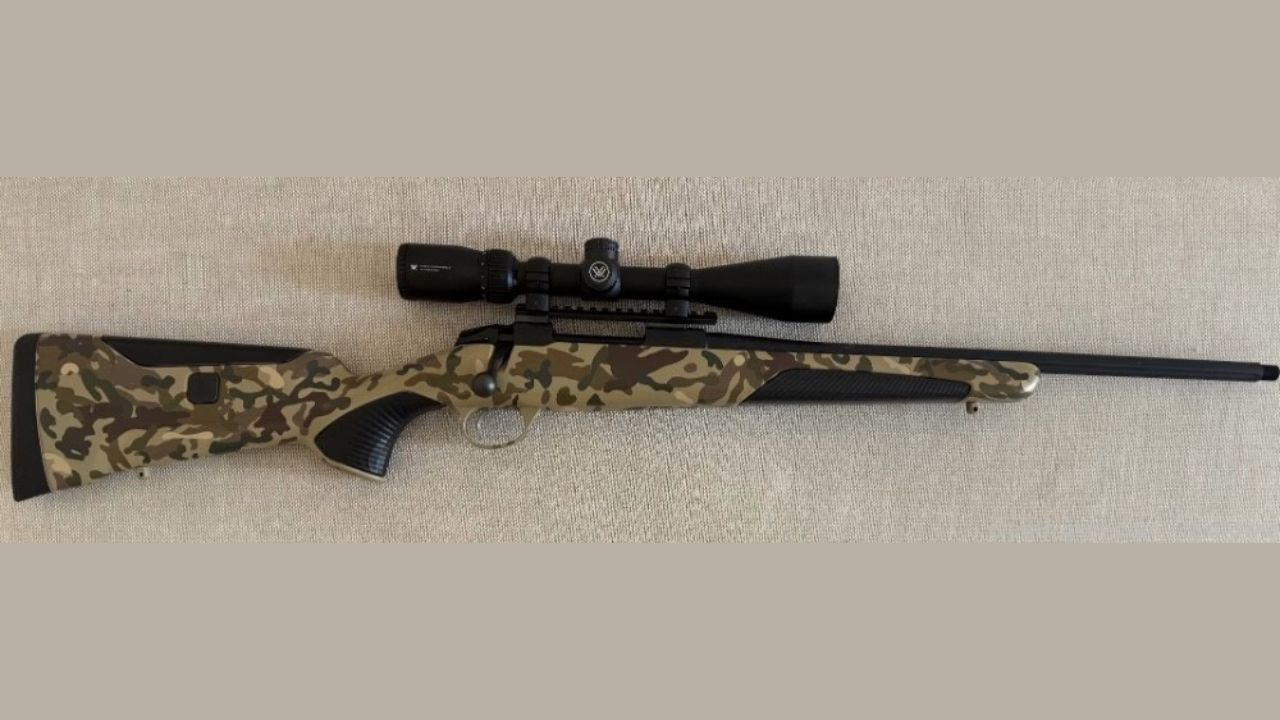
The Sako 85 Finnlight is a rifle many hunters admire, and for good reason. It is light, nicely made, and carries the Sako name, which comes with real expectations for accuracy and quality.
Still, it can feel underwhelming for hunters who expected perfection. The lightweight build can make recoil sharper, and some shooters have complained about ejection behavior depending on setup and scope clearance. It is a fine rifle when everything works together, but it is expensive enough that small annoyances feel larger. At that price, hunters do not want to make excuses for brass, balance, or load sensitivity.
Blaser R8
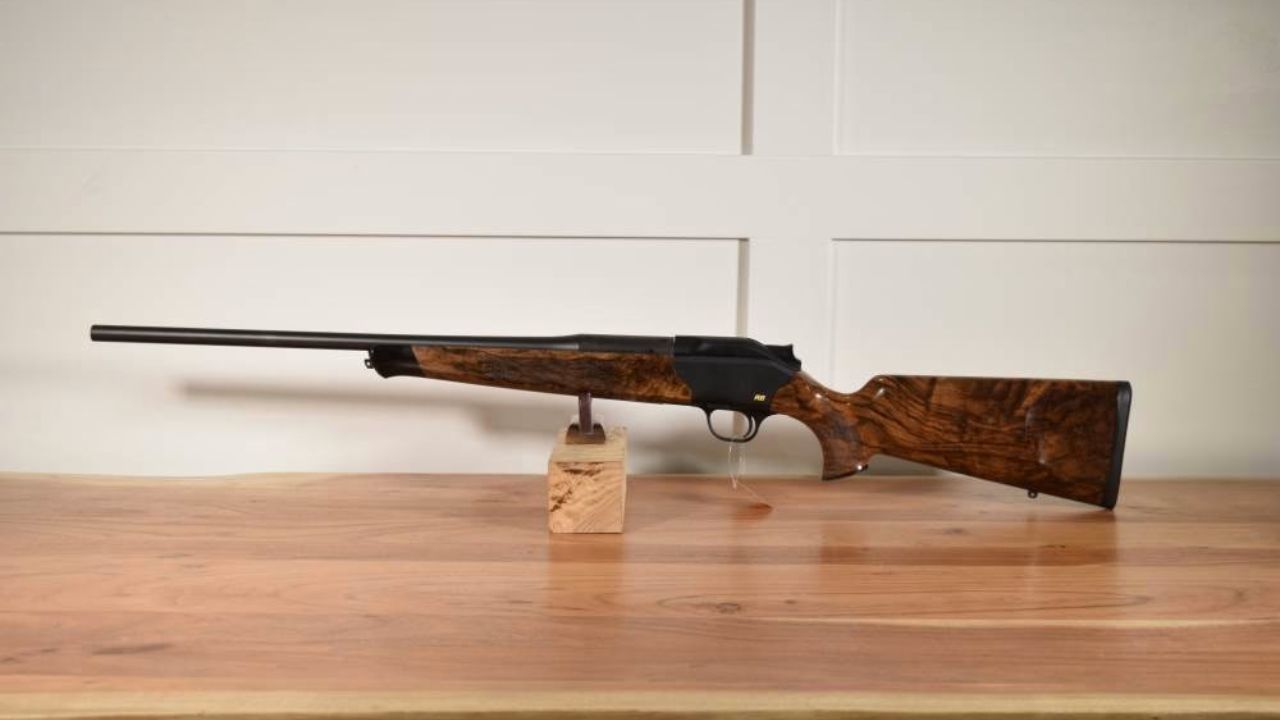
The Blaser R8 is one of the most expensive hunting rifles many American hunters will ever seriously consider. The straight-pull action, modular barrel system, and German engineering make it feel like a different class of rifle.
That does not mean every hunter will love it in the field. The price is enormous, the manual of arms feels unfamiliar to many bolt-gun shooters, and the rifle can feel more complicated than necessary for ordinary deer or elk hunting. For traveling hunters who use the modular system, it can make sense. For a guy who mostly needs one dependable rifle, the R8 can feel like a lot of money for a solution he did not really need.
Nosler Model 48 Mountain Carbon

The Nosler Model 48 Mountain Carbon had the right ingredients for a premium mountain rifle: lightweight build, carbon-fiber barrel, and the Nosler name attached to hunting accuracy. On paper, it looked like a serious high-country tool.
In real use, some hunters found the same issues that follow many ultralight rifles. They can be less forgiving from improvised rests, more sensitive to shooter input, and less pleasant with hard-kicking cartridges. If the rifle shoots your load well, it can do the job. But the cost raises expectations. When a less expensive rifle prints just as well and handles steadier, the premium becomes harder to defend.
Barrett Fieldcraft

The Barrett Fieldcraft gained a strong following, and it deserved a lot of that praise. It was light, well designed, and far more interesting than many production hunting rifles. That does not mean every hunter found it perfect once the walking stopped and the shooting started.
The Fieldcraft’s light weight made it great to carry but less forgiving to shoot, especially in chamberings with more recoil. Some hunters also found the slim stock and minimal build harder to steady from real field positions. It is a respected rifle, not a bad one. But for buyers expecting a lightweight rifle to solve everything, it could still feel underwhelming when the shot was rushed.
Cooper Model 92 Backcountry

The Cooper Model 92 Backcountry had the premium-rifle appeal buyers expect from Cooper: nice machining, a light build, and an accuracy-focused reputation. It looked like a rifle for hunters who wanted something above the usual factory options.
The problem is that field rifles live outside benchrest conditions. A light rifle with a high price still has to carry comfortably, balance well, and shoot predictably from awkward positions. Some hunters love the Cooper feel, while others find that the extra money does not always deliver a better field result than a simpler, tougher rifle. When the gap is not obvious, the price becomes hard to ignore.
Benelli Lupo
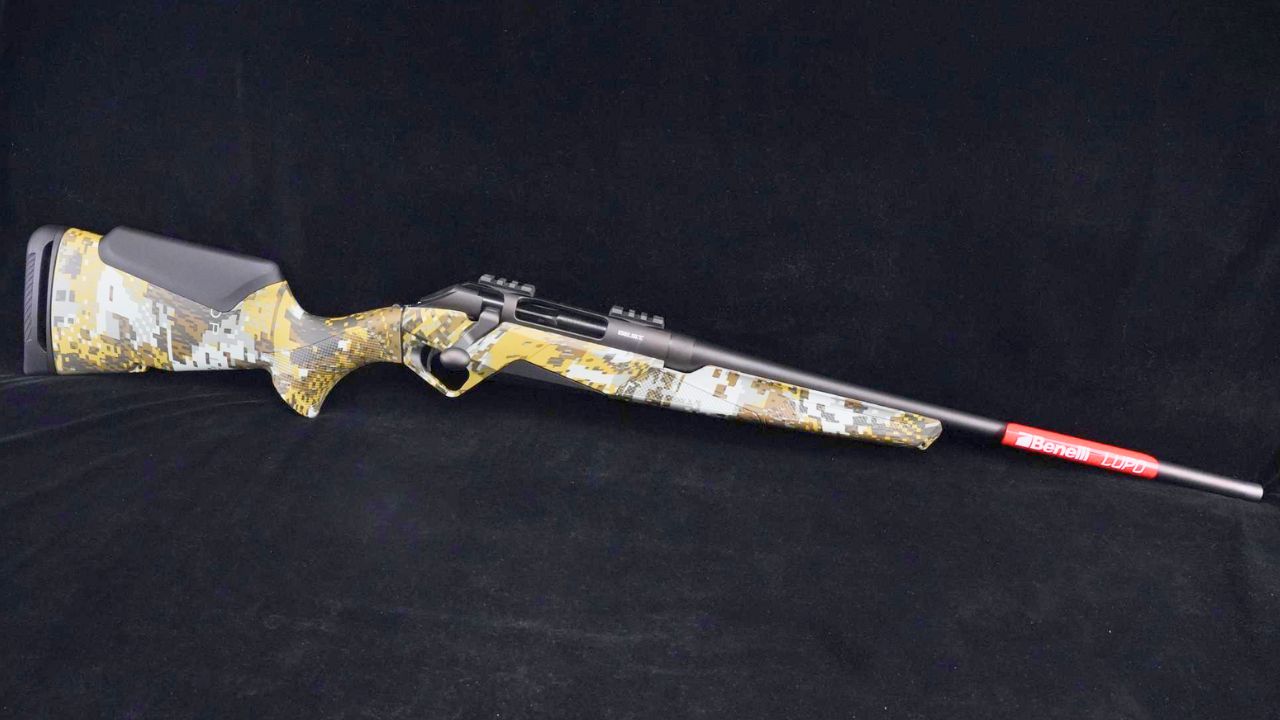
The Benelli Lupo brought a fresh design into the bolt-action hunting market, with modular stock adjustments and a very modern look. It is not cheap, and the Benelli name made many hunters expect something clearly better than the usual bolt gun.
For some, it delivers. For others, it feels a little too styled and busy for what a hunting rifle needs to be. The shape, controls, and overall feel can be polarizing, especially for hunters used to classic bolt-action lines. Accuracy can be good, but if the rifle does not fit your eye and shoulder naturally, it may not feel like a field upgrade. Sometimes clever design still loses to simple comfort.
Sauer 100 Pantera
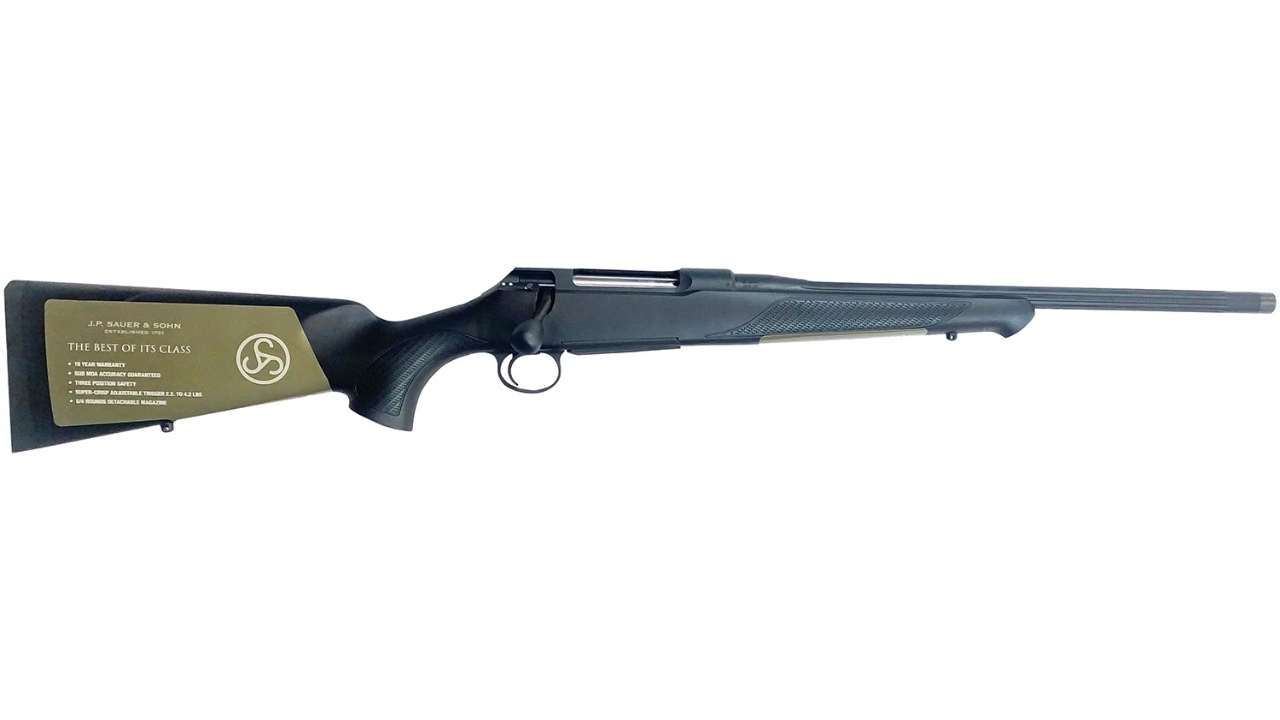
The Sauer 100 Pantera has a tactical-leaning look and a price that can make hunters expect a serious precision tool. The adjustable stock, heavier barrel profile, and European branding all give it more presence than a basic deer rifle.
In the field, that same setup can become a drawback. It is not the rifle many hunters want to carry all day, and the tactical stock style can feel awkward in traditional hunting situations. It may shoot well from a rest, but field usefulness is about more than groups. If a rifle is expensive, heavy, and not especially pleasant to carry, it can start feeling like the wrong tool fast.
Bergara Mountain 2.0

The Bergara Mountain 2.0 is a higher-end hunting rifle that appeals to buyers who want lighter weight, a good barrel, and modern materials without stepping into full custom territory. Bergara has earned a strong reputation, so expectations are naturally high.
The underwhelming part comes when hunters realize a light rifle still demands careful shooting. It may not feel as steady as heavier Bergaras, and the price jump over more basic models may not bring a field advantage every hunter can feel. If you need a lighter rifle, it makes sense. If you expected it to shoot like a heavy range rifle while carrying like a feather, disappointment can creep in.
Proof Research Elevation

The Proof Research Elevation has the premium carbon-barrel appeal that pulls in hunters who want lightweight accuracy with serious bragging rights. It looks like the kind of rifle that should make ordinary hunting rifles feel outdated.
But carbon barrels and high-end parts do not guarantee every hunter will shoot it better. The rifle can be expensive enough that normal load development, shooter error, or field-position wobble suddenly feel unacceptable. A good Elevation can be excellent. The issue is expectation. When a rifle costs that much, hunters expect a dramatic difference. In the field, the gap is not always as wide as the price suggests.
Browning BAR Safari

The Browning BAR Safari has plenty of loyal fans, and it can be a very effective hunting rifle. It also has the kind of gloss, weight, and semi-auto appeal that makes buyers think they are getting a refined answer for deer woods and quick follow-up shots.
In practice, it can feel underwhelming if you expected bolt-rifle accuracy in a heavier semi-auto package. The BAR carries more weight than many hunters want, and the glossy wood-and-blue finish is not something everyone wants to drag through wet brush. It is smooth and classy, but not always practical. Some hunters eventually realize they paid for charm more than field advantage.
Like The Avid Outdoorsman’s content? Be sure to follow us.
Here’s more from us: