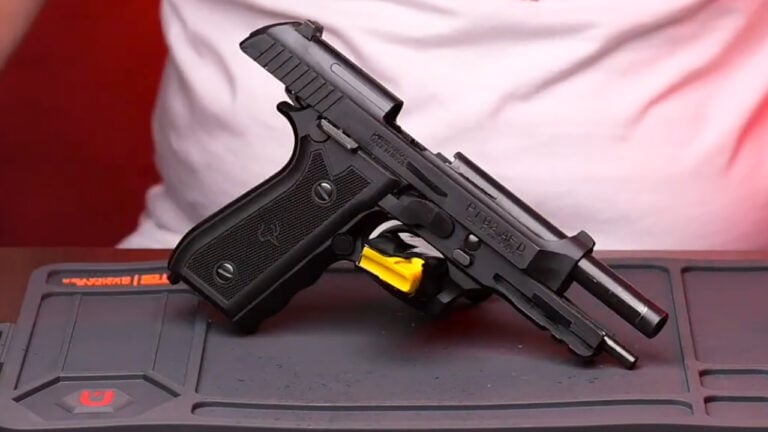
Photo credit: GUNS/YouTube.
They’re tiny, light, and easy to stash just about anywhere—but does that make a .22 LR pocket pistol a smart choice for self-defense? A lot of folks are drawn to these little guns because of their low recoil and convenience, but when push comes to shove, you need something that can actually stop a threat. Let’s break down the pros and cons so you know exactly what you’re trading off.
They’re Easy to Carry, No Doubt

Pocket .22s are about as easy to carry as it gets. They disappear in a front pocket, and you’ll barely notice the weight. For people who struggle with heavier handguns, that’s a big plus.
The downside is that this convenience comes with compromises. You’re working with a smaller grip, shorter sight radius, and often, a gun that’s not that fun to shoot.
Recoil Is Practically Nonexistent
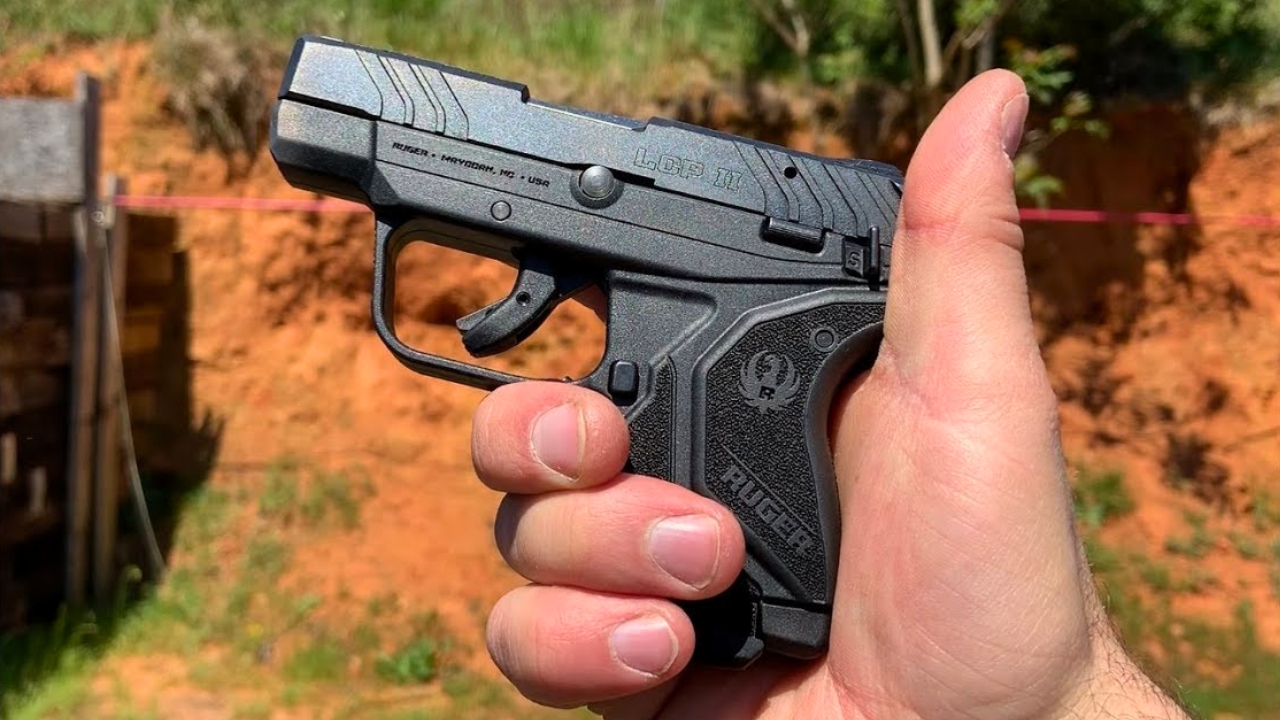
The low recoil makes it easier to stay on target, especially for folks with arthritis or limited hand strength. Shooting a .22 is gentle, which helps with confidence and accuracy during practice.
But that light recoil also means light energy. You won’t get much stopping power out of it, and that matters when you’re depending on it to save your life.
Ammunition Can Be Unreliable

One of the biggest issues with .22 LR is that it’s rimfire, not centerfire. That means it’s just more likely to misfire, especially in bulk ammo. Not something you want to deal with in a crisis.
Even high-quality .22 rounds can be inconsistent in tiny pocket pistols. Some of those guns can be picky eaters when it comes to ammo.
Shot Placement Becomes Everything

With a small, underpowered round like the .22, shot placement matters a lot more than it would with something like a 9mm. You’re counting on hitting something vital to stop the threat.
That puts a lot more pressure on the shooter. In a high-stress moment, making precise shots with a tiny pistol is a tall order—even for someone who trains regularly.
You Might Need Multiple Shots

There are plenty of real-world stories of .22s stopping attackers—but they usually require several hits to get the job done. That’s not ideal when time is short and the threat is moving.
Yes, modern .22 loads like CCI Velocitor or Federal Punch offer better penetration. But you’re still talking about a round that was never designed for defense.
Reliability in Pocket Pistols Varies

Some .22 pocket pistols run great—others are jam machines. Blowback designs paired with cheap ammo can turn into a recipe for feeding issues, stovepipes, or light primer strikes.
Before trusting one, you’ll need to put a lot of rounds through it. If it doesn’t run flawlessly after that, it shouldn’t be part of your self-defense plan.
They’re Better Than Nothing

Let’s be real—a .22 in your pocket is better than nothing at all. If it’s the only gun you’re comfortable carrying, or the only one you can shoot accurately, it can still be a viable option.
But it should be your last resort, not your go-to. There are better calibers and platforms out there that still offer low recoil and compact size.
Training Is Non-Negotiable

If you’re going to carry a .22 for defense, you need to train more, not less. That means drawing from concealment, practicing malfunctions, and shooting fast follow-ups.
The good news? Ammo is cheap, so you can afford to train often. Just make sure your gun and ammo combo is reliable before you count on it.
*This article was developed with AI-powered tools and has been carefully reviewed by our editors.