Photo credit: Texas Plinking/YouTube
You’ve probably heard the stories—someone ran a Glock for 10,000 rounds without ever once cleaning it. Sounds crazy, but with all the Glock reliability talk, it’s the kind of claim that makes folks curious. Is it fact, myth, or just internet bragging?
Truth is, there’s more to the story. While Glocks are known for running dirty, there’s a difference between what they can do and what you should do. Let’s break down what really happens when you push a Glock that far without a wipe-down.
Glock’s Reputation for Reliability Is Earned

Glocks have earned a name for being dependable. They’re built with simplicity in mind, and the polymer frame and striker-fired system don’t have a lot of moving parts to gum up. That’s part of why they’re so popular with police, military, and everyday folks.
Plenty of torture tests have pushed Glocks to their limits—mud, sand, water, you name it. In most cases, they keep running. So yes, going thousands of rounds without cleaning isn’t unheard of. But there’s a catch.
Not All Ammo Is Created Equal

If you’re shooting clean, quality ammo, a Glock can go a long time without choking. But if you’re running steel-cased or dirty reloads, that grime builds up fast. Carbon fouling, unburned powder, and gunk can start to affect function way sooner.
It’s not just about the gun—it’s also about what you feed it. Shoot clean, and the pistol stays cleaner longer. Shoot dirty, and you might be asking for trouble by the 1,000th round.
Just Because It Can Doesn’t Mean You Should
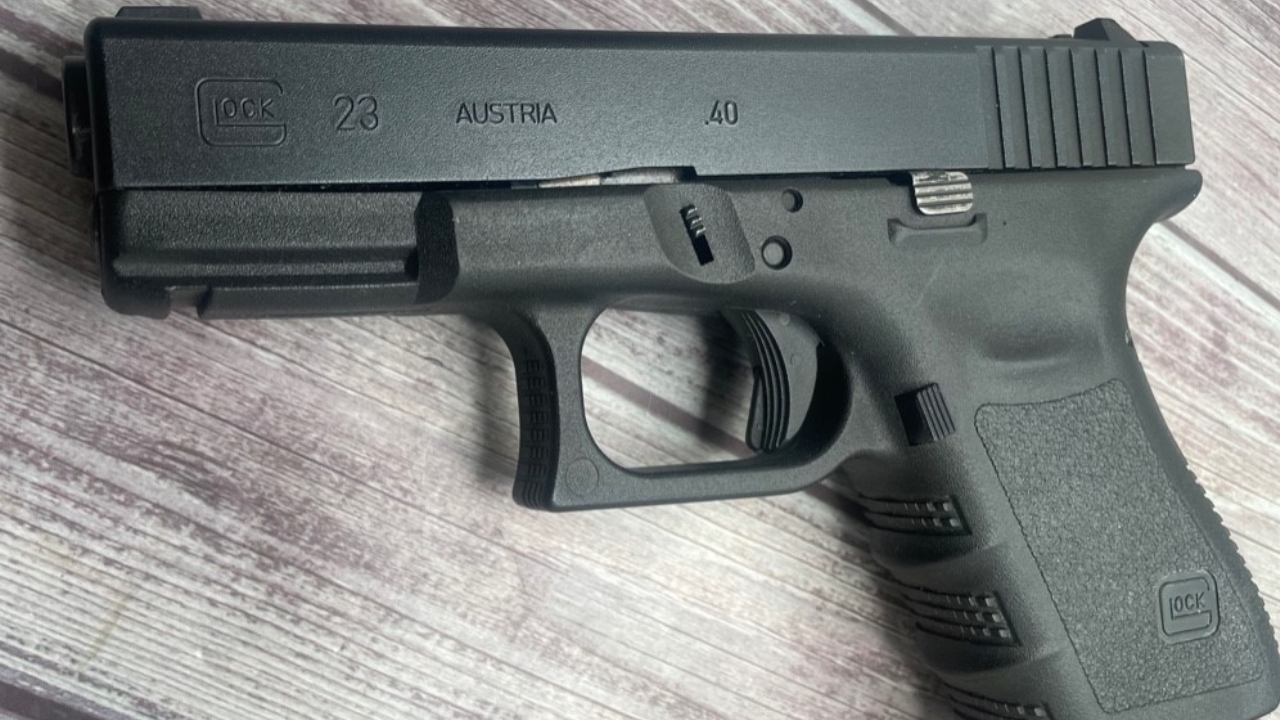
Yeah, Glocks can handle abuse, but going 10,000 rounds without cleaning is like never changing the oil in a reliable truck. It might keep running for a while, but you’re asking for parts to wear faster or something to eventually fail.
Cleaning a Glock doesn’t take long. A quick field strip, some solvent, a brush, and a few patches go a long way. Keeping it maintained means it’ll be ready when you actually need it.
Real-World Tests Aren’t Everyday Use

There are Glock torture tests online where folks have pushed well past 10,000 rounds without a single wipe-down. Those are fun to watch and good for proving how tough the design is. But they’re not what most shooters should model.
In the real world, most shooters aren’t running 500 rounds a session for weeks on end. Clean every few trips to the range, and your Glock will probably outlast you. There’s no need to test the limits unless you’re just curious—or a YouTuber.
Grit and Carbon Can Still Cause Malfunctions

Even if the gun fires, a dirty Glock might start having light primer strikes, weak ejection, or sluggish cycling. A little carbon in the striker channel or a dirty extractor can lead to issues that aren’t obvious at first.
These kinds of slow-burn problems can creep up without you realizing it. The gun might not jam every time, but it may not be running 100%—and that’s not something you want to gamble on for carry or defense.
Clean Guns Are Safer Guns

One more thing: safety. A clean gun is easier to inspect. You can check the barrel for damage, make sure the striker moves freely, and confirm there’s no buildup in places it shouldn’t be. Skipping cleaning means you might miss a cracked part or worn spring.
You don’t have to baby your Glock, but don’t neglect it either. Regular cleanings help catch small issues before they become real problems.
Cleaning Isn’t Just About the Gun

When you clean your Glock, you’re also taking care of your mags, your holster, and your gear. Dust, lint, and sweat can get everywhere—especially if you carry daily. Neglecting your pistol often means you’re ignoring the stuff around it, too.
A gritty mag can lead to feeding issues, and gunked-up holsters can wear your finish or snag your draw. A quick clean every now and then keeps everything running smoother—not just the gun.
A Little Maintenance Goes a Long Way

You don’t need to strip your Glock down to bare parts every time you shoot it. A basic field strip, wipe-down, and lube takes maybe 10 minutes. It’s simple, fast, and enough for most people who aren’t dumping cases of ammo every weekend.
Make it a habit—after a few range trips or every few hundred rounds. It’ll keep your Glock reliable, accurate, and ready for whatever you need it to do.
*This article was developed with AI-powered tools and has been carefully reviewed by our editors.