Photo credit: Taran Tactical/YouTube
If you’ve been eyeing a slim Glock for carry, the 43X and the 48 are probably both on your radar. They’re similar in a lot of ways—same frame, same capacity, and nearly identical internals—but those small differences matter more than you’d think. Whether you’re carrying appendix or waistband, or just want something that disappears under a T-shirt, one of these will likely fit you better than the other.
Let’s break down how the Glock 43X and 48 actually stack up, so you can pick the one that makes the most sense for your setup and daily routine.
Slide Length and Concealability
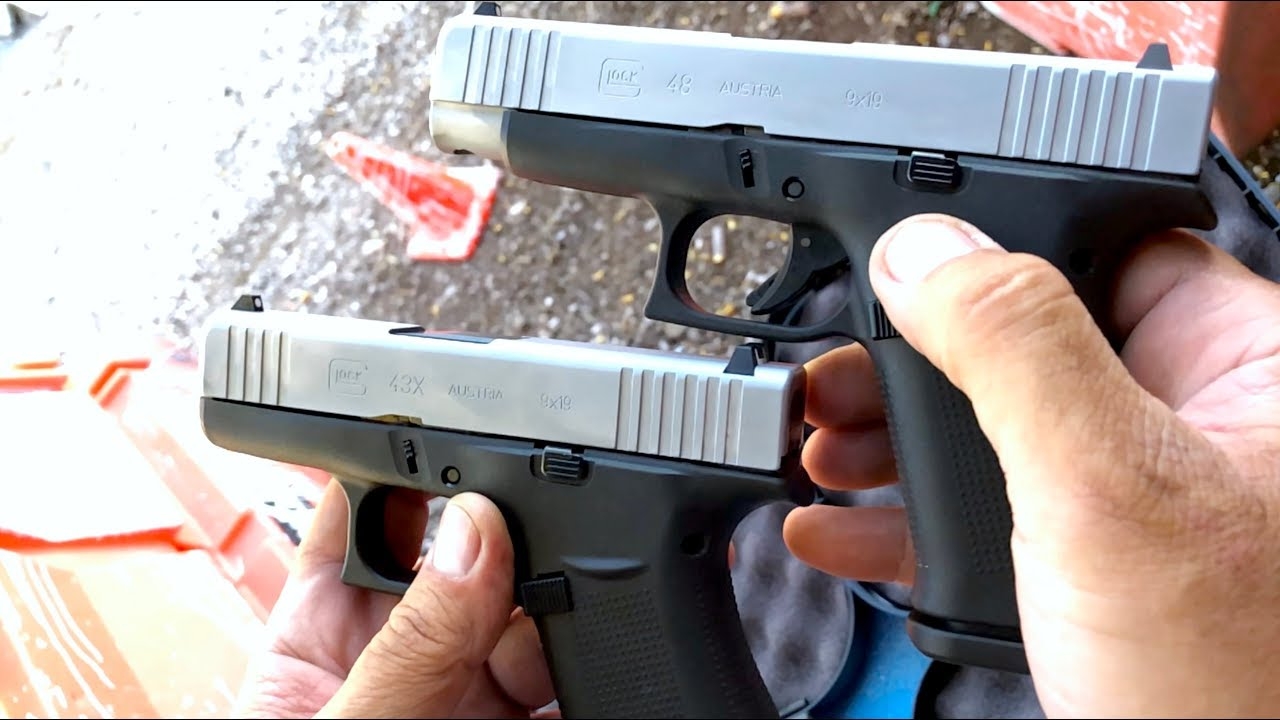
The biggest difference is the slide. The 43X has a short 3.41-inch barrel, while the 48 stretches that out to 4.17 inches. That extra length doesn’t sound like much, but it can make a difference when it comes to appendix carry or sitting in a car all day.
The 43X hides a little easier and draws quicker from tight positions. The 48, on the other hand, gives you a bit more sight radius and recoil control. If concealment is your main concern, the shorter slide wins out.
Grip Size and Magazine Compatibility

Both pistols use the same Slimline frame and 10-round single-stack mags by default. The grip length is identical, which means you’re getting a full grip no matter which one you pick. That’s part of why these guns feel so shootable compared to the original Glock 43.
They’re also both compatible with aftermarket 15-round mags from Shield Arms, which is a huge bonus. Just remember, if you go that route, you’ll probably want to swap out the plastic mag catch for a metal one.
Handling and Balance

The 43X feels a little snappier thanks to the shorter slide and barrel. It’s not uncontrollable by any stretch, but if you’re used to full-size guns, you’ll notice it. The 48 feels more balanced in the hand, especially during longer range sessions.
That longer slide also tends to settle the gun faster between shots. It’s subtle, but if you train regularly, you’ll appreciate the difference. Casual shooters might not care, but it’s worth noting if this will be your main training pistol too.
Weight and Carry Comfort

The 43X is lighter by about two ounces, and that can matter if you carry all day, every day. Less slide means less weight tugging at your belt. It’s just a little more forgiving when you’re trying to keep things comfortable.
That said, the 48 isn’t exactly heavy. It still falls firmly in the compact category. For most people, the comfort difference is minor—but it’s there, especially in minimalist holsters or warm-weather setups.
Accuracy and Control

Both are accurate enough for defensive use, but the 48 tends to be easier to shoot well. The longer barrel helps with follow-up shots, and the extra sight radius gives you a bit more precision when aiming.
If you plan on doing more range time or shooting at distance, the 48 edges out the 43X. For up-close defensive use, it’s probably a wash unless you’re splitting hairs.
Holster Options

Holster selection is excellent for both, but you’ll want to double-check fit if you’re trying to use a 43 holster with the 43X or 48. They share a frame size but not a slide length, and that messes with retention and coverage.
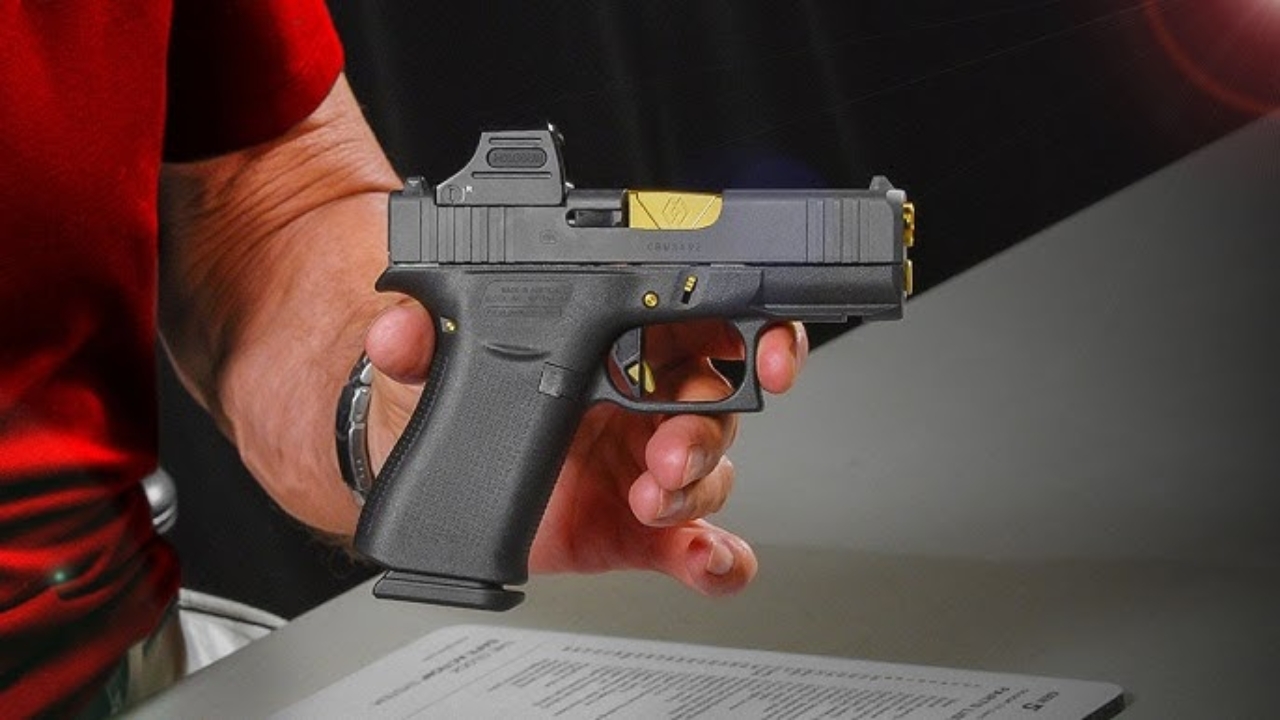
The 43X and 48 both support red dot cuts now, especially in the MOS versions, so you’ll want a holster that accommodates optics if that’s in your plan.
Price and Availability

They’re usually priced within $50 of each other, depending on whether you’re getting the standard model or the MOS version. The 43X tends to be slightly more common in stores, but both are easy to find these days.
Used market prices are solid for either, so if you change your mind down the road, you’re not going to have a hard time reselling one or picking up the other.
*This article was developed with AI-powered tools and has been carefully reviewed by our editors.