Photo credit: Jordi Mora/Shutterstock.com
You hear the same rifles mentioned over and over like they’re flawless—on forums, in gun shops, and in magazines that never shot them outside a photo studio. But then you buy one, take it into the woods, and the truth hits harder than the recoil. Some of these rifles earned their name decades ago and haven’t kept up. Others were overhyped the minute they hit shelves. Whatever the reason, they prove reputation doesn’t always match performance. If you’ve ever carried a big-name rifle that let you down when it counted, you already know: word of mouth isn’t the same as time behind the trigger.
Remington 700 SPS

The Remington 700 name carries weight, but the SPS version feels like a shortcut. It still wears the 700 badge, but the quality control isn’t what it used to be. Rough bores, inconsistent triggers, and torque problems out of the box aren’t uncommon.
Some shoot well, but many need work before they’re field-ready. That reputation for out-of-the-box accuracy doesn’t always hold up anymore. You might get lucky, or you might end up glass bedding and swapping parts just to make it shoot like people say it should. For a rifle with this much history, it’s a shame how far some of them have slipped.
Browning BLR

The BLR has a loyal following and looks great on paper, but a lot of hunters walk away disappointed. The trigger is long and spongy, and the magazine design feels more like an afterthought than a feature.
It’s marketed as a precision lever gun, but it often fails to group consistently with factory ammo. The aluminum receiver scratches easily, and some owners report cycling issues after hard use. You expect tight tolerances and smooth function from something with the Browning name, but in practice, it behaves more like a rifle trying to live off past glory.
Savage 99 (later models)

The early Savage 99s built their own legend, but the later production rifles weren’t held to the same standard. Fit and finish dropped, accuracy started to suffer, and trigger pulls got worse with time.
It still looks like the same rifle, but it doesn’t shoot like it used to. If you’ve only handled a newer model, you might wonder what the hype was ever about. It’s a classic that deserved better care during its final years of production. Unless you’ve got one of the older, hand-fitted versions, don’t expect the kind of performance people still talk about.
FN SCAR 17S
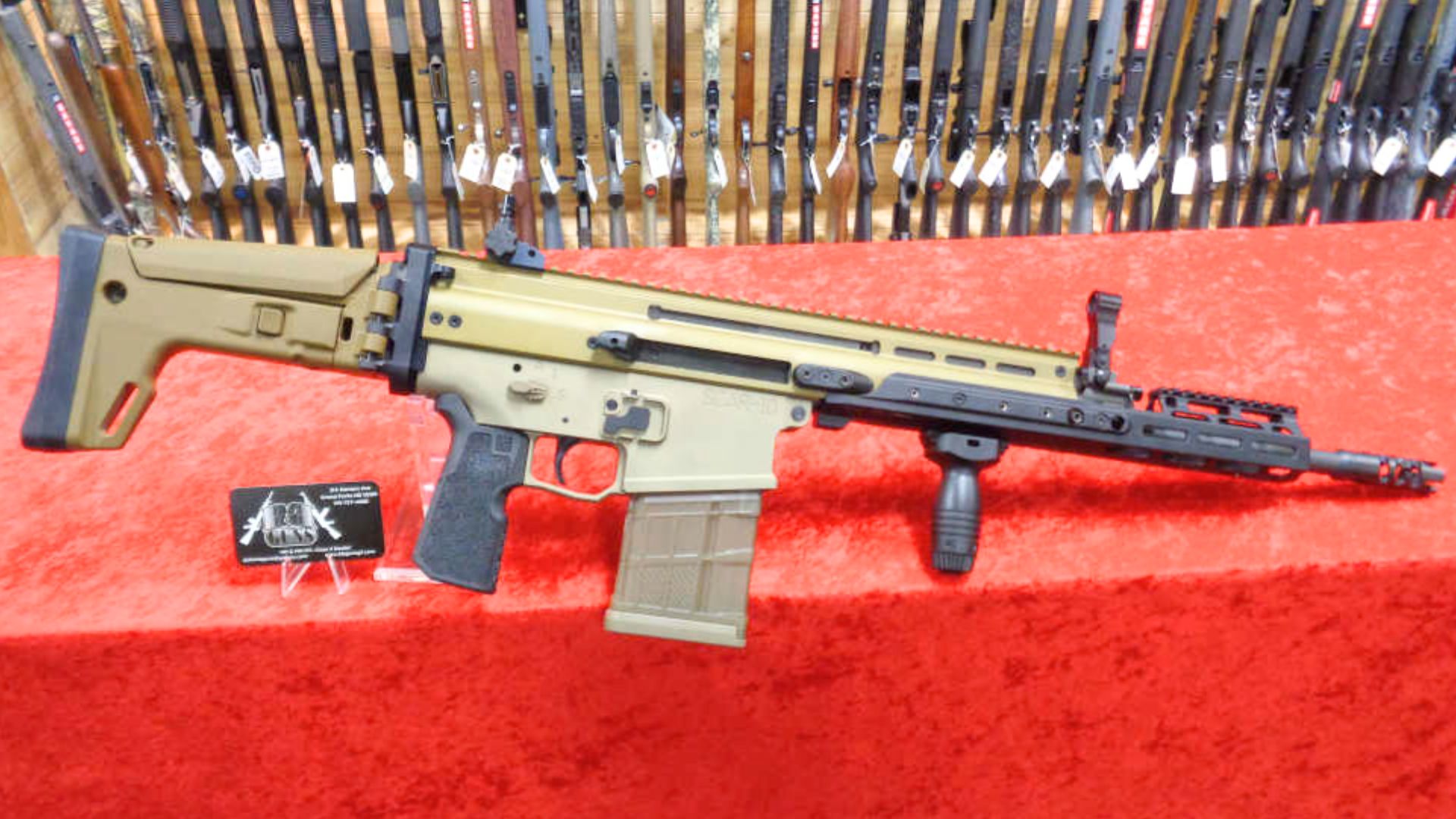
The SCAR 17S gets praised as a battle rifle, and for good reason—but as a hunting or precision platform, it’s often underwhelming. The trigger is mediocre, the ergonomics feel foreign to bolt-gun shooters, and the recoil impulse is exaggerated by the reciprocating charging handle.
Accuracy with commercial ammo can be spotty, and the high cost sets expectations it doesn’t always meet. It’s reliable, yes—but it’s not the tack driver or do-it-all rifle that fanboys make it out to be. If you’re spending this much money, it ought to deliver more than a reputation and a cool silhouette.
Springfield M1A
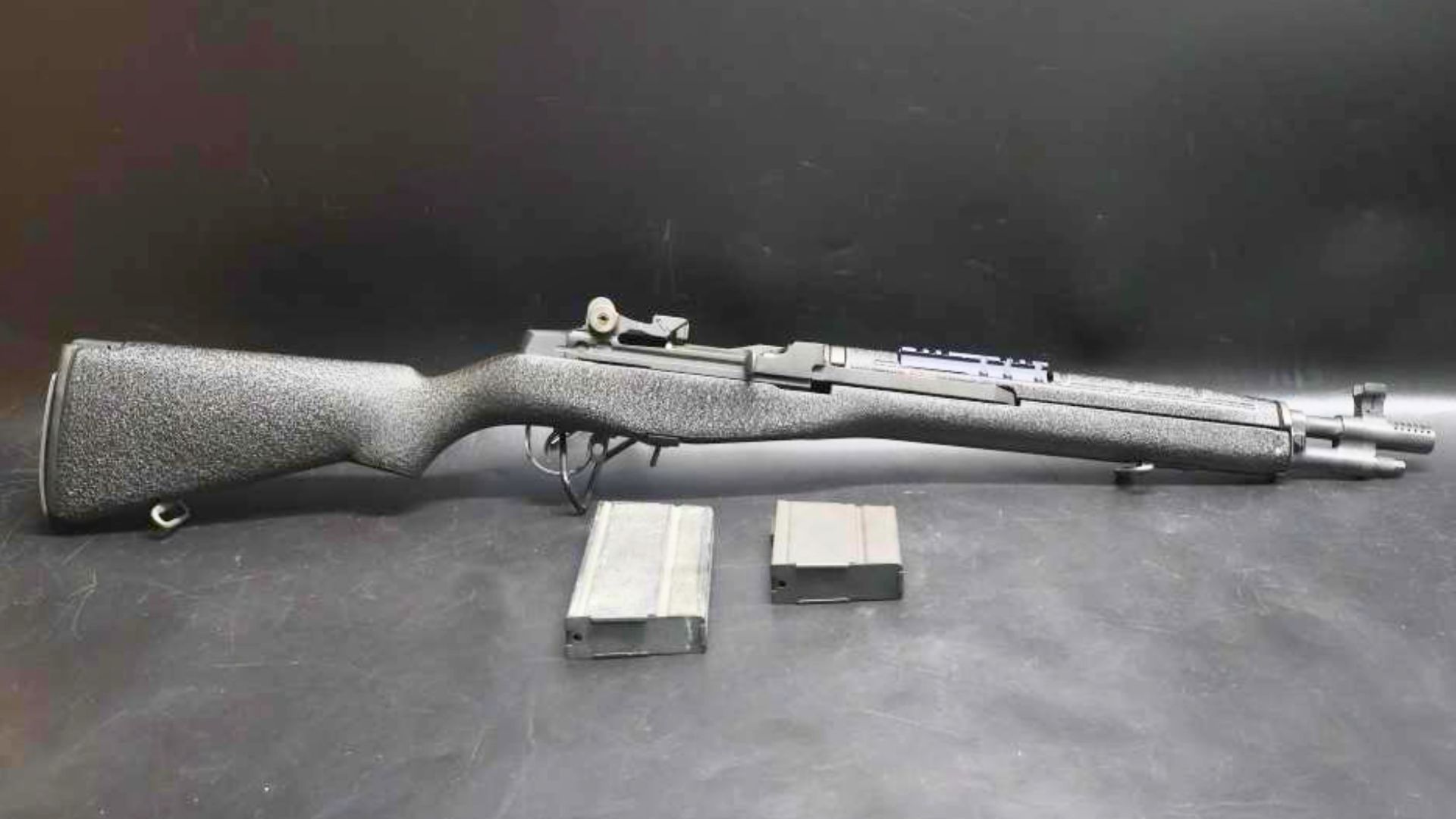
The M1A has a storied past and a ton of nostalgia behind it—but in the field, it’s heavy, long, and not nearly as accurate as people assume. Unless you’re willing to sink serious money into tuning it, groups won’t impress.
The sights are great, and the action is reliable, but that doesn’t make up for a trigger that feels vague or a barrel that throws fliers. Many shooters end up frustrated by how much they spent to get mediocre accuracy. It’s not that the platform is bad—it’s that it rarely lives up to the pedestal it’s been put on.
Ruger Gunsite Scout
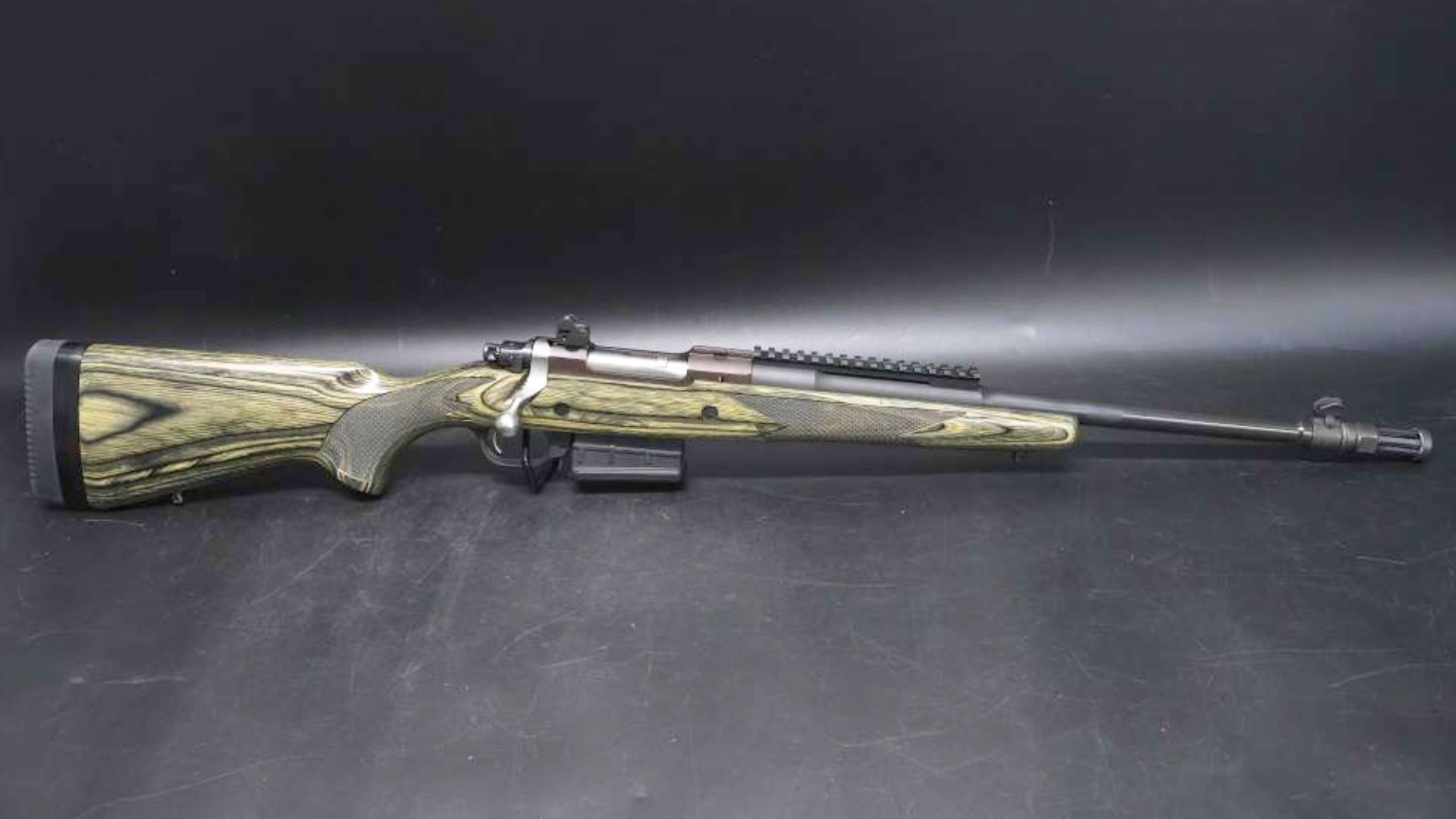
Ruger’s Gunsite Scout was supposed to modernize the scout rifle concept, but the forward optic mount, stiff bolt, and uneven accuracy left a lot of owners disappointed. It balances awkwardly and doesn’t always feed well from the detachable magazine.
The trigger is passable, but the short barrel paired with heavier calibers creates snappy recoil and inconsistent groups with factory loads. It’s a cool idea that doesn’t always work well in practice. Some rifles shoot fine, others need serious tuning. Either way, the reputation doesn’t match what you’ll find when you put one through a real season.
Tikka T3 Lite in magnum calibers
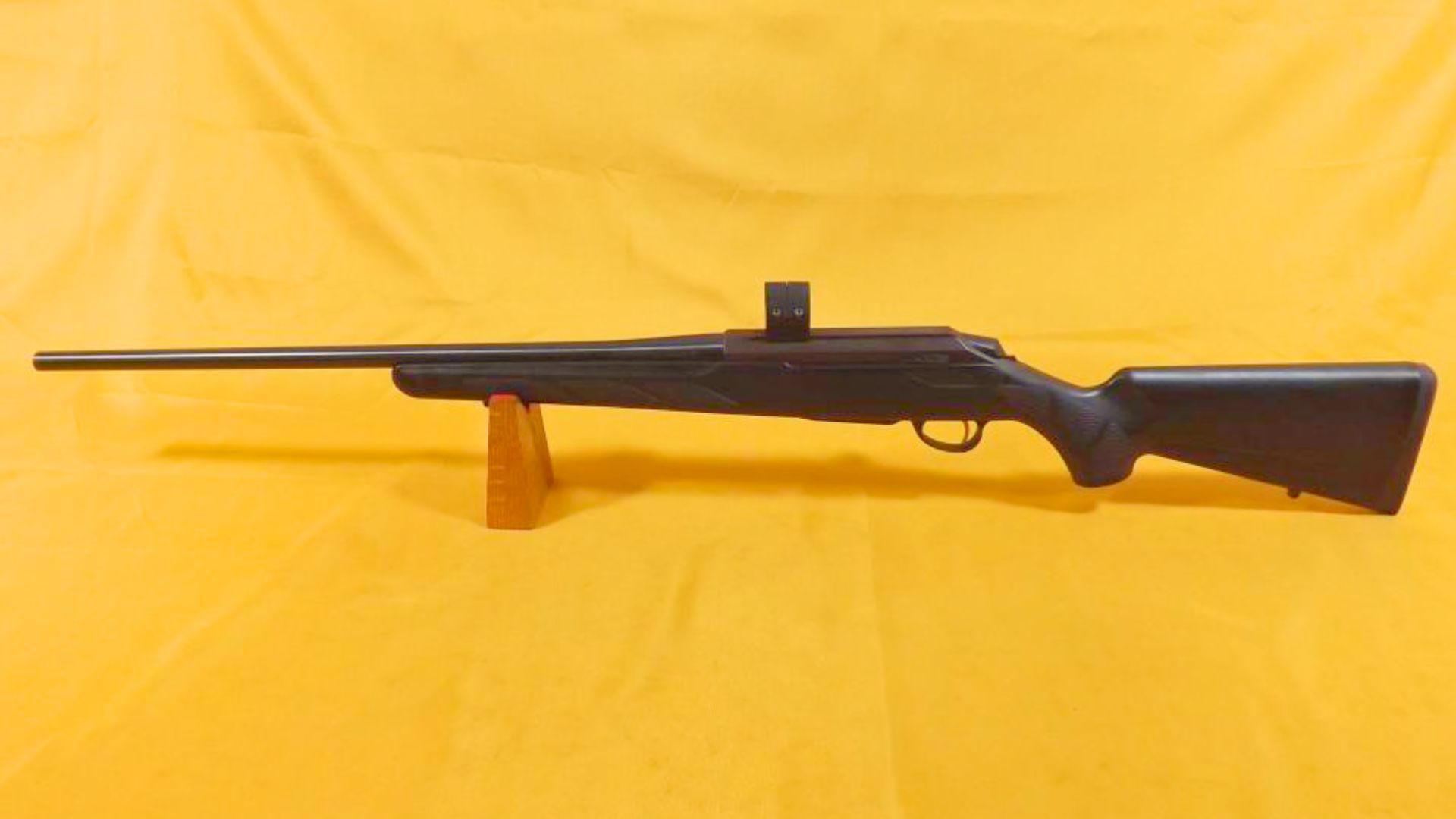
Tikka’s T3 Lite in standard calibers performs well, but the magnum versions are another story. The recoil is sharp, the stocks flex, and the lightweight build punishes you on the bench and in the field.
You’ll feel every ounce of pressure in your shoulder and your group sizes. It’s tough to stay consistent with a rifle that moves this much on the shot. Tikka’s reputation for smooth bolts and accuracy holds up in some chambers—but when you scale it to heavy-recoiling cartridges, it becomes a different rifle entirely. A lot of hunters trade them off after one season.
Winchester Model 70 Super Grade
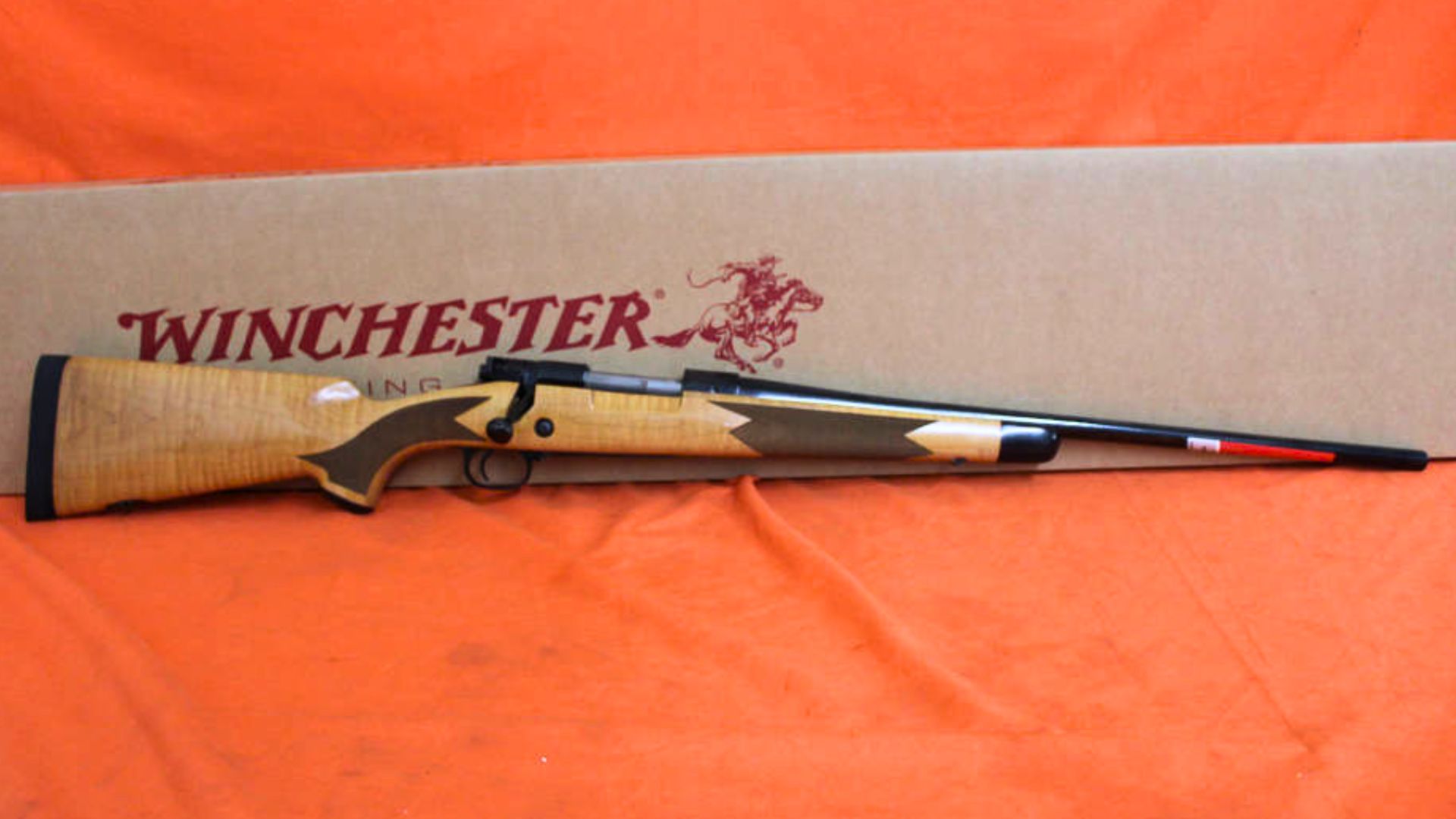
The Super Grade Model 70 is beautiful, no doubt—but it’s heavy, expensive, and doesn’t always shoot better than a base model. The extra finish work looks nice, but you’re paying a premium for polish, not performance.
Plenty of owners expect sub-MOA and get 1.5-inch groups instead. That might be fine for hunting, but when you drop this much money, you expect something special. The action is smooth and the walnut is clean—but it proves that a great reputation doesn’t always mean you’re getting better results downrange.
Christensen Arms Mesa

The Christensen Mesa draws attention with carbon fiber branding, but it’s not a true carbon rifle—it still uses a steel barrel. It’s also heavier than it looks, and some shooters report accuracy issues tied to inconsistent chamber dimensions.
The stock feels slick and stiff, but the recoil pad doesn’t soak up as much as you’d hope. For the price, you expect better consistency. Some rifles shoot great, others need glass bedding or trigger tweaks right out of the box. It’s a reminder that a flashy barrel and a big name don’t always mean a smooth shooting experience.
Marlin 1894 (reintroduction era)
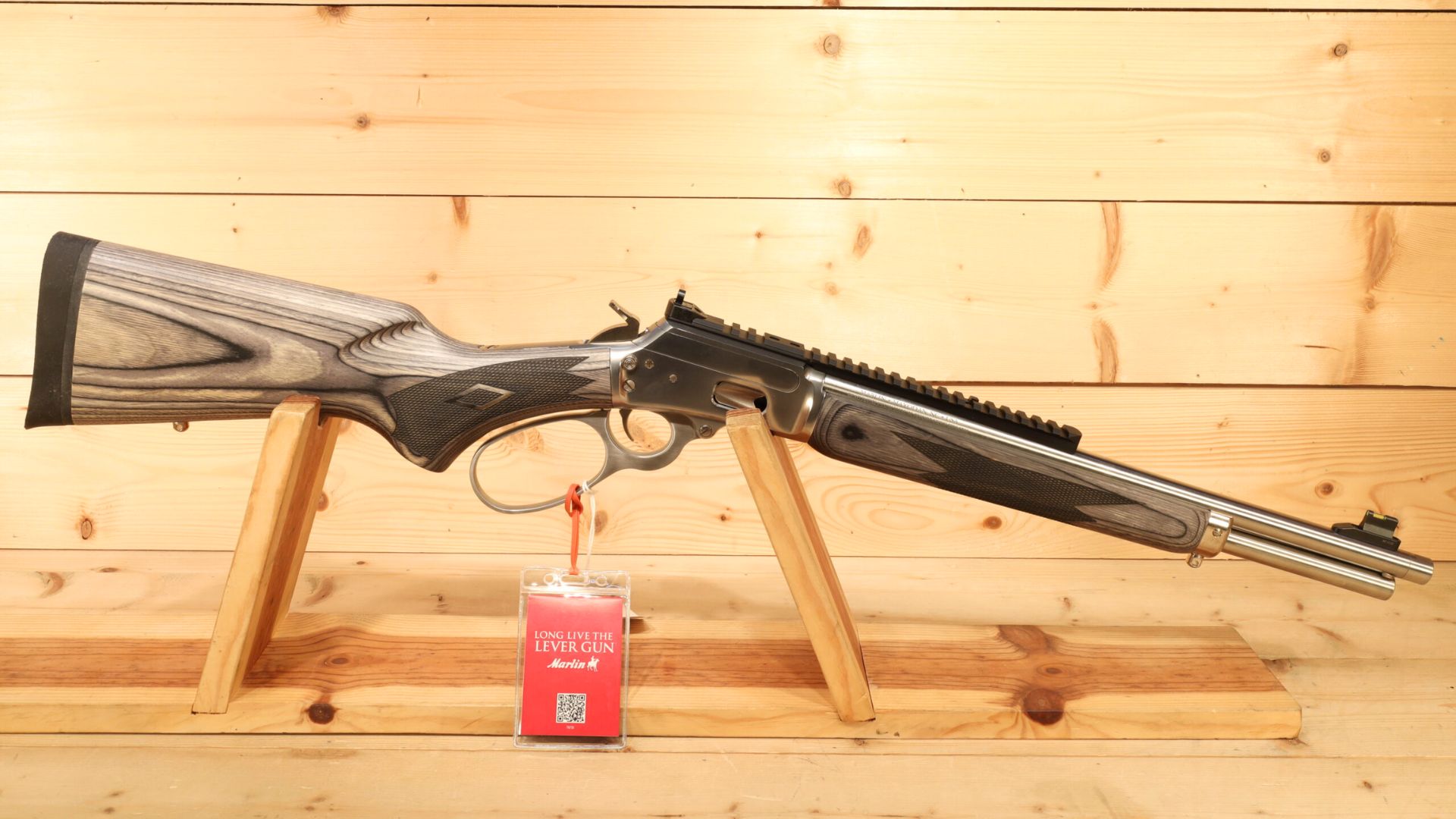
When the Marlin 1894 came back under Remington’s watch, quality control dropped hard. Barrels were canted, actions gritty, and stocks poorly fitted. Many shooters were shocked at how sloppy these rifles felt right out of the box.
Even basic feeding issues weren’t uncommon, and accuracy was hit or miss with common .44 Mag or .357 loads. The 1894 name means a lot to lever-gun fans, but for several years, that name didn’t mean quality. Things have improved under Ruger, but those early post-acquisition rifles left a bad taste for anyone expecting the Marlin of old.
Steyr Scout
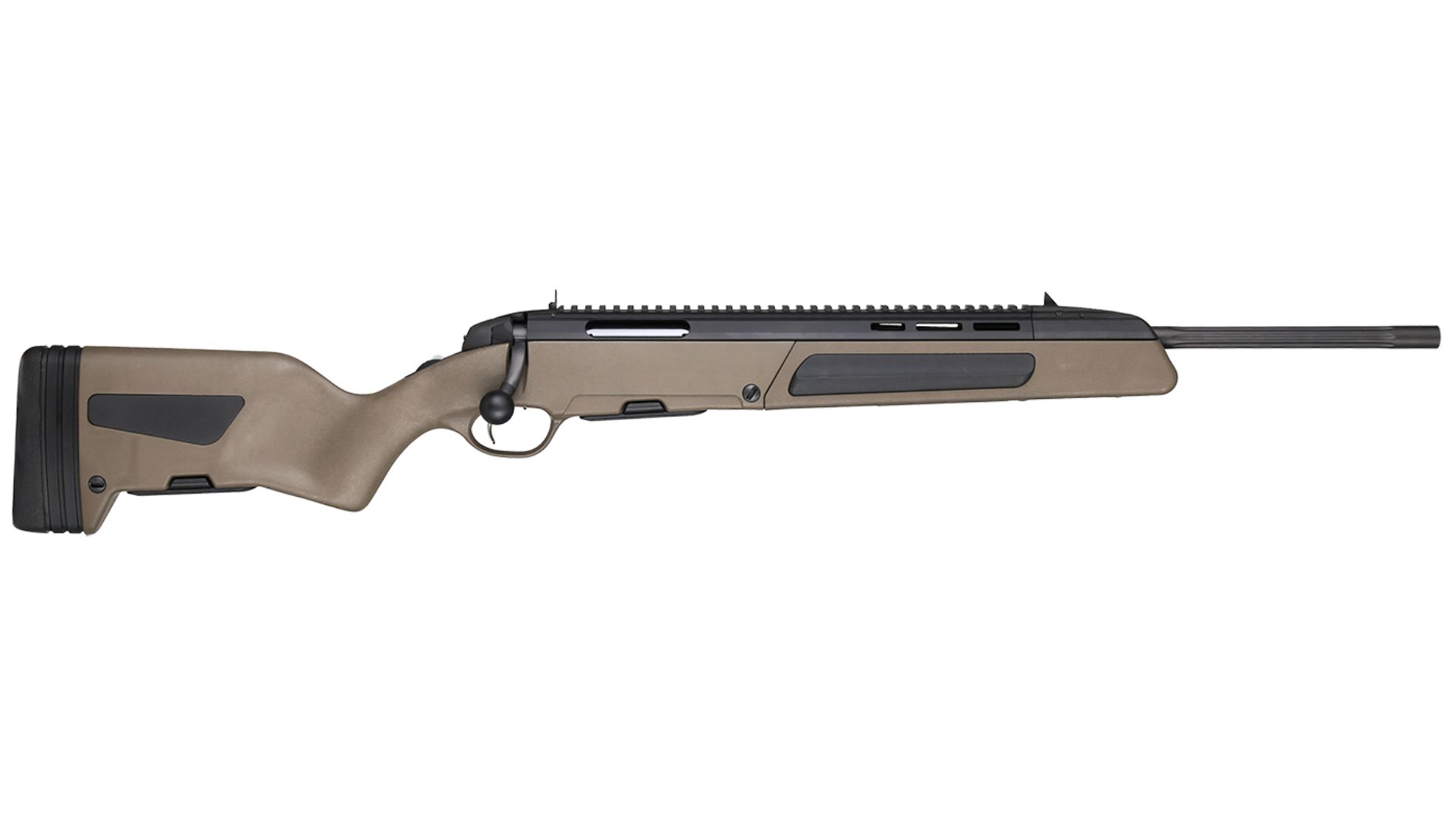
The Steyr Scout gets praise for being lightweight and forward-thinking, but the reality is it’s quirky and doesn’t always shoot to expectations. The bipod is weak, the mag system is proprietary, and the forward-mounted optic limits flexibility.
Accuracy varies by barrel and ammo, and the high price tag raises expectations it rarely delivers on. You’re buying a concept more than a tool. It feels great slung over your back, but once you’re on the ground trying to shoot tight groups, the ergonomics and build don’t always work in your favor. It’s a reputation rifle that never quite settled into its niche.
Daniel Defense DD5V1

Daniel Defense builds a solid rifle, but the DD5V1 came out heavy, expensive, and not nearly as accurate as shooters hoped. Barrel whip, gas tuning, and bulk all worked against it in real-world performance.
You get durability, yes—but not the kind of precision you’d expect for the price. Many owners swap parts or tune the recoil system to get acceptable groups. It’s a name that carries weight on the AR-15 side, but this .308-platform entry didn’t live up to the hype. The DD5V1 proves that even good companies can miss when they overpromise and underdeliver.
Like The Avid Outdoorsman’s content? Be sure to follow us.
Here’s more from us:
The worst deer rifles money can buy
Sidearms That Belong in the Safe — Not Your Belt
*This article was developed with AI-powered tools and has been carefully reviewed by our editors.