Photo credit: Tom Reichner/Shutterstock.com
Elk are tough animals. They’ve got big bones, thick muscles, and the will to keep going even when hit. That’s why picking the right caliber matters a lot more than some folks think. Bring too little gun to the hunt, and you’re setting yourself up to wound an animal that won’t go down easy. Here are the calibers that just don’t cut it when it comes to dropping elk cleanly and ethically.
.243 Winchester

The .243 might be fine for deer, but it’s pushing its limits on elk. Some hunters have used it successfully with perfect shot placement, but that’s a big “if” when adrenaline and real-world conditions come into play.
With lighter bullets and limited penetration, the .243 just doesn’t have the weight to consistently break through elk-sized bone and muscle. If you have to be perfect for it to work, you’re gambling with a shot that should be reliable.
6.5 Creedmoor

This round gets a lot of love, and for good reason—it’s accurate, soft-recoiling, and efficient. But elk aren’t paper targets or whitetails. When it comes to dropping a big-bodied bull, the 6.5 Creedmoor can come up short.
Sure, it’ll kill an elk if everything goes right. But its lighter bullets and moderate velocity mean you’re walking a fine line. Many guides have seen too many elk wounded with this round to trust it in rough conditions.\
.270 Winchester (with light bullets)

The .270 has been around a long time, and it’s taken plenty of elk. But when hunters pair it with lighter 130-grain bullets, problems show up. Those rounds just don’t drive deep enough when they hit heavy bone.
If you’re set on the .270, you better load it hot with 150-grain or heavier bullets designed for penetration. Otherwise, you’re risking shallow wounds and long tracking jobs that might not end well.
7mm-08 Remington

The 7mm-08 is a capable cartridge, but it’s not ideal for elk unless you really know its limits. It’s more at home in deer country where shots are under 200 yards and angles are forgiving.
It lacks the punch needed when shots get long or the angle’s not perfect. Elk don’t always stand broadside, and that’s where this round starts to falter. It’s not a terrible choice—but it’s far from the best.
.30-30 Winchester

This one’s a classic, no doubt. But it was never built for animals as big and tough as elk, especially not beyond 100 yards. It just doesn’t carry the energy you need once that distance stretches out.
A .30-30 might put down a spike at close range with a perfect shot, but that’s not the situation most hunters face. If you’re serious about elk hunting, leave this one in the safe and grab something with more reach.
6mm Remington

The 6mm Remington is in the same boat as the .243—plenty of speed, not enough mass. It’s a great round for varmints and deer, but elk require more muscle behind the bullet.
You’ll find stories of success, but they’re exceptions, not the rule. It’s better to pick a caliber that doesn’t need everything to go perfectly. Elk are too tough and too deserving of a quick end.
.25-06 Remington

This one’s a bit controversial. Some hunters swear by it, but many guides will tell you it’s underpowered for elk. The problem is the bullet weight—it tops out around 120 grains, which isn’t ideal for busting through heavy shoulder bones.
If you already own one and are dead set on using it, make sure your shot placement is exact. Still, there are better options that don’t demand as much precision under pressure.
.223 Remington / 5.56 NATO

There’s no sugarcoating this one—it’s just not enough gun for elk. Even the heaviest .223 bullets lack the mass and energy to humanely take down an animal this size. You’re much more likely to wound than kill clean.
Some states don’t even allow .223 for big game like elk, and for good reason. It’s a great round for varmint control and defense, but it has no business in elk country.
300 Blackout
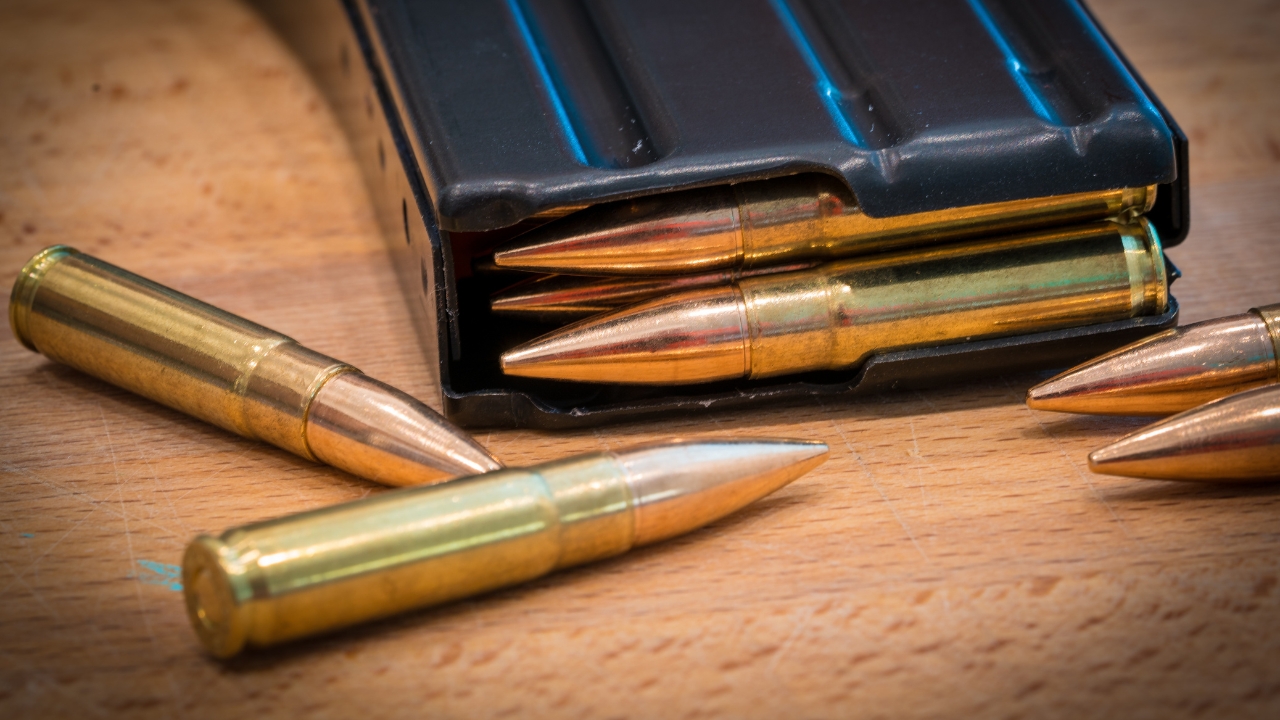
This round was built for suppressed use and short barrels, not long-range elk hunting. It loses energy fast, and even at close range, the heavier subsonic bullets can struggle to get through thick hide and bone.
Some folks try it in a pinch with supersonic ammo, but the drop in velocity and limited range leave too much room for things to go wrong. Elk deserve better than a cartridge designed for a different job.
.22-250 Remington

This is a flat-shooting varmint round, and that’s exactly where it should stay. It’s lightning fast, but the bullets are tiny and built for expansion, not penetration. That combination spells disaster on something as big as an elk.
It might work on paper, but in the field, it just doesn’t perform. Fast doesn’t always mean effective—especially when the goal is a clean, ethical kill on a large animal.
*This article was developed with AI-powered tools and has been carefully reviewed by our editors.