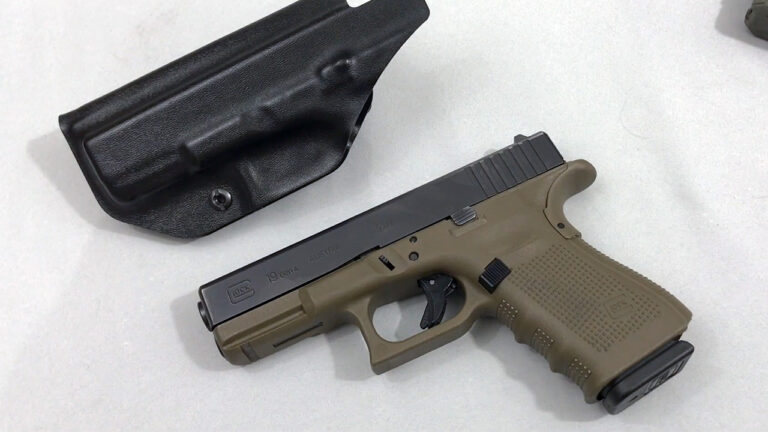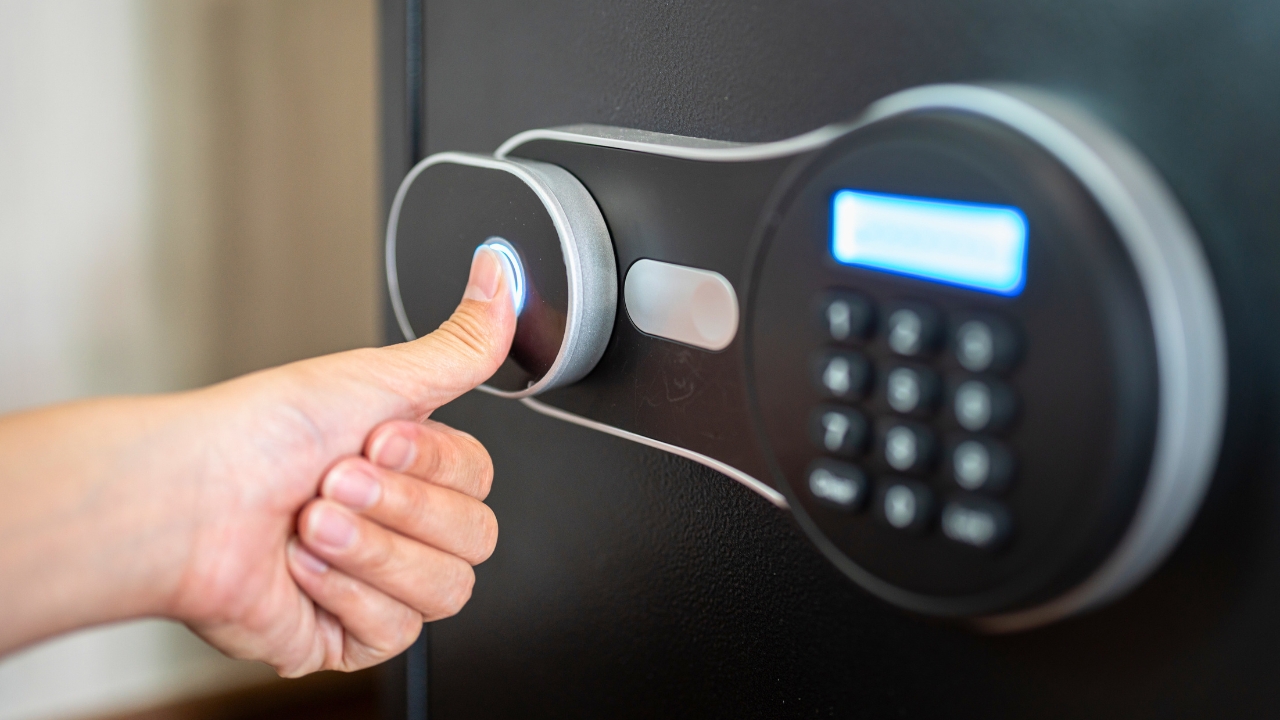
Photo credit: Nattawit Khomsanit/Shutterstock.com
Quick-access safes are popular because people want speed without leaving a firearm unsecured. Biometric safes sell that idea hard, but the Consumer Product Safety Commission has warned that certain Stack-On biometric gun safes can fail in a way that owners may not realize, potentially allowing unauthorized access, including by children. The scary part isn’t “the safe won’t open.” The scary part is “the safe might open when it shouldn’t,” and you might not know until something terrible happens.
What the CPSC says the failure looks like
The CPSC warning says its evaluation found the biometric programming feature can fail and that consumers may not realize unauthorized users, including children, can access the safe’s contents. That’s a completely different category of problem than a dead battery or a finicky scanner. It’s the lock doing the opposite of what you purchased it for. The CPSC also calls out severe injury reporting and frames the hazard plainly as a risk of death, which is the commission doing what it rarely does: speaking in blunt terms because the failure mode is serious. If you’re using a safe as a child-safety barrier, a silent failure mode is the worst-case scenario because it creates false confidence.
The specific guidance the CPSC gives owners
The warning isn’t vague. The CPSC urges consumers to immediately stop using the biometric feature and gives step-by-step mitigation actions aimed at disabling biometrics and relying on keyed access instead. Commissioner Trumka’s statement also notes Stack-On refused to conduct what the CPSC considered an acceptable recall, which is why consumers are being told to take matters into their own hands instead of waiting for a traditional “send it back and get a fix” solution. That detail matters for families because it signals this isn’t a quick, neat resolution. It’s “make your setup safe today using the guidance provided.”
Why biometric failures can be more dangerous than keypad failures
A keypad failure often shows up as an obvious problem: wrong code, no open, beeps, dead unit. A biometric failure that accepts prints it shouldn’t can look like success, not failure, which is exactly why this warning matters. The CPSC language focuses on the owner not realizing the safe can be accessed by unauthorized users. When a lock fails quietly, the house behavior doesn’t change. People keep storing firearms the same way, keep assuming the same protection exists, and keep leaving the safe in the same accessible place. That’s how a technology feature becomes a hazard instead of a benefit, and that’s why the “silent” part is the headline, not the biometric part.
What gun owners should do even if their safe isn’t on the warning list
Even if your safe isn’t listed, the mindset should shift: test your own setup like you’d test a piece of gear you rely on. The CPSC warning and related commissioner statement are a reminder that consumer biometric products can fail in unexpected ways, including allowing access. That means verifying enrollment, trying prints that should not work, checking behavior after battery changes, and not assuming “it worked yesterday” means it’s still secure today. If the safe is primarily there to prevent unauthorized access by kids, the gold standard is simple: use a lock method you can verify consistently and don’t treat a premium feature as proof of security.
Like The Avid Outdoorsman’s content? Be sure to follow us.
Here’s more from us: