
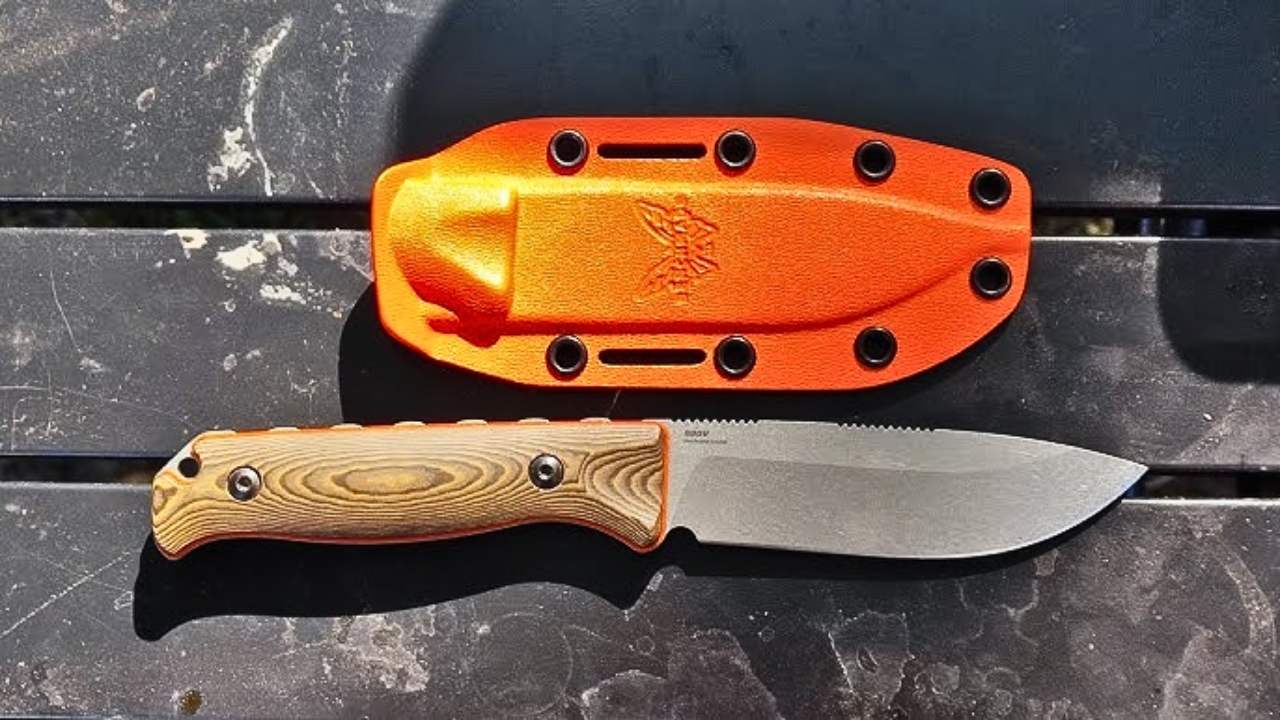
Photo credit: Hakkamasaamine/YouTube
Not every knife is cut out for a full day of hunting. Some fall short halfway through skinning your first deer. If you’ve ever been stuck reaching for a backup, you know the value of a knife that just works. These blades hold an edge, feel right in the hand, and survive more than one season of real use. Whether you’re butchering elk or cleaning up small game, these knives can actually take on the entire job without giving up halfway through.
Ontario RAT-5

The RAT-5 is built to take a beating and keep on cutting. Its 1095 carbon steel blade holds a sharp edge well, and the full tang construction gives it the kind of strength you want when things get rough.
It’s a bit thicker than a typical hunting knife, but that works in your favor if you end up splitting bone or batoning wood. It’s one of those knives that does more than it looks like it should.
Case Winkler Skinner
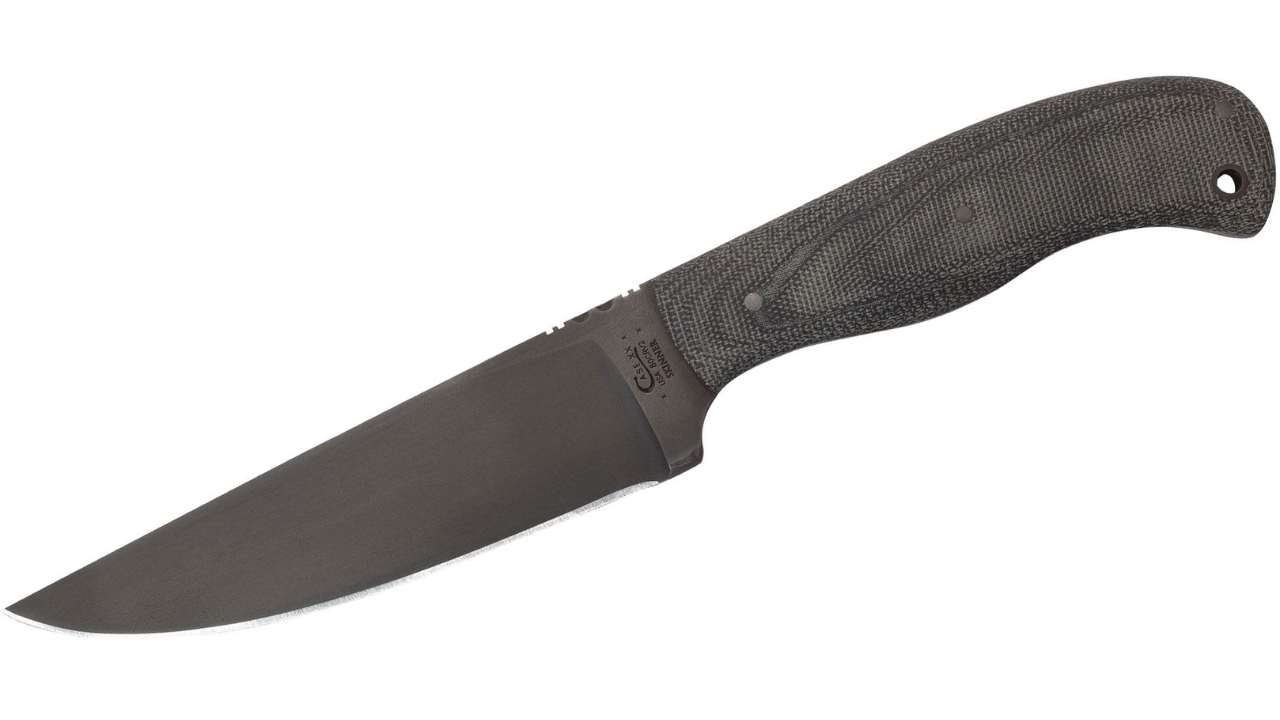
This fixed blade has roots in hard use and feels right at home in the field. The 80CrV2 steel has excellent edge retention and toughness, so you won’t need to stop and sharpen halfway through the job.
It’s made in the USA and built with real hunters in mind. The grip feels secure even when wet, and the profile is just right for skinning and detailed work alike.
Civivi Kepler

Civivi isn’t known for hunting blades, but the Kepler is a surprise. The 9Cr18MoV stainless steel blade holds up better than you’d expect and cleans up easily after gutting or dressing game.
It’s got a comfortable handle and a thick spine that gives it some extra backbone for tougher tasks. If you want something different that still performs, this one’s worth a look.
Benchmade Saddle Mountain Skinner
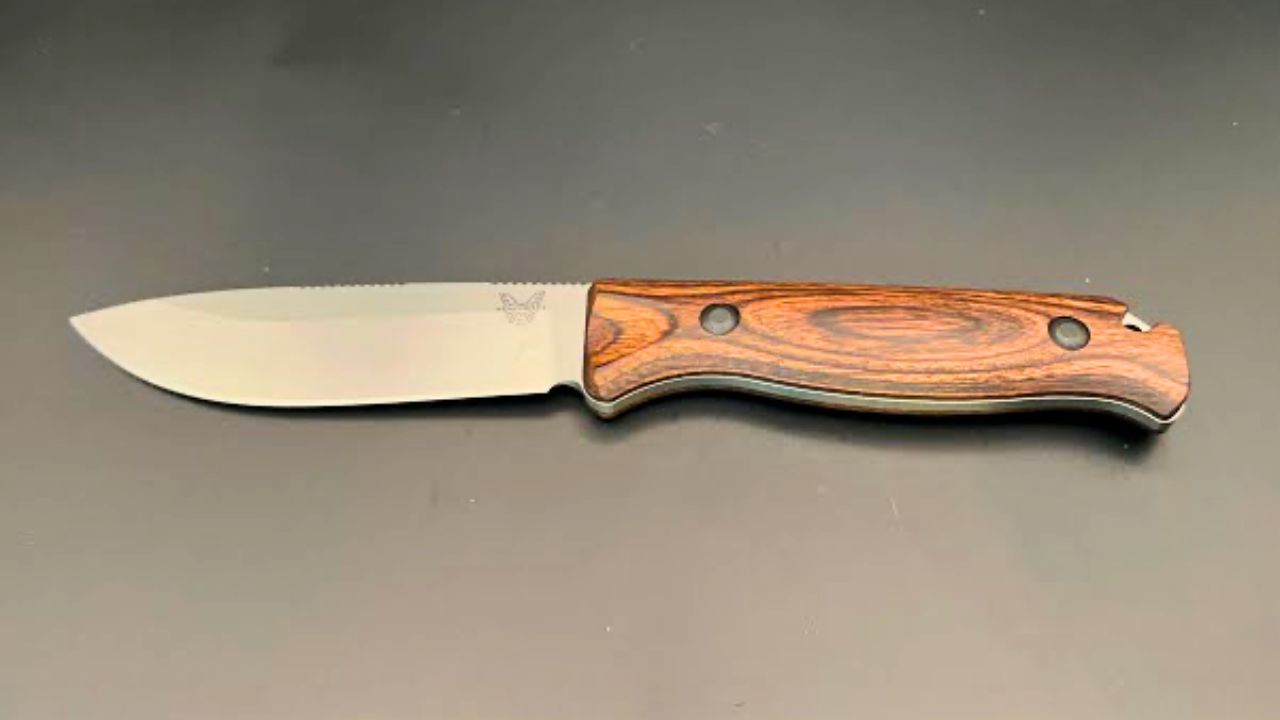
This one’s designed with hunters in mind. The S30V steel holds its edge well, and the drop-point blade makes for clean, precise cuts whether you’re working on small game or quartering a buck.
The handle is comfortable in cold, wet conditions, and the sheath is actually well thought out. If you want a blade that can finish the job without slowing you down, this one delivers.
Grohmann #1 Original
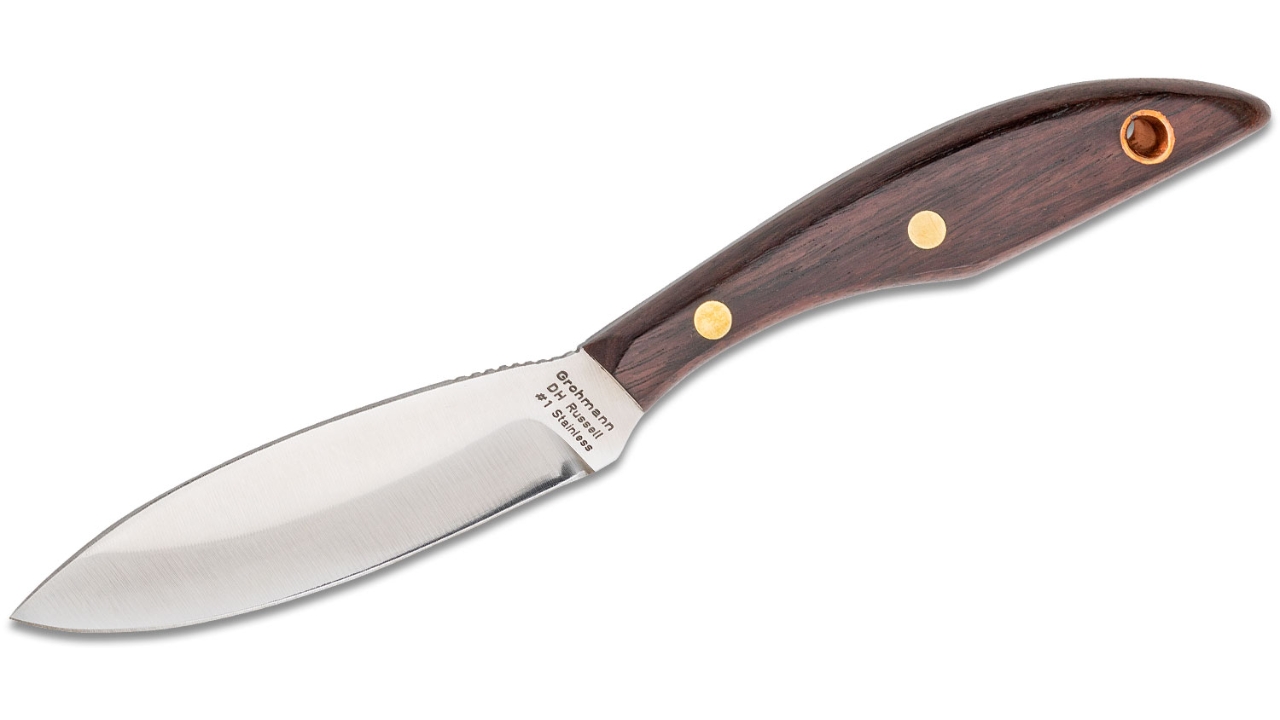
It might not look like today’s tactical blades, but the Grohmann #1 has decades of real-world use behind it. The blade shape gives you great control, especially for detailed skinning or slicing.
It’s light, easy to maneuver, and holds up surprisingly well over time. If you’re after something time-tested and still useful today, this one’s worth packing.
Cold Steel Master Hunter

This knife is built for exactly what the name says. With VG-1 or CPM-3V steel, it’s tough enough for heavy work and sharp enough for fine tasks like skinning.
The textured Kraton handle stays put in slick or cold conditions, and the blade keeps cutting longer than most in its price range. It’s not flashy, but it gets the job done.
Havalon Talon
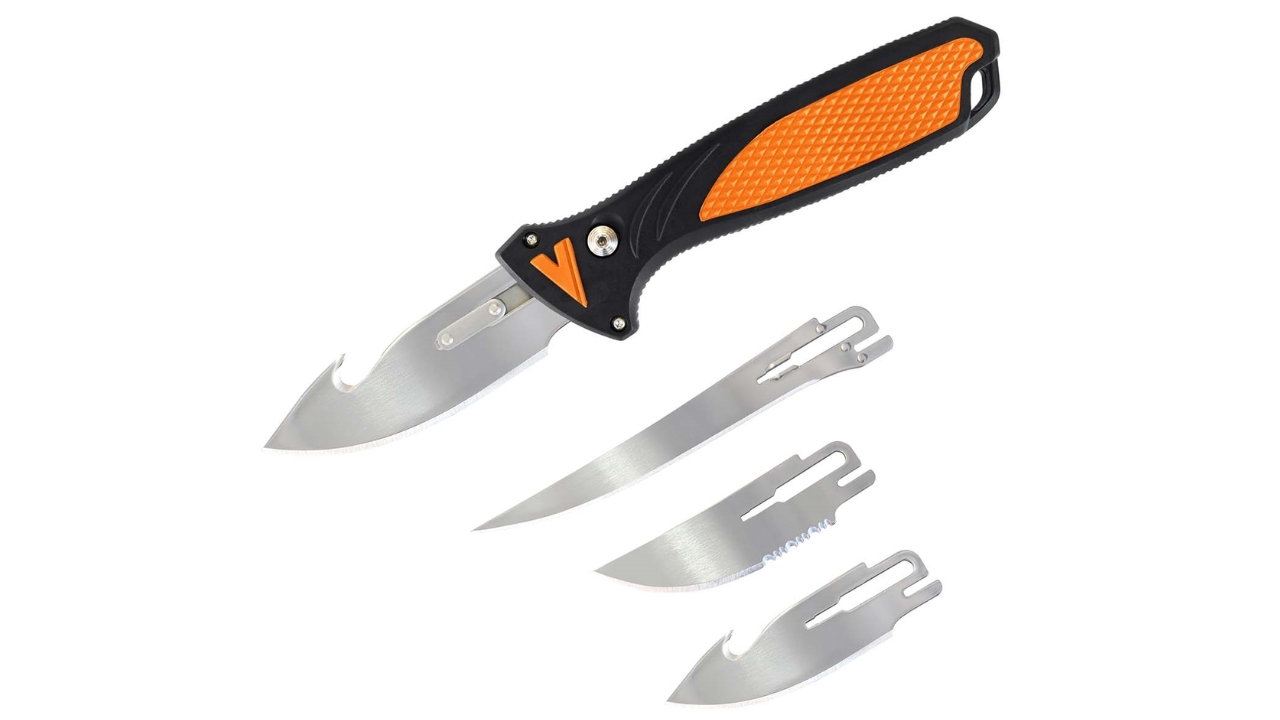
If you like having a surgical edge through the entire hunt, the Havalon Talon makes it easy. Swap out blades on the fly and never deal with field sharpening again.
Despite the replaceable blades, it doesn’t feel flimsy. It’s tough enough to get through big game, and the different blade styles make it a flexible choice for everything from gutting to boning.
Bark River Bravo 1
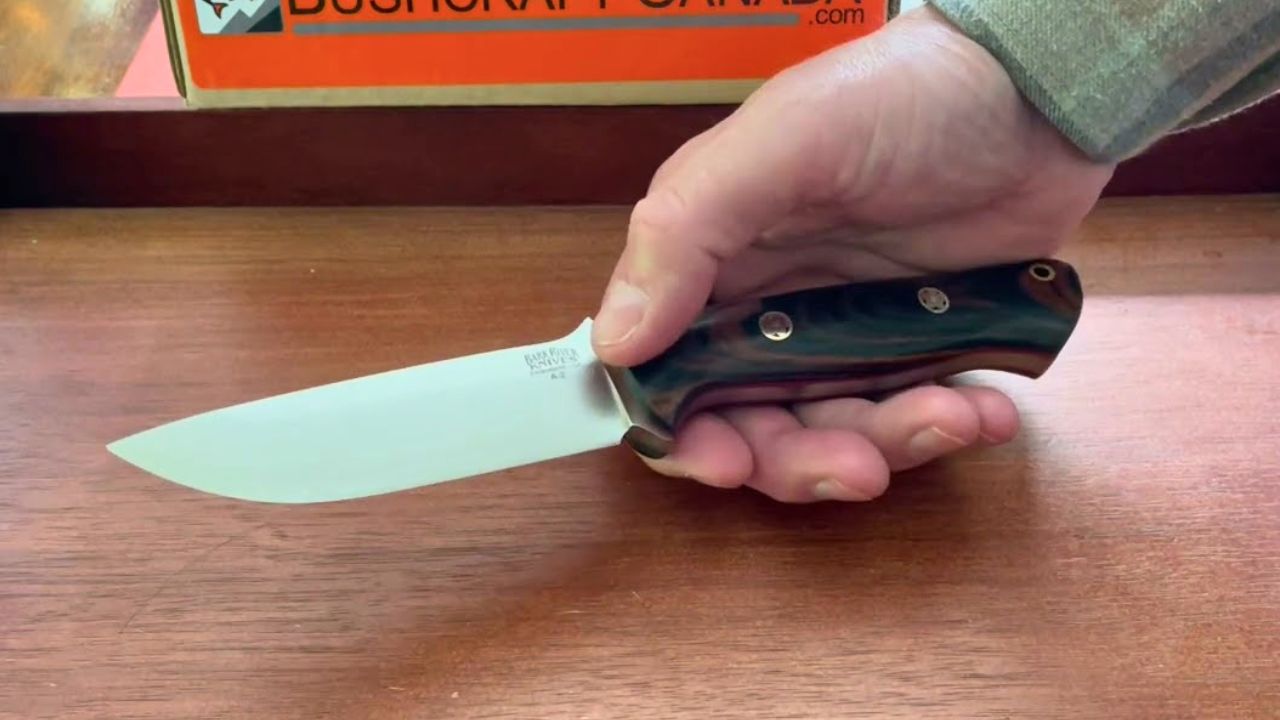
The Bravo 1 is built like a tank but handles like a scalpel. The A2 or CPM-3V steel stays sharp through long sessions, and the convex edge chews through hide, muscle, and even joints without complaint.
It’s a bit more expensive, but if you want a knife that keeps up no matter how much work you throw at it, this is one to consider. It’s made to be used hard.
Condor Bushlore

Don’t let the price fool you. The Condor Bushlore is a great field knife with a simple design that just works. The 1075 steel sharpens easily and holds up well through skinning and butchering.
The wood handle feels natural and gives you solid control even with messy hands. It’s a no-frills knife that’ll keep working long after others give up.
Gerber Vital Big Game

This one blends the convenience of replaceable blades with a beefier grip that feels better in hand. It comes with multiple blade styles so you can switch from skinning to cutting meat without slowing down.
It’s especially useful if you’re processing a lot of animals and don’t want to mess with sharpening in the field. Just keep some backup blades in your pack and you’re good to go.
*This article was developed with AI-powered tools and has been carefully reviewed by our editors.


