Photo credit: KnivesShipFree
A lot of guys confuse “expensive” with “cuts better.” Price can buy nicer steel, prettier finishes, and tighter fit and finish, but cutting is mostly geometry, heat treat, and edge stability. A thin grind with a clean apex will outcut a thick, overbuilt blade all day, even if the steel isn’t exotic. And when you’re actually using a knife—breaking down cardboard, making fuzz sticks, processing game, trimming rope—you notice edge geometry faster than you notice a fancy logo.
The other thing nobody wants to admit is that some budget makers have heat treat dialed in. They run simple steels well, they keep grinds consistent, and they ship edges that are actually sharp. These are the knives that make you look at your “premium” folder and wonder why it feels dull halfway through the job. If you care about real cutting, these models routinely punch above their price.
Morakniv Companion

If you care about pure cutting performance per dollar, the Mora Companion is hard to beat. The blade is thin, the grind is clean, and the factory edge is usually scary sharp. That combination makes it slice wood, food, and game hide with less effort than a lot of thicker, more expensive fixed blades.
The surprise is how well it keeps doing it. The steel isn’t fancy, but Mora’s heat treat tends to be consistent, and the geometry does most of the work. You can touch it up quickly in the field, and it goes right back to shaving sharp. It’s not a pry bar and it’s not built for baton-the-world abuse, but as a cutter, it embarrasses a lot of “tactical” knives that cost five times more.
Morakniv Kansbol

The Kansbol is what you reach for when you want Mora slicing, but you also want a little more versatility. It still has that thin, eager edge that bites into material immediately, and it’s noticeably efficient on food prep and camp tasks where thicker blades feel clumsy.
Where it outcuts pricier knives is in how little force it needs. The grind and edge geometry do the cutting, not your wrist. It also handles light game work well because it’s easy to steer and doesn’t wedge in cuts. You can keep it sharp with minimal effort, and that matters more than exotic steel if you’re actually using the knife. Plenty of expensive blades are tougher or more refined, but few feel as “ready to slice” minute after minute as a Kansbol.
Opinel No. 8

The Opinel No. 8 looks old-school, but it cuts like a laser. The blade is thin, the edge geometry is simple and effective, and it slips through cardboard, rope, and food like it’s doing you a favor. For everyday slicing, it will often feel sharper and cleaner than thicker, premium folders built around brute strength.
It outcuts pricier knives because it doesn’t fight the material. There’s minimal wedging, and the edge is easy to maintain on basic stones or even a field sharpener. The lock is simple, and the handle isn’t tactical, but for actual cutting tasks—especially around camp or in the kitchen—it’s a killer value. If you’re honest about what you do with a pocket knife most days, an Opinel can make expensive folders feel like overbuilt pocket pry bars.
Victorinox Swiss Army Knife (Tinker)

A Swiss Army Knife isn’t flashy, but those thin Victorinox blades cut far better than their price suggests. The blade stock is slim, the grind is efficient, and the steel takes a screaming edge fast. For packages, cord, food, and light wood work, it often feels cleaner and sharper than heavier premium folders.
The real advantage is how easy it is to keep sharp. You can touch it up quickly, and the edge responds immediately without feeling stubborn. The knife also forces you into a cutting mindset—slice and steer—rather than trying to muscle through material. That’s why it keeps outperforming bulkier knives in everyday use. You’ll still want something stronger for hard field abuse, but for pure cutting and daily tasks, a basic Victorinox routinely makes pricier “EDC” blades feel dull and thick.
Kershaw Leek

The Kershaw Leek has been around forever because it works. The blade is slim, the tip is fine, and the factory edge usually comes sharp enough to matter. In the real world—boxes, tape, zip ties, cord—the Leek slices with less drag than a lot of thicker premium folders.
It outcuts expensive knives because of its geometry and speed. The blade slips in and stays in line, and the edge is easy to refresh when it starts to lose bite. It’s not the knife you beat sideways or twist in a cut, and you don’t treat the fine tip like a screwdriver. But if you use it like a cutting tool, it stays ahead of a lot of “built like a tank” knives that cost more and cut worse. For daily slicing, the Leek still earns its spot.
Ontario RAT Model 2

The RAT 2 is a budget knife that feels like it was designed by people who actually use knives. The blade shape is practical, the grind tends to be consistent, and it arrives sharp enough to do work. It’s a slicer first, and that’s why it regularly outperforms pricier knives that lean too hard into thick blade stock.
The edge geometry gives you real bite on cardboard and rope without needing a bunch of force. The handle also lets you get a secure grip, which makes controlled cuts easier and safer. Steel choice varies by version, but the big story is that the RAT 2 is easy to sharpen and easy to keep sharp. You don’t need boutique steel when the knife cuts efficiently and maintenance is simple.
Ontario RAT Model 1

The RAT 1 is the bigger brother that still remembers it’s supposed to cut. You get more handle and a little more blade, but the profile stays practical and slicey. It’s one of those knives that feels honest—no weird edges, no gimmick grinds, no “look at me” thickness.
It outcuts more expensive blades because it’s built around control and consistent slicing. The blade shape is friendly to most real tasks, and the edge isn’t fighting you the whole time. If you’ve ever tried to break down a pile of boxes with a thick, expensive folder, you know the difference immediately. The RAT 1 also sharpens without drama, and that matters when you actually use your knife. It’s not a luxury piece, but it will absolutely outwork a lot of luxury pieces.
Cold Steel Tuff Lite

The Tuff Lite doesn’t look like a traditional slicer, but it cuts like one when you actually use it. That wide blade and aggressive geometry give you a lot of control, and the edge bites fast. For utility work—packages, cord, plastic strapping—it can feel more effective than pricier knives with prettier profiles.
It outcuts expensive blades because it’s designed to stay useful, not to look sleek in a pocket dump photo. The tip is strong, the cutting edge gets to work quickly, and the handle gives you a secure purchase even when your hands are cold. It’s also easy to touch up and keep running. You may not love the aesthetics, but if you want a budget folder that feels like a working tool, the Tuff Lite surprises a lot of people the first time they put it to work.
Cold Steel SR1 Lite

The SR1 Lite is a thick, tough knife, so you wouldn’t expect it to “outcut” much. The surprise is that it can still slice better than a lot of expensive heavy folders because the edge geometry is often ground more sensibly than the price tag suggests. It’s one of the few budget bruisers that doesn’t feel completely dead in a cut.
Where it shines is when you want strength but still need real cutting ability—rope, heavy cardboard, and hard-use tasks that punish daintier slicers. It won’t glide like an Opinel, but it can still do serious work without feeling like you’re forcing a wedge through everything. For guys who buy expensive overbuilt folders thinking they’ll cut better, the SR1 Lite can be an eye-opener. It’s a budget tank that still remembers the edge is supposed to cut.
Buck 110 Folding Hunter

The Buck 110 isn’t cheap-cheap, but for what it is, it still outcuts plenty of pricier modern folders. The hollow grind helps a lot. It bites into material and keeps slicing without that thick-blade drag. For field dressing and general camp use, it feels more efficient than many “premium” tactical folders that are built around strength instead of slicing.
The other reason it performs is edge behavior. Buck’s heat treat on their 420HC has a reputation for being very well done, and it sharpens up clean. You can bring it back fast and keep it there. The knife is heavier, and it’s not a one-hand flick toy, but it cuts like a real tool. When you’re breaking down a deer or doing camp chores, that matters more than modern hype.
Buck 112 Ranger

The 112 is the 110’s handier cousin, and it carries easier while keeping the same general cutting attitude. You still get that hollow-ground edge that starts slicing with very little pressure. In real tasks—especially hunting camp work—it can feel smoother and more predictable than pricier knives with thick, trendy grinds.
It outcuts expensive blades for the same reasons the 110 does: sensible geometry and a heat treat that makes the steel act right. You’re not buying an exotic steel trophy. You’re buying a knife that takes a clean edge, holds it decently, and is easy to refresh without needing a sharpening lab. The 112 also feels more controllable in the hand for smaller jobs. If you want a classic that still works hard, it’s one of the best values out there.
Ka-Bar Becker BK16

The BK16 is a fixed blade that surprises people because it can actually slice. A lot of budget fixed blades go thick and clunky, but the BK16’s profile and grind make it far more useful for real cutting tasks than many pricier “survival” knives. It does wood, food, and field work without feeling like you’re swinging a crowbar.
It outcuts more expensive blades when you’re doing common camp chores—making kindling, shaping tent stakes, carving, and general knife work where control matters. The steel is straightforward, but it sharpens easily and takes a working edge quickly. You can beat it up and still bring it back without fuss. It’s not the thinnest slicer in this article, but it’s a rare budget hard-use fixed blade that still cuts efficiently enough to make expensive, overbuilt knives feel dumb.
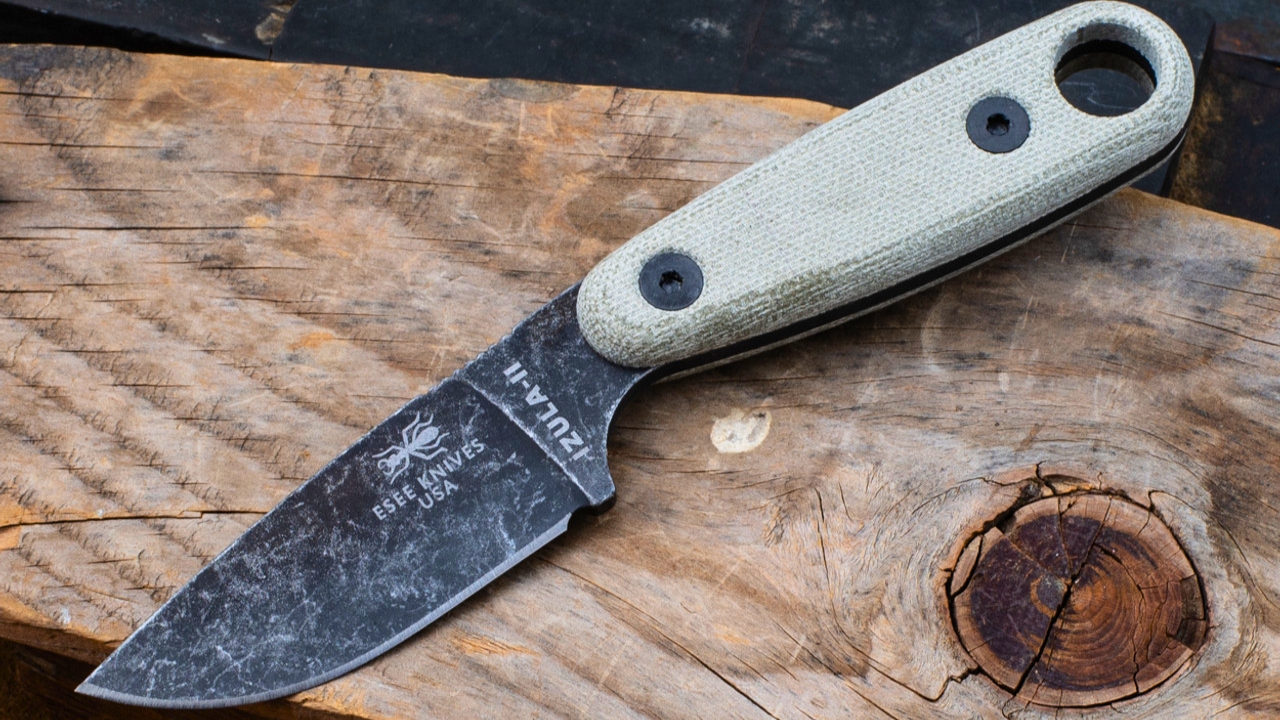
ESEE Izula

The Izula is small enough to disappear on your belt, and it cuts like it’s bigger than it is. The geometry is practical, the edge is easy to maintain, and it’s one of those knives that always seems ready to work. For game processing, cord, and camp tasks, it can run circles around pricier small fixed blades that prioritize looks over function.
It outcuts expensive blades because it stays controllable. You’re not fighting a thick grind or an awkward handle shape. You can choke up, steer the tip, and do precise cuts without feeling like the knife is wandering. The steel isn’t exotic, but it sharpens fast and takes a reliable edge. If you want a small knife that actually performs, the Izula often ends up doing most of the work while bigger, pricier knives ride along for show.
Civivi Elementum

The Elementum became popular for a reason: it’s a clean, practical cutter that doesn’t cost premium money. The blade profile is simple in the best way, and the grind tends to be consistent. For daily slicing tasks, it often feels sharper and smoother than expensive knives that are thicker, heavier, and built around being “hard use.”
It outcuts more expensive blades because it carries an edge that wants to slice, not wedge. It also stays easy to sharpen and easy to keep sharp. You don’t need to baby it, and you don’t need to overthink it. The handle ergonomics help too—good control makes your cuts cleaner and faster. Plenty of knives cost more and give you less real cutting performance. The Elementum is the kind of budget folder that makes you question why you’re paying extra.
Civivi Baby Banter

The Baby Banter looks like a small, friendly EDC knife, but it cuts far above its size and price. The blade geometry is thin enough to slice cleanly, and the handle gives you better control than most small folders. It’s one of those knives that feels “easy” in use, and that ease translates into better cutting.
It outcuts pricier blades because it’s efficient. You’re not dragging a thick edge through material, and you’re not fighting a weird grip. It excels on boxes, tape, food, and daily chores where a knife earns its keep. It’s also simple to sharpen and keep tuned. Small knives often get away with being mediocre cutters because people treat them like accessories. The Baby Banter is different—it’s a small knife that actually wants to work, and it’ll embarrass fancier blades that were designed more for collecting than cutting.
Spyderco Tenacious

The Tenacious has been a gateway knife for a lot of people, and it still earns its keep. The blade shape is useful, the grind is typically decent, and the ergonomics let you keep the edge working. For daily cutting, it can feel more effective than pricier knives that are overbuilt or too thick behind the edge.
It outcuts expensive blades because it’s practical and controllable. The Spyderco-style thumb hole makes it easy to deploy and position quickly, and the edge profile stays friendly to real tasks. Steel choice isn’t boutique, but it sharpens easily and can be maintained without fuss. When you’re breaking down cardboard or doing day-to-day work, that matters a lot. The Tenacious isn’t fancy, but if you’re measuring results, not price tags, it hangs with knives that cost far more.
Like The Avid Outdoorsman’s content? Subscribe to our newsletter so you never miss an article.
Here’s more from us: