Photo credit: vzwer/Shutterstock.com
When you pick up a folding knife, you want the blade to feel solid every time it locks into place. But some models develop noticeable wiggle after months of use, even if you maintain them. Blade play doesn’t always mean the knife is unsafe, but it can affect precision, confidence, and overall feel. Whether it’s due to weaker pivots, softer materials, or poor tolerances, some folders are known to loosen up faster than others. Here are ten folding knives that often face this issue over time.
CRKT M16
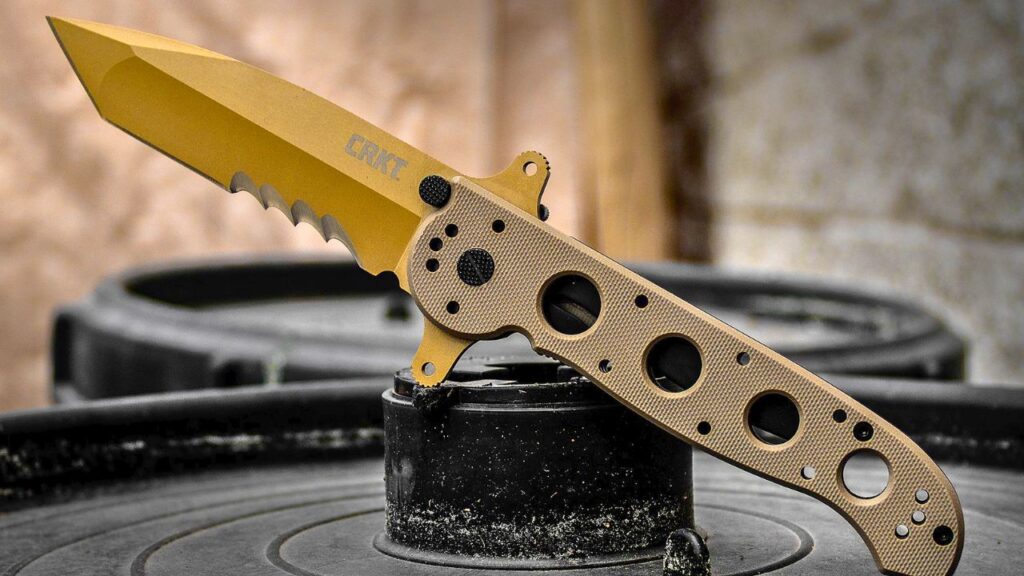
The CRKT M16 series is popular, but many users report blade play developing after extended use. The main culprit tends to be its liner lock system and relatively soft pivot hardware, which can loosen under repeated stress. Tightening the pivot can help temporarily, but it rarely holds for long.
This isn’t a dealbreaker for light-duty tasks, but if you rely on a consistent lockup, it can get frustrating. The M16 shines in affordability and design variety, but if long-term stability is your priority, it may not be the best match.
Kershaw Blur

The Kershaw Blur’s SpeedSafe-assisted opening is smooth and fast, but its aluminum handle construction can contribute to pivot loosening over time. Even when tightened, some users find that side-to-side blade play eventually returns after months of regular carry.
For casual cutting, it isn’t a major concern, but anyone who expects their knife to handle heavier tasks may notice diminishing stability. It’s still a comfortable, quick-deploying knife, but if rock-solid lockup matters to you, the Blur has a mixed reputation when put through extended, demanding use.
Benchmade Griptilian

The Benchmade Griptilian is a fan favorite, but its Axis Lock mechanism relies on omega springs and a pivot design that can sometimes develop small amounts of blade play after extended wear. This is especially true for models that see frequent flicking or hard use.
Some users accept the slight wiggle as a trade-off for the buttery action the Griptilian is known for. While the issue doesn’t typically affect safety, precision tasks can feel less secure. Regular cleaning and pivot adjustments help, but the play often creeps back eventually
Gerber Paraframe
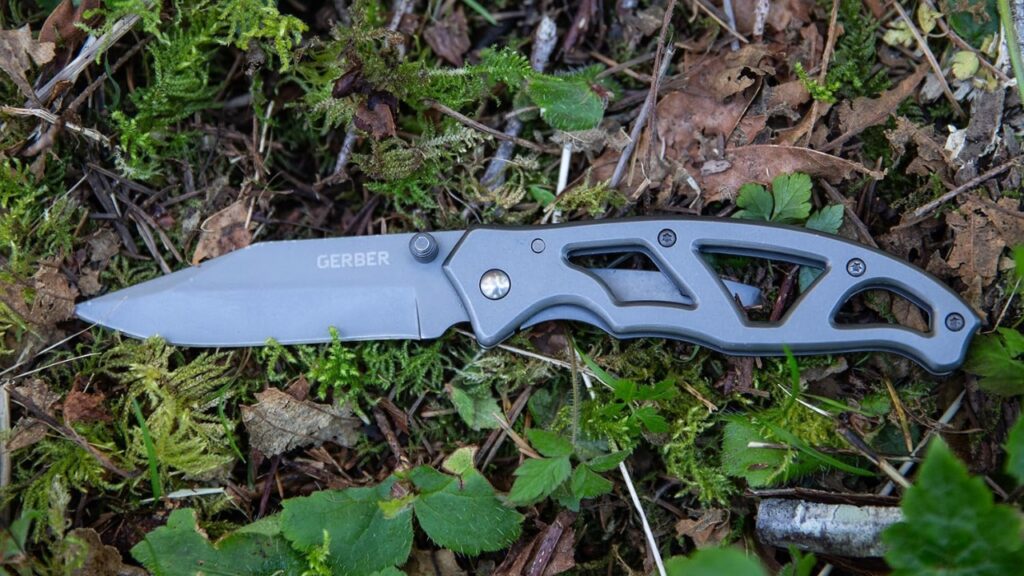
The Gerber Paraframe is one of the most budget-friendly folders around, and that affordability comes with trade-offs. Its thin frame lock design and softer pivot screws are more prone to loosening over time, leading to blade wobble with repeated use.
For light-duty cutting, it holds up reasonably well, but if you push it beyond simple tasks, the play becomes noticeable. Maintenance can buy you time, but you’ll likely see the lockup degrade faster than on higher-end knives built with tighter tolerances and stronger pivots.
SOG Flash II
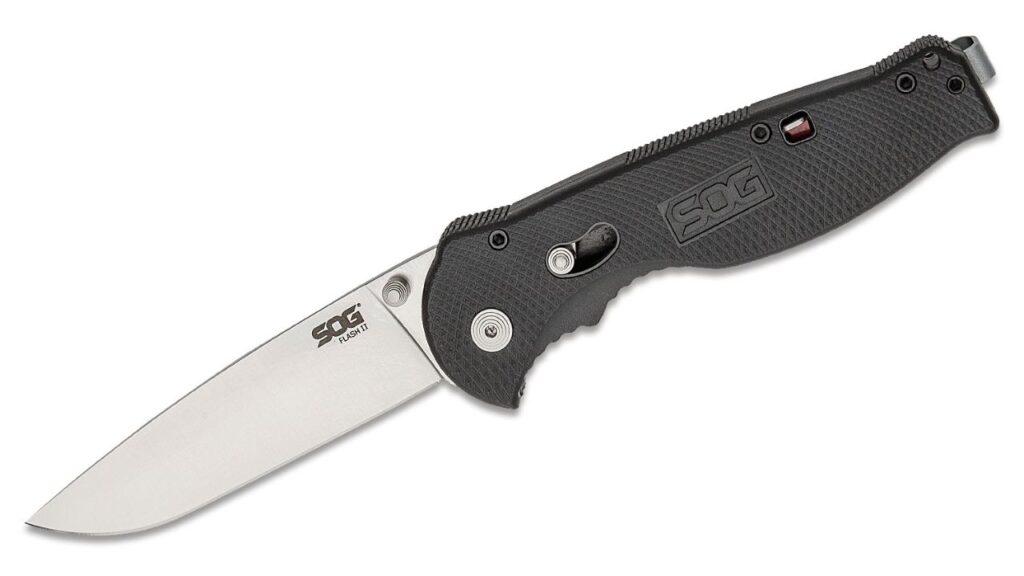
The SOG Flash II deploys quickly, but its lightweight build and assisted mechanism can lead to long-term stability problems. Blade play is one of the most common complaints, especially after months of steady opening and closing.
Its handle construction and pivot setup lean toward speed rather than rigidity, so if you’re looking for a knife that stays tight under stress, this one might fall short. That said, for light EDC tasks where speed matters more than long-term durability, it still has a dedicated following.
Buck 110 Folding Hunter (modern versions)
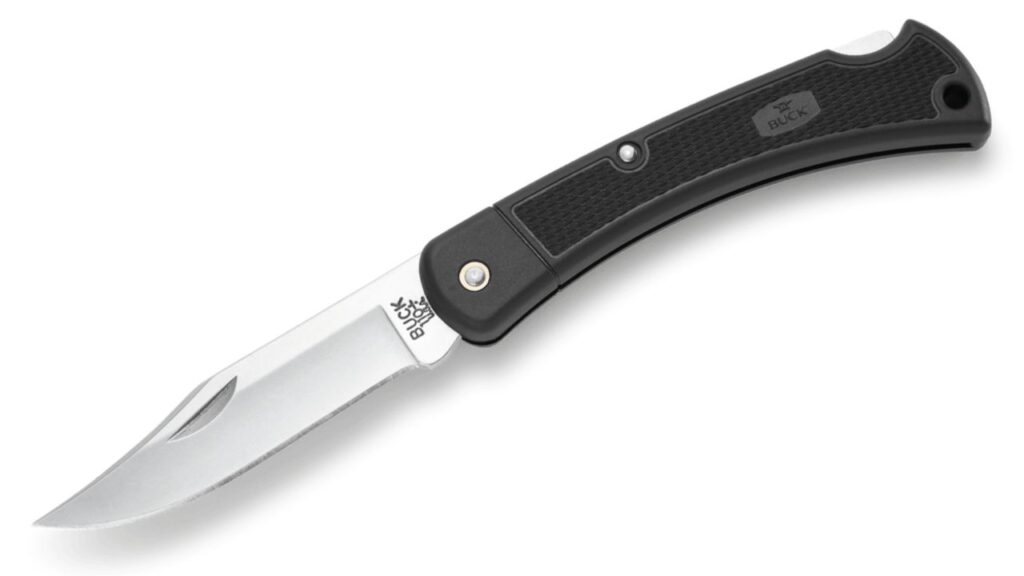
The classic Buck 110 is rock-solid in its traditional lockback form, but some modern lightweight versions using alternative materials don’t always hold the same tolerances. Over time, small amounts of side-to-side blade play can develop if you’re opening and closing it constantly.
It’s not as widespread as with other models, but users expecting the same bulletproof lockup as the original find it disappointing. If durability is your top concern, sticking with the traditional brass-and-wood construction tends to give you more long-term stability than the updated lighter variants.
Ontario RAT 1
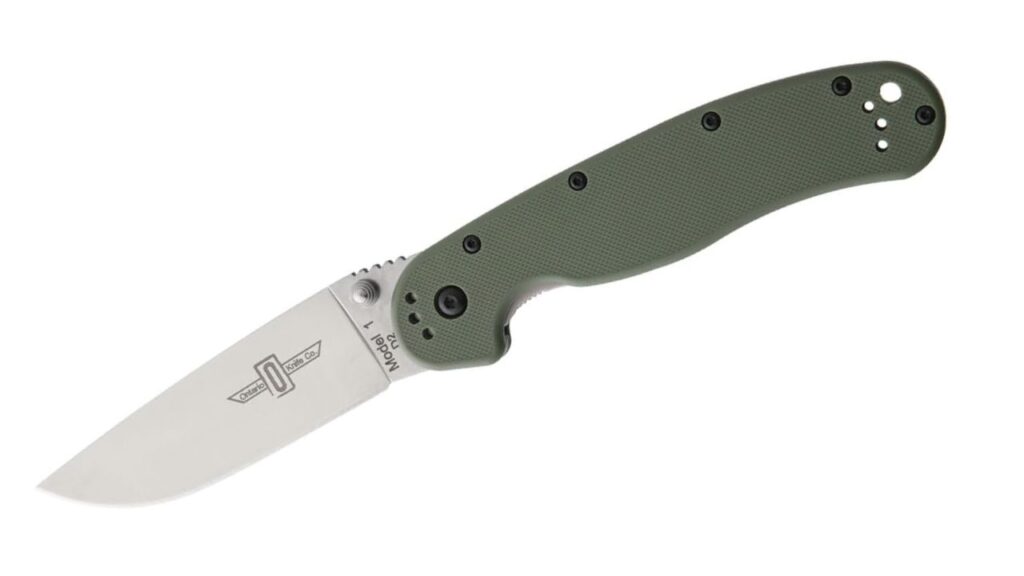
The Ontario RAT 1 has a strong following for its value, but some owners report minor blade play appearing after months of steady use. Its liner lock and pivot system can loosen slightly with repeated openings, especially under heavier cutting loads.
While tightening the pivot temporarily improves stability, it doesn’t always last long-term. If you want something smooth and affordable for daily tasks, it’s still a solid option. But if lockup strength is your top priority, you may notice this knife losing its tight feel sooner than premium competitors.
Cold Steel Tuff Lite
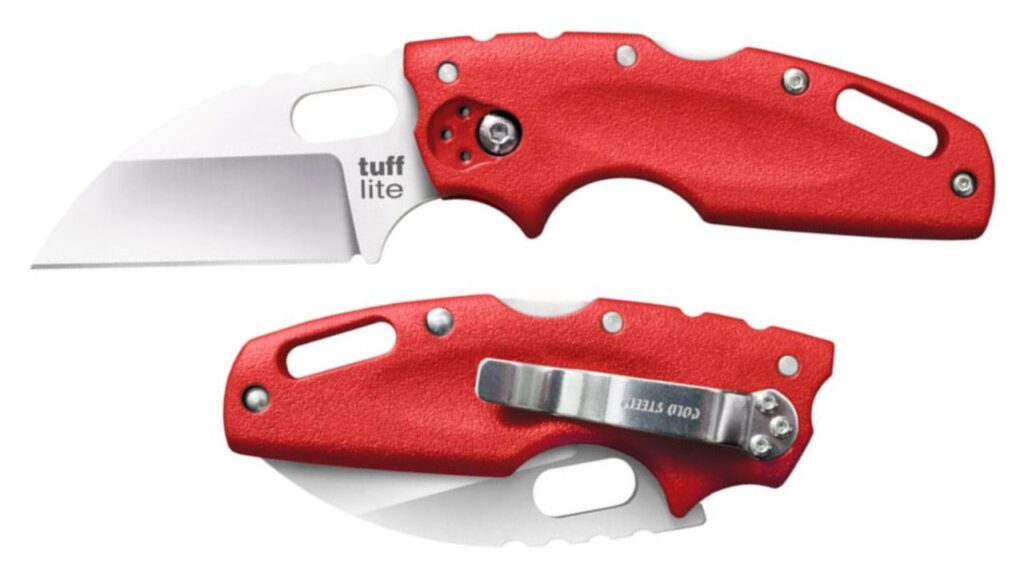
Cold Steel is known for strong lockups, but the Tuff Lite doesn’t share the same bombproof reputation as some of their heavier-duty folders. Its compact size and lighter materials make it more prone to minor blade wiggle after regular use.
It remains a reliable cutter for most everyday tasks, but demanding more from it can accelerate wear on its pivot. While Cold Steel’s Tri-Ad Lock is excellent in theory, this particular design doesn’t maintain its initial rock-solid stability quite as well as larger Cold Steel models.
Kershaw Skyline
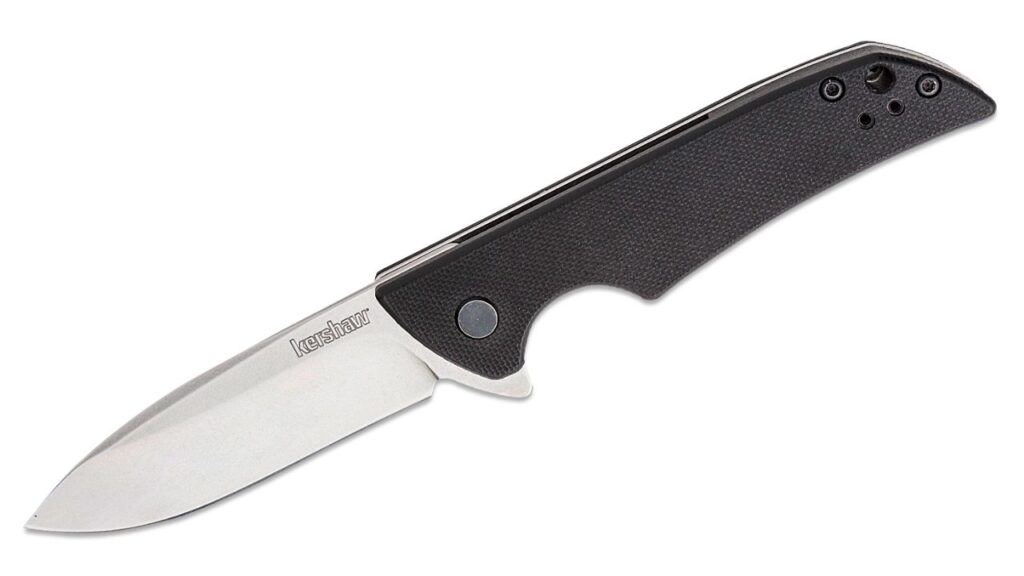
The Kershaw Skyline has long been a popular flipper, but its slim construction and washer setup can develop slight blade play with extended carry. It isn’t immediate, but after months of constant flipping, many users notice side-to-side movement creeping in.
A quick adjustment usually helps, but heavy use often brings the problem back. It’s still lightweight, ergonomic, and easy to carry, making it a favorite EDC choice, but if you expect years of perfectly tight lockup, the Skyline’s design isn’t the most forgiving.
CRKT Pilar

The CRKT Pilar is compact and stylish, but its frame lock design paired with a smaller pivot means it can loosen faster than sturdier folders. Over time, repeated opening and closing often leads to noticeable blade movement, especially with hard use.
For lighter-duty EDC cutting, it works fine, but if you plan on pushing it beyond basic slicing, you’ll feel the difference. While tightening the pivot helps, owners often find themselves revisiting the adjustment more often than with similarly sized competitors designed for longer-lasting rigidity.
*This article was developed with AI-powered tools and has been carefully reviewed by our editors.