Photo credit: DavidSamperio/Shutterstock.com
Back when the world was fighting with trenches, bayonets, and iron sights, bolt-action rifles were the backbone of every infantry unit. These weren’t precision match rifles—they were built to survive mud, grit, and years of abuse while still getting the job done. And in a time when reliability meant survival, a handful of bolt-actions stood above the rest. If you want to know what rifles actually shaped the outcome of world wars—not museum pieces, but the ones carried into battle—these are the ones to look at.
M1903 Springfield
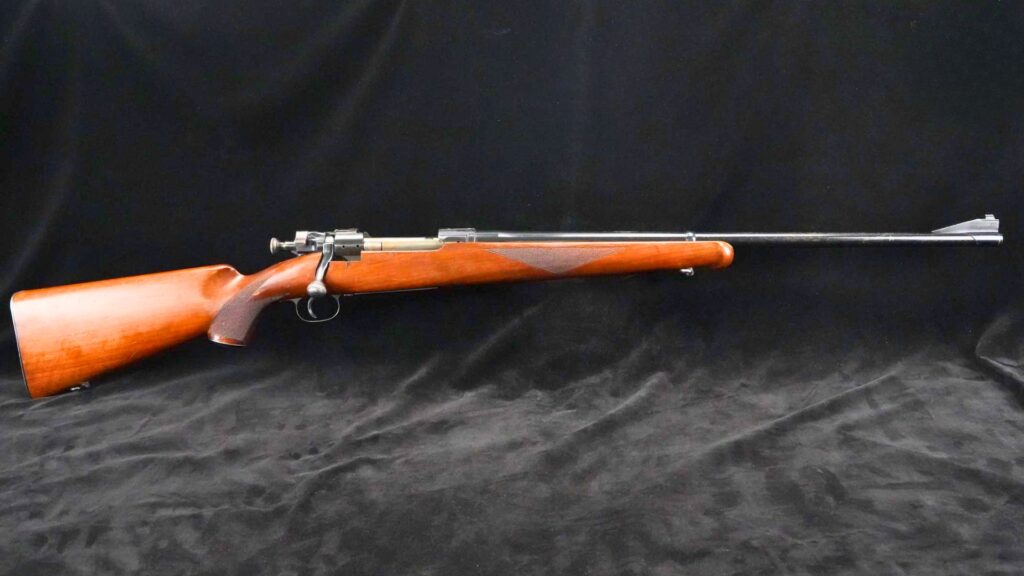
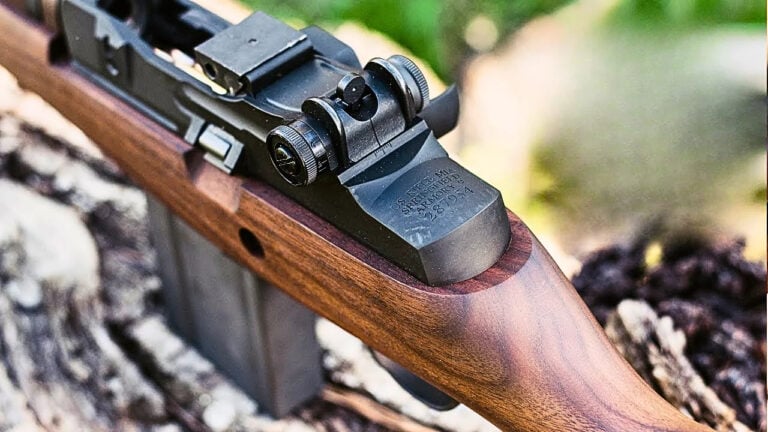
The Springfield M1903 was the workhorse of American troops in WWI and still saw action well into WWII. Chambered in .30-06, it offered good range and accuracy out to 1,000 yards, and the bolt was smooth and fast for its time. Built solid with iron sights that actually worked under stress, it was a rifle you could trust in the trenches or in the Pacific jungle. Sniper variants extended its life even further in WWII.
Lee-Enfield No. 4 Mk I
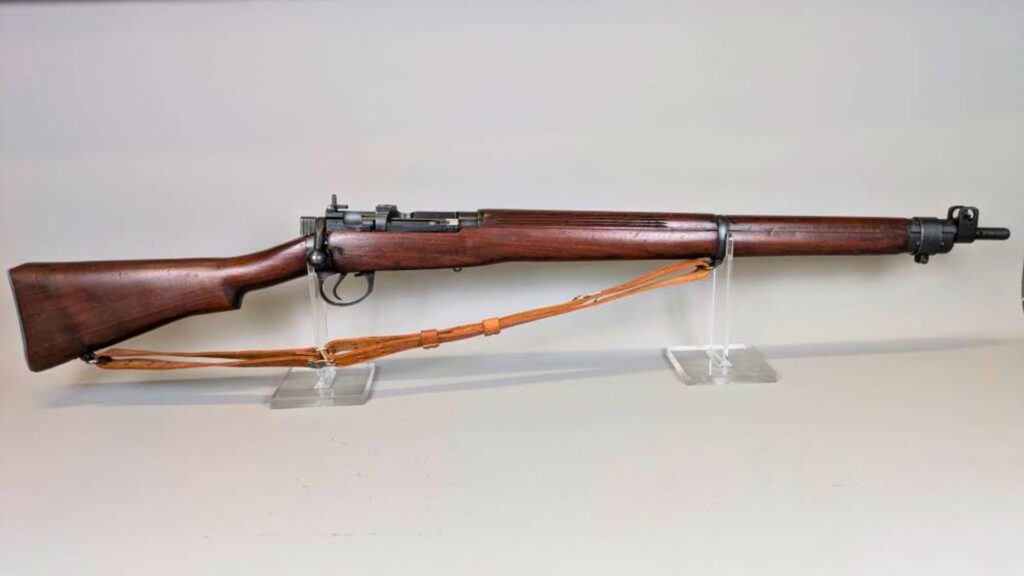
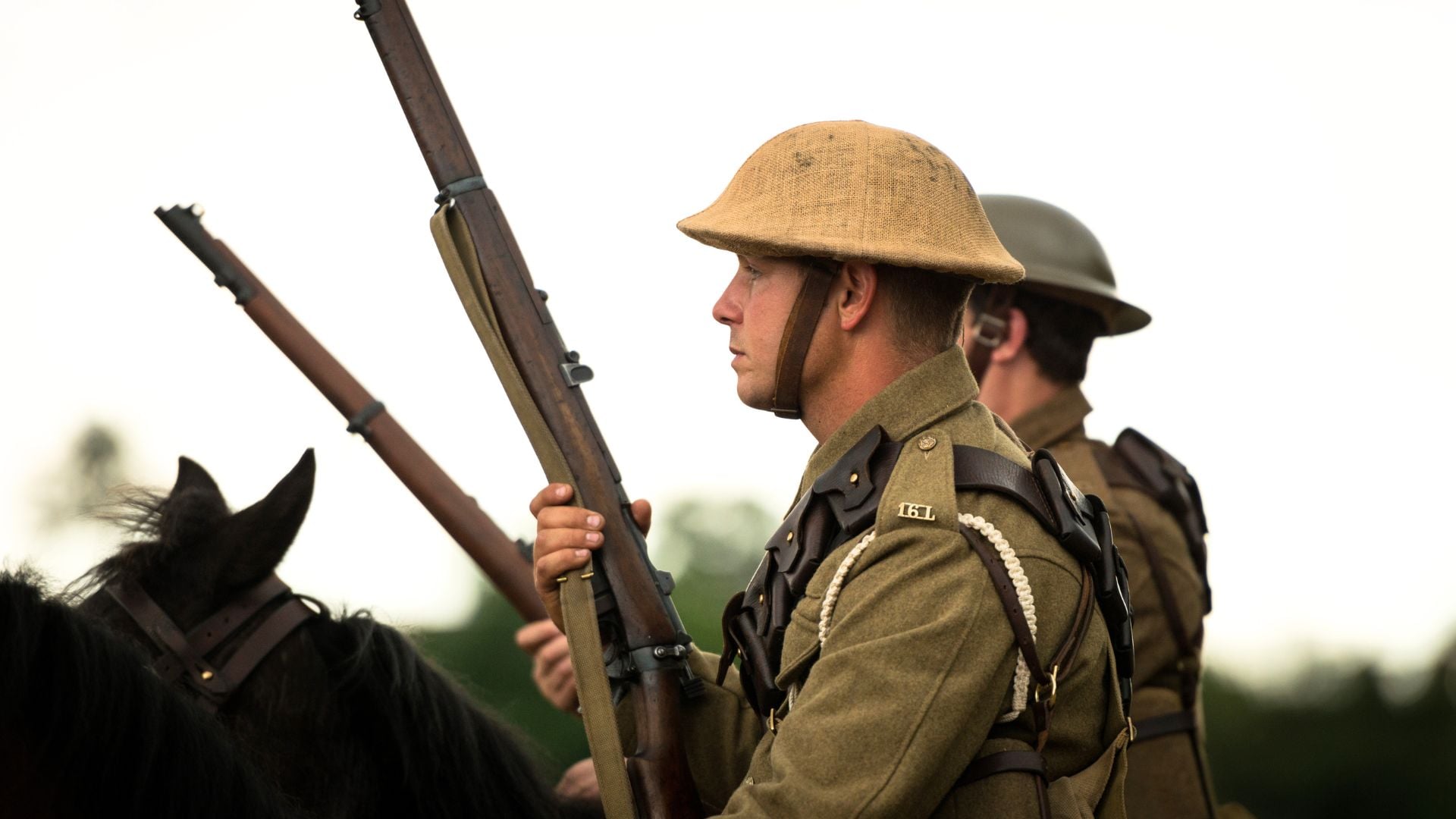
British troops carried the Lee-Enfield through both World Wars, and the No. 4 Mk I was the backbone of their infantry during WWII. Chambered in .303 British, it was known for its buttery-smooth bolt and high rate of fire. Soldiers could cycle rounds faster than almost any other bolt-action on the field. With a 10-round magazine and serious durability, it earned its keep on every front—from the deserts of North Africa to the cold mud of Europe.
Karabiner 98k
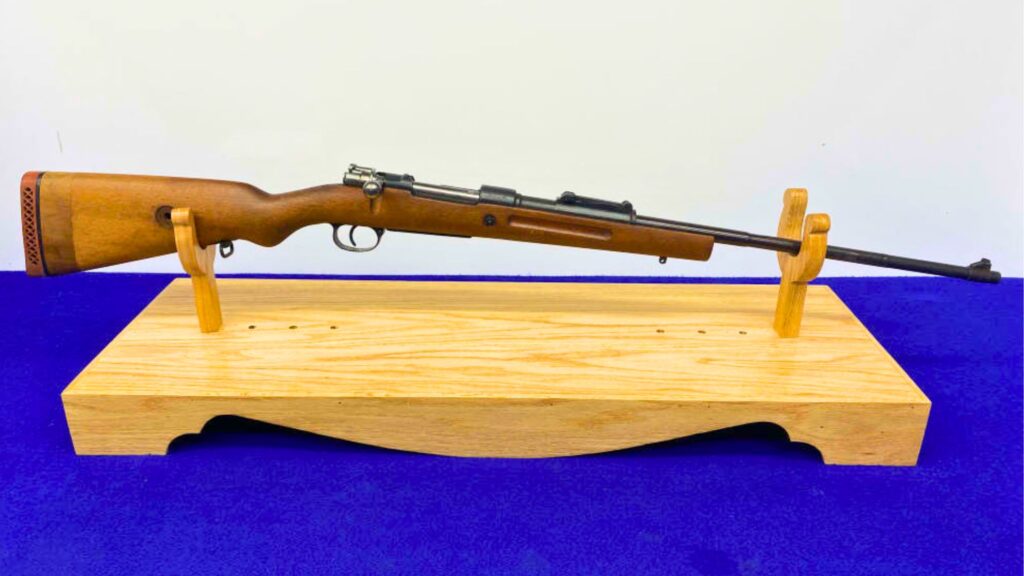
Germany’s Mauser-based Kar98k was one of the most widely issued bolt-actions of WWII. Built on the legendary Mauser 98 action, it was strong, dependable, and chambered in 7.92×57mm. It had excellent accuracy and was tough enough to handle freezing Russian winters. The Mauser action also influenced a lot of modern bolt rifles we use today. If you’ve ever run a modern hunting bolt gun, there’s a good chance it traces back to the Kar98k.
Mosin-Nagant M91/30
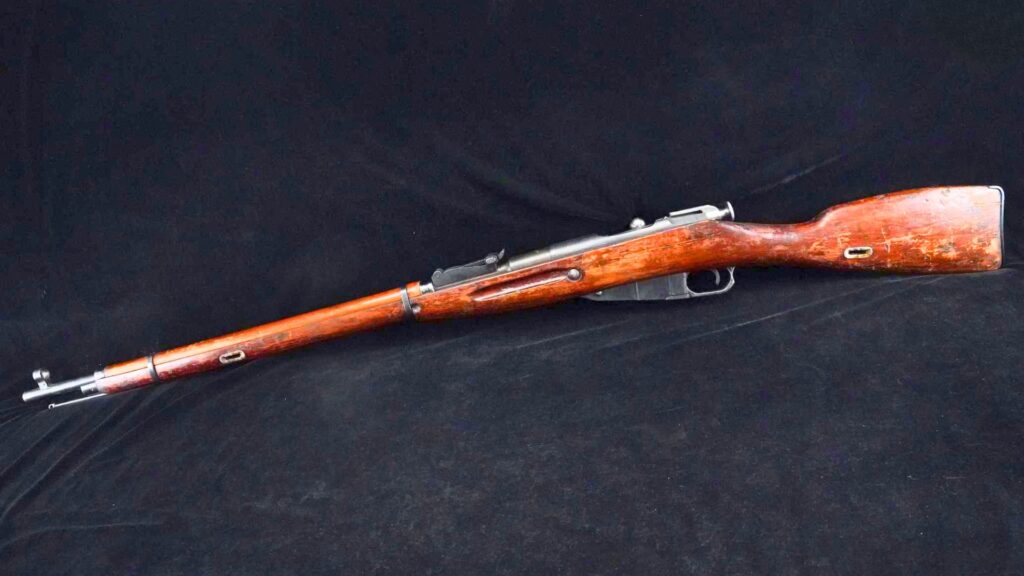
Russia armed millions of troops with the Mosin-Nagant M91/30. It wasn’t fancy, but it worked—especially in the hands of troops who had little more than grit and thick coats. Chambered in 7.62×54mmR, the Mosin kicked hard but hit harder. It had a bayonet that practically doubled the rifle’s length, and it stayed in service long after WWII. Some sniper versions were deadly accurate in the right hands, making it one of the most fielded rifles of the war.
Arisaka Type 99

Japan issued the Type 99 during WWII, chambered in 7.7×58mm. The design took cues from the Mauser system but added Japanese toughness to the mix. These rifles were known for being overbuilt, sometimes featuring anti-aircraft sights and monopods. While not as well-known stateside, the Type 99 could handle battlefield abuse and still function, which is more than you can say for a lot of late-war gear. Some of these rifles are still functional today.
MAS-36
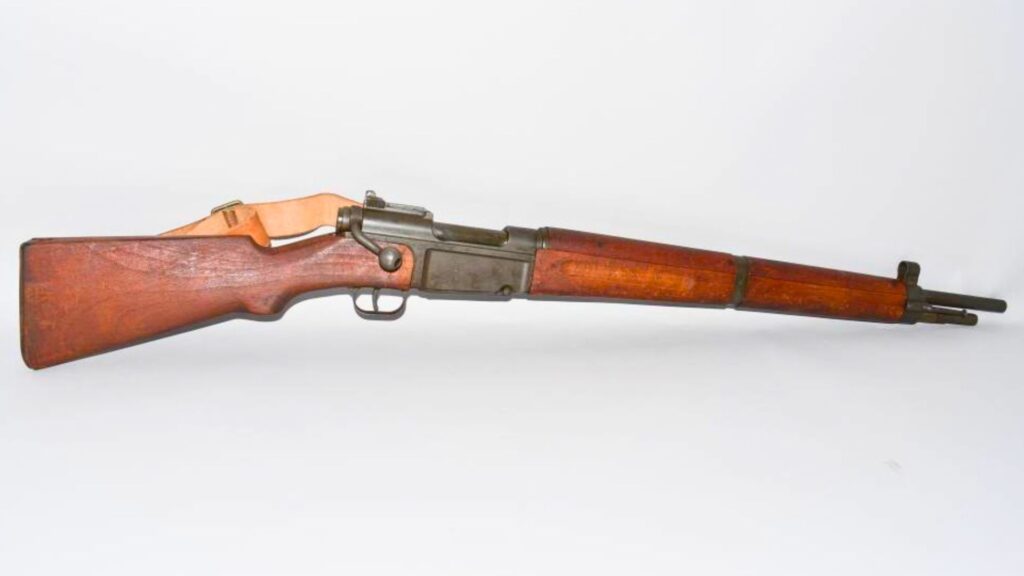
France’s MAS-36 was a no-frills bolt-action chambered in 7.5×54mm that showed up late in the interwar period. It was short, rugged, and surprisingly easy to handle under rough conditions. You won’t see it get as much attention as the others, but it did the job in WWII and saw use through France’s postwar colonial conflicts. Its stubby length made it maneuverable in tight quarters, and it was easier to maintain than most people give it credit for.
Carcano M91

Italy’s Carcano M91 was used through both world wars in various configurations. Chambered in 6.5×52mm and later 7.35mm, it didn’t have the same stopping power as some others on this list, but it held its own. It was accurate enough and relatively lightweight, which made it easier for troops to carry over long marches. While not loved by collectors today, in wartime Europe, the Carcano was what many soldiers relied on when there was no backup.
Steyr-Mannlicher M95
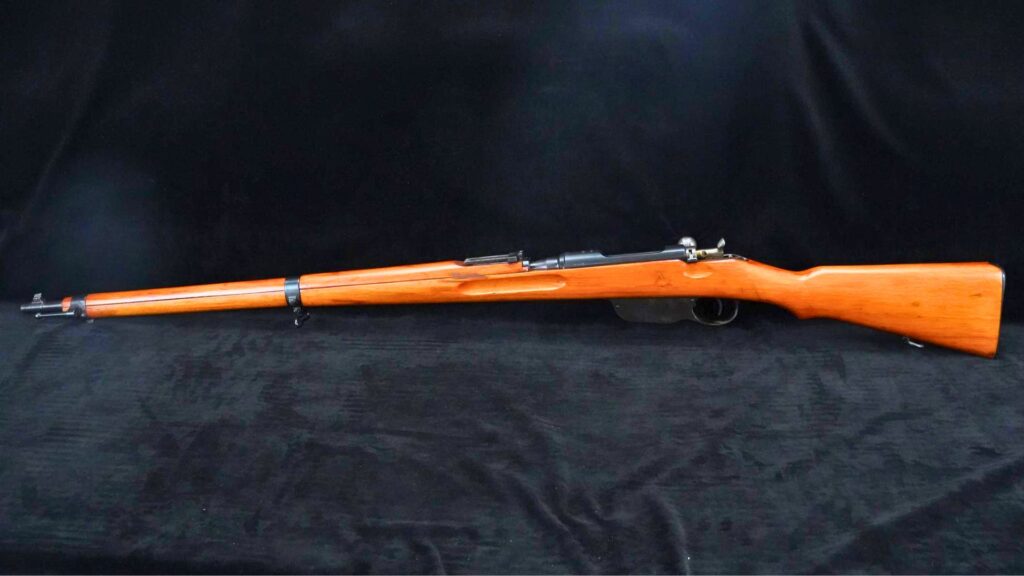
Austria-Hungary and later Nazi Germany used the Steyr M95 in large numbers. Chambered in 8×56mmR, it had a straight-pull bolt that made it quicker to operate than most traditional turn-bolts. It kicked like a mule, but it was compact and reliable. Its en-bloc clip system made reloading quick, and it stayed in service across multiple decades and conflicts. This rifle was built tough and survived multiple political regimes, which tells you something about its staying power.
M1917 Enfield
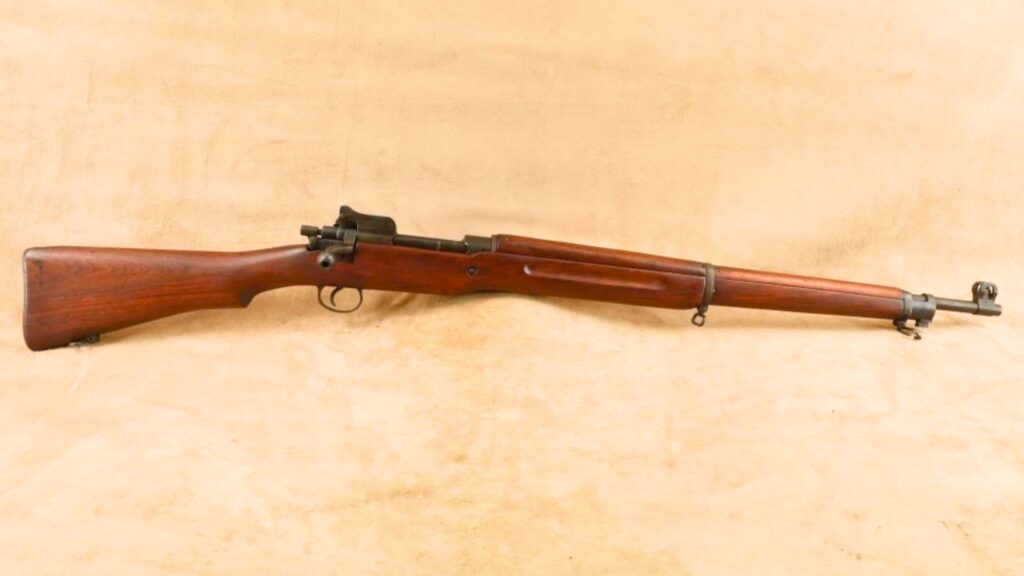
The M1917 Enfield was technically British in design, but the American version ended up being one of the most heavily used rifles by U.S. troops in WWI. Chambered in .30-06, it was built strong and accurate, with better sights than many of its European rivals. By WWII, it still saw use by support troops and as a training rifle. Some soldiers even preferred it over the Springfield for its ruggedness and reliability in harsh field conditions.
Norwegian Krag–Jørgensen
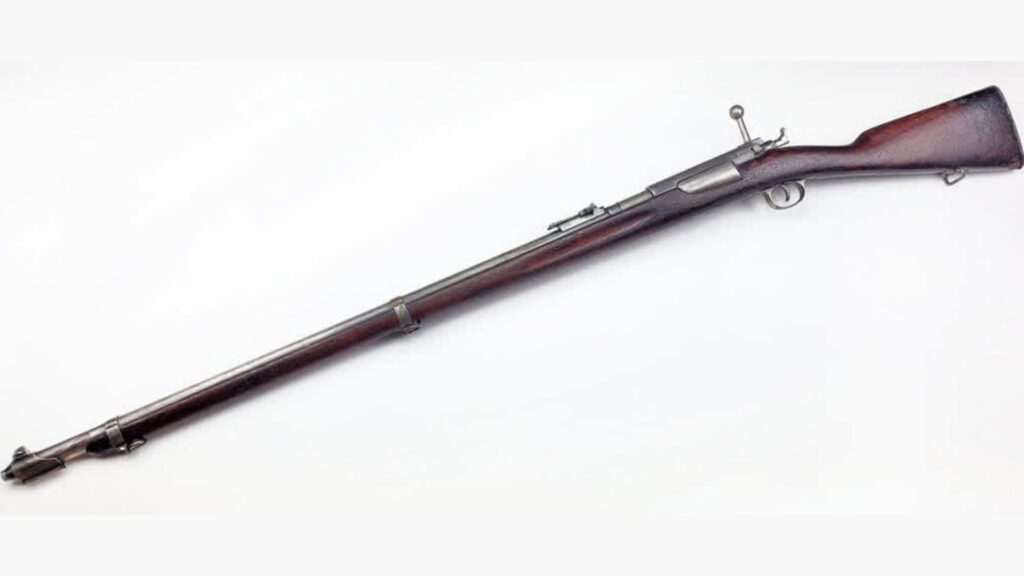
Though the U.S. had its own Krag version, the original Norwegian Krag–Jørgensen saw real military service during WWII when Norway was invaded by Germany. Chambered in 6.5×55mm, it had one of the smoothest bolt actions ever made, even if it was a bit slow. The side-loading magazine was unique, and the rifles were well-respected by those who used them. Though outdated by WWII, Norwegian troops still put them to work in their country’s defense.
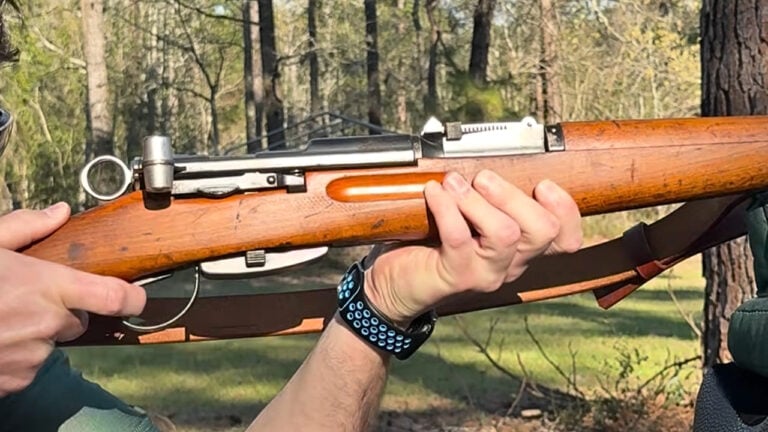
Swiss K31
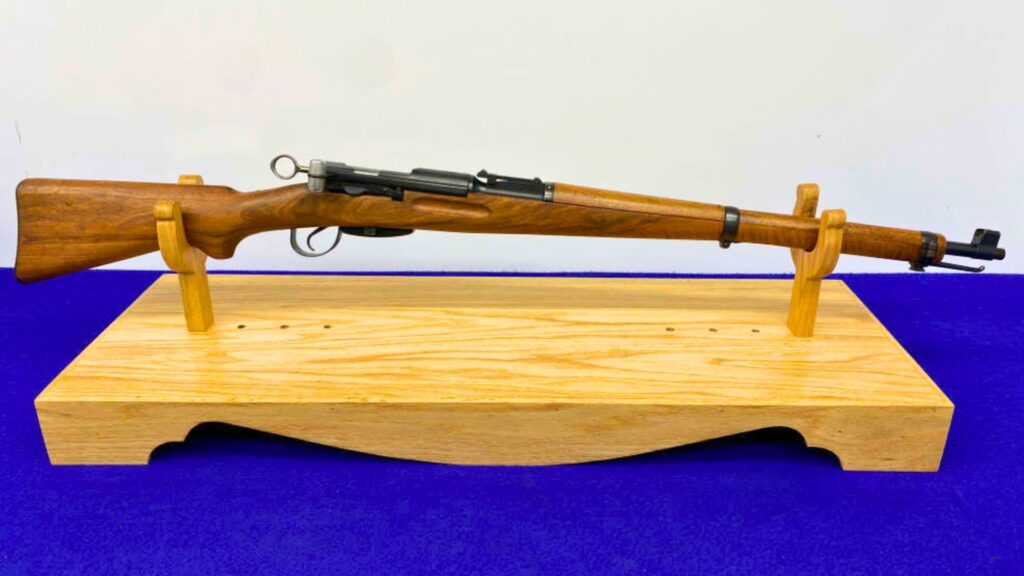
Switzerland wasn’t a combatant, but the K31 absolutely belongs on this list. Chambered in 7.5×55mm Swiss, it had phenomenal accuracy and a straight-pull bolt that made it lightning-fast. Swiss troops trained extensively with them, and while they didn’t see wartime use in open battle, the rifle’s design and function influenced bolt-gun standards worldwide. These rifles were built with precision that most wartime manufacturers couldn’t afford. If things had gone differently, it could’ve been a major player.
Pattern 1914 Enfield
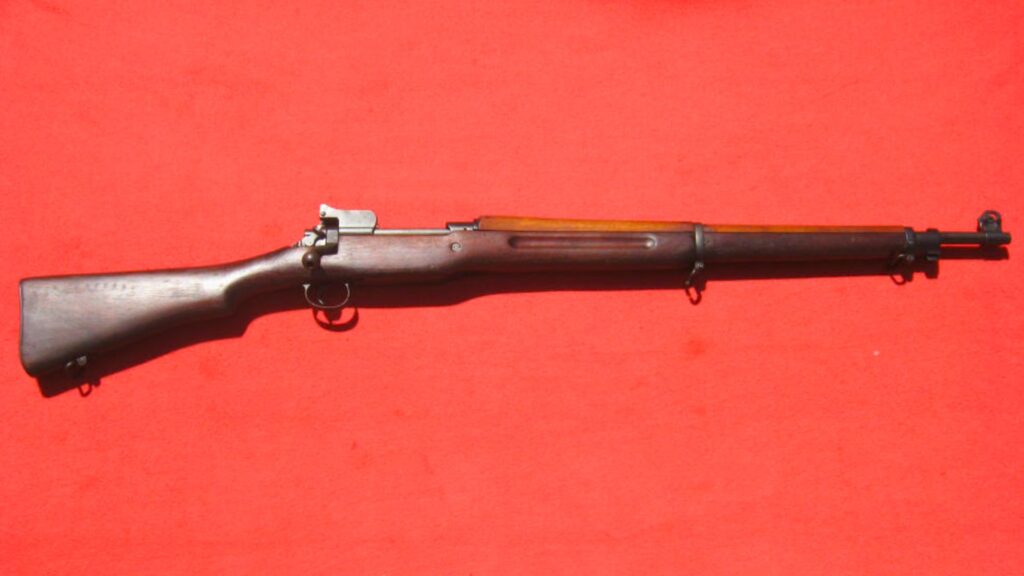
Originally a British design produced in the U.S., the Pattern 1914 Enfield was chambered in .303 British and issued to British troops in WWI. It offered better sights and ergonomics than the older SMLE designs and shared many parts with the American M1917. Though it didn’t see front-line action in WWII like some others, it played a big role in training and home defense. It’s one of those overlooked rifles that quietly shaped soldier readiness behind the scenes.
*This article was developed with AI-powered tools and has been carefully reviewed by our editors.