Photo credit: Combatcamerauk/ Shutterstock.com
Vietnam wasn’t a war fought from a distance. It was hot, dense, and close. The thick jungle forced gear to be lighter, faster, and able to keep running through heat, humidity, and grit. Guns jammed, stocks rotted, and anything that couldn’t be trusted got replaced. The weapons that stuck around weren’t always perfect, but they got the job done when it mattered. If you were walking point, pinned down, or crawling through the bush, these are the guns you were most likely carrying—or depending on the guy next to you to carry.
M16 Rifle
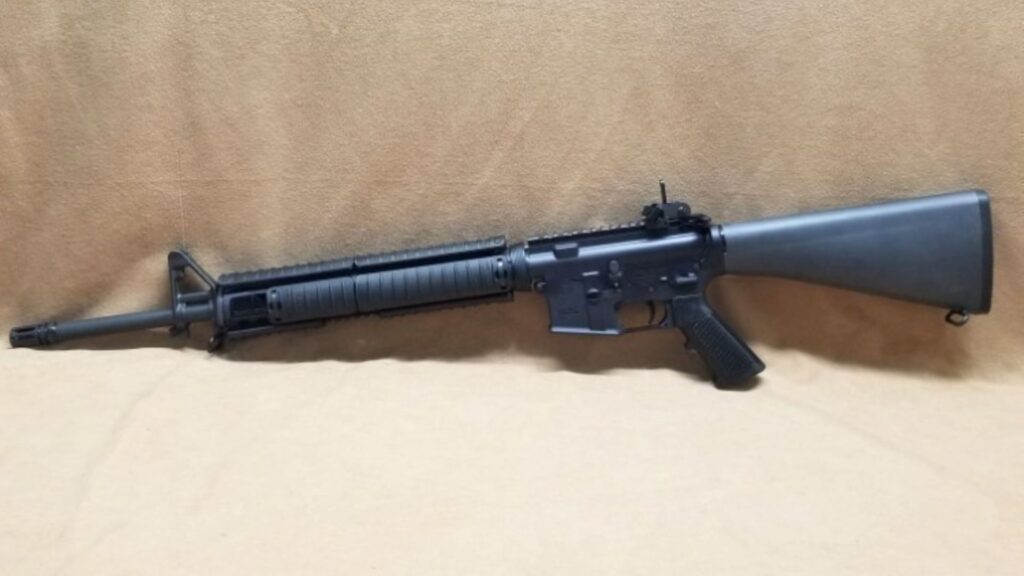
The M16 was the standard-issue rifle for American troops, but early models had issues in the jungle. The original design used a different powder than it was built for, which caused jamming—sometimes fatally. Later improvements, like chrome-lined chambers and cleaning kits, made it more reliable. It was lightweight, accurate, and easy to carry through thick brush. Once the bugs were worked out, it became a mainstay for infantry units throughout the war.
M14 Rifle
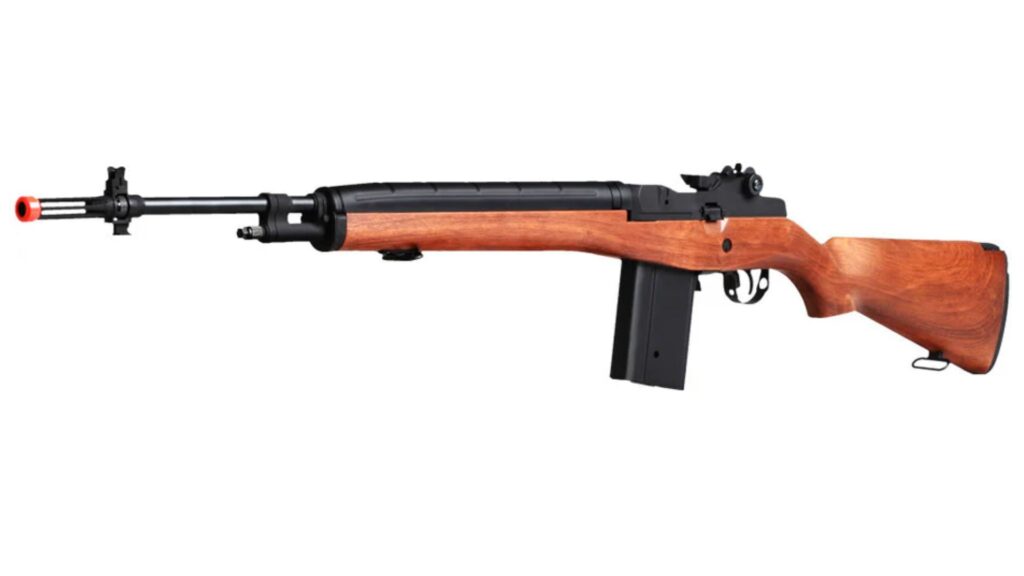
Before the M16 took over, the M14 was the go-to. It fired the 7.62 NATO round and packed more punch, especially useful in longer-range firefights or when cutting through thick vegetation. The downside? It was heavier and harder to control in full-auto. Some soldiers actually preferred it for its stopping power and ruggedness, even though the Army phased it out early in the war. It was still used by designated marksmen and some special units all the way through.
M60 Machine Gun
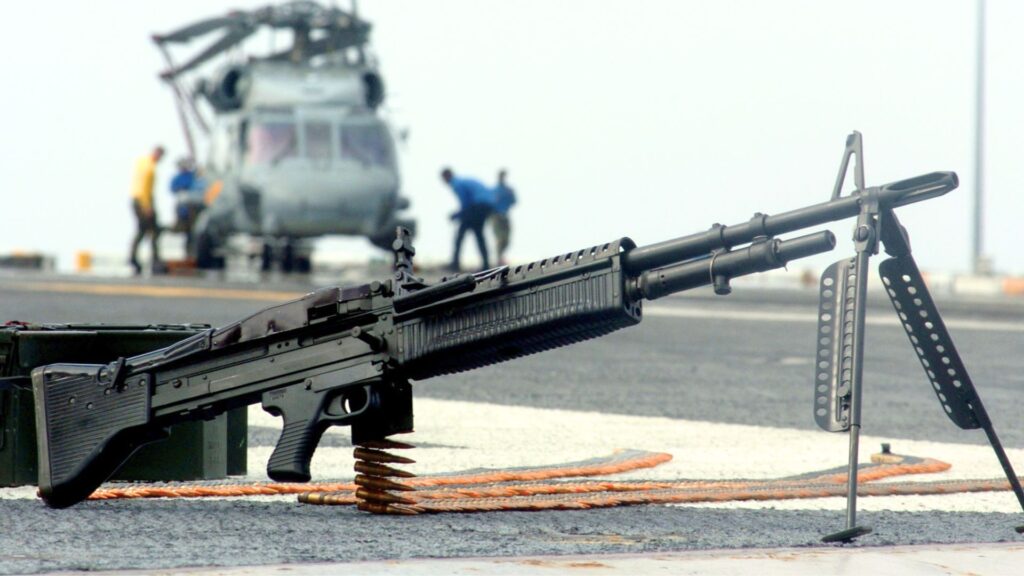
The M60 earned the nickname “The Pig” for a reason—it was heavy and ate ammo fast. But in a firefight, it delivered serious firepower. It fired the same 7.62 NATO round as the M14 and could lay down suppressive fire that made a difference. Gun teams hauled it through some of the worst terrain, usually with a guy carrying spare barrels and belts of ammo. It was loud, clunky, and jam-prone in mud, but it was still one of the most feared weapons on the ground.
M79 Grenade Launcher
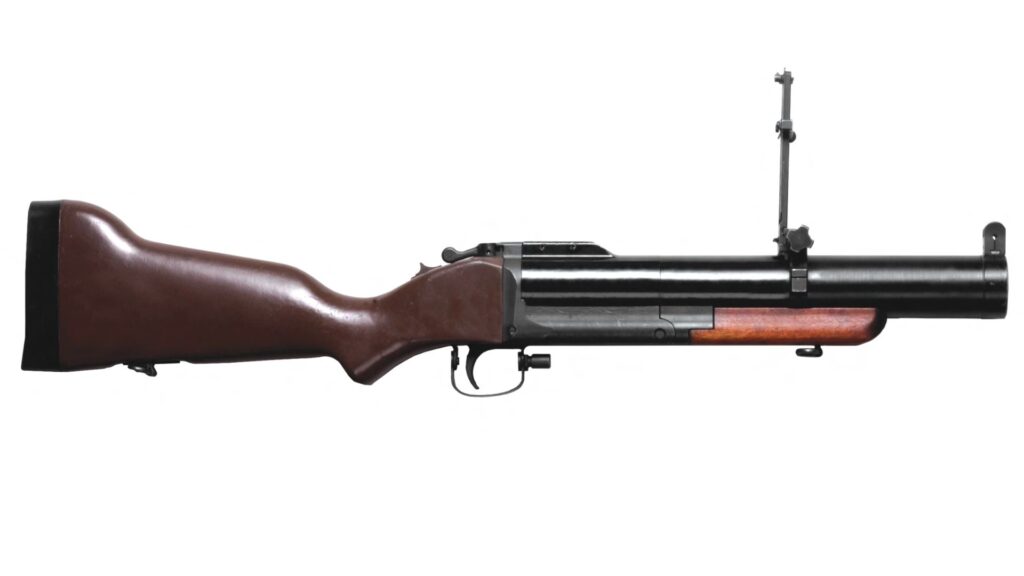
The M79 looked like a break-action shotgun, but it launched 40mm grenades with surprising accuracy. Troops called it the “blooper” because of the sound it made. It gave infantry squads a way to deliver explosive power at medium range, which helped in ambushes or clearing brush. It wasn’t much good at close range, and the shooter was limited to a single shot at a time, but its ability to launch HE rounds deep into the jungle made it a valued tool in the field.
M1911 Pistol

The M1911 was standard sidearm for officers, tunnel rats, and anyone who wanted a last-resort option. Chambered in .45 ACP, it delivered serious stopping power at close range. It was reliable, easy to carry, and had already been tested through two world wars. In the hands of a tunnel rat crawling into pitch-black enemy tunnels, it wasn’t backup—it was primary. Many troops carried it in a shoulder holster or tucked inside a vest for when things went sideways.
M2 Carbine
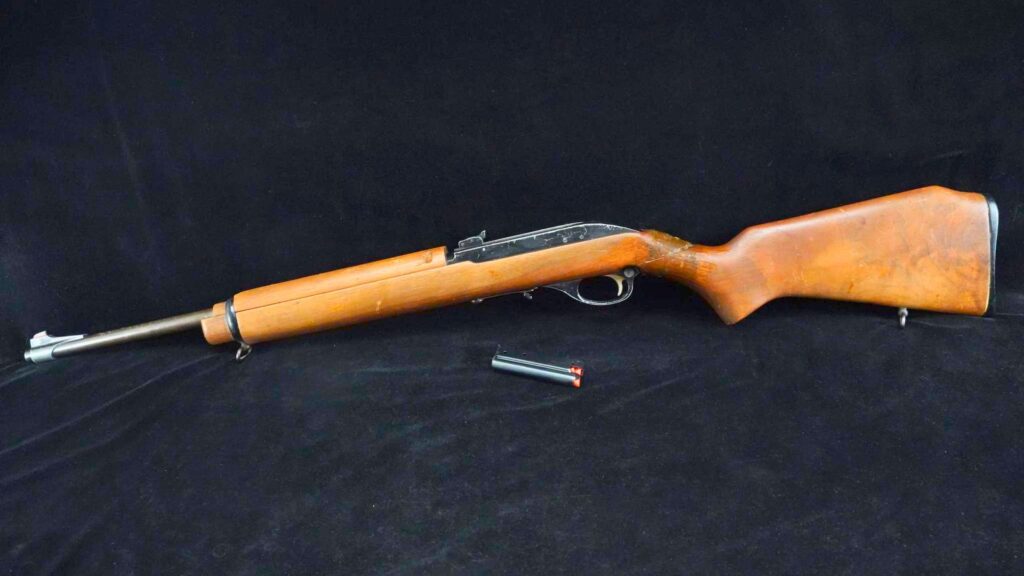
The M2 was a select-fire version of the M1 Carbine, firing a smaller .30 caliber round. It was lighter than the M14 and easier to control in automatic mode, which made it useful for support troops or officers moving through tight spaces. It didn’t have the stopping power of a full rifle cartridge, but its light weight and compact size made it easier to carry in the brush. It was phased out over time but still showed up in the field.
Remington 870 Shotgun

When it came to close-quarters jungle fighting, the Remington 870 earned its keep. Carried by Marines, point men, and tunnel rats, this pump-action 12-gauge could clear a path fast. Buckshot didn’t care about brush or body armor. It was especially handy in ambush situations or tight patrols through elephant grass. Durable and straightforward, it didn’t jam easily and could be cleaned up quickly after a wet slog. It wasn’t standard-issue, but it was heavily favored by those who could get one.
CAR-15
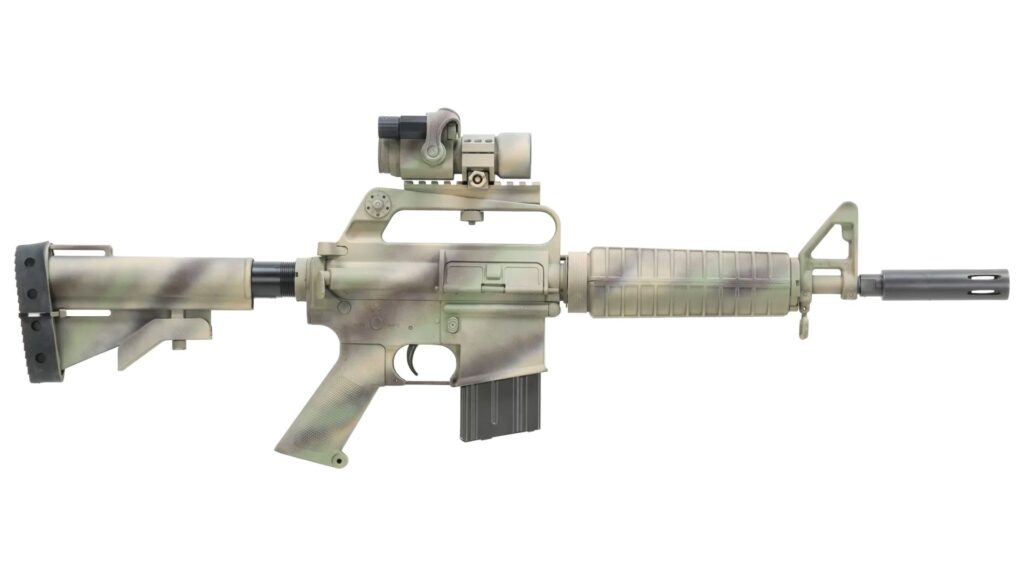
The CAR-15 was a carbine version of the M16 with a collapsible stock and shorter barrel. It was mostly used by special forces, LRRP teams, and recon units that needed something lighter and more compact. It had the same reliability issues early on as the M16, but many of those were fixed by the time it saw widespread use. For guys who needed to move fast and quiet through the jungle, this compact rifle made sense—and it packed the same punch.
M3 Grease Gun
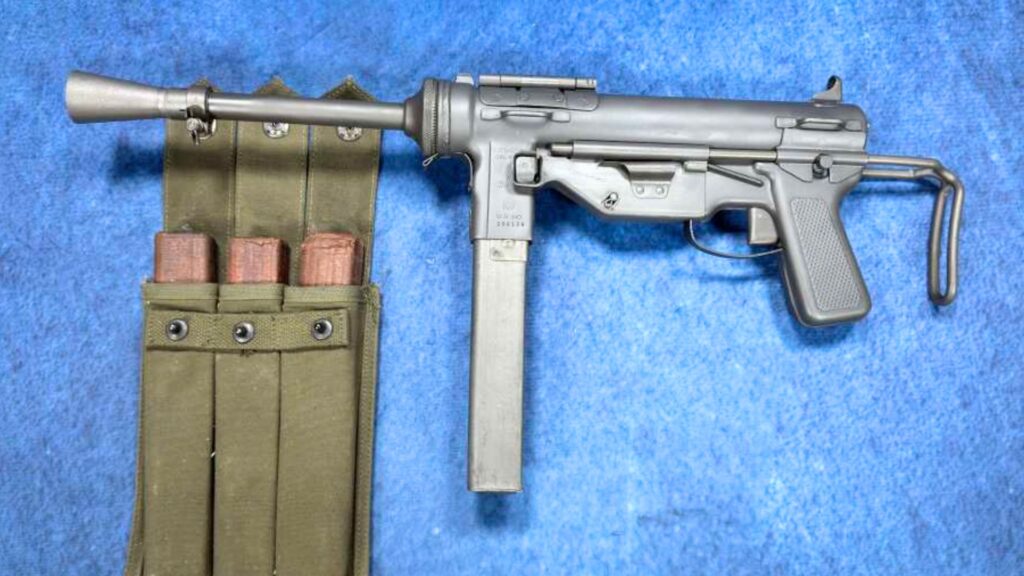
The M3 was a WWII-era submachine gun that stuck around into Vietnam. Chambered in .45 ACP, it was slow-firing and didn’t look like much, but it was cheap to produce and worked well enough in close quarters. Some vehicle crews, special forces, and support troops used it because it was compact and easy to carry. It wasn’t standard across the board, but it saw real action, especially in early parts of the war or in less conventional units.
XM148 Grenade Launcher
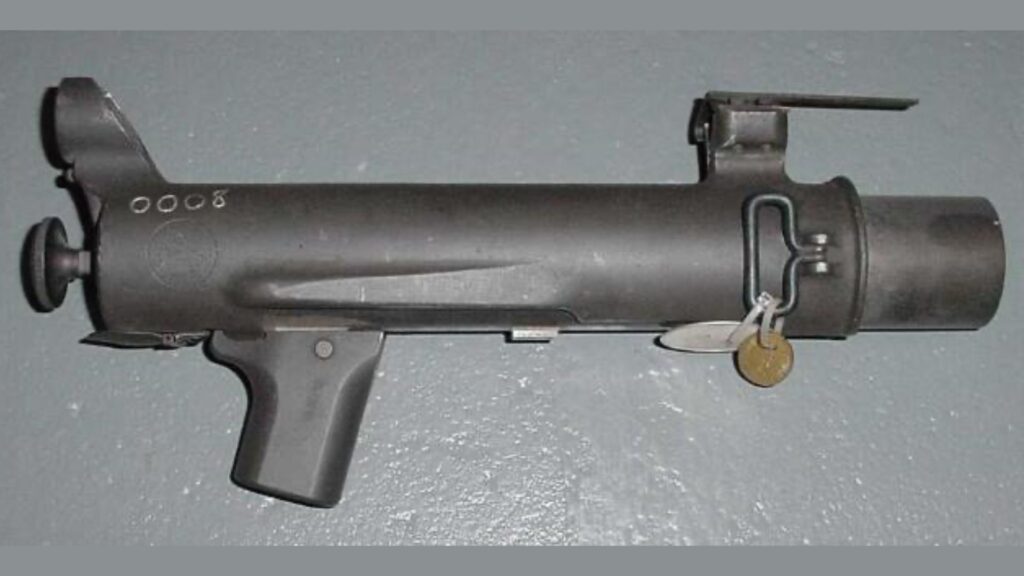
Before the under-barrel M203 was widely available, the XM148 was the first attempt to attach a grenade launcher to the M16. It gave soldiers the advantage of launching grenades without switching weapons, but it had issues—fragile parts, poor ergonomics, and difficult maintenance. Still, in the right hands, it made the standard rifle more versatile. It didn’t stay in service long, but for a short period, it was one of the few tools that could extend an infantryman’s reach.
*This article was developed with AI-powered tools and has been carefully reviewed by our editors.