Photo credit: The Avid Outdoorsman
The man said the whole thing started with people coming to the wrong address.
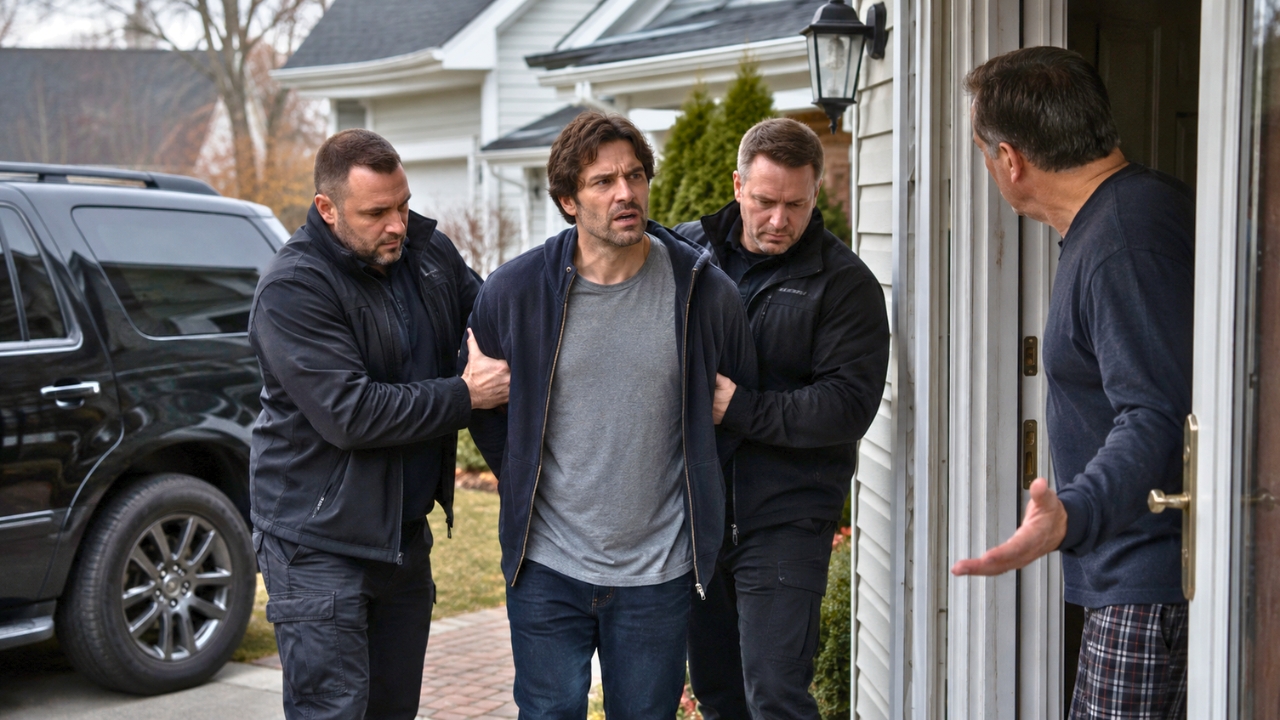
According to the Reddit post, bounty hunters entered his home and arrested him while looking for someone else. The problem was not just that they had the wrong person. They also had the wrong address, which meant the man had to deal with being taken away before anyone realized the mistake needed to be fixed.
The Reddit thread can be found here: https://www.reddit.com/r/legaladvice/comments/dc2tba/bounty_hunters_entered_my_home_and_arrested_me/
That is the kind of story that sounds unbelievable until you think about how fast a mistaken identity situation can move. Someone shows up convinced they are looking for a fugitive. They have a name, an address, or some kind of lead. The person inside the home may have no idea what is happening, but the people at the door already believe they are there for a reason.
Once hands are put on the wrong person, the mistake becomes much more serious.
The man’s concern was not only that bounty hunters entered the home. It was that they allegedly arrested him, removed him, and then had to bring him back after realizing he was not the person they were looking for. That means he was not simply inconvenienced by a knock at the door or a few questions. He was physically taken into their custody by people acting on bad information.
Wrong-address enforcement mistakes are dangerous because both sides can believe they are reacting reasonably. The people entering may think they are dealing with a fugitive who might run. The resident may think strangers have broken into his home. If the resident has family inside, pets, roommates, or a firearm nearby, the risk of the situation getting worse is obvious.
The legal question becomes what authority bounty hunters had, what paperwork they relied on, and whether that authority extended to this address or this person. Bail recovery agents may have certain powers when they are looking for the person who skipped bond, but those powers do not mean they can arrest an unrelated person at an unrelated address.
The man also had to think about proof. If police were involved later, or if he wanted to make a complaint, he needed details: the names of the bounty hunters, the bail company, vehicle information, paperwork they showed, how long he was held, where he was taken, and what was said when they realized the mistake.
That last part matters because “we brought you back” does not erase what happened. If someone is wrongfully detained, even for a short time, the fact that the mistake was eventually corrected does not necessarily mean there are no consequences for the people who made it.
There was also the question of damage. Did they break a door? Did they enter without permission? Did they search the home? Did they threaten him? Did anyone get hurt? Did neighbors see it happen? Those details could change the situation from an embarrassing mistake to something much more serious.
Commenters told him to document the incident immediately while the details were fresh. Names, times, addresses, vehicle descriptions, company information, and anything the bounty hunters said could all matter later.
Several people said he should file a police report. Even if the bounty hunters claimed they were doing their job, arresting the wrong person at the wrong address was not something to handle with a casual apology.
Others suggested contacting an attorney, especially if he was detained, transported, threatened, injured, or had his home entered without lawful authority. A lawyer could look at whether he had claims for false arrest, false imprisonment, trespass, or damages.
Some commenters said he should identify the bail bond company that sent them. If bounty hunters were acting for a company, that company may need to answer for how the wrong address and wrong person were used.
The post ended with the man trying to understand what could be done after being taken from his own home by people who had the wrong target. The fact that they eventually brought him back did not make the mistake harmless. It only proved they knew, at some point, that they had arrested the wrong man.
Like The Avid Outdoorsman’s content? Subscribe to our newsletter so you never miss an article.
Here’s more from us: