Photo credit: AI-generated image created using ChatGPT. Illustrative only
Forty acres of Kentucky woods can feel like the middle of nowhere—right up until somebody else moves in next door and treats it like a neighborhood park. That’s the spot one landowner’s family described when they asked for help in the original post: a hunting property outside town limits, heavily posted, and suddenly dealing with kids wandering in like the signs don’t exist.
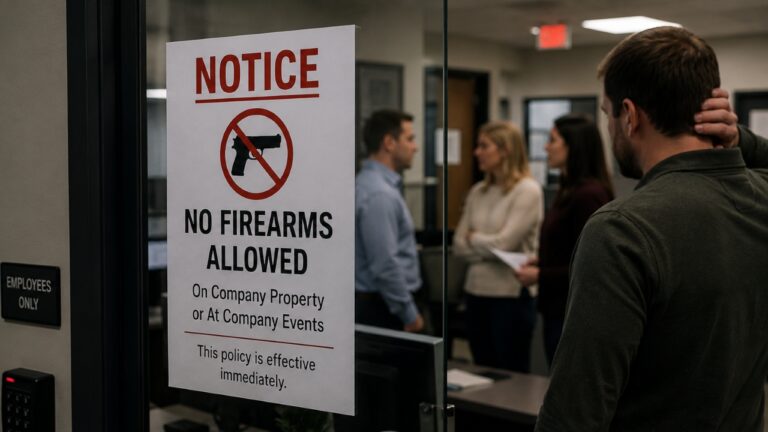
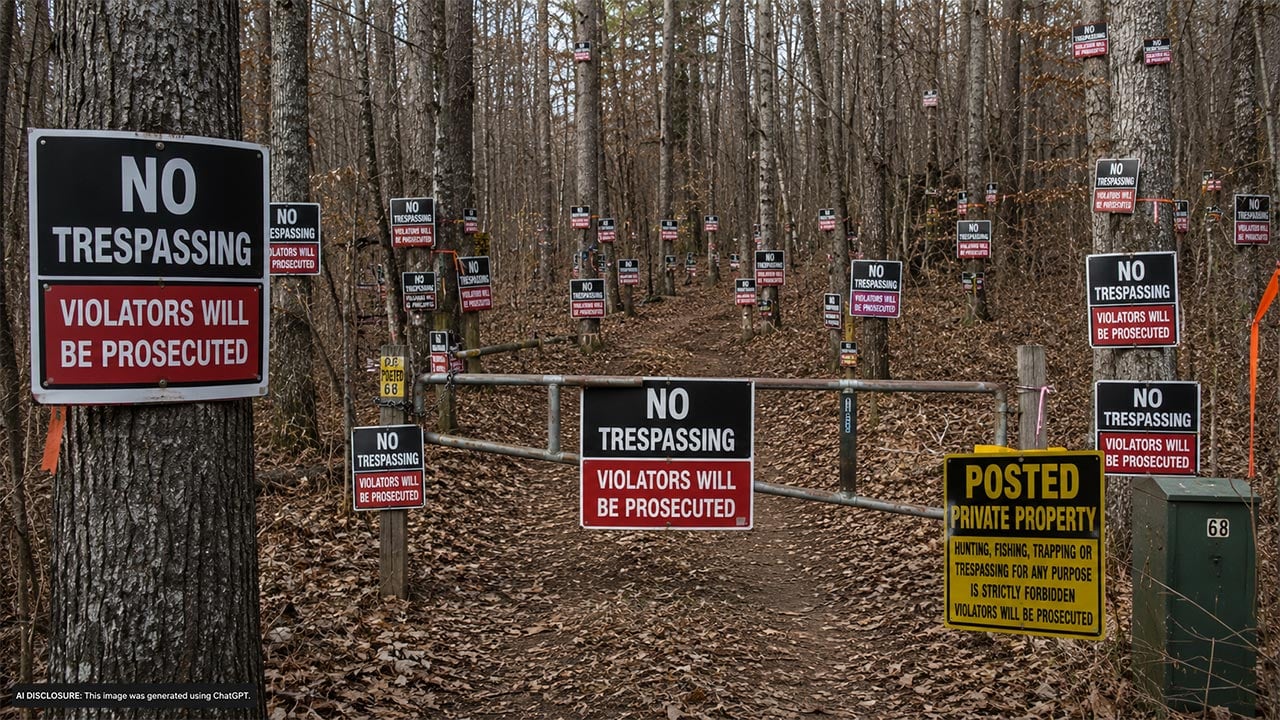
The landowner reportedly has more than 300 “private property/no trespassing” signs posted around the perimeter of the 40 acres. In the past, there weren’t homes nearby. But a property close to the line sold recently, and the new owners are living on it in an RV with their children.
A posted hunting property suddenly had foot traffic
The father walks the land daily with his dogs, so he’s not guessing about the problem—he’s physically encountering the kids in the woods. Over a two-week stretch, he found them out there nine different times.
If you’ve ever managed rural ground, you know how quickly “just exploring” turns into a pattern. Once someone decides that corner of timber or that hollow is their play spot, they’ll come back again and again—especially kids who don’t have a good sense of where the line actually is.
Talking to the parents and calling the sheriff didn’t stop it
What makes this one frustrating is that the landowner didn’t jump straight to conflict. According to the account, he spoke to the parents four times. The sheriff also went out twice to talk to the family.
And yet the kids kept showing up. That’s where a lot of landowners start to feel boxed in: you do the “right” neighborly steps first, you get law enforcement involved, and the behavior continues like none of it matters.
“Build a better fence” isn’t a realistic answer for 40 acres
The parents’ response, as described, was basically “kids will be kids,” followed by the suggestion that if the landowner doesn’t want anyone accessing the property, he should build a better fence. Anybody who’s priced fencing lately—especially for a full perimeter—knows that’s not a casual weekend project. On 40 acres, it can be a major expense, and it still won’t stay perfect for long in timber country.
Even with good fence, trees fall, gates get left open, and low spots wash out. Signs are there for a reason: they’re the clear, visible notice that you’re crossing into someplace you have no right to be. When you’ve got hundreds of them up, “we didn’t know” gets hard to sell.
Hunting season turns trespassing into a safety issue
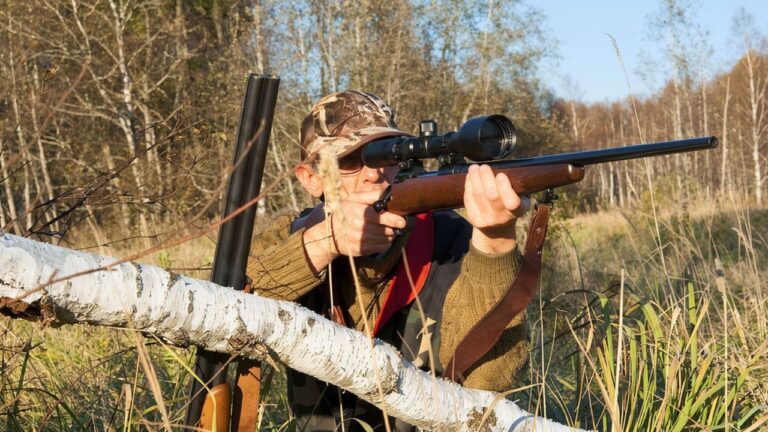
This isn’t just about property rights or someone’s feelings. The land is used for hunting, and the family is worried because hunting season is coming. That changes the tone in a hurry.
Hunters can do everything right—safe directions, careful shooting lanes, good communication—and a roaming kid can still wander into the wrong place at the wrong time. The landowner reportedly told the parents the kids needed to stay out for their own safety. The parents, in turn, reportedly made it sound like they’d blame him if one of the kids got hurt.
That’s the nightmare scenario for any landowner: someone trespasses, ignores warnings, and then tries to make their bad decision your responsibility. It’s also why you can’t “just let it slide” once you know it’s happening.
What practical landowners tend to do next
The family said the father planned to speak with the sheriff again. That’s a sensible next step, but when a pattern keeps repeating, it’s usually time to tighten up how you handle it—calmly and methodically.
First, document. If you’re finding the kids nine times in two weeks, start writing down dates and times, and keep notes on where they were and what was said afterward. If you’ve got trail cameras, this is exactly the kind of situation they’re made for. You’re not trying to “get” anybody—you’re trying to establish a clear record that the property is posted and the parents have been warned repeatedly.
Second, make your perimeter as obvious as you reasonably can without going broke. That doesn’t necessarily mean full fencing. It might mean refreshing signs, marking lines with paint where legal, clearing a narrow boundary line so it’s visually clear, and making sure any common entry points are extra well marked.
Third, avoid personal confrontation in the woods. It’s one thing to tell a kid, “Hey, you’re on private property—head back that way.” It’s another to get dragged into an argument with parents who are already acting defensive. When it keeps happening after repeated warnings, you want law enforcement handling the heavy lifting.
The bigger issue: liability fears and a neighbor who won’t take it seriously
Most decent folks don’t want their kids wandering onto an active hunting property. But in the account shared, the parents didn’t treat it like a serious boundary problem. They treated it like the landowner was being unreasonable for not fencing everything off.
That mindset is common in places where people see woods and assume it’s “public enough,” especially if they didn’t grow up around hunting. The trouble is, it doesn’t matter whether a person feels welcome—private property is private property, and posted signs are supposed to end the confusion.
For hunters, there’s another layer: even when you’re 100% legal and safe, perception matters. If someone is determined to paint you as reckless because their kids were somewhere they shouldn’t be, you’re already behind the curve. That’s why it’s smart to get ahead of it now—before the first morning you want to sit a stand.
In this situation, the family’s concern wasn’t abstract. Hunting season was approaching, and they needed the land clear of roaming children to hunt safely. That’s not being dramatic. That’s basic risk management.
Rural living comes with responsibilities, and one of them is teaching kids where they can and can’t go. When that lesson isn’t happening at home, the landowner is left trying to protect his property, his hunting season, and the safety of children who aren’t his—all at the same time.
Like The Avid Outdoorsman’s content? Be sure to follow us.
Here’s more from us: