Photo credit: The Avid Outdoorsman
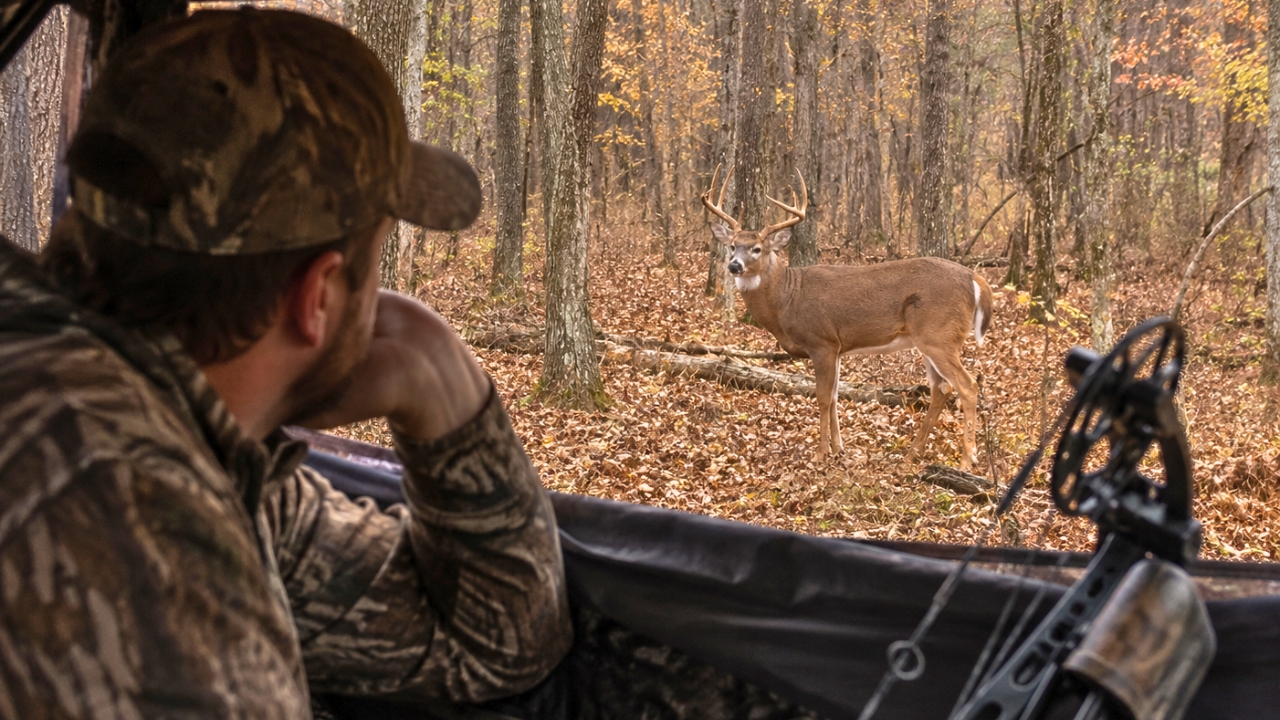
The bowhunter had the kind of chance that makes a whole season feel like it might finally turn.
A buck was standing broadside at 30 yards.
That is not a maybe. That is not a flash of antler through brush or a deer slipping away before a hunter can even get the rangefinder up. That is a real opportunity. Close enough to matter, clear enough to hurt later, and exactly the kind of moment bowhunters spend all year hoping shows up.
Then he realized he could not shoot.
His release was still in the truck.
In a Reddit thread, hunters were talking about field mistakes and hunting mishaps, and one story involved a bowhunter who had a six-point buck standing broadside at 30 yards before realizing the one small piece of gear he needed most was nowhere near him.
That is the kind of mistake that makes a man go completely still for reasons that have nothing to do with deer movement.
A bow release is easy to underestimate until it is not there. It is small. It does not look as important as the bow, arrows, broadheads, rangefinder, boots, or pack. It can get clipped to a loop, tossed in a cup holder, left on the dash, dropped into a jacket pocket, or set on the truck seat while getting ready.
Then you walk away.
And the whole hunt walks away with it.
For a compound bowhunter who shoots with a release, leaving it behind is not like forgetting a snack or extra gloves. It changes everything. Sure, some people can shoot fingers in a pinch if the bow and string setup allow it, but that is not something most modern compound shooters should just improvise on a live deer. If you practice with a release, anchor with a release, tune with a release, and expect to shoot with a release, that release is part of the weapon system.
Without it, you are sitting there holding potential instead of a usable setup.
The buck being at 30 yards makes it worse.
Thirty yards is close enough that the hunter likely knew exactly what he was missing. Not too far. Not some sketchy angle he could talk himself out of later. A six-point buck, broadside, in range. The kind of shot that would normally make the heart jump and the routine kick in.
Clip on. Draw. Anchor. Settle the pin. Breathe. Squeeze.
Except there was nothing to clip on with.
You can picture the mental scramble. Maybe he checked one wrist. Then the other. Maybe he felt around his jacket pocket as quietly as possible. Maybe he reached into his pack, already knowing the answer. Maybe he stared at the deer like pure willpower might make the release appear.
Meanwhile, the buck was just standing there, doing exactly what hunters beg deer to do.
That is the cruel part. Deer do not wait for forgotten gear. They do not understand that the hunter would be ready if he had not left one little item behind. They stand, feed, look around, take a few steps, and eventually move out of the window. The whole opportunity can vanish while the hunter sits there with his mistake in his lap.
That kind of miss is different from a bad shot.
A bad shot gives you something to correct. Maybe you rushed. Maybe you punched the trigger. Maybe the deer ducked. Maybe the range was wrong. It still hurts, but at least you made an attempt. Forgetting the release means you lost the chance before the shot even existed.
That embarrassment has teeth.
It also becomes camp ammunition immediately. Hunting buddies can forgive a lot, but leaving your release in the truck when a buck walks by? That is going to come back up. Every time you reach for your bow. Every time someone says “ready?” Every time a deer is mentioned at 30 yards. Someone will ask if you brought your release, and they will not say it kindly.
That is just how these stories survive.
The fix is boring, which is usually how hunting fixes go. The release has to be part of the same final check as the bow and arrows. Not “I think it’s in the pack.” Not “I usually clip it here.” Touch it before leaving the truck. Clip it on before the walk in if that works. Keep a backup in the pack if you can. Some bowhunters keep an extra release in the bag for this exact reason, because the price of a spare starts looking real reasonable after one buck walks away.
A checklist helps too, even for hunters who hate admitting they need one.
Bow. Arrows. Release. Rangefinder. License. Tags. Knife. Light. Phone. Those items get touched before the door closes. If one missing piece can end the hunt, it should never be trusted to memory alone.
Because morning brain is not reliable. Excitement is not reliable. Habit is not reliable. A release clipped to the truck visor is especially not reliable once you walk 300 yards into the woods and sit down.
The hunter in this story got a clean, painful lesson. No wounded deer. No unsafe shot. No gear failure. Just a perfect opportunity ruined by a tiny missing piece of equipment.
The buck walked away.
The release stayed in the truck.
And the hunter probably never looked at that little piece of gear the same way again.
Commenters treated it like the kind of bowhunting mistake that is funny only after enough time has passed.
Several hunters said the release is one of those small items that deserves a permanent place in the pre-hunt check. It is too easy to leave in a truck, jacket pocket, or gear tote, and too important to trust to memory.
Others said they keep a backup release in their pack for exactly this reason. It does not have to be fancy. It just has to work well enough to keep one forgotten item from ending the hunt.
A lot of commenters shared similar stories about leaving behind ammo, bolts, calls, releases, and other small pieces that become critical the second an animal appears. The theme was pretty clear: hunting will expose the one thing you forgot at the worst possible time.
Some also pointed out that trying to improvise without the release is usually a bad idea if you have not practiced that way. A live animal is not the place to test a backup shooting method.
The main lesson was simple: touch the release before you leave the truck. A broadside buck at 30 yards is a painful way to learn that the smallest gear can matter the most.