Photo credit: BigDaddyHoffman1911/YouTube
Some guns do not fail because the idea was bad from the start. They fail because the execution never quite catches up. The size is wrong, the trigger feels off, the handling is awkward, the price makes no sense, or the gun enters a market where better options are already sitting right there.
That is what “missing the mark” usually looks like. Not always junk. Not always unsafe. Just a firearm that should have landed better than it did.
Colt All American 2000
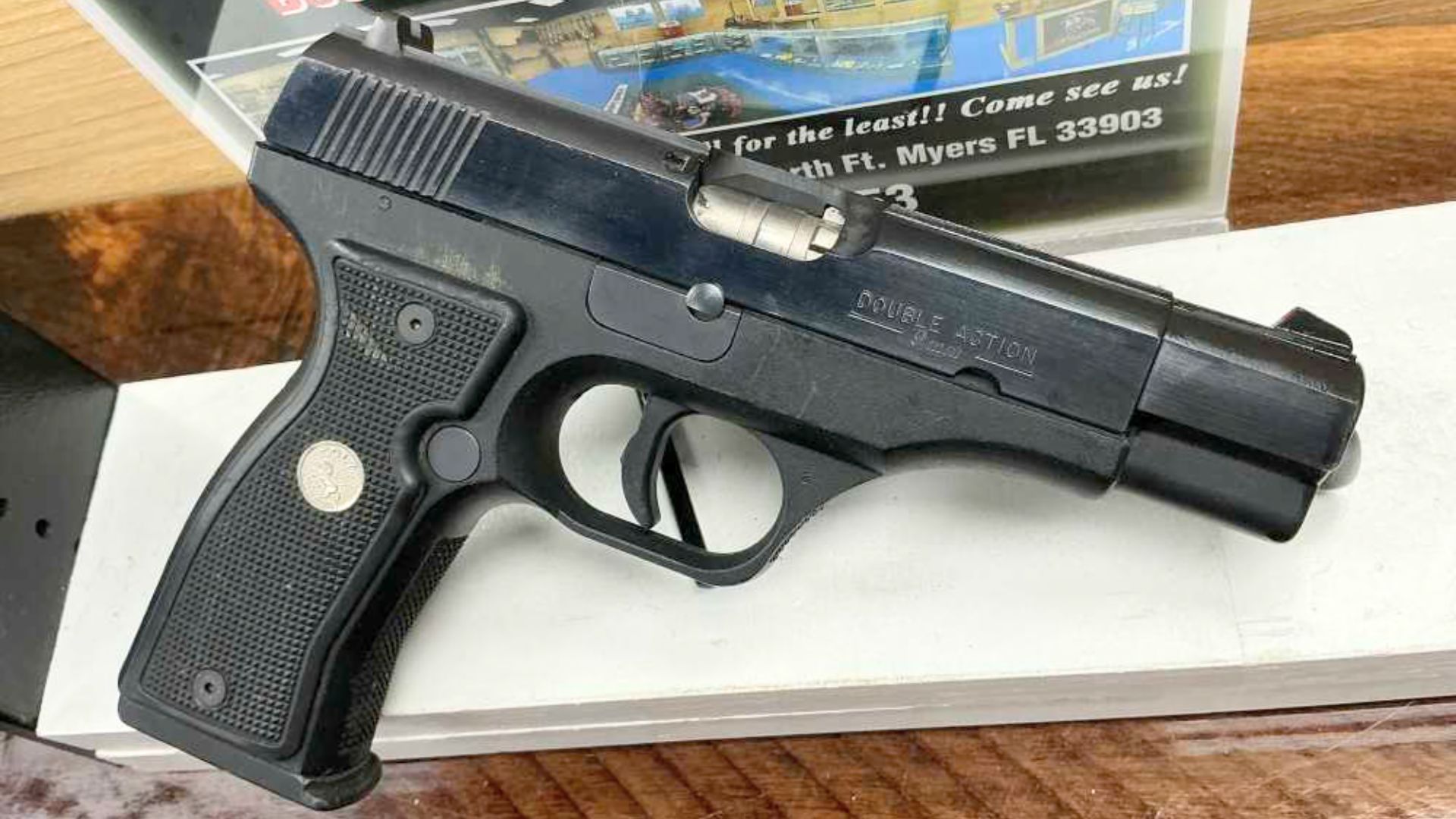
The Colt All American 2000 should have been a major moment for Colt. The market was moving hard toward modern 9mm pistols, and Colt had the name recognition to make people pay attention. A polymer-framed Colt service pistol sounded like it could have been a real contender.
Instead, the pistol felt awkward and underdeveloped. The trigger, accuracy complaints, and overall feel never matched what buyers expected from the brand. It missed the mark because Colt needed a strong answer to the changing handgun market, and this felt more like a rough draft.
Remington Model 710
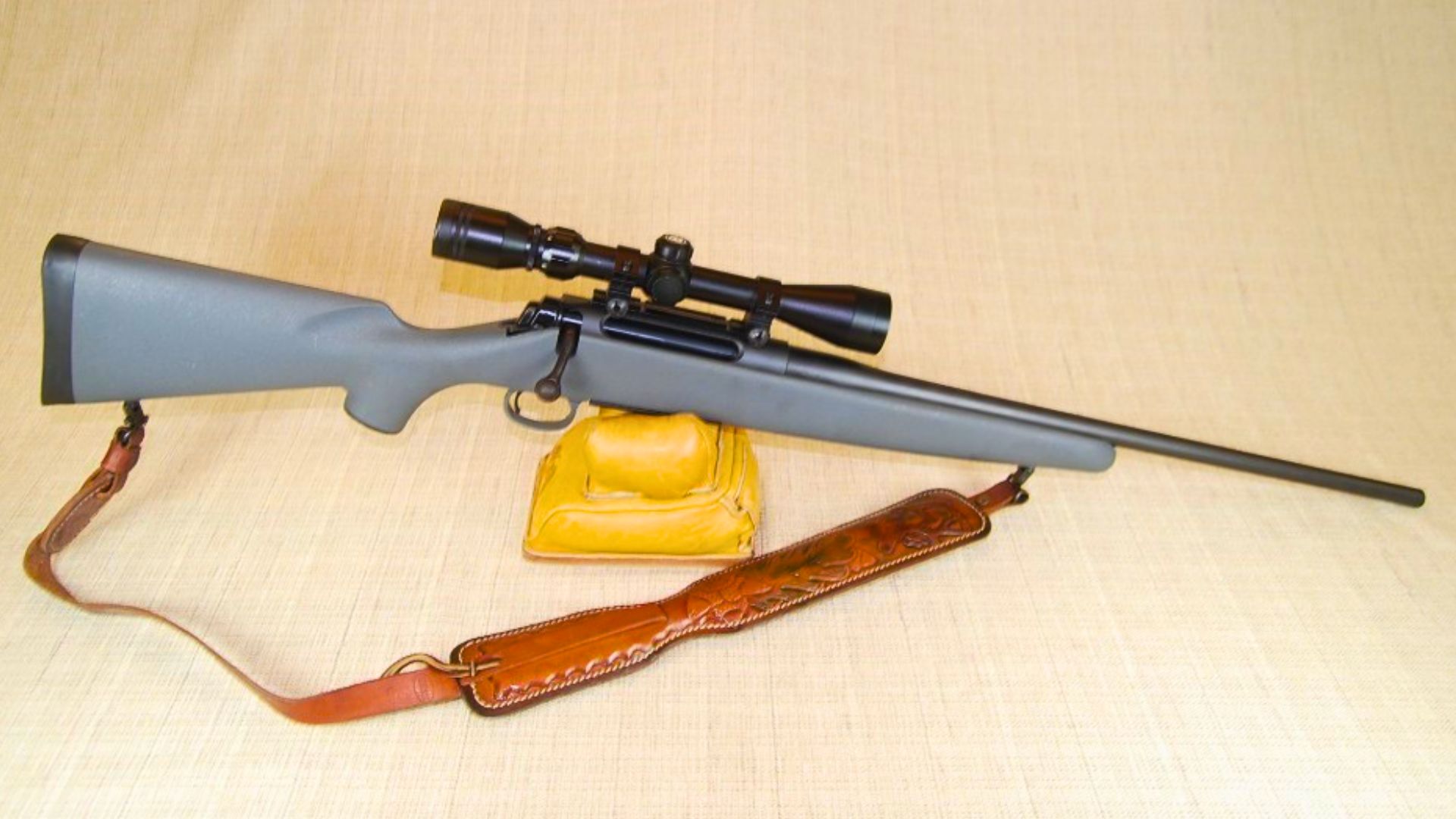
The Remington 710 was supposed to be an affordable hunting rifle package for people who wanted to buy one box and go deer hunting. That idea made sense. Not every hunter needs a polished walnut rifle or a custom build.
The problem was the feel. The bolt was rough, the stock felt cheap, and the rifle did not carry the kind of confidence people associated with Remington. It may have worked for plenty of hunters, but it missed the mark by making budget feel too much like bargain-bin.
Mossberg 464 SPX

The Mossberg 464 SPX looked like someone tried to drag a lever-action rifle into the tactical aisle without asking whether it belonged there. The adjustable stock, rails, and aggressive styling made it stand out fast, but standing out is not the same as working better.
Lever guns are supposed to feel handy, quick, and natural. The 464 SPX added bulk and visual noise without improving the things that make lever rifles useful. It missed the mark because the old .30-30 woods-rifle idea did not need that much plastic attitude.
Beretta 9000S

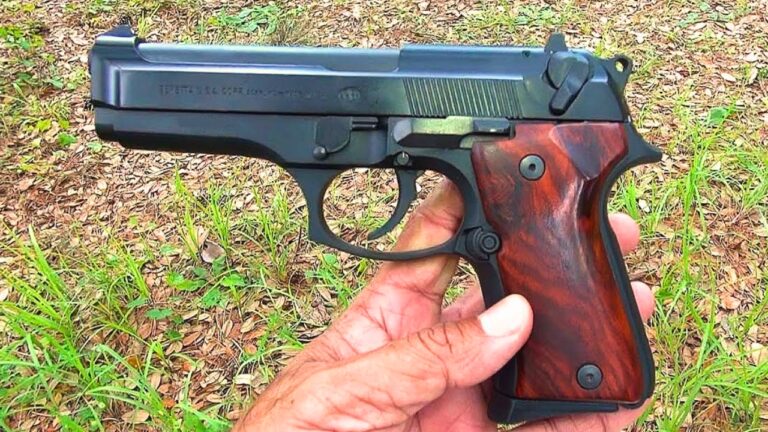
The Beretta 9000S had a respected name behind it and a compact defensive-pistol purpose, but the shape never helped it. It looked bulky, odd, and less graceful than people expected from Beretta. In a market full of simpler carry pistols, that was a problem.
It was not useless, and some owners liked them. But the pistol never felt like it had a clear reason to exist over better compact options. It missed the mark by trying to be modern and compact while still feeling chunky, strange, and harder to love than it should have been.
Winchester SXP Defender
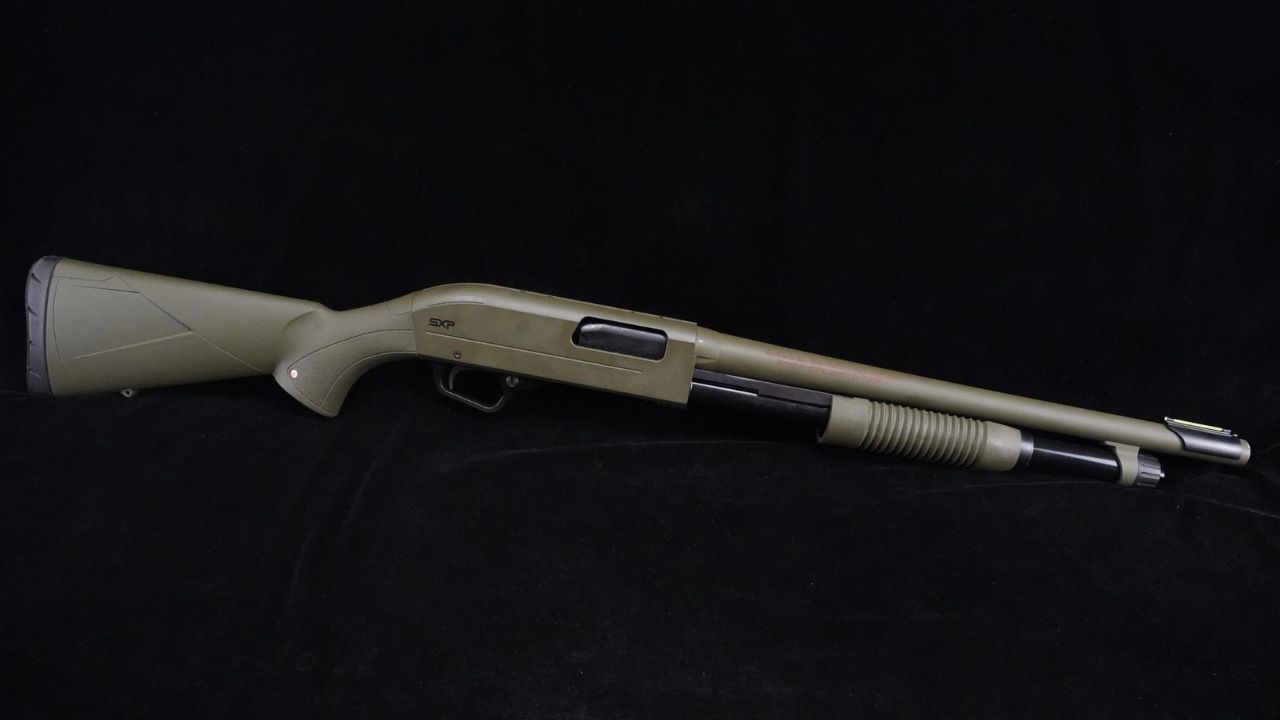
The Winchester SXP Defender has the right basic idea: an affordable pump shotgun for defensive use. The Winchester name helps, and the fast-cycling action gives it a selling point. On paper, it checks a lot of boxes for someone wanting a simple 12-gauge.
The issue is that it does not feel like the old Winchester magic people imagine. The fit, finish, and overall feel are more budget than classic. It may run fine, but it misses the mark when buyers expect something with more soul, smoothness, and long-term pride than the price point really delivers.
Smith & Wesson CSX

The Smith & Wesson CSX sounded like a home run before people really started shooting it. A small metal-framed hammer-fired pistol with strong capacity and a major brand behind it should have stood apart from the usual micro-compact crowd in a good way.
Then the trigger feel became the conversation. The odd reset and overall shooting experience frustrated enough owners that the promise started feeling bigger than the pistol itself. It missed the mark because the concept was excellent, but one of the most important contact points with the shooter did not feel polished enough.
Ruger American Pistol
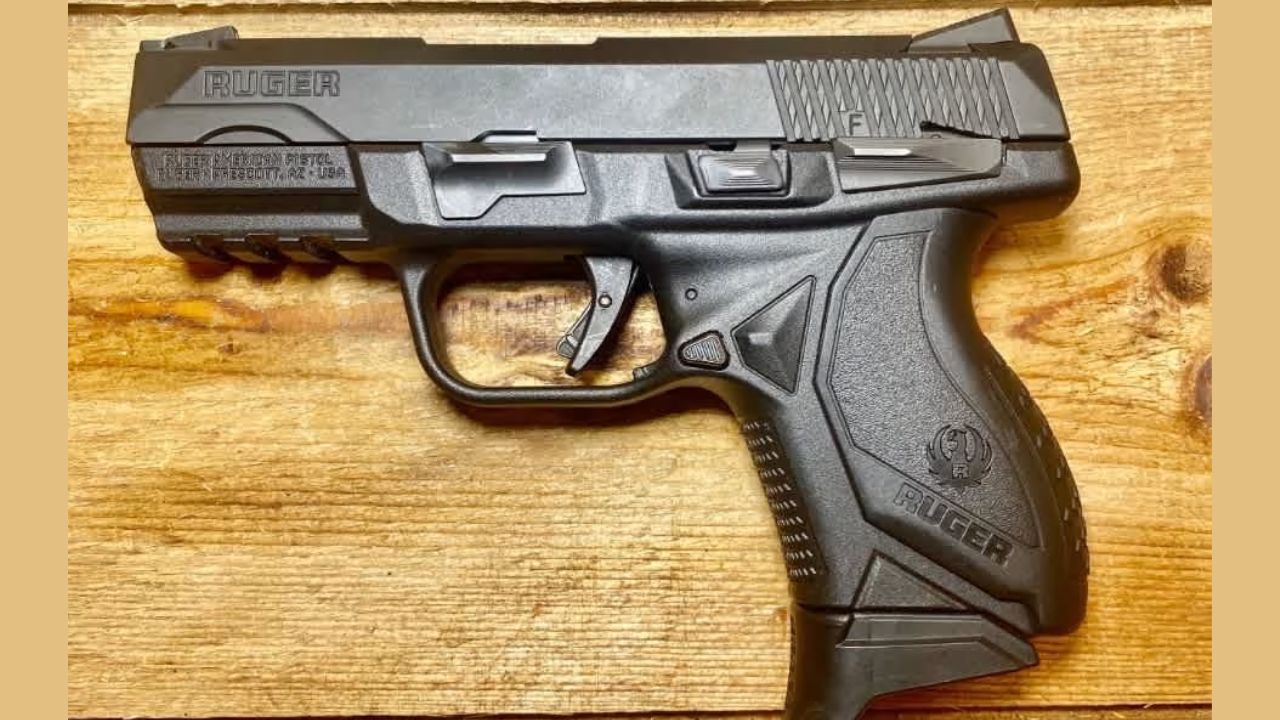
The Ruger American Pistol was built to be tough, practical, and duty-ready. Ruger clearly wanted a serious modern handgun that could compete with Glock, M&P, SIG, and others. That is a hard crowd to enter, but the idea made sense.
The pistol just never became easy to love. It feels chunky, plain, and less refined than stronger options in the same lane. It may be durable and functional, but it missed the mark by being respectable without being compelling. In a crowded handgun market, “fine” is not enough.
Remington RP9
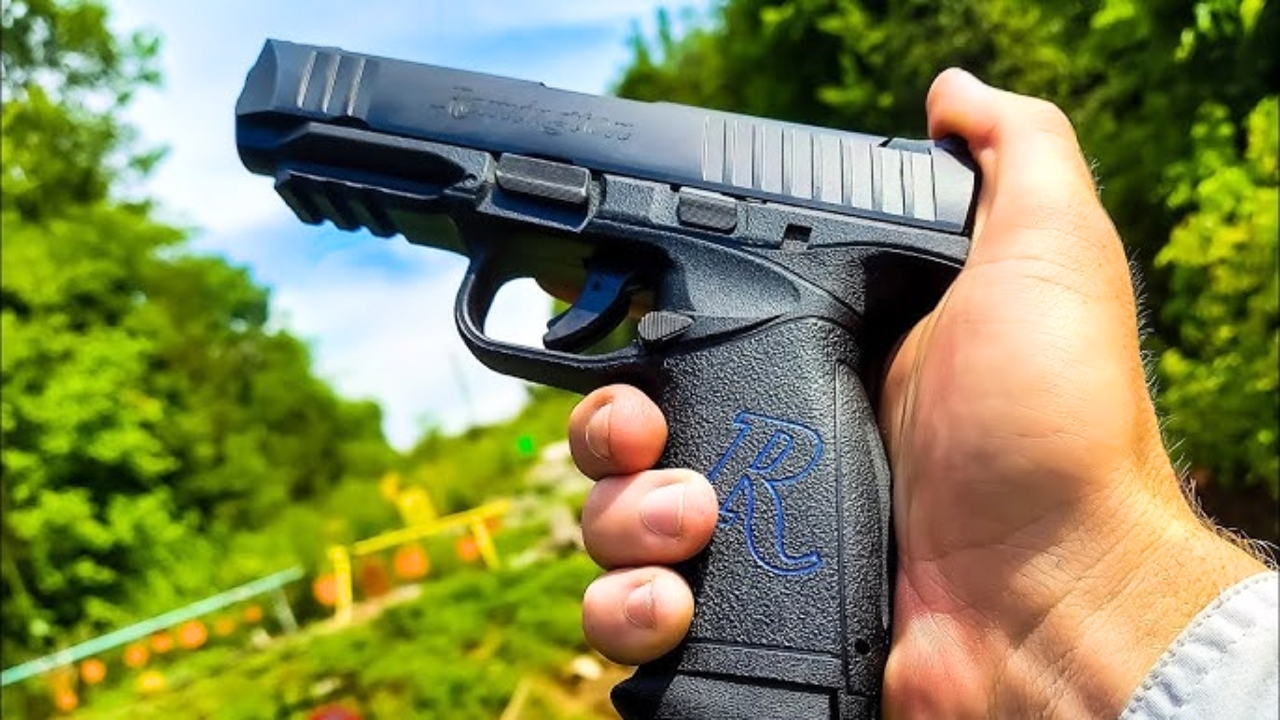
The Remington RP9 had the shape of a straightforward full-size 9mm, but it landed at a time when buyers had plenty of better choices. A major American brand releasing a modern striker-fired pistol should have been more exciting than it was.
Instead, the RP9 felt bulky, awkward, and underwhelming. The grip shape, trigger, and overall reputation never gave shooters much reason to choose it over established options. It missed the mark because it entered a competitive market with no strong reason for owners to say, “This is the one.”
Taurus Curve
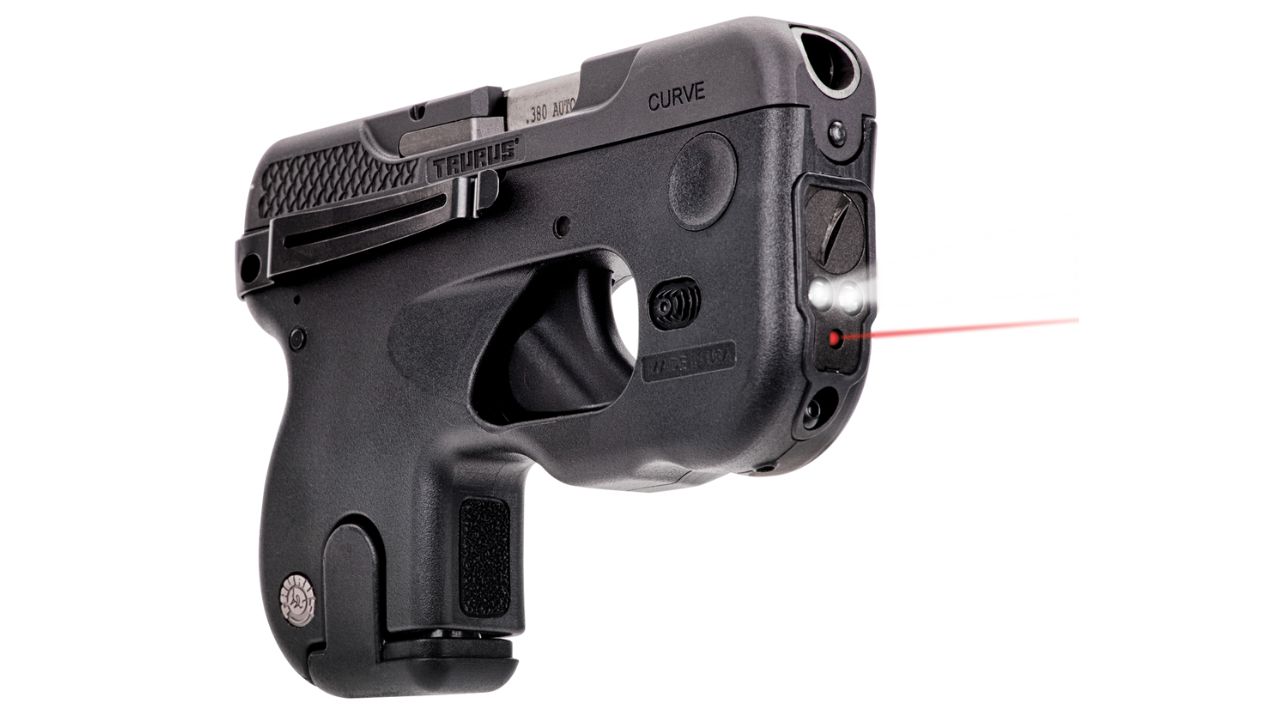
The Taurus Curve missed the mark by trying too hard to be clever. A curved concealed-carry pistol with a built-in light and laser sounded like an answer to a problem some people had, but the execution created new problems at the same time.
The lack of normal sights, unusual grip shape, and odd handling made it feel more like a concept than a serious carry gun. A defensive pistol should simplify things under stress. The Curve made owners adapt to the gun instead of giving them a more natural tool.
Remington 770

The Remington 770 missed the mark because it wore a respected name but felt like a downgrade. It was meant to be an affordable hunting package, and there is nothing wrong with that. Hunters on a budget deserve rifles that work.
But the 770’s rough bolt, cheap stock, and overall feel disappointed a lot of people who expected more from Remington. It could kill deer, sure. That does not change the fact that many owners handled one and immediately understood where the money was saved.
KelTec RFB
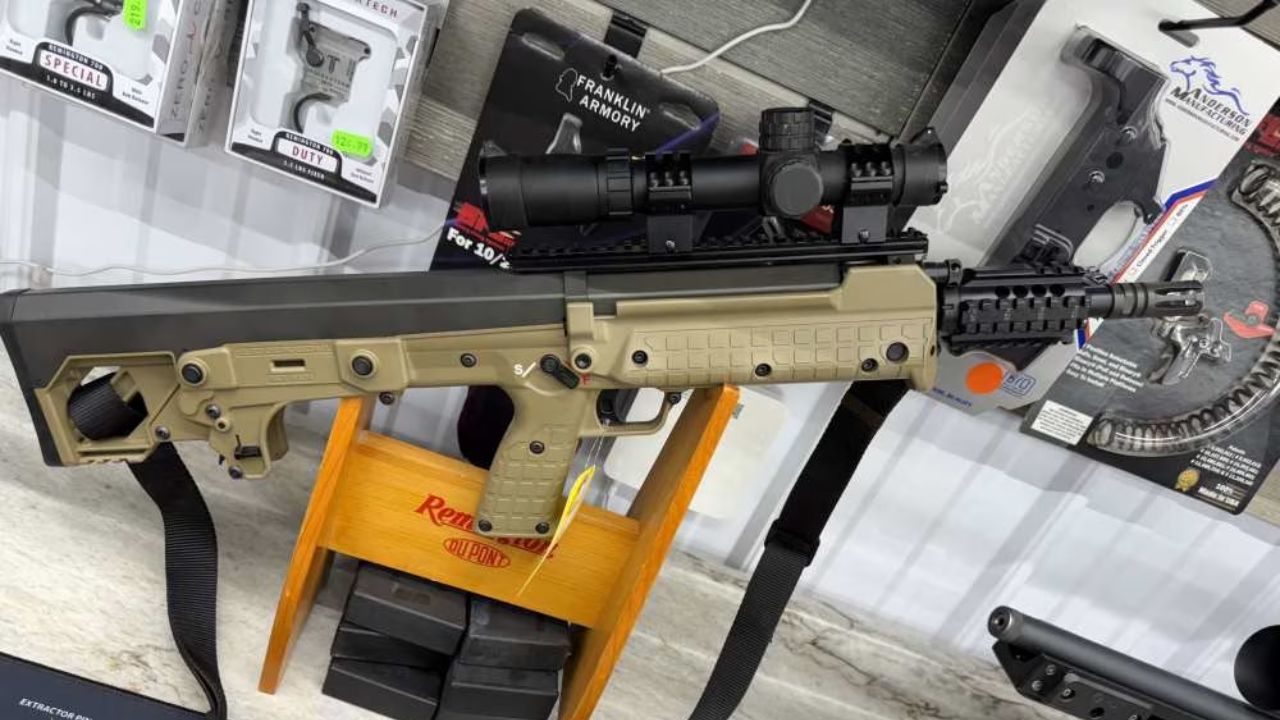
The KelTec RFB is one of those rifles that sounds fascinating on paper. A compact bullpup .308 with forward ejection is not a boring idea. It had enough cleverness to make people want it just because it was different.
But clever designs still have to be easy to live with. The RFB is heavy for its size, more complicated than ordinary rifles, and not as widely supported as mainstream .308 platforms. It missed the mark because the idea was exciting, but the ownership experience never became simple enough for most shooters.
FN 503
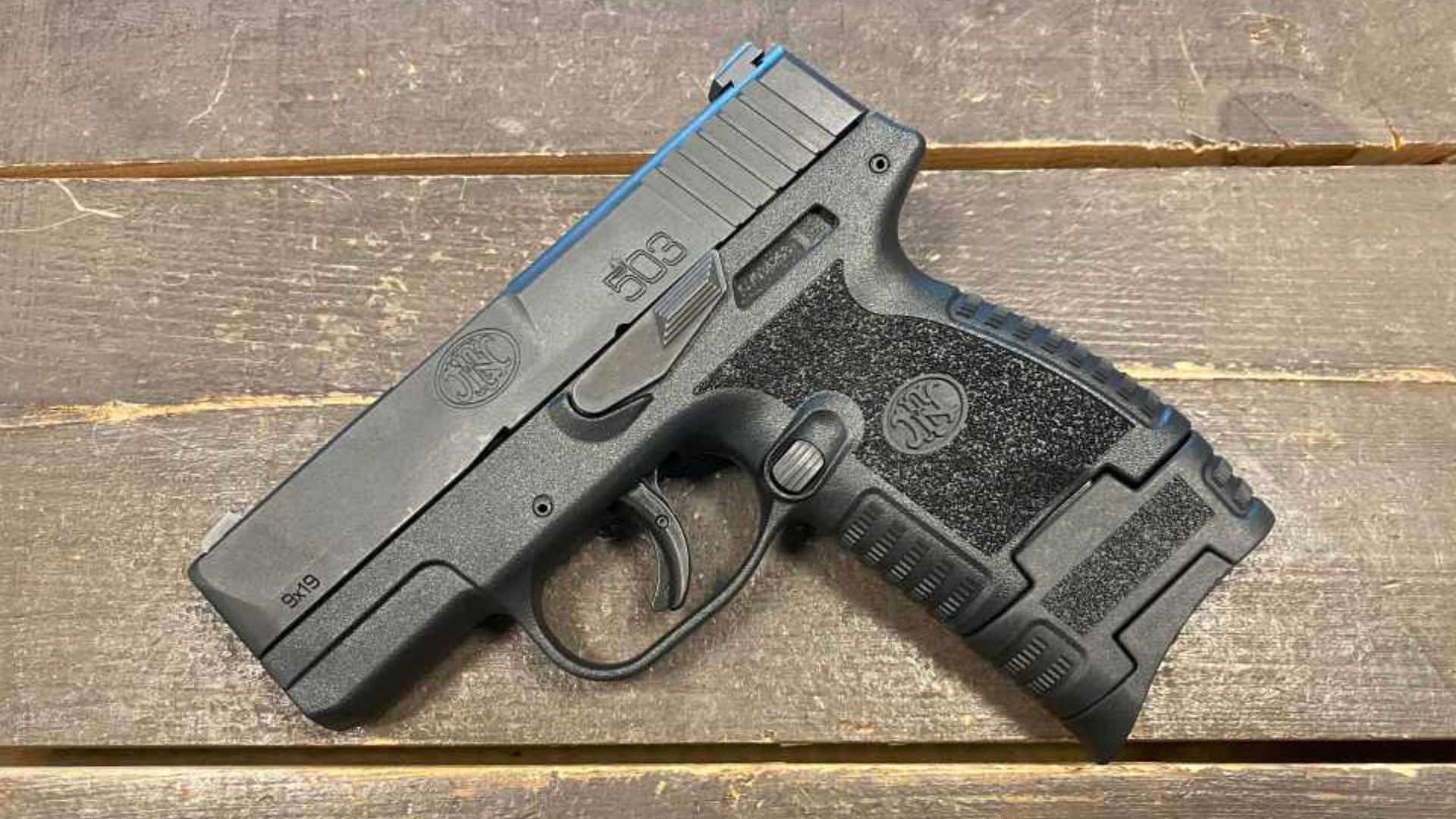
The FN 503 had a serious brand name and a clean slim-carry design, but timing hurt it badly. It showed up when single-stack 9mms were already losing ground to higher-capacity micro-compacts. That made its modest capacity harder to forgive.
It was not a terrible pistol. The problem was that it did not give buyers enough reason to choose it over guns that carried more rounds in similar sizes. It missed the mark because the market had already moved, and the 503 felt like a good answer to yesterday’s question.
Savage A17
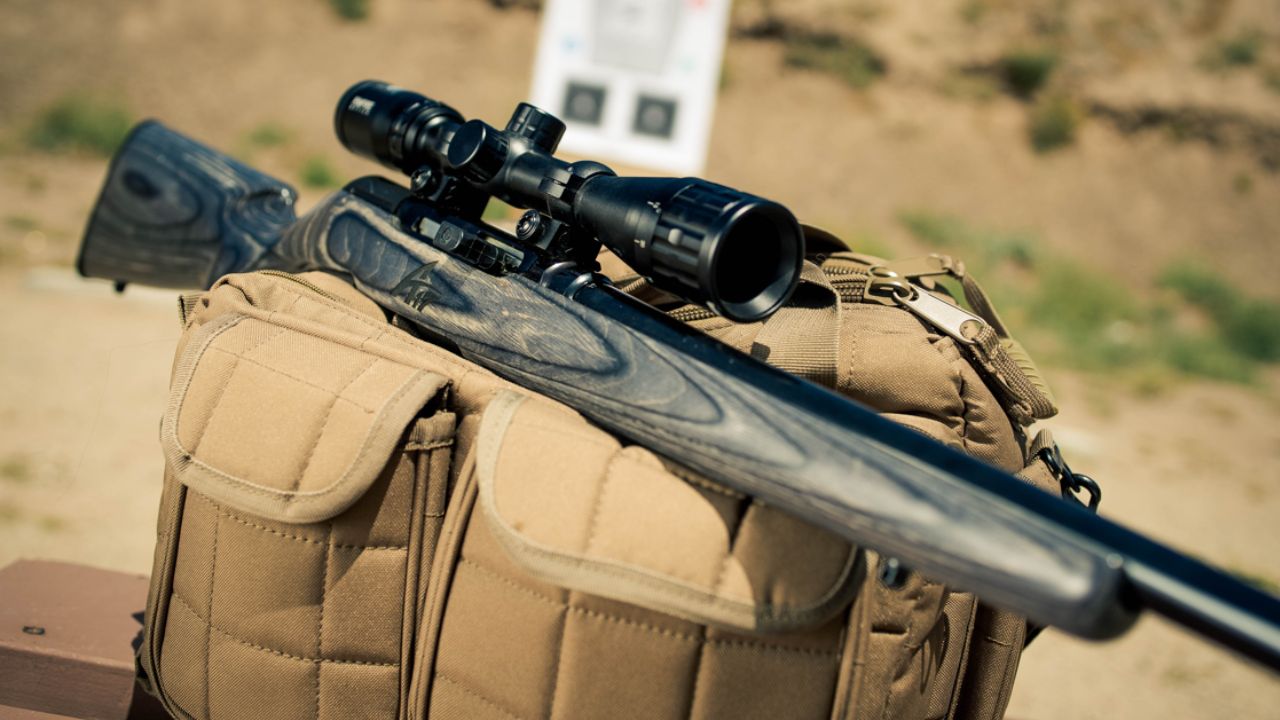
The Savage A17 had a genuinely interesting pitch: a semi-auto rifle built around the .17 HMR. Rimfire magnum semi-autos can be tricky, so a purpose-built option should have been a big deal for varmint shooters and rimfire fans.
For some owners, it works well. For others, the rifle never feels as smooth or confidence-building as the idea promises. Magazine feel, cycling quirks, and the general budget-rifle handling can leave shooters wishing the package felt more refined. It missed the mark by making a cool concept feel less polished than it should.
Kimber R7 Mako
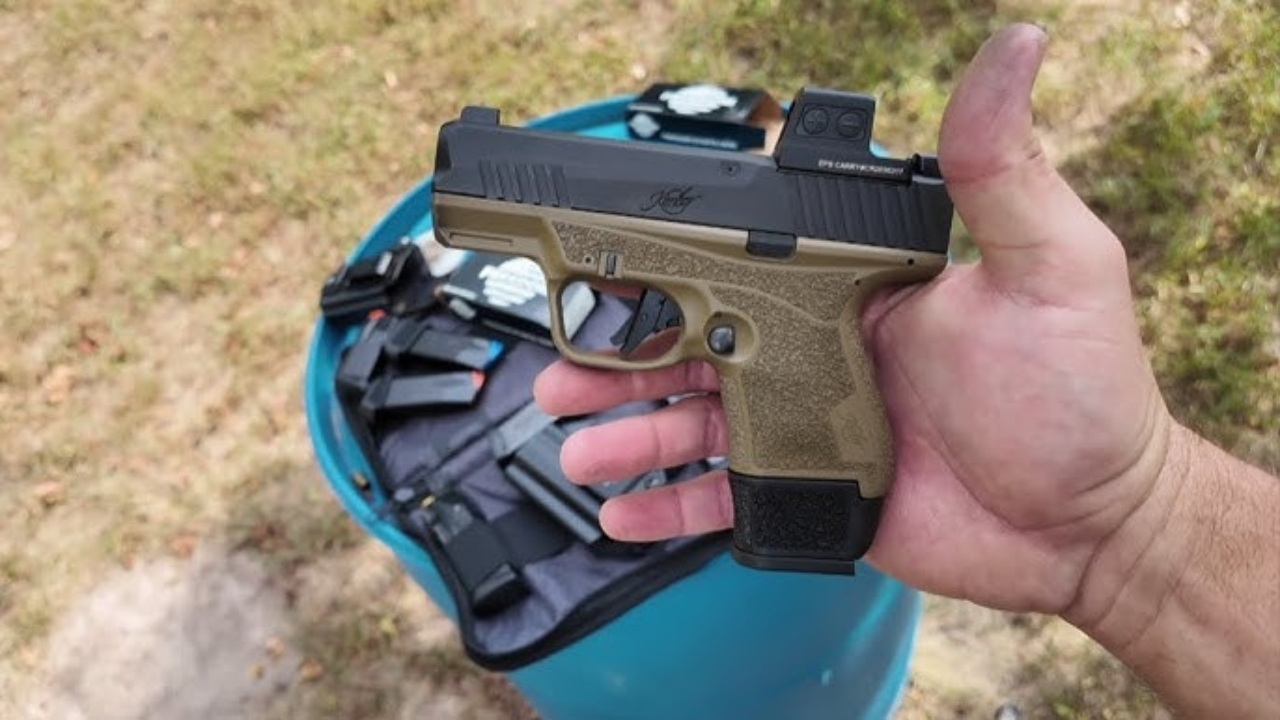
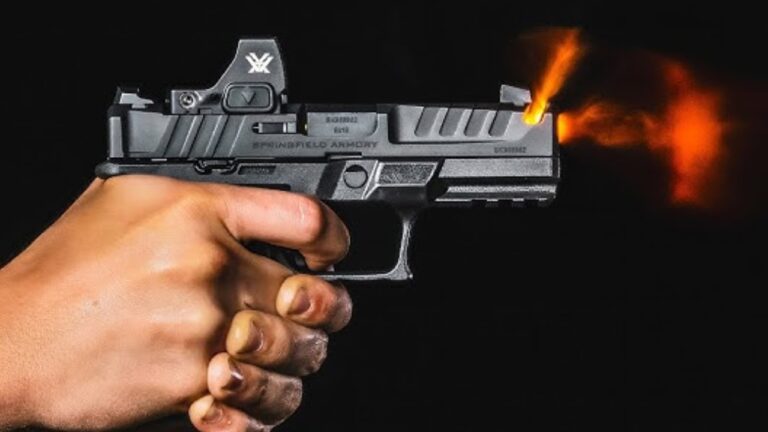
The Kimber R7 Mako tried to enter the modern carry market with something different. The enclosed-emitter optic setup was interesting, and Kimber clearly wanted the pistol to stand out in a sea of micro-compacts. Different can be good when it solves a real problem.
The Mako struggled because the overall package did not feel as appealing as the idea. The styling was odd, the grip feel divided shooters, and the Kimber name created expectations the pistol did not always meet. It missed the mark by being unique without becoming widely desirable.
Rossi Circuit Judge

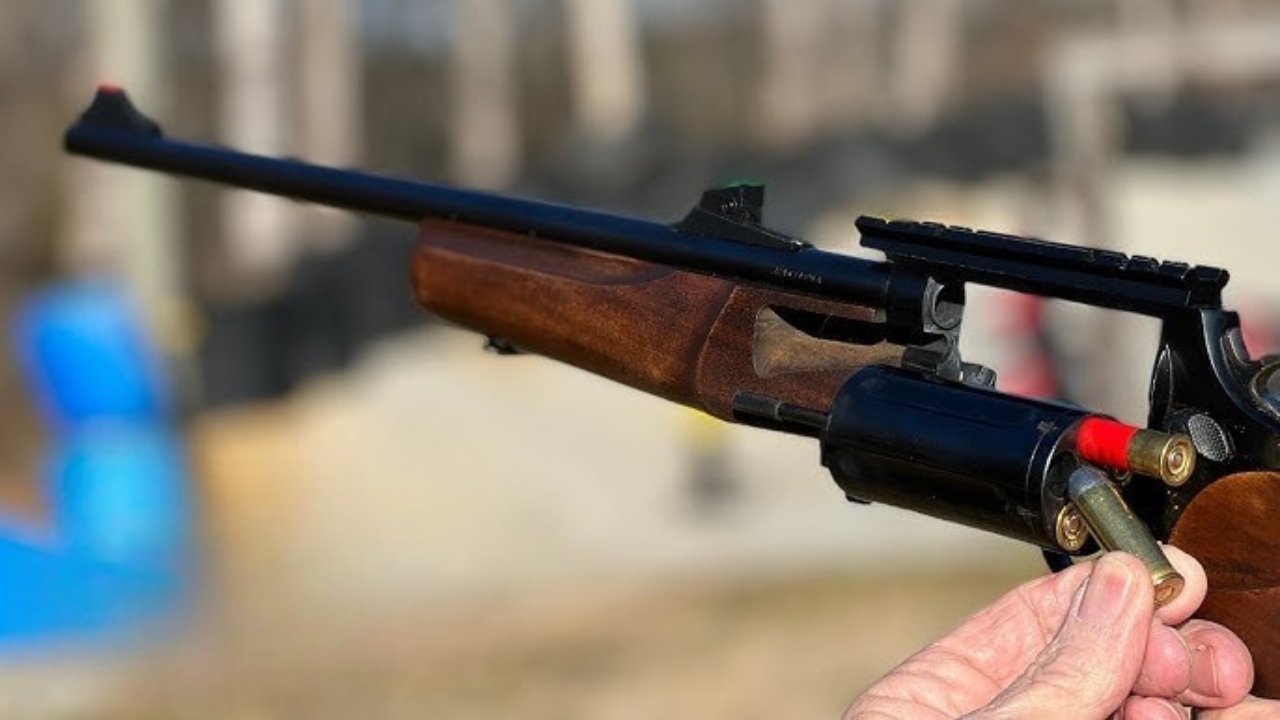
The Rossi Circuit Judge sounds fun the first time someone explains it. A revolving carbine that fires .45 Colt and .410 shells seems versatile, unusual, and useful for the right person. That kind of concept always gets attention.
Then practical questions start stacking up. It is bulky, the .410 performance depends heavily on load and distance, and the .45 Colt side does not turn it into a great rifle. It missed the mark because it tried to be several things at once and ended up feeling more like a novelty than a tool most owners truly needed.
Like The Avid Outdoorsman’s content? Subscribe to our newsletter so you never miss an article.
Here’s more from us: