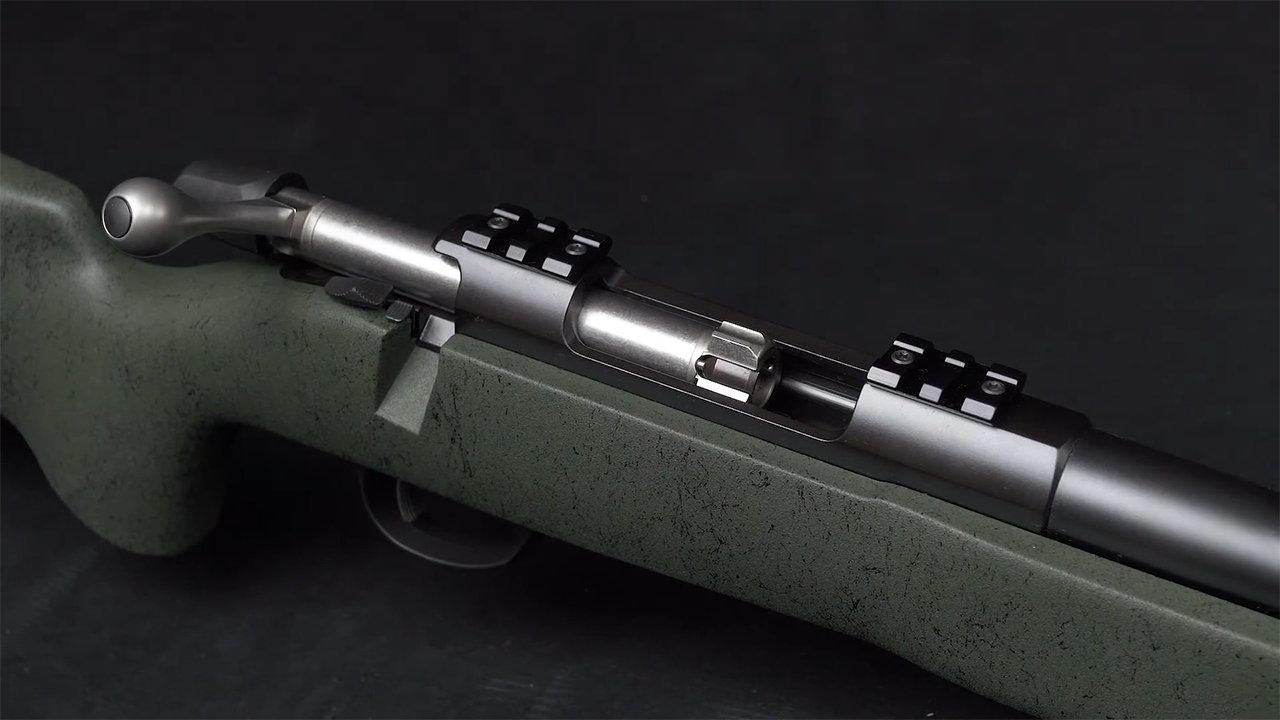
Photo credit: BerettaAustralia/Youtube
A rifle can feel great when it’s new. The bolt is clean, the stock has no scars, the barrel hasn’t been dragged through brush, and the owner is still excited enough to ignore small annoyances. A rough season changes that pretty quickly.
Rain, cold, dust, truck rides, bad rests, muddy boots, and hard hunting days have a way of exposing what a rifle really is. Some start feeling cheaper with every scratch. Others start feeling better because they keep holding zero, keep feeding cleanly, and keep proving they were built for more than a calm range day.
Ruger Hawkeye Hunter
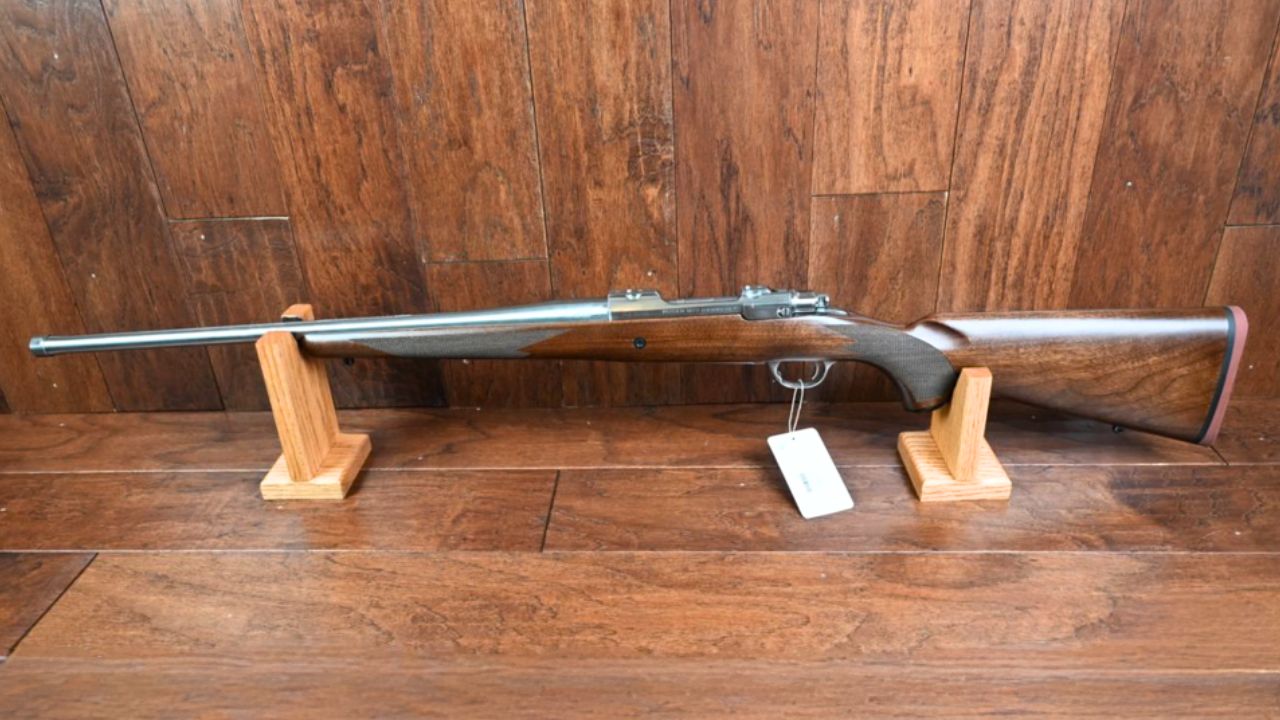
The Ruger Hawkeye Hunter has the kind of build that starts making more sense after a few hard seasons. Controlled-round feed, a strong extractor, solid stock work, and Ruger’s usual rugged personality give it the kind of confidence hunters appreciate once the rifle has seen rain, brush, and rough handling.
It isn’t the lightest rifle in the woods, and some hunters may prefer a slicker action. But after a season where everything gets damp and dirty, that sturdy feel starts working in its favor. The Hawkeye Hunter feels like a rifle you can actually hunt with instead of protect. A few honest scratches don’t ruin it. They make it look like it’s doing the job.
Browning X-Bolt Speed
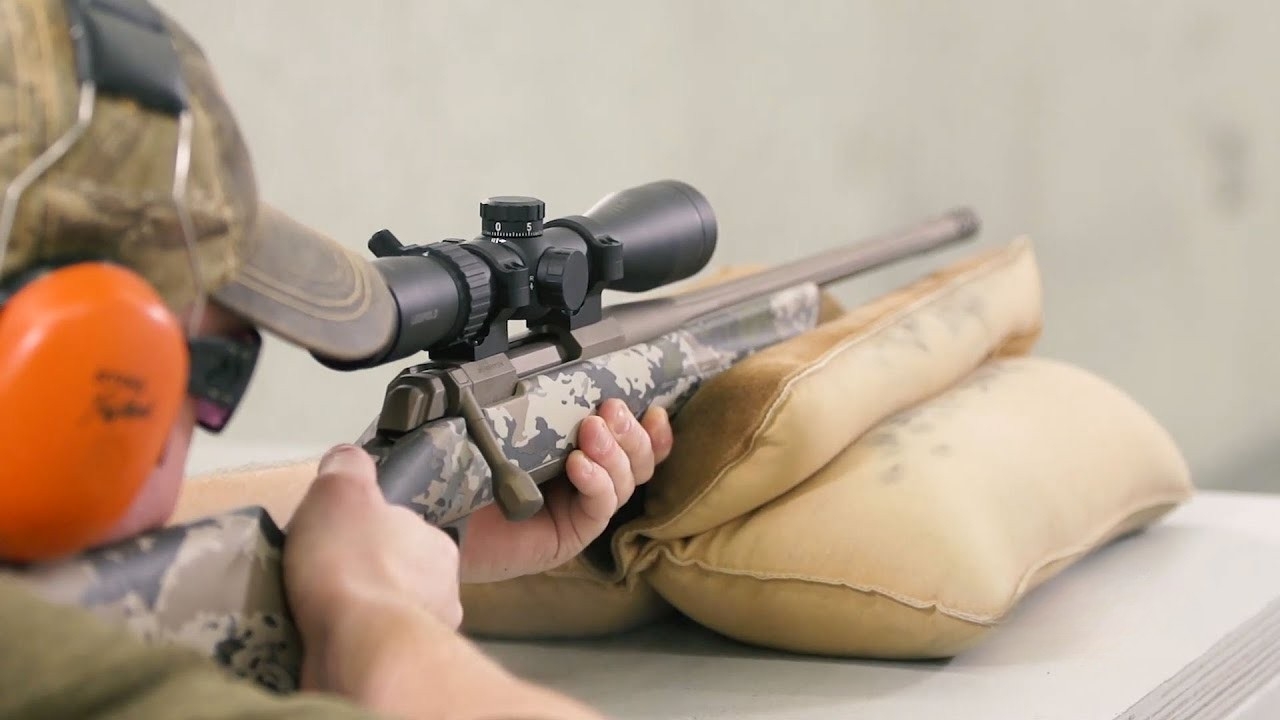
The Browning X-Bolt Speed is one of those modern rifles that doesn’t feel like it was built only to look good on the rack. The Cerakote finish, composite stock, fluted barrel, and smooth X-Bolt action all make sense once the rifle has been carried through wet mornings and long sits.
After a few rough seasons, the practical touches matter more than the first impression. The finish helps fight weather, the stock doesn’t make you nervous in the rain, and the trigger is good enough that most hunters can leave it alone. It still feels refined, but not delicate. That’s the balance a hunting rifle needs if it’s going to keep earning trust instead of just staying pretty.
Kimber Montana
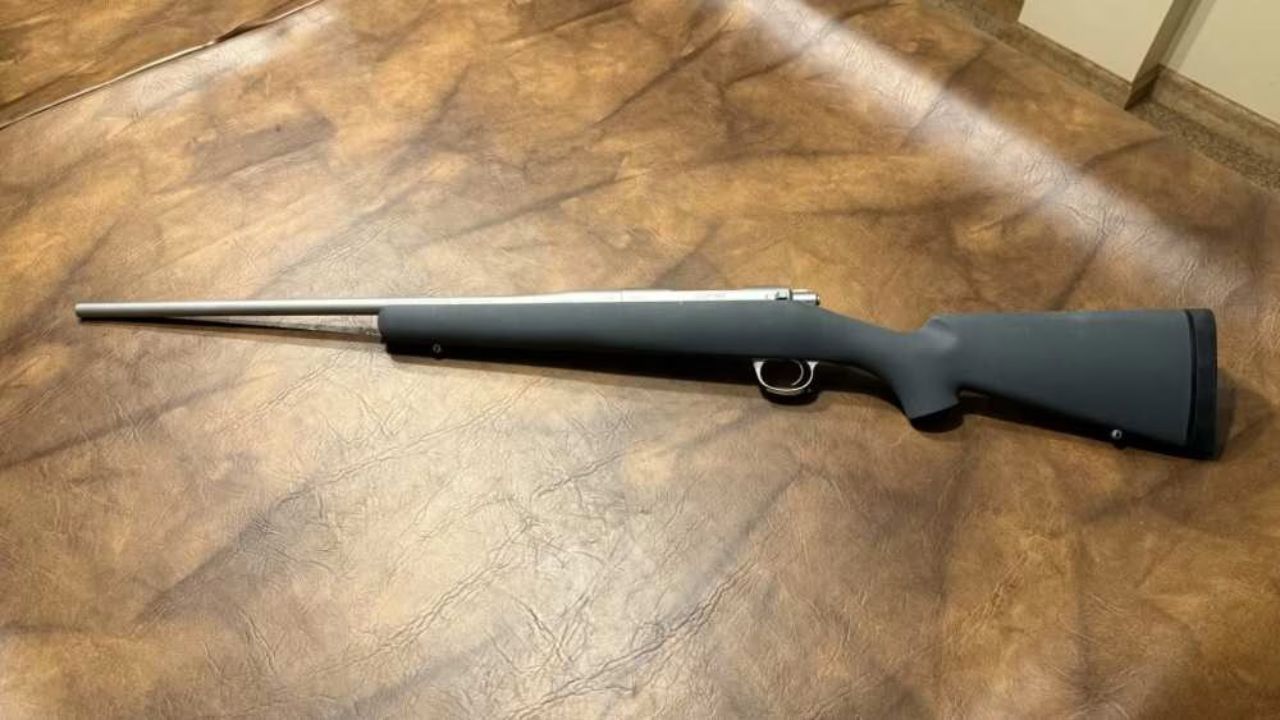
The Kimber Montana feels better after rough seasons because that is exactly the kind of hunting it was built for. It’s light, stainless, synthetic-stocked, and controlled-round-feed. It’s made for hunters who walk, climb, and deal with weather instead of sitting beside perfect benches.
A lightweight rifle takes practice, and the Montana will not hide sloppy form. But once a hunter learns it, the rifle starts feeling like a serious backcountry tool. It doesn’t punish you with unnecessary weight, and it doesn’t make you worry over rain or scratches. After a few hunts where heavier rifles would have worn you down, the Montana starts feeling smarter than it looked on buying day.
Sako A7 Roughtech

The Sako A7 Roughtech sits in an interesting lane because it gives hunters some of that Sako feel in a rifle built for real field use. It doesn’t have the full classic polish of older Sako sporters, but the action, trigger, and accuracy reputation give it more confidence than many ordinary synthetic rifles.
After a few rough seasons, the Roughtech name starts making sense. The stock texture helps in bad weather, the rifle handles bumps and damp conditions well, and the overall package feels practical without feeling cheap. Some rifles start losing appeal after they get scratched up. The A7 Roughtech tends to feel more like it has settled into its role.
Winchester XPR Stealth
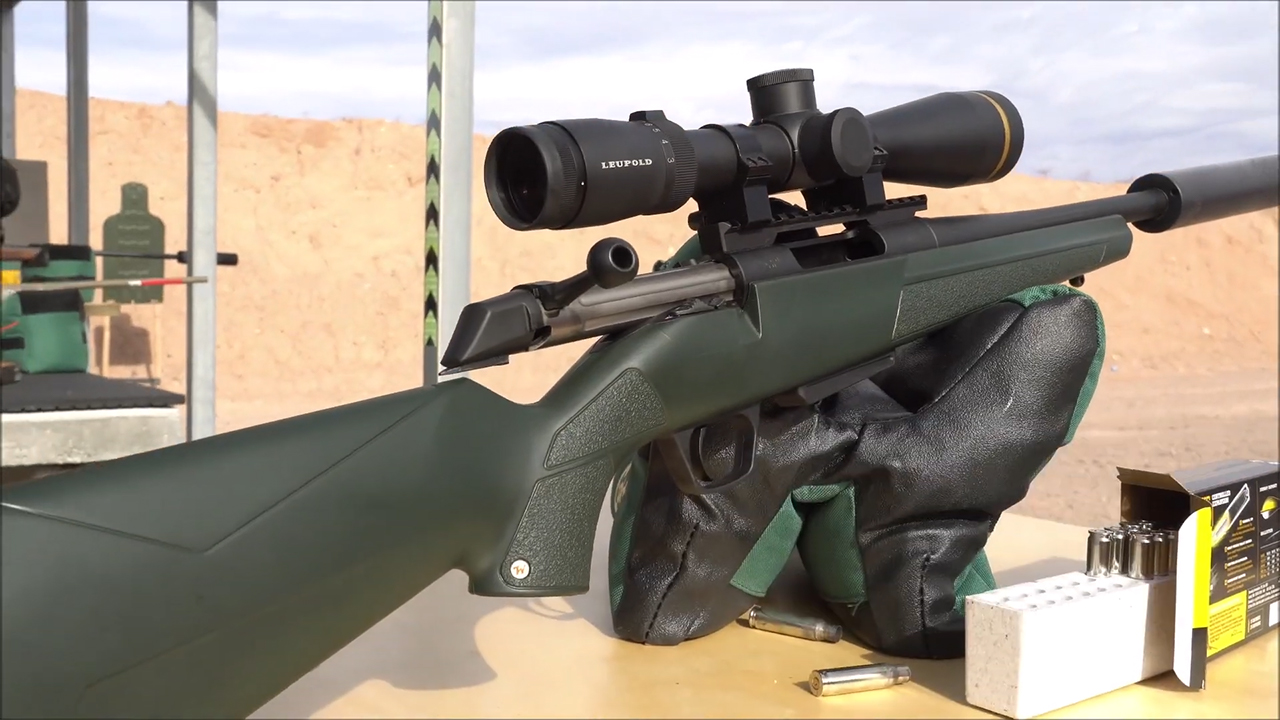
The Winchester XPR Stealth doesn’t carry the romance of the Model 70, but it can earn respect after hard use. It has a practical synthetic stock, threaded barrel, Perma-Cote metal finish on many versions, and a straightforward action designed around function more than tradition.
A few rough seasons can make a rifle like this look better. It’s not something most owners are afraid to drag through brush or lean against a muddy blind wall. It shoots well enough for regular hunting, handles weather better than blued walnut, and doesn’t ask to be pampered. It may not be a forever heirloom, but it can become a trusted field rifle by simply doing its job.
Weatherby Vanguard Back Country
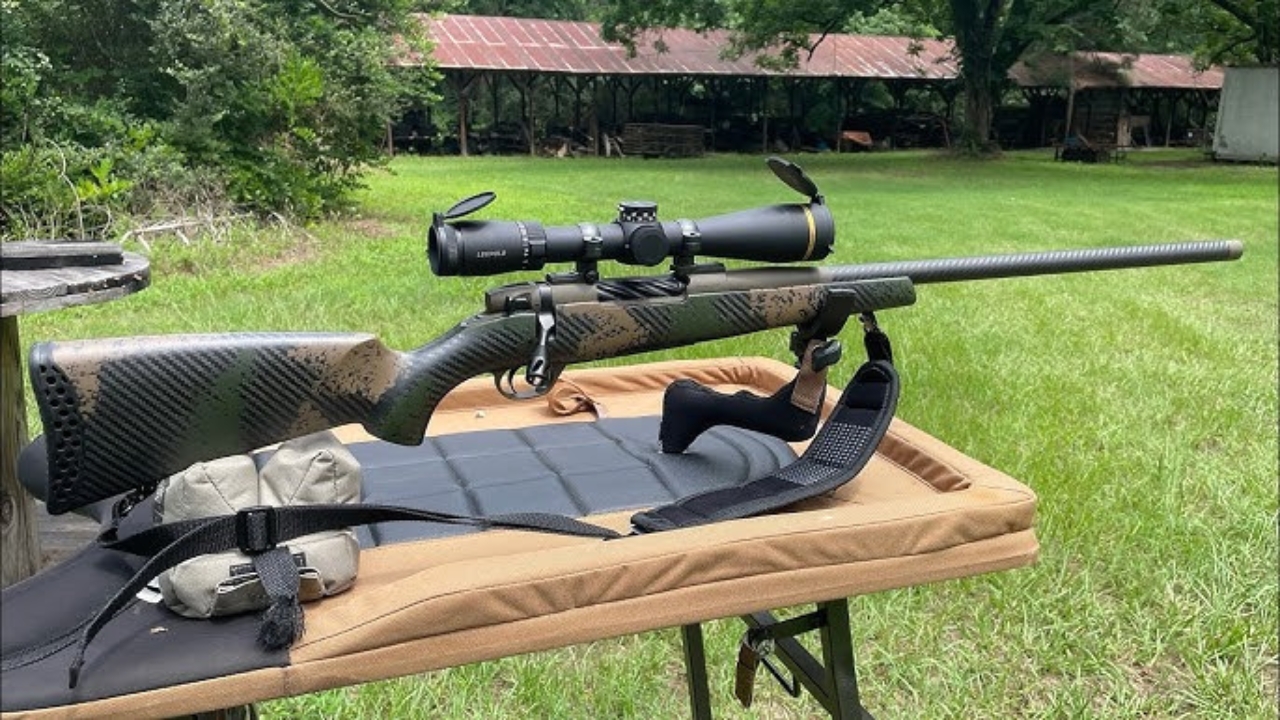
The Weatherby Vanguard Back Country gives hunters a solid action in a lighter, more carry-friendly package than the standard Vanguard. Built around the Howa-made Vanguard action, it keeps that sturdy Weatherby value while trimming enough weight to make longer days easier.
What makes it feel better after rough seasons is the way it balances practicality and confidence. It isn’t so light that it feels flimsy, but it carries better than heavier sporters. The action has substance, the rifle tends to shoot well, and the field-focused setup makes sense once the miles add up. A rifle that still feels steady after weather, recoil, and hard walking earns real loyalty.
Savage 110 Ultralite
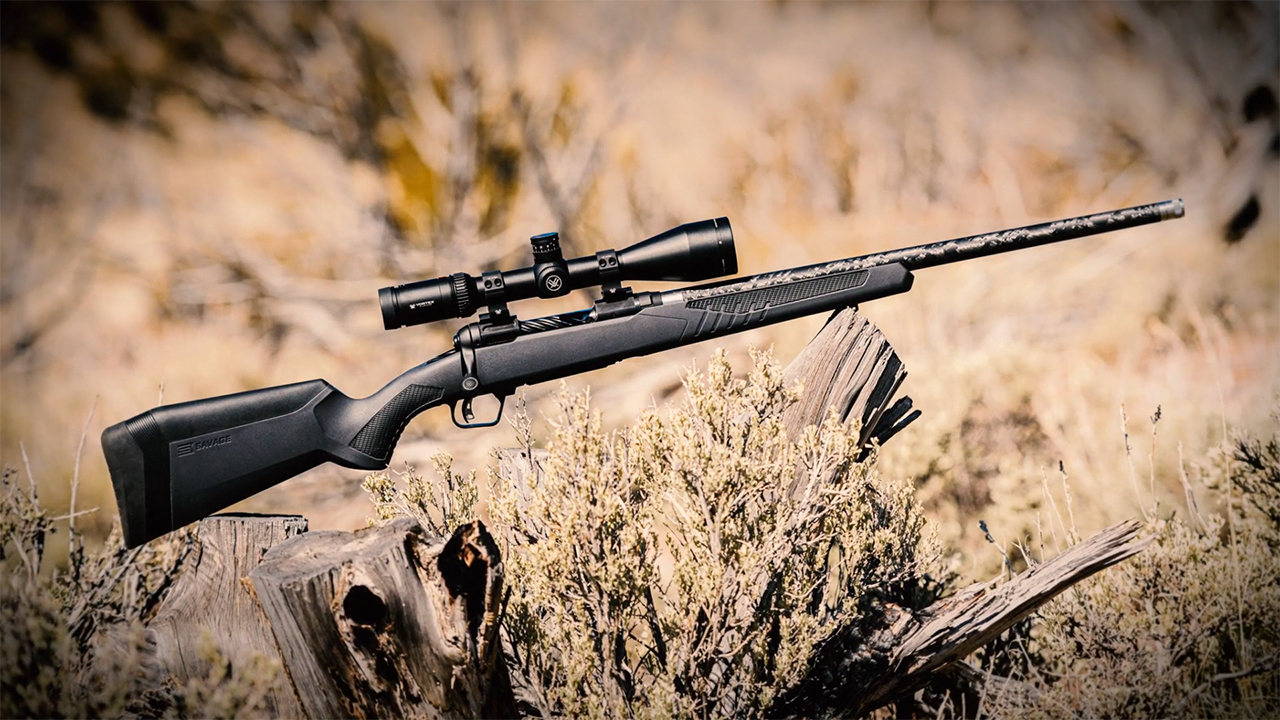
The Savage 110 Ultralite proves a lighter rifle can still earn trust after rough use when the parts are chosen well. The Proof Research carbon-fiber-wrapped barrel, AccuTrigger, and adjustable AccuFit stock give it more serious footing than a basic featherweight rifle that only cares about scale weight.
After a few seasons, hunters usually appreciate the fit and trigger as much as the reduced weight. A rifle that fits properly is easier to shoot under real field pressure, especially when heavy clothing changes everything. The 110 Ultralite isn’t cheap, but it gives hunters a practical mountain-style rifle that can handle rough country without feeling like a fragile experiment.
Sauer 100 Ceratech
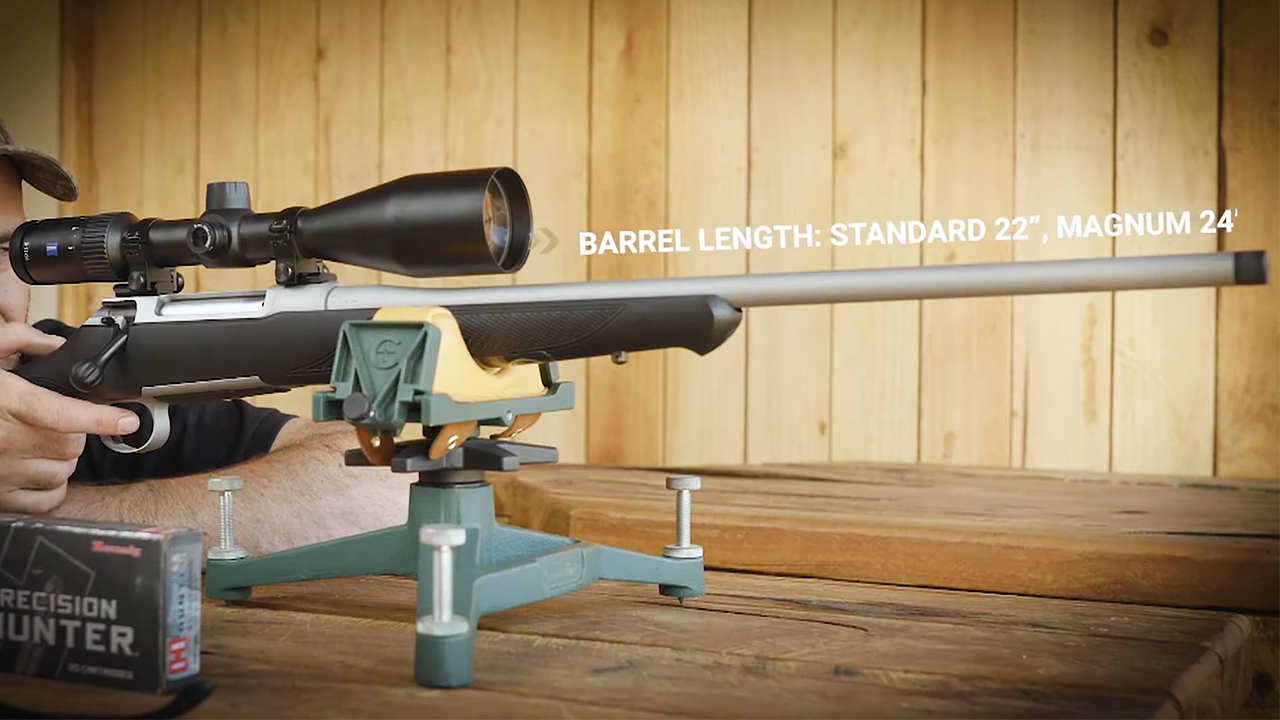
The Sauer 100 Ceratech feels better after rough seasons because it brings refinement into a weather-ready package. Some bad-weather rifles feel like stripped-down tools with all the charm sanded off. The Ceratech still has a smooth action, good trigger, and a more polished feel than many synthetic-stocked rifles.
That matters after the first few scratches and wet hunts. The rifle still feels good to cycle, still shoots well, and still gives the owner confidence when conditions turn sloppy. It’s not trying to be a luxury rifle, but it doesn’t feel cheap either. A hunting rifle that stays pleasant to use after hard weather has a big advantage over one you only tolerate.
Bergara B-14 Wilderness Hunter
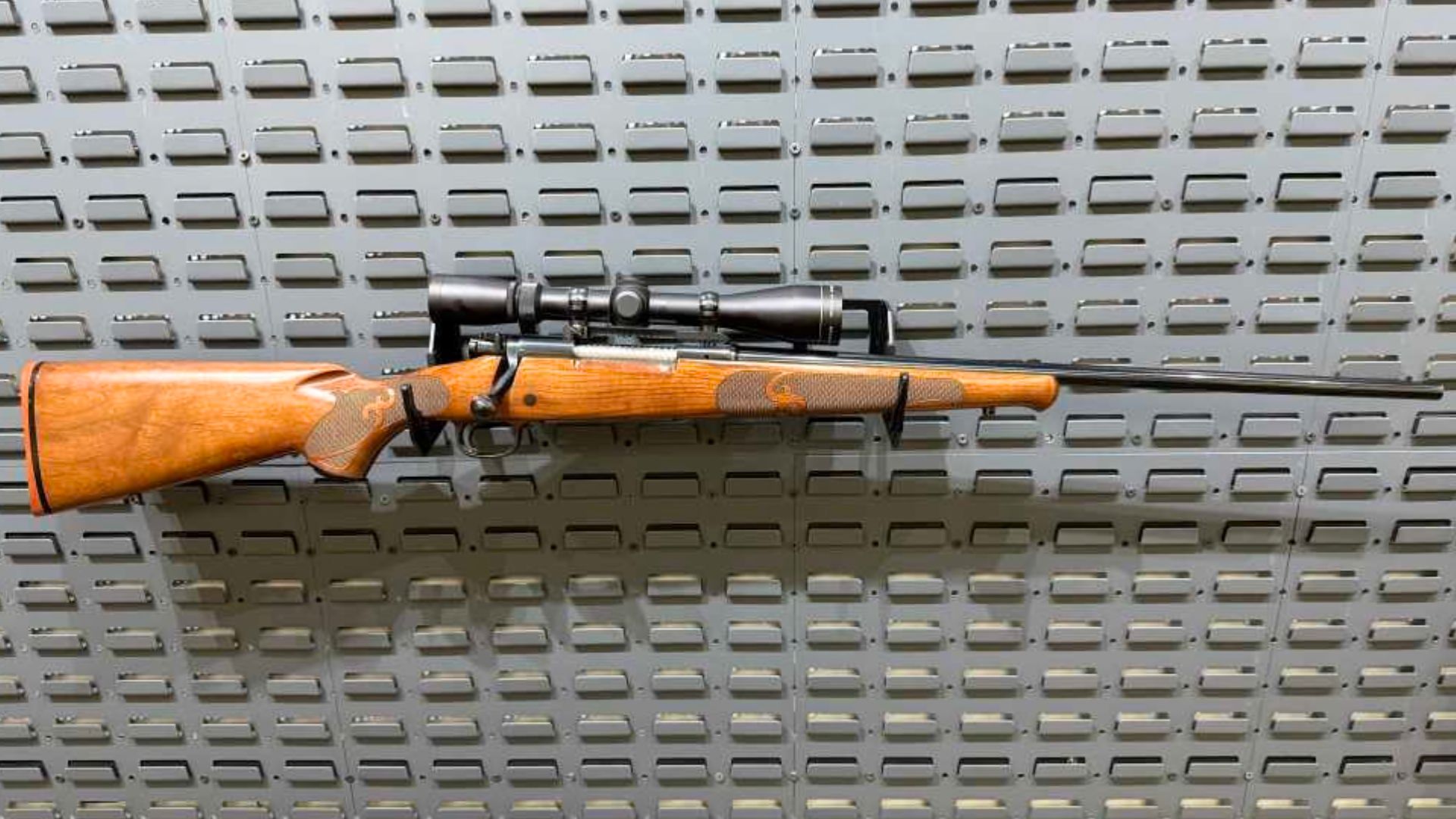
The Bergara B-14 Wilderness Hunter feels made for seasons that don’t go perfectly. It has a weather-resistant finish, synthetic stock, and Bergara’s barrel reputation in a package that regular hunters can still justify. It doesn’t feel like a rifle that needs to stay spotless.
After a few rough seasons, accuracy and consistency matter more than showroom shine. The Wilderness Hunter gives owners a rifle that can handle wet mornings, rough stands, and normal field abuse while still shooting confidently. It’s not the lightest rifle Bergara makes, but that extra steadiness can help when the shot is awkward and the weather is fighting you. It feels like a rifle meant to be used.
Mauser M18 Feldjagd
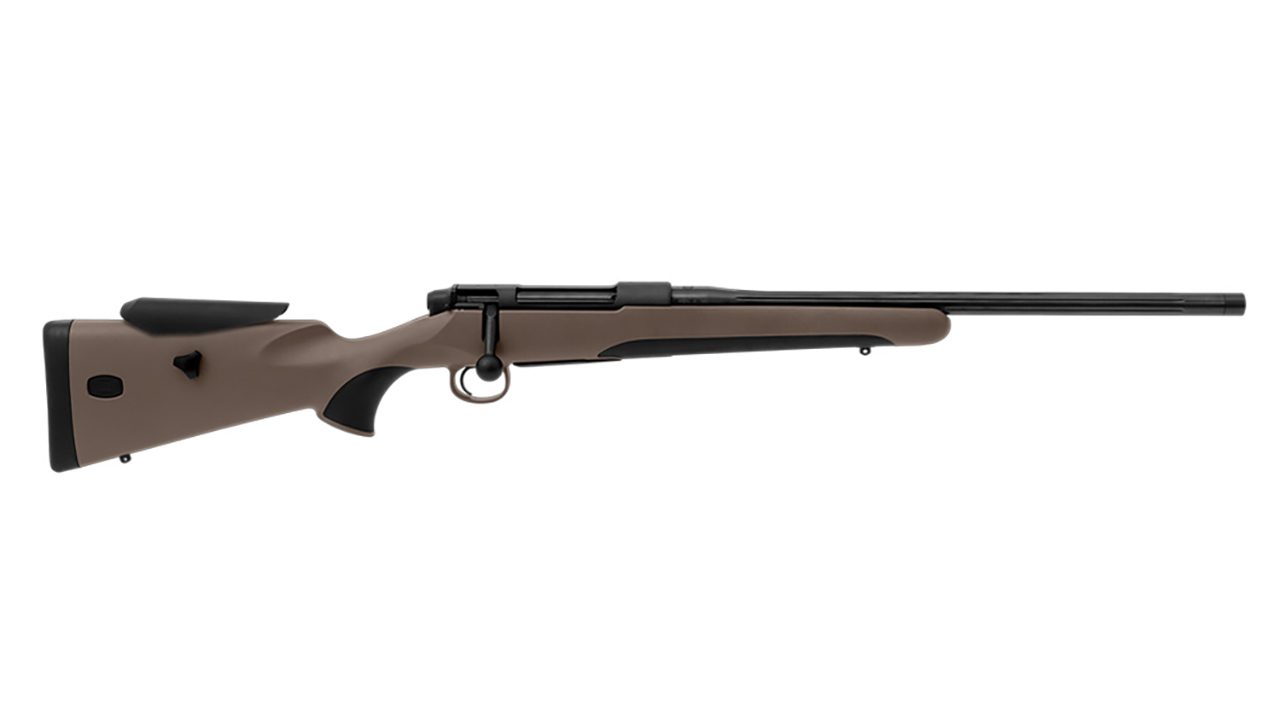
The Mauser M18 Feldjagd is a more specialized rifle than the standard M18, but it still has the kind of practicality that shows up after real use. The heavier barrel, adjustable stock features, and field-focused design make it more capable for hunters who may stretch distance or shoot from varied positions.
A few rough seasons can expose rifles that look good but don’t fit well. The Feldjagd’s adjustability helps solve that. When the rifle fits the shooter better, it becomes easier to trust in cold weather, awkward rests, and longer waits. It’s not the classic Mauser people picture from old safari stories, but it is a modern hunting tool that feels better once it proves itself.
CZ 557 Synthetic
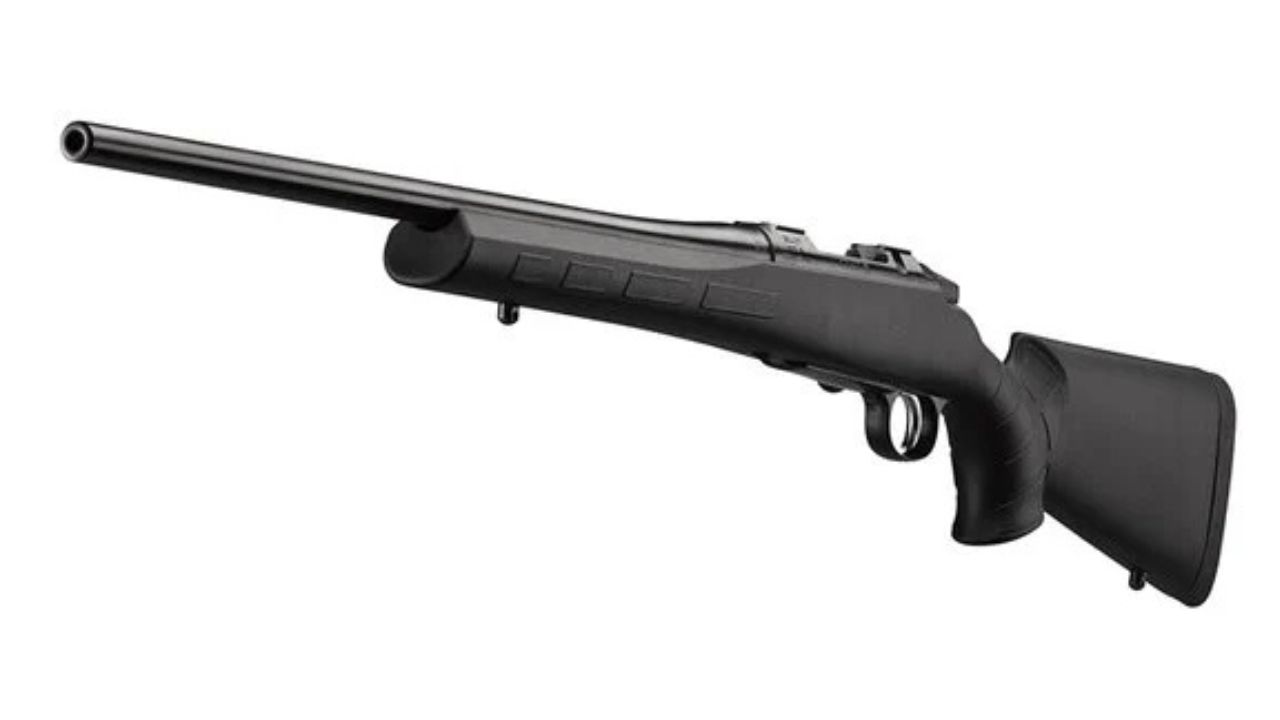
The CZ 557 Synthetic didn’t get the same love as the older CZ 550, but it still offered a solid, practical hunting rifle for people who wanted CZ quality without worrying over walnut. The push-feed action was smooth, the trigger was good, and the synthetic stock made it easier to take into weather.
After rough seasons, the 557 Synthetic’s plainness becomes a strength. It doesn’t feel like a showpiece, and it doesn’t ask the owner to baby it. It’s a rifle meant for hunting, not admiring from across the room. Some shooters still prefer the controlled-round-feed 550, but the 557 Synthetic earned trust from hunters who cared more about field performance than tradition.
Henry Single Shot Rifle
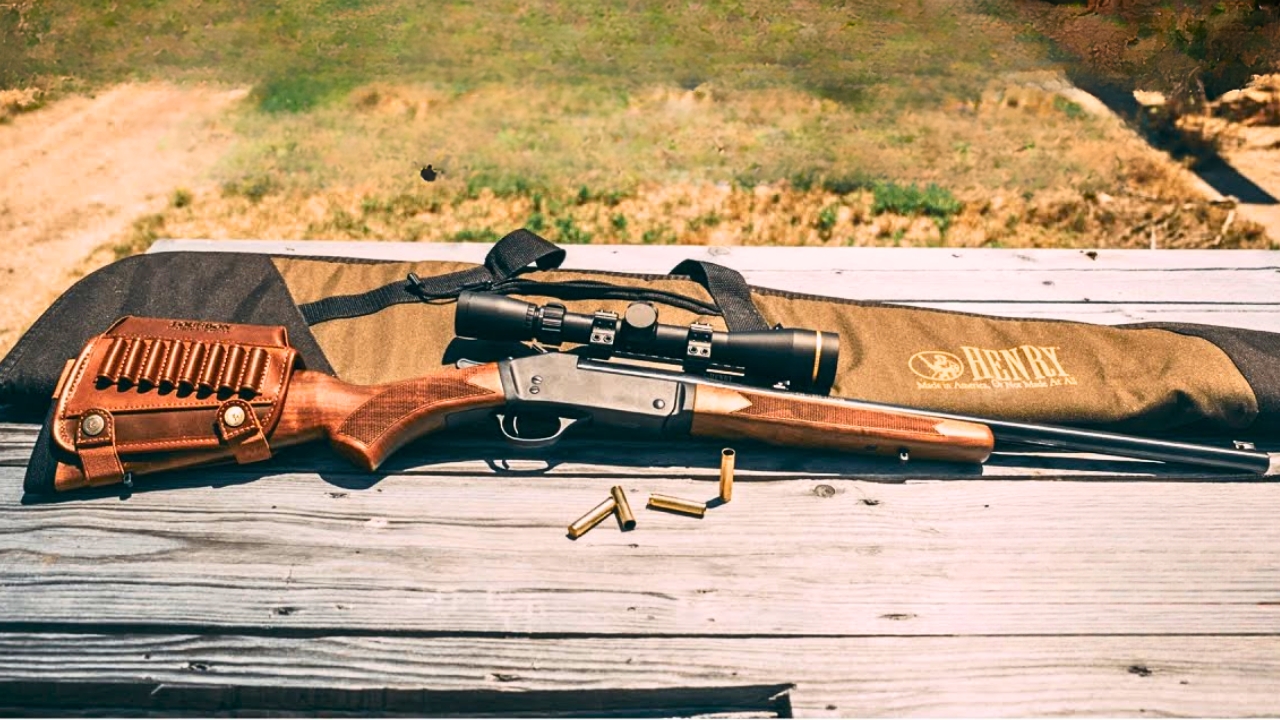
The Henry Single Shot Rifle feels better after rough seasons because it strips the hunting rifle down to something simple and honest. Break it open, load one round, make the shot count. There isn’t much to complicate, and that can be refreshing when gear keeps getting more elaborate.
It’s not the fastest rifle, and it won’t be right for every hunter. But for deer stands, youth hunters, straight-wall cartridge areas, and simple woods hunting, it makes sense. After a few seasons, the lack of complexity starts feeling like part of the charm. It carries easily, cleans simply, and forces a slower kind of confidence. Sometimes rough seasons make simple rifles easier to appreciate.
Browning BAR MK3 Stalker
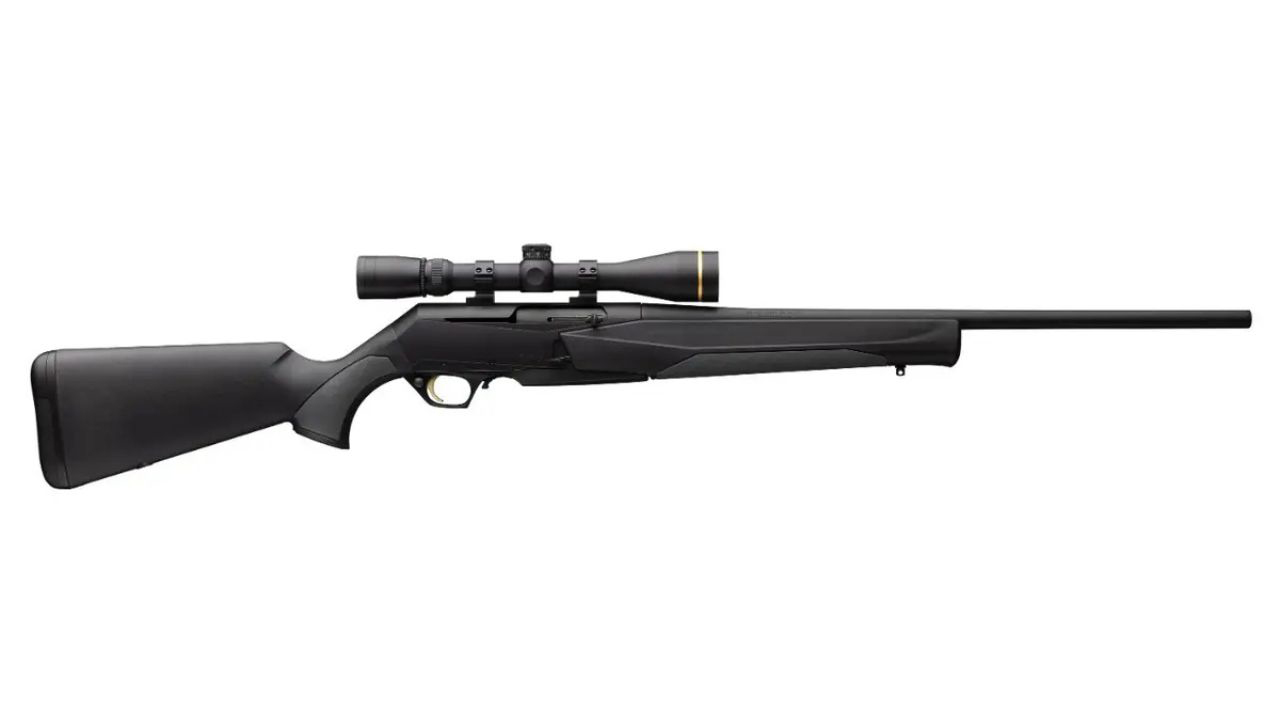
The Browning BAR MK3 Stalker feels better after rough seasons when hunters realize they can have semi-auto speed in a rifle that still feels like a sporting gun. The Stalker version keeps the setup practical with synthetic furniture and a field-ready personality.
It’s heavier and more complex than a bolt-action, so maintenance matters. But for hunters who deal with hogs, deer drives, or fast follow-up situations, the BAR earns trust by keeping shots moving without giving up hunting-rifle manners. After a few seasons where quick second shots mattered, the rifle starts feeling less like a luxury and more like the right tool.
T/C Encore Pro Hunter
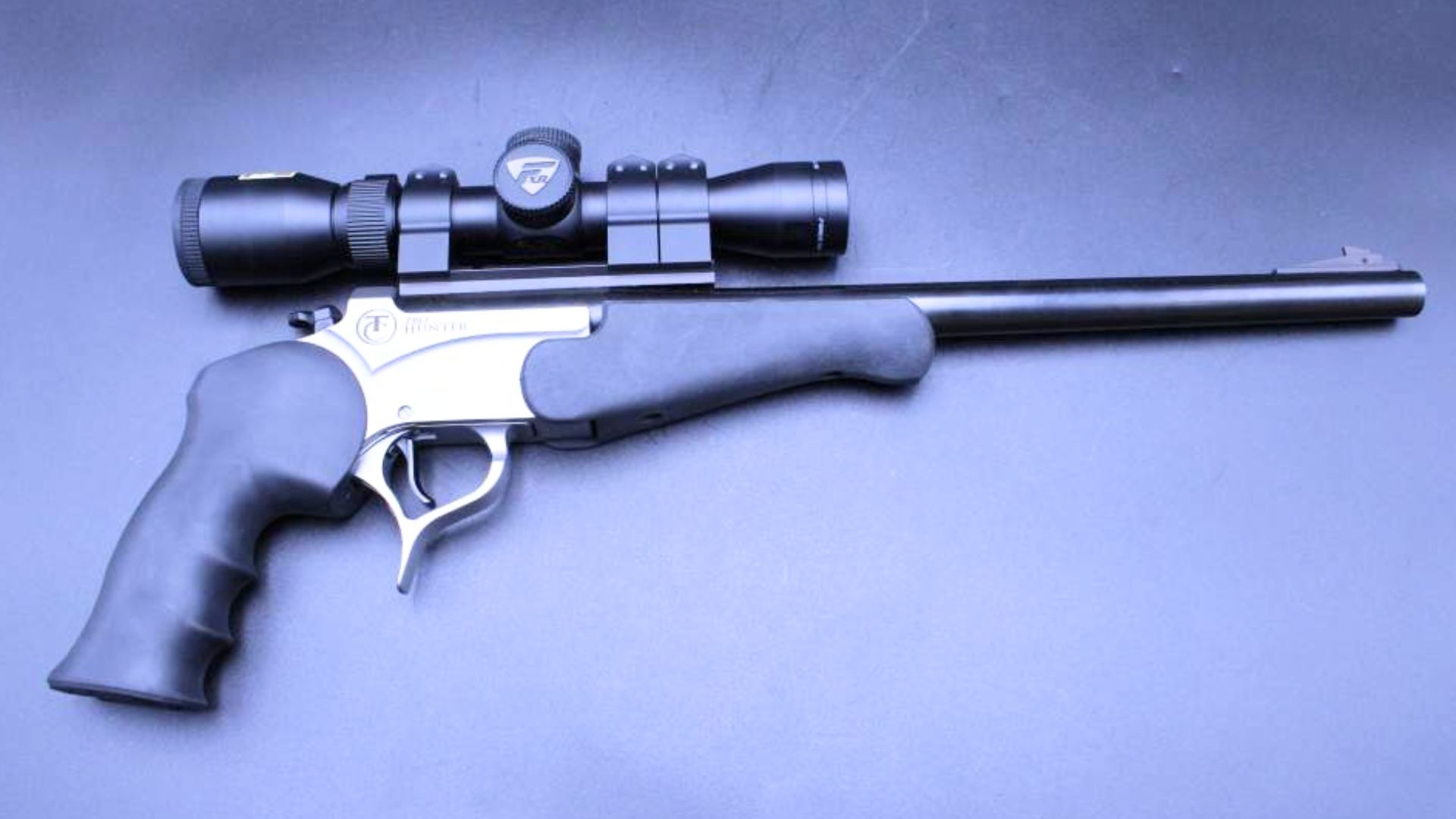
The T/C Encore Pro Hunter is a rifle system that gets appreciated more after years of use because it can change with the hunter. Different barrels, different chamberings, muzzleloader setups, and shotgun options all made it appealing to people who wanted one platform to cover several roles.
After rough seasons, that flexibility can matter. The single-shot action is simple and strong, and the ability to swap barrels gives owners options without learning a whole new rifle each time. It isn’t for everyone, and some hunters prefer a dedicated bolt gun. But the Encore Pro Hunter has earned trust from shooters who like a simple, adaptable platform that keeps finding new uses.
Franchi Horizon
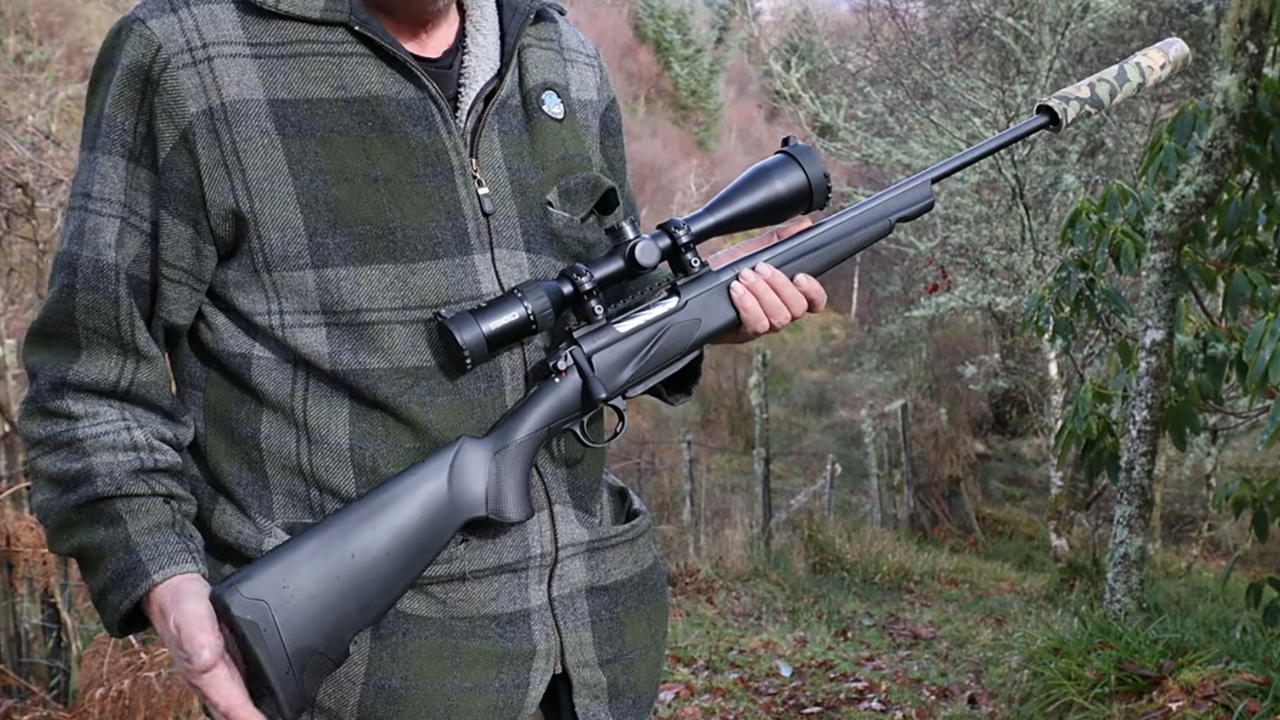
The Franchi Horizon is one of those rifles that can surprise people after real field time. Franchi is better known for shotguns, so the rifle didn’t automatically walk in with the same respect as a Tikka, Ruger, or Browning. But the Horizon gave hunters a practical bolt-action with good accuracy potential and a usable field setup.
After a few rough seasons, the rifle’s value becomes clearer. It isn’t flashy, but it carries well, shoots well, and doesn’t feel overly complicated. The stock and finish are meant for real use, not safe display. For hunters who took a chance on one, the Horizon often proved that a plain-looking rifle can earn trust by staying consistent when the weather, terrain, and season get messy.
Like The Avid Outdoorsman’s content? Subscribe to our newsletter so you never miss an article.
Here’s more from us: