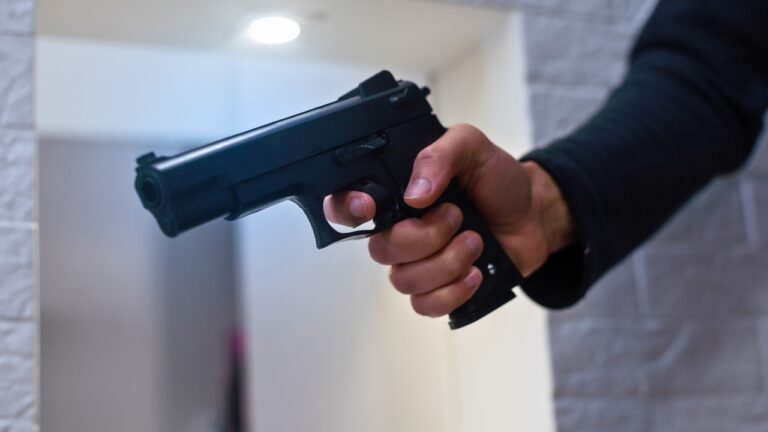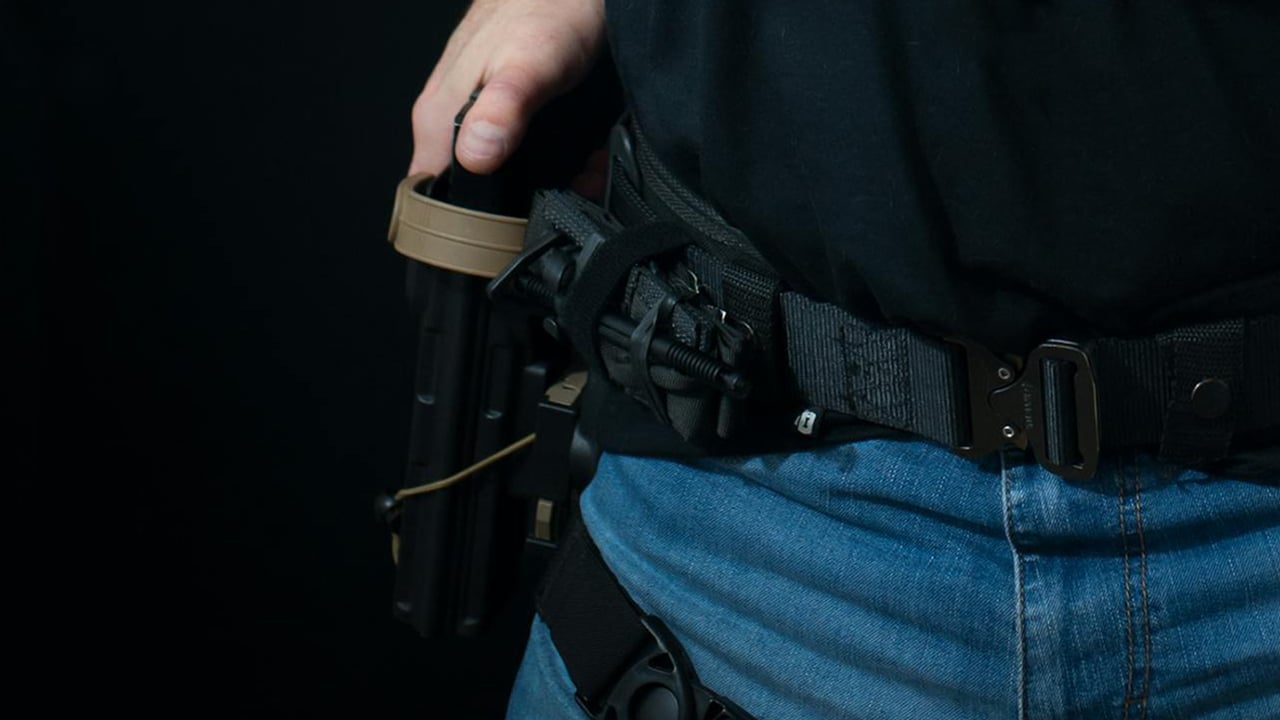
Photo credit: Dan Galvani Sommavilla/Pexels.com
The carrier knew it was close.
That is the kind of moment that makes your hands go cold after the danger passes. Nothing happened, technically. No shot. No hole in the wall. No police report. No injury. No one else may have even known there was a problem.
But he knew.
In a Reddit post, a concealed carrier said he had just come close to a negligent discharge while adjusting his carry setup. That kind of post gets attention because it sits right on the line between a bad habit and a life-changing mistake.
The gun did not fire.
That is the lucky part.
But a finger, trigger, holster, garment, or adjustment got close enough to make him realize how easily it could have gone the other way. And once that realization hits, it is hard to keep pretending the routine is fine.
A lot of carry mistakes start with a tiny bit of discomfort. The holster is digging into your side. The gun is sitting a little too high. The shirt is bunched. The belt feels wrong. The grip is printing. The whole setup shifted in the car. You go to fix it real quick because it does not feel like “gun handling.” It feels like adjusting clothing.
That is the trap.
If your hand is on the gun, if the holster is moving, if the trigger area is involved, or if the firearm is being repositioned, you are handling a loaded weapon. It does not matter that you are not at the range. It does not matter that you are not drawing. It does not matter that you only meant to make it more comfortable.
The gun does not know the difference.
That seems to be what this carrier ran into. A normal adjustment turned into a near miss, and suddenly the problem was not comfort anymore. It was the whole habit of messing with a carry rig while the gun was loaded and on his body.
That is where commenters usually get blunt, and for good reason. A carry gun should not be constantly adjusted throughout the day. It should go into a safe, stable holster and stay there unless there is a specific reason to remove it. If the setup requires constant fiddling, the setup is not working.
That may mean the holster is wrong. It may mean the belt is wrong. It may mean the carry position is wrong. It may mean the gun is too big for that clothing or the clothing is not built around the gun. It may mean the owner needs more practice putting it on safely before leaving the house.
But the answer is not casual mid-day gun handling.
That is how people get hurt.
The scariest part of a near negligent discharge is that it gives you a glimpse of an alternate timeline. One slightly different angle. One little snag in the trigger guard. One careless finger placement. One rushed adjustment. Suddenly the story is not “I almost had an ND.” It is “I put a round through my leg,” “I shot my floor,” or “I sent a bullet through a wall.”
The only thing separating those two versions may be luck.
Luck is useful once.
It is not a plan.
A lot of people think negligent discharges happen because someone is wildly irresponsible. Sometimes they do. But a lot happen during ordinary, familiar motions. Reholstering. Unholstering. Adjusting. Taking the holster off. Putting the gun in a safe. Moving it from a nightstand to a belt. Dry-firing after reloading. Cleaning. Checking. Fidgeting.
The boring moments are where people relax.
That is why a near miss matters. It is the firearm version of almost drifting into another lane on the highway. You can either shrug and say nothing happened, or you can change what caused it before the next time.
For a carrier, that means building hard rules.
No adjusting the gun by grabbing near the trigger. No reholstering fast. No fighting a cover garment into place with the pistol half-exposed. No pulling the gun out just to make the holster sit better unless you are in a safe place and deliberately handling it. No distracted fiddling in the car, bathroom, or bedroom.
If it needs a major adjustment, stop. Go somewhere safe. Remove the whole holster if possible instead of handling the bare gun. Keep the muzzle in the safest direction available. Keep the trigger covered. Slow down like it matters, because it does.
The carrier was fortunate that the lesson arrived as a scare instead of a hole.
That is the best possible version of this mistake. The bad habit revealed itself before the gun fired. Now he had the chance to tighten the routine, rethink the holster, and stop treating little adjustments like harmless movements.
A carry setup should be comfortable enough that you are not constantly messing with it, secure enough that it stays put, and safe enough that the trigger remains protected through normal daily life.
If it cannot do that, the problem is not your patience.
It is the rig.
Commenters mostly focused on the fact that the carrier had been handling or adjusting the gun more than he should have been.
Several people said the safest carry gun is one that stays in the holster. Once the gun is holstered securely, it should not be touched casually throughout the day. If the holster or belt needs constant adjustment, that is a gear problem.
Others said any adjustment that involves the firearm should be treated like firearm handling, not clothing adjustment. Finger off the trigger, muzzle awareness, slow movement, and a controlled environment matter even if the gun never fully leaves the holster.
A lot of commenters pushed the idea of removing the whole holster instead of the gun when possible. The holster protects the trigger, and keeping the gun inside it removes one major source of risk.
Some also pointed out that near misses should not be brushed off. The fact that no shot fired is good, but it does not mean the routine was safe. It means the carrier got a warning before the warning became permanent.
The main advice was simple: stop fiddling with a loaded carry gun. Fix the setup so it stays put, and handle the firearm only when you can do it deliberately and safely.