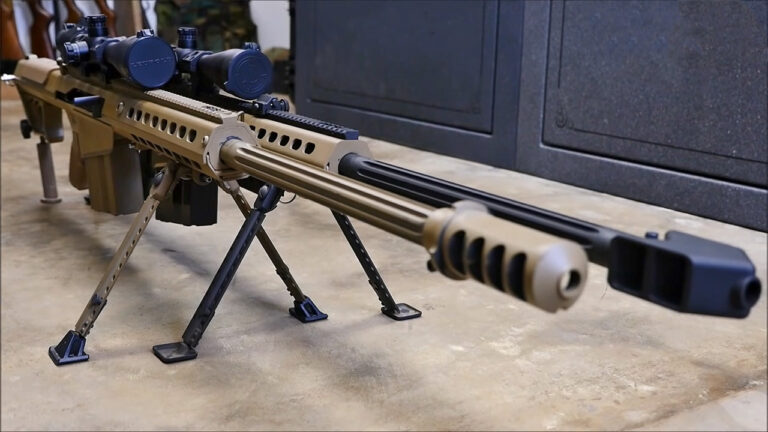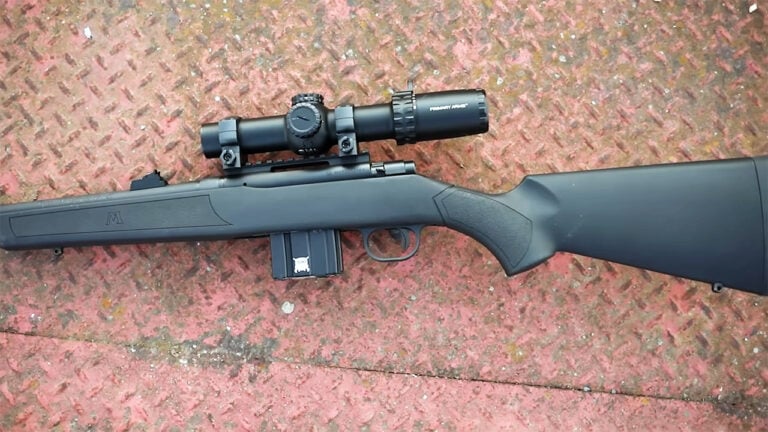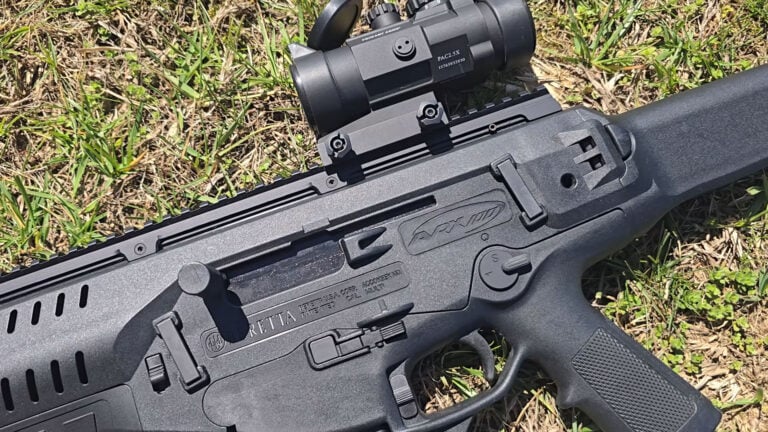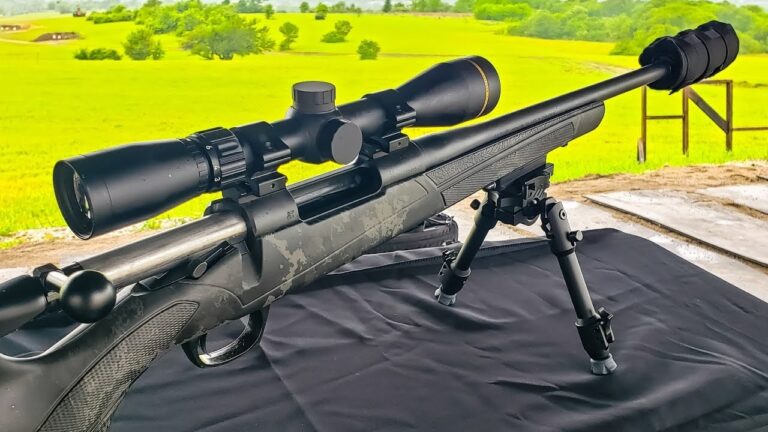
Photo credit: GoldenWebb/YouTube
Some calibers get picked because they solve a real problem—range, wind, big animals, short barrels, whatever. But there’s another category you’ve seen a hundred times: the “buddy impressor.” The ones that look great on a box flap, kick like a mule, and make everyone at camp lean in when you unzip the case. Then the season starts. Ammo is scarce or expensive, barrels heat fast, recoil beats you up, and the rifle that felt like a power move becomes a chore to practice with.
Regret usually isn’t about power. It’s about everything that comes with it: blast, recoil, rifle weight, magazine quirks, and the fact that most hunting shots don’t require a small artillery piece. If you don’t shoot the rifle a lot, you don’t shoot it well. And if you don’t shoot it well, you end up paying for “impressive” with missed opportunities and sore shoulders.
.300 Remington Ultra Magnum

The .300 RUM looks like a statement. It’s got “Ultra Magnum” in the name, it throws heavy bullets fast, and it sounds like the answer to every elk story you’ve ever heard. Then you live with it. The recoil is real, the muzzle blast is sharp, and rifles chambered for it are rarely fun to shoot from field positions.
Ammo cost and availability are the second punch. You end up rationing practice, which means you never truly settle in behind the rifle. Most hunters don’t need that much speed, and the extra velocity can also be hard on barrels if you’re doing a lot of range work. The regret shows up when you realize you’d have shot better—and hunted better—with something you could afford to shoot all summer.
.338 Lapua Magnum

The .338 Lapua Magnum is the king of “look what I brought.” The cartridge has real long-range pedigree, and it’s impressive in every way—sound, recoil, rifle size, and price. The regret hits when you realize most hunting setups don’t benefit from a 15-pound rifle with a brake that makes everyone on the firing line hate you.
It’s expensive to feed, and you’ll feel that every time you hesitate to practice. The recoil isn’t unmanageable in a heavy rifle, but it’s still tiring, and the blast is punishing. Unless you truly live in the extreme-distance world and train for it, it becomes a safe queen that you talk about more than you shoot. That’s not a hunting advantage. That’s an expensive conversation piece.
.50 BMG

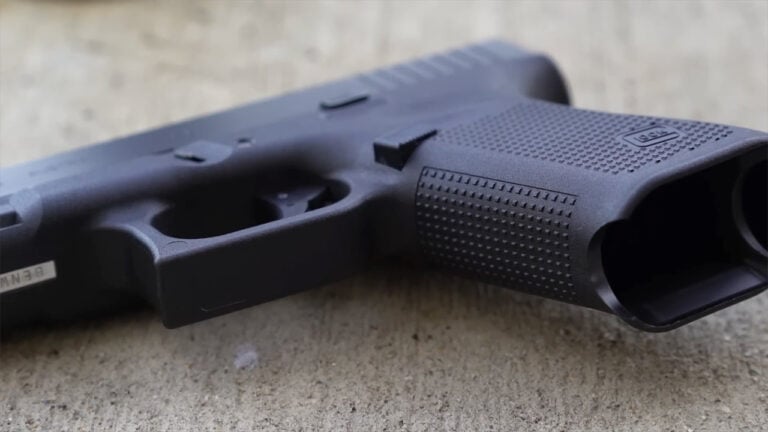
The .50 BMG is pure ego bait. It’s loud, huge, and it turns heads the second you open the case. It’s also completely impractical for almost any hunting scenario, and it’s a massive commitment just to shoot. Rifles are heavy, optics need to survive the abuse, and range access can be limited depending on where you live.
Regret comes fast when you realize the cartridge is a hobby all by itself. Ammo cost is brutal, and you’ll burn through a “fun day” budget in minutes. The blast is violent, and the whole setup is a logistical project. It’s impressive, sure. But if the goal is to hunt or even to shoot often, the .50 BMG is where a lot of people learn that “impressive” and “useful” aren’t the same thing.
.460 Weatherby Magnum

The .460 Weatherby Magnum has a reputation that does half the talking for you. It’s a true heavy hitter, and it makes people grin when they read the headstamp. The regret shows up the first time you try to practice like you should. Recoil is harsh, follow-up shots aren’t fast, and most shooters start flinching long before they admit it.
Ammo cost and availability don’t help. It’s not the kind of cartridge you casually pick up at a small-town store on the way to camp. Most hunting in North America doesn’t require .460 Weatherby power, and you’ll often shoot worse with it than with a more reasonable big-bore. The caliber might be “capable,” but capability doesn’t matter if you hate practicing with it.
.378 Weatherby Magnum
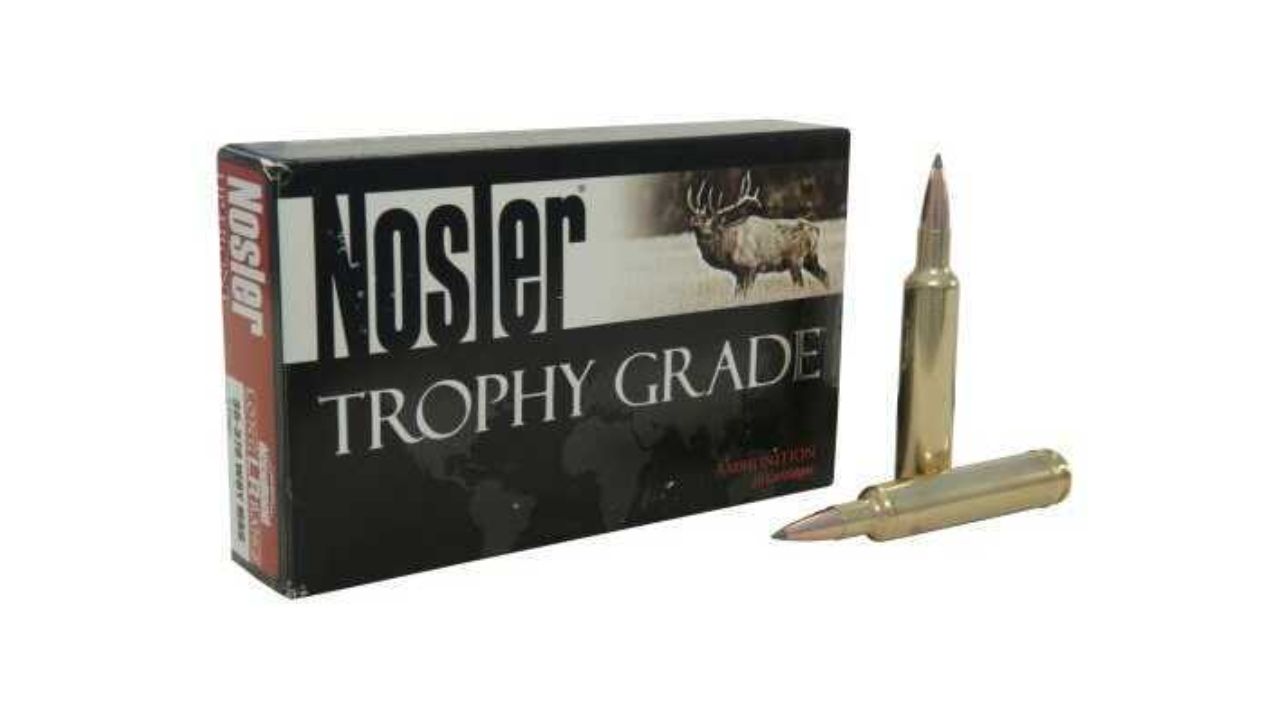
The .378 Weatherby Magnum is an old-school status symbol. It’s fast, loud, and powerful enough to make any animal story sound serious. The problem is that it’s a lot of cartridge for a world where most shots are inside sane distances and most animals don’t require extreme velocity.
Regret comes when you realize the rifle is heavy, the recoil and blast beat you up, and the ammo situation isn’t friendly. It’s also a cartridge that can be rough on barrels if you’re doing frequent range work, which is exactly what you need to do to shoot it well. A caliber like this can absolutely work, but for many hunters it becomes a “few shots a year” rifle. That’s not the recipe for confident field shooting.
.30-378 Weatherby Magnum

The .30-378 Weatherby Magnum looks like the ultimate “I want the flattest, hardest-hitting .30 caliber.” It is blistering fast. It also brings huge blast, big recoil, and expensive ammo. It’s a caliber that makes sense for a narrow slice of shooters who actually need that performance and can afford to feed it.
For most hunters, regret shows up when the rifle starts feeling like work. The cartridge is overbore, which means it can be tough on barrels if you practice a lot. If you don’t practice, you’re not taking advantage of what you paid for anyway. It’s the kind of caliber that sounds amazing in theory, then makes you realize that a more practical magnum would have let you shoot more, learn more, and hit more.
7mm STW

The 7mm STW has that “laser” reputation, and it’s easy to buy into it. Flat trajectory, high velocity, and plenty of energy on paper. The regret comes when you start paying for it—literally and physically. It’s loud, it’s harder on barrels than more moderate 7mms, and ammo isn’t always convenient to find.
A lot of hunters end up realizing they didn’t need that much speed to begin with. A 7mm Rem Mag, 7mm PRC, or even a 7mm-08 would have done the job with more affordable practice and less punishment. The STW can be effective, but if you bought it to show you’re serious and then don’t shoot it much, you’ve turned a performance cartridge into a campfire flex.
.257 Weatherby Magnum

The .257 Weatherby Magnum impresses people because it’s fast, flat, and hits harder than most folks expect from a “quarter bore.” It’s a fun cartridge when you’re set up for it. The regret shows up when you realize it’s loud, it can be hard on barrels if you practice often, and ammo isn’t cheap or common everywhere.
A lot of hunters buy it thinking it’ll make them a longer-range shooter overnight. Then the real work starts—wind calls, bullet performance at different distances, and the need to practice enough to make that speed count. If you don’t shoot it a lot, you don’t get the benefit. If you do shoot it a lot, you start noticing the cost and wear. It’s a cool cartridge, but it can turn into a headache for people who bought it for bragging rights first.
.28 Nosler

The .28 Nosler looks like the modern answer to everything: fast, flat, and built for heavy 7mm bullets with serious energy. It also comes with the typical “hot rod” downsides—recoil, muzzle blast, expensive ammo, and barrel wear concerns if you’re running it hard.
Regret often shows up when you realize you’re not actually shooting the distances that justify it. A lot of animals get killed inside 300, and you don’t need a .28 Nosler to do that well. Meanwhile, the cartridge encourages you to chase long shots without the long-shot practice budget. It’s an impressive round, but it asks you to pay in recoil and dollars. If you bought it for camp cred and not a real use case, it tends to punish you later.
6.5 PRC in a lightweight rifle

The 6.5 PRC can be a smart cartridge, but in a lightweight rifle it becomes a “looks cool, feels rough” situation fast. It’s snappier than people expect, and the blast in a short, light hunting rig can make practice miserable. Guys buy it because it sounds like the grown-up Creedmoor and they want to signal they’re not behind the times.
Regret shows up when the rifle is hard to shoot well from field positions and you don’t want to practice with it. The PRC also tends to come in rifles that encourage longer shots, which demand more trigger time. If you’re not willing to put in that time, you’re carrying extra recoil and cost without extra results. The cartridge is fine. The “impress the buddies” setup is where it goes sideways.
.45-70 Government in a hard-kicking guide gun

The .45-70 Government is a classic, and it absolutely has a place. The regret usually shows up when you buy a lightweight guide gun and start feeding it hot loads because you want it to be “bear medicine.” Heavy .45-70 loads in a light rifle can be brutal, and that recoil can make you avoid practice fast.
A lot of people also discover they don’t actually need the hottest stuff for the hunting they do. Standard loads kill deer clean, and you don’t need to beat yourself up to prove anything. The caliber isn’t the problem. The ego-driven load choice and rifle setup is. If your .45-70 lives in the safe because it’s unpleasant to shoot, you bought a cool story instead of a practical hunting rifle.
.450 Bushmaster

The .450 Bushmaster gets bought because it sounds like a hammer. Big straight-wall, big bullet, big talk. It can absolutely work in its lane, especially in straight-wall states. The regret shows up when people buy it to impress buddies outside that lane, then realize the trajectory and recoil don’t make it a do-everything hunting round.
Ammo cost and availability can also sting depending on where you live. If you’re not shooting it regularly, you’re not learning its drop and wind behavior, and that’s where misses happen. A lot of hunters would have been happier with a .350 Legend or even a standard deer cartridge if they weren’t limited by law. The Bushmaster isn’t bad, but it’s easy to buy it for the vibe and then resent the realities.
.500 S&W Magnum (rifle)

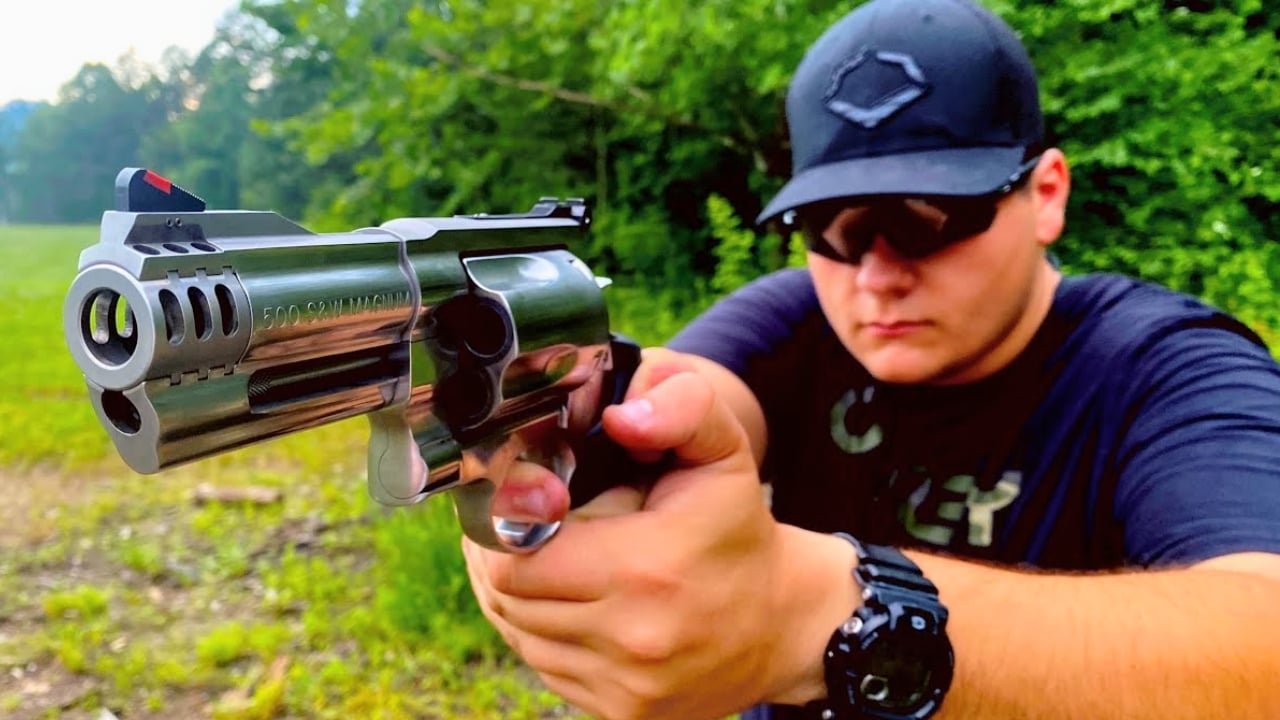
A .500 S&W Magnum lever gun or single-shot looks insane on paper and in person. It’s loud, it hits hard, and it’s guaranteed to get attention at camp and at the range. The regret shows up when you realize it’s expensive to shoot and the recoil can be punishing in lighter rifles.
A lot of people buy it thinking it’s the ultimate woods gun, then discover they don’t actually enjoy practicing with it. And if you don’t practice, you’re not gaining anything from all that power. It also tends to be a short-range tool with a steep drop curve, which means you need to know your limits. The caliber will definitely impress your buddies. It just might leave you with a rifle you don’t want to shoot.
10mm Auto for hunting

The 10mm Auto has a reputation that attracts a certain type of buyer. It’s “serious,” it’s loud, and it feels like the caliber that separates you from the 9mm crowd. The regret shows up when you try to use it for hunting and realize handgun hunting is hard, and a semi-auto pistol adds its own complications.
You’re dealing with limited effective range, real recoil, and the need for precise shot placement under pressure. Ammo selection matters a lot, and not every “hot” 10mm load is built for hunting performance. Some people also find the platform more sensitive to technique and magazines than they expected when it’s cold and dirty outside. The 10mm can work. The problem is when it’s bought as a flex, not as a system you’ll train with.
.416 Rigby
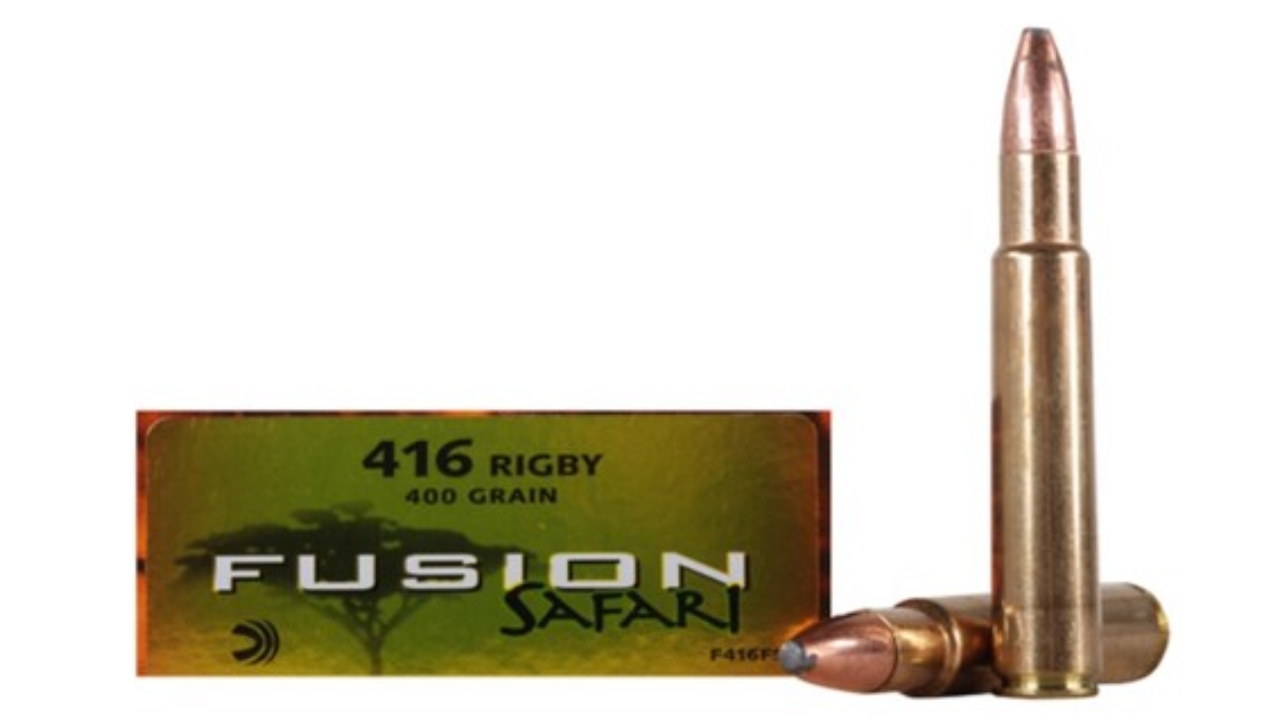
The .416 Rigby is legendary, and it impresses anyone who knows what it is. It also comes with a reality check: rifles are big, recoil is heavy, and ammo isn’t something you casually keep stacked deep. If you’re not actually going to Africa or hunting the biggest stuff on the continent, it quickly becomes a very expensive way to say you own a big bore.
Regret shows up when you realize you can’t justify the practice it takes to shoot it well, and you don’t have a hunt that requires it. Even if you do, a lot of modern options offer similar performance with more practical logistics. The Rigby is a classic, but classics can still become safe queens when the buyer wanted a story more than a use case.
.458 Winchester Magnum

The .458 Win Mag has a reputation that makes you feel like you’re holding authority. It’s a classic dangerous game round, and it looks great on a rifle rack. The regret shows up when you’re not actually hunting dangerous game and you realize you bought a cartridge that is expensive, punishing, and unnecessary for your real-world needs.
It’s also not a caliber that encourages casual range days. Recoil and blast add up fast, and most shooters start flinching if they aren’t disciplined. If you don’t shoot it often, you’ll never be as confident as you should be with it. If you do shoot it often, your wallet and shoulder will notice. It’s impressive, but it’s also a commitment most hunters never needed.
.300 Weatherby Magnum

The .300 Weatherby Magnum is a classic “big league” choice, and it definitely has the horsepower. The regret shows up when the rifle is loud and sharp enough that you start avoiding practice, or when you realize you could have gotten the same real-world hunting results with a more common cartridge and cheaper ammo.
Weatherby ammo isn’t always convenient in small towns, and even when it is, you pay for it. The cartridge can also push you toward lighter, faster bullets that make recoil feel snappier than you expected. None of that makes it a bad round. It’s just a round that often gets bought for the name and the vibe. If you’re not actually taking longer shots and practicing for them, you’ll end up wishing you’d chosen something you could shoot more.
7mm Remington Magnum

The 7mm Rem Mag is a great cartridge when you use it for what it’s good at. It also gets bought as a status symbol because it’s been “the elk guy’s round” for decades. Regret shows up when you realize the recoil and blast are enough to make you practice less, and the ammo cost is enough to make you hesitate to burn rounds.
A lot of hunters also discover they didn’t need a magnum at all. If most of your shots are inside 250, a .308, .270, or 7mm-08 would have been easier to live with and easier to shoot well. The 7mm Rem Mag isn’t the villain. The “I bought it to sound serious” mindset is. When you buy any cartridge for reputation first, you usually pay for it later in comfort and confidence.
.264 Winchester Magnum

The .264 Win Mag is the kind of cartridge that impresses the old-timers and the ballistics nerds. It’s fast, flat, and it sounds like a sleeper pick that proves you know something others don’t. The regret shows up when you realize why it’s not everywhere: barrel life concerns, ammo availability, and the fact that it’s a hot-rodded 6.5 that asks a lot from the rifle.
If you don’t reload, you may struggle to find loads that you actually like and can afford to practice with. If you do reload, you’ll still end up thinking about throat wear if you shoot it often. It can absolutely kill game well. But it’s a prime example of a caliber that can feel like a flex until you have to live with the costs and compromises season after season.
Like The Avid Outdoorsman’s content? Subscribe to our newsletter so you never miss an article.
Here’s more from us: