Photo credit: WHO_TEE_WHO/YouTube
You spend enough time around hunting guides and you start to notice the same reaction when certain calibers come up. It’s not that these cartridges don’t kill animals—they do, most of the time. The problem is they bring extra hassle to the hunt. Whether it’s poor trajectory, marginal energy, or ammo that turns up unreliable in the field, these are the rounds that tend to draw an eye roll from the guy who’s trying to get clients on game without babysitting their ballistics. Guides aren’t trying to judge—they just don’t want to track a wounded elk for five miles because someone showed up undergunned and overconfident.
.243 Winchester

Plenty of deer have dropped to the .243, but guides still groan when a client shows up with one. It’s not the rifle—it’s the margin for error. The .243 shoots flat, but it runs light on energy for anything bigger than a whitetail.
Most folks bringing it are trying to make it work on mule deer or elk, and the bullet selection isn’t always up to the task. One poorly placed shot, and now you’re tracking through the timber with nothing but a blood smear to follow. You can make it work, but it doesn’t leave much room for mistakes.
6.5 Creedmoor

Guides have seen too many hunters roll in with 6.5 Creedmoor rifles and high expectations. Yes, it shoots tight groups at the range. Yes, the ballistic charts look great. But out in the field, it’s been oversold as a do-it-all caliber.
The problem is folks believe the hype and take shots they shouldn’t. The 6.5 does fine on deer, but it’s marginal for elk unless everything goes perfectly. If you punch the shoulder, sure—it can work. But guides would rather see something with a little more horsepower and a little less marketing behind it.
.22-250 Remington

The .22-250 is a laser beam on coyotes, but that doesn’t stop some folks from trying to stretch it into big game territory. Guides shake their heads when they see it paired with deer tags, let alone anything bigger.
It’s accurate, no doubt. But even with premium bullets, the energy transfer just isn’t there. On smaller-bodied game it can get the job done, but it leaves almost no margin for wind, bone, or quartering angles. Most guides would rather you brought a .308 than risk losing a buck to a needle-hole caliber.
.300 Blackout

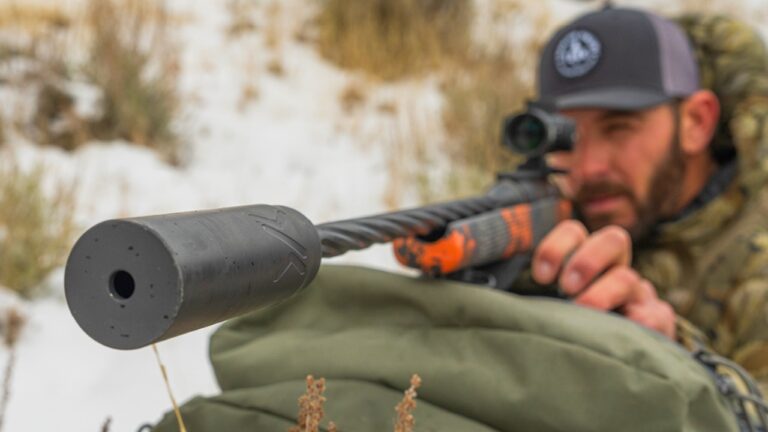
The .300 Blackout gets side-eyes faster than almost anything else. Some hunters show up thinking it’s a viable option for deer or hogs at any reasonable range, but guides know better. It was designed for suppressed work and close quarters—not 150-yard shots across a cut field.
Supersonic loads are better, but you’re still dealing with rainbow trajectory and energy levels that barely beat out pistol calibers. The subsonic loads? They’re a joke on anything but varmints. Most guides would rather you bring a shotgun slug than try to make this cartridge work past bow range.
.25-06 Remington

There’s a loyal camp of .25-06 users out there, and yes, it can be an effective round. But when it shows up on a guided hunt, there’s usually some grumbling. It’s not flat enough to be a true long-range performer and not heavy enough to carry momentum through bone.
You have to be really disciplined with shot placement, and the recoil is sharper than you’d expect from a medium round. A lot of folks bring it thinking it’s a catch-all solution for deer and antelope, but it’s more finicky than people want to admit.
.30 Carbine
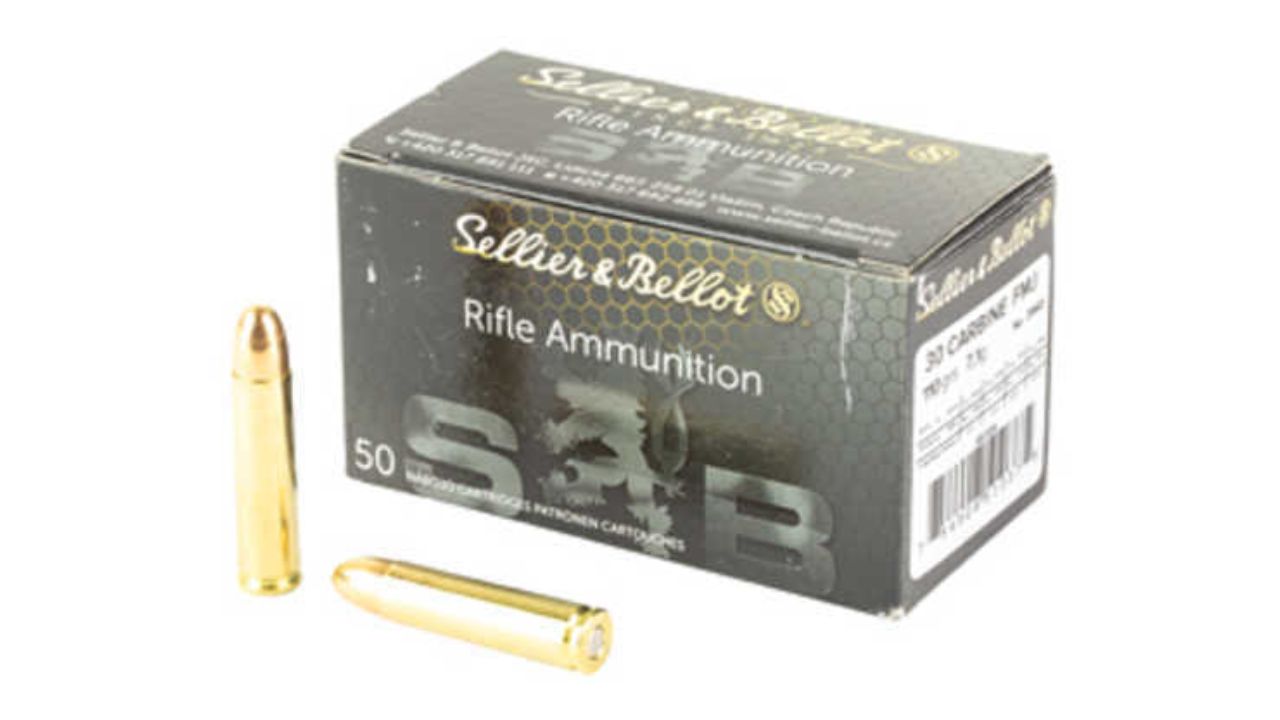
You probably shouldn’t be showing up to any guided hunt with a .30 Carbine, but every now and then, someone does. Maybe they’ve got a soft spot for the M1 or they think it’s “enough gun” for pigs or deer. Guides don’t agree.
The cartridge is underpowered, the bullets weren’t designed for clean kills on big game, and accuracy starts falling apart past 100 yards. It’s fun at the range, but in the woods, it’s more of a novelty than a tool. A guide’s job gets way harder when the gear is working against the outcome.
.223 Remington
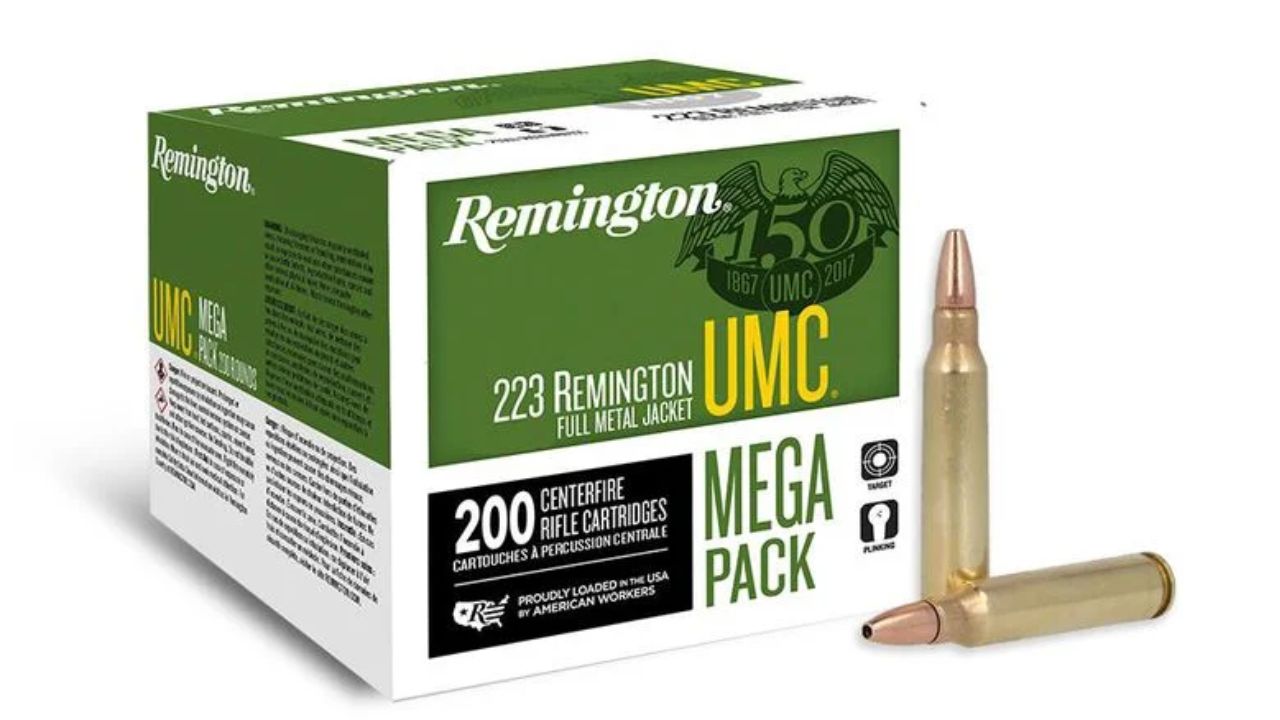
Yes, it’ll kill deer. Yes, some states even allow it. But no, most guides don’t want to see it walk into camp. The .223 is accurate and accessible, but there’s almost zero forgiveness when the shot isn’t perfect.
If you don’t punch both lungs or drop the spine, odds are you’re tracking a wounded animal for hours. That’s a big ask for a cartridge originally designed for varmint duty. Even with bonded bullets or partitions, most guides would prefer their hunters bring something meant for animals bigger than a prairie dog.
7mm-08 Remington
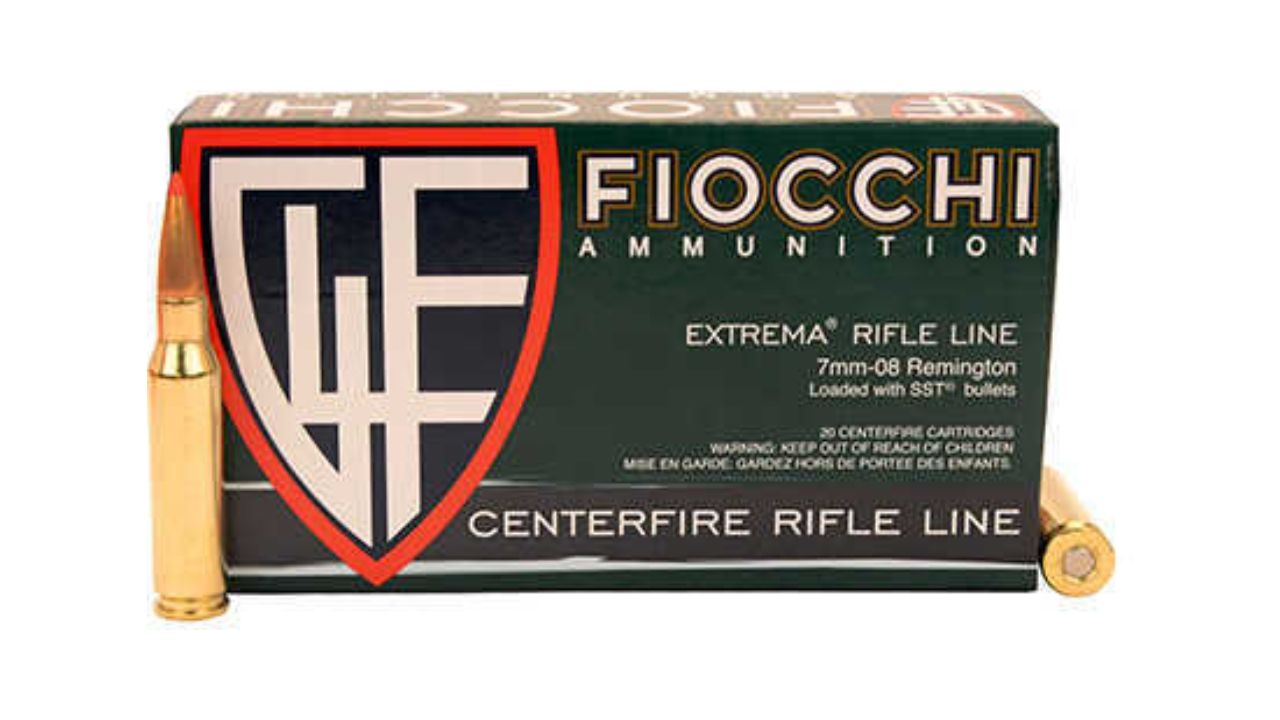
This one cuts both ways. Some guides love the 7mm-08 when it’s in the hands of a competent shooter. But too often, it’s brought by someone who’s read online that it’s the “perfect” round for youth or recoil-sensitive hunters—and then ends up flinching or missing altogether.
It’s got decent ballistics, but you need the right load, a tuned rifle, and good shot discipline to make it shine. Guides aren’t mad about it, but they’ve seen it go wrong enough times to know it’s not as foolproof as some people think.
7.62x39mm
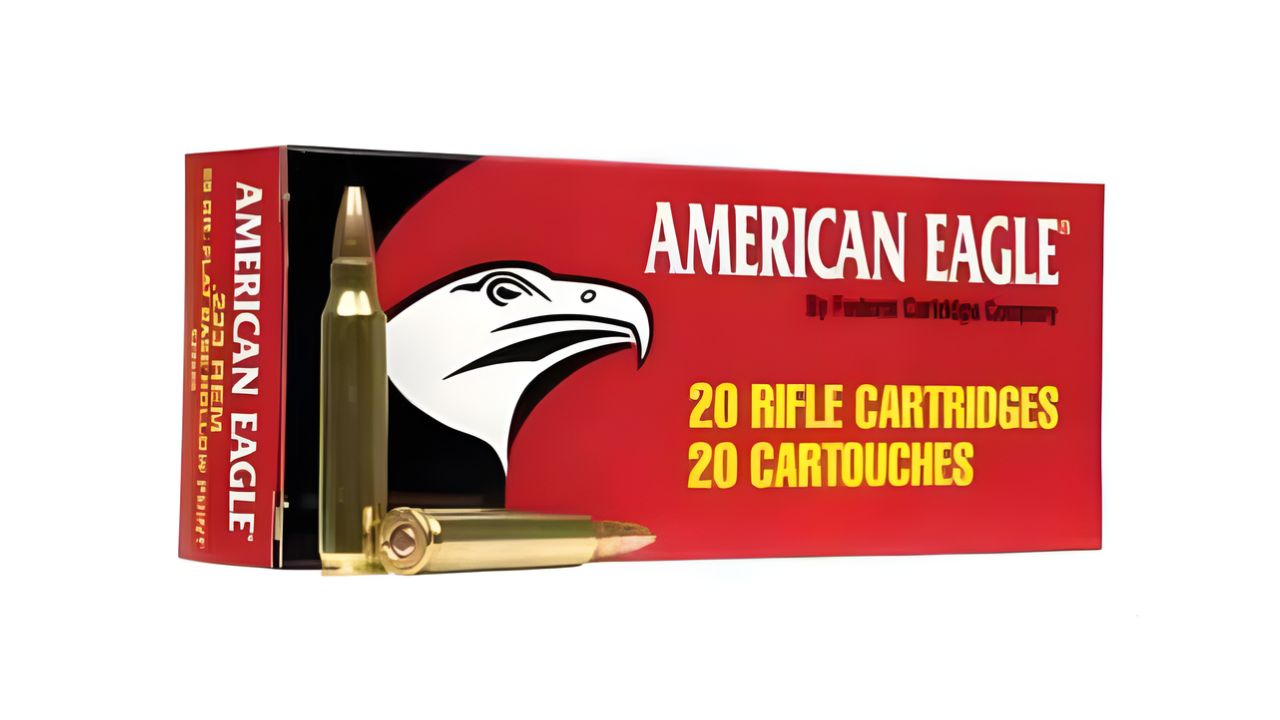
The SKS and AK crowd loves to push the 7.62×39 as a brush gun option. But guides aren’t thrilled when someone pulls one out of a scabbard. The accuracy is usually questionable, especially with surplus ammo, and the ballistics are closer to a hot pistol round than a real hunting cartridge.
It can work on pigs and close-range deer, sure—but it’s rarely the right tool for a guided hunt. Most folks who bring one are more interested in nostalgia than clean kills, and that’s where the eye rolls come in.
.300 Win Short Mag (WSM)
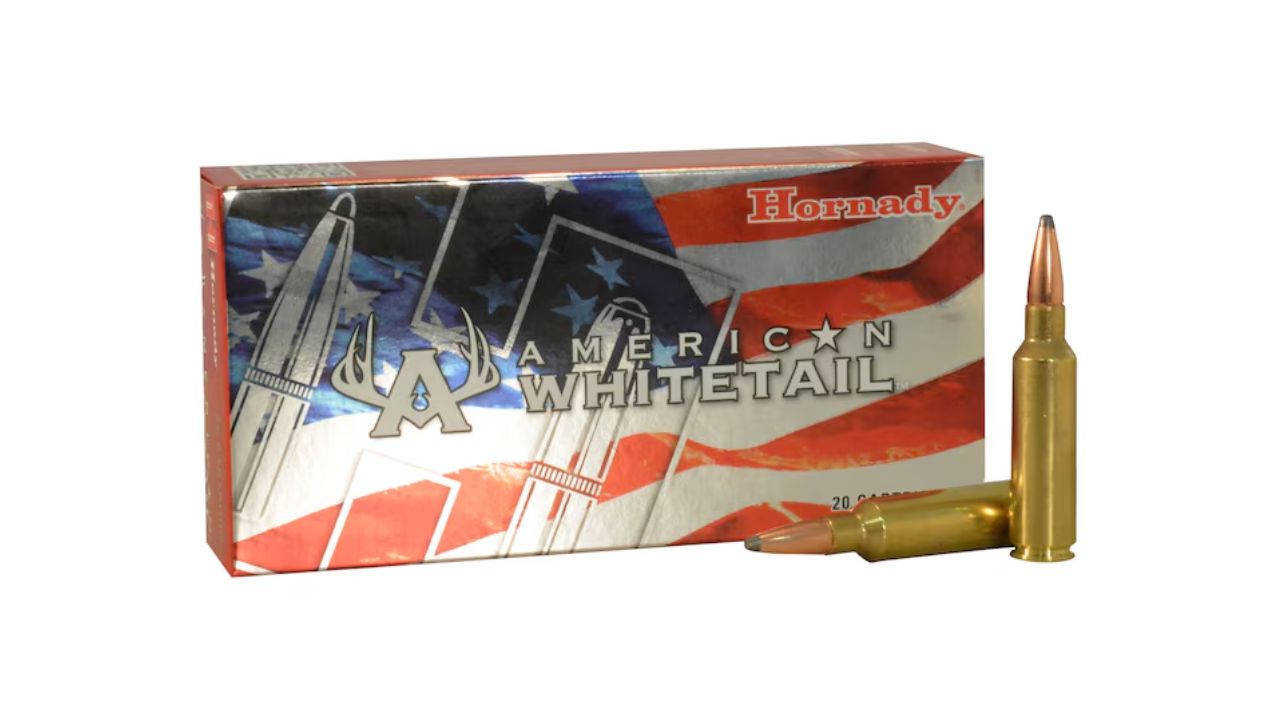
On paper, the .300 WSM should be a dream. It hits hard, flies flat, and fits in a short action. But guides have seen enough feeding issues and bolt lift problems to be wary. It’s finicky about bullet seating, and some rifles don’t cycle it cleanly.
If the hunter’s rifle isn’t dialed in, the WSM can create more problems than it solves. When it works, it works great. But when it doesn’t, it usually happens at the worst possible time—like when there’s a bull elk standing broadside at 280 yards.
.204 Ruger

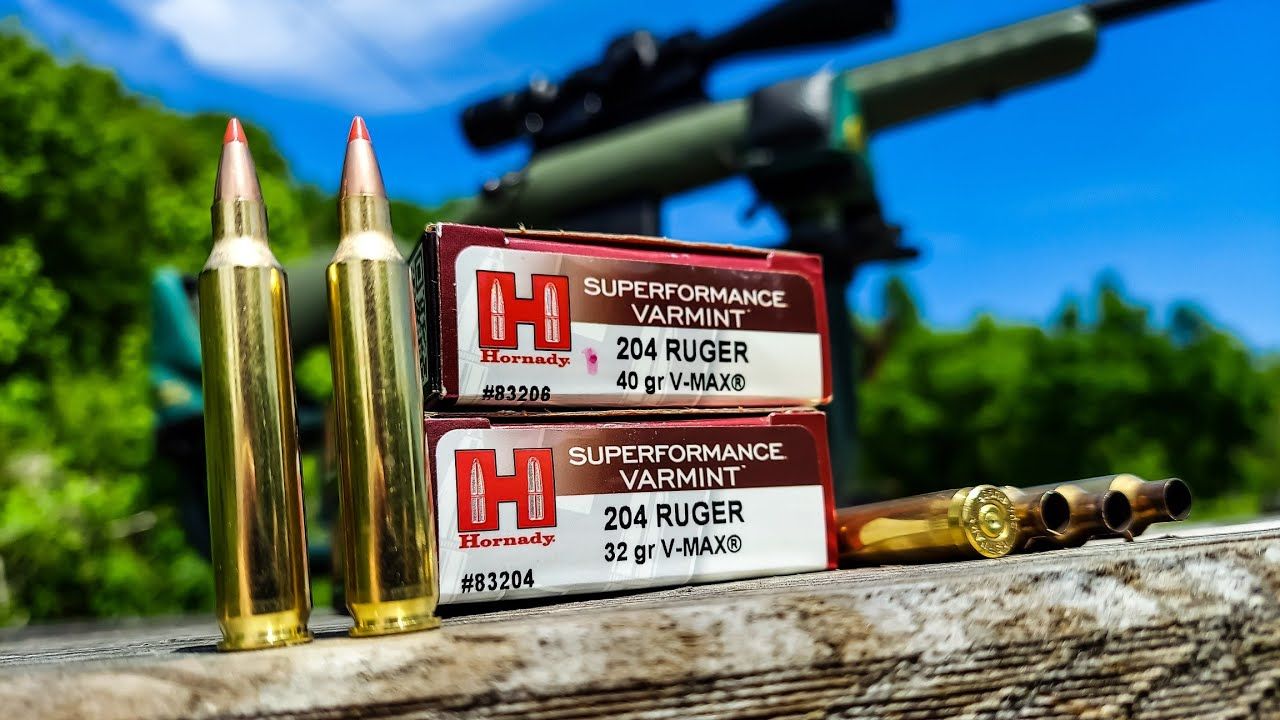
There’s really no reason to bring a .204 Ruger on a big game hunt, but it still happens. Some folks believe the velocity makes up for the tiny bullet, but guides know better. You can’t cheat physics.
The .204 is fantastic for prairie dogs and other varmints, but it’s useless when you need weight, penetration, or expansion. Even a perfectly placed shot won’t always drop a coyote where it stands. That kind of inconsistency doesn’t belong anywhere near a guided hunt. It’s a fun caliber—but leave it at home.
.45-70 Government (With Light Loads)
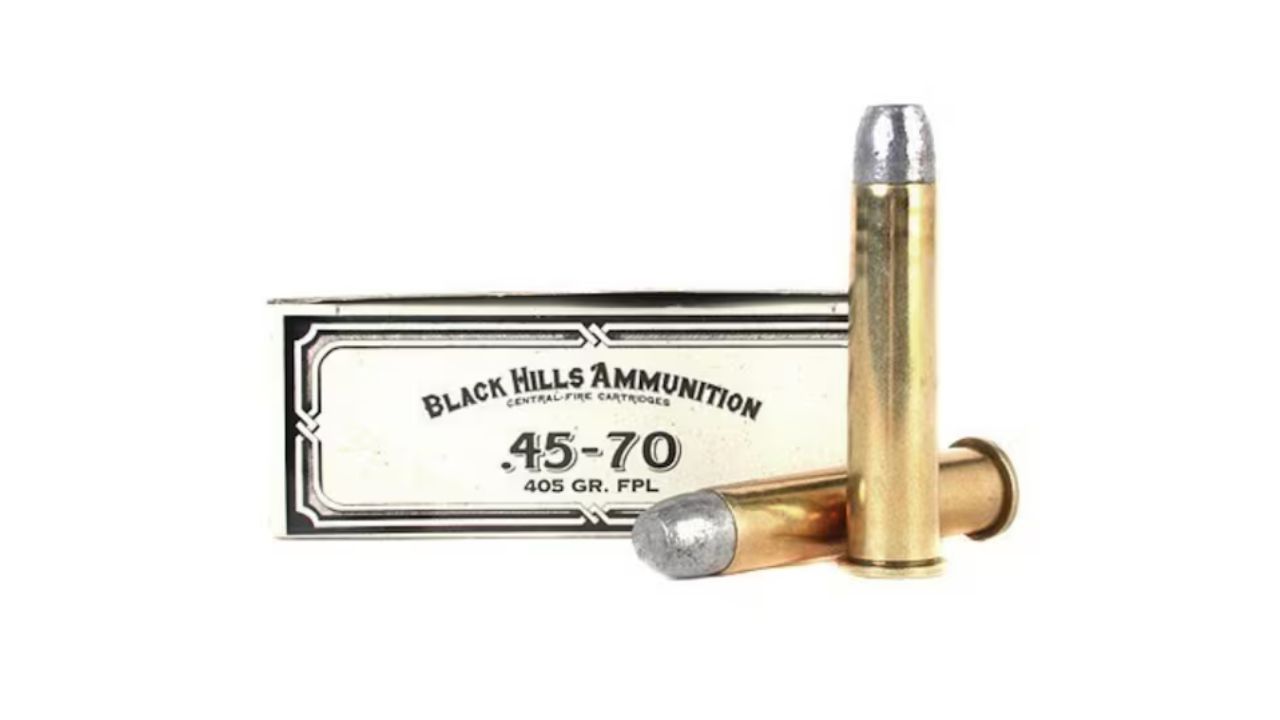
Now before you light a fire, hear me out—guides don’t hate the .45-70. They hate the way people load it. A lot of hunters bring factory cowboy loads thinking they’ve got a buffalo gun, when in reality, they’re running a low-pressure round with rainbow trajectory.
Unless you’re shooting modern hot loads through a strong action, the performance is lackluster on anything past 100 yards. Guides have seen more than one missed shot or wounded animal because the shooter didn’t know what they were working with. You can hunt with a .45-70—but do it right.
Like The Avid Outdoorsman’s content? Be sure to follow us.
Here’s more from us:
The worst deer rifles money can buy
Sidearms That Belong in the Safe — Not Your Belt
*This article was developed with AI-powered tools and has been carefully reviewed by our editors.