Photo credit: frontier.setter/YouTube
Some pistols build a following because they launch with a lot of hype behind them. Others get there slower. They spend years proving themselves through carry use, hard range time, classes, rough conditions, and plain old repetition. That second group usually earns a different kind of respect. People do not stay loyal to those guns because of marketing. They stay loyal because the pistol kept working, kept shooting well, and kept making sense long after newer options showed up.
That kind of loyalty is harder to earn and harder to fake. Usually, these are the pistols that survived criticism, changing trends, and direct comparison with whatever the market was excited about next. They won people over one owner at a time. Some started as underrated carry guns, some as service pistols, and some as range standouts that eventually became much more than that. What they share is that their reputation came from use, not noise.
Glock 26

The Glock 26 earned its following by being one of the few subcompacts that actually felt worth mastering. A lot of small pistols are easy to carry and annoying to shoot. The 26 avoided that trap better than most. It gave shooters a compact gun that still felt durable, predictable, and far more capable than its size suggested. That mattered back when a lot of deep-concealment guns were still pretty rough around the edges.
Its loyal crowd grew because the gun kept holding up under real carry and real practice. Owners figured out they could use larger magazines, trust the reliability, and shoot it better than many people expected. It never needed to be flashy. It simply kept proving that a small pistol did not have to feel temporary or second-rate. That is the kind of thing shooters remember.
SIG Sauer P229
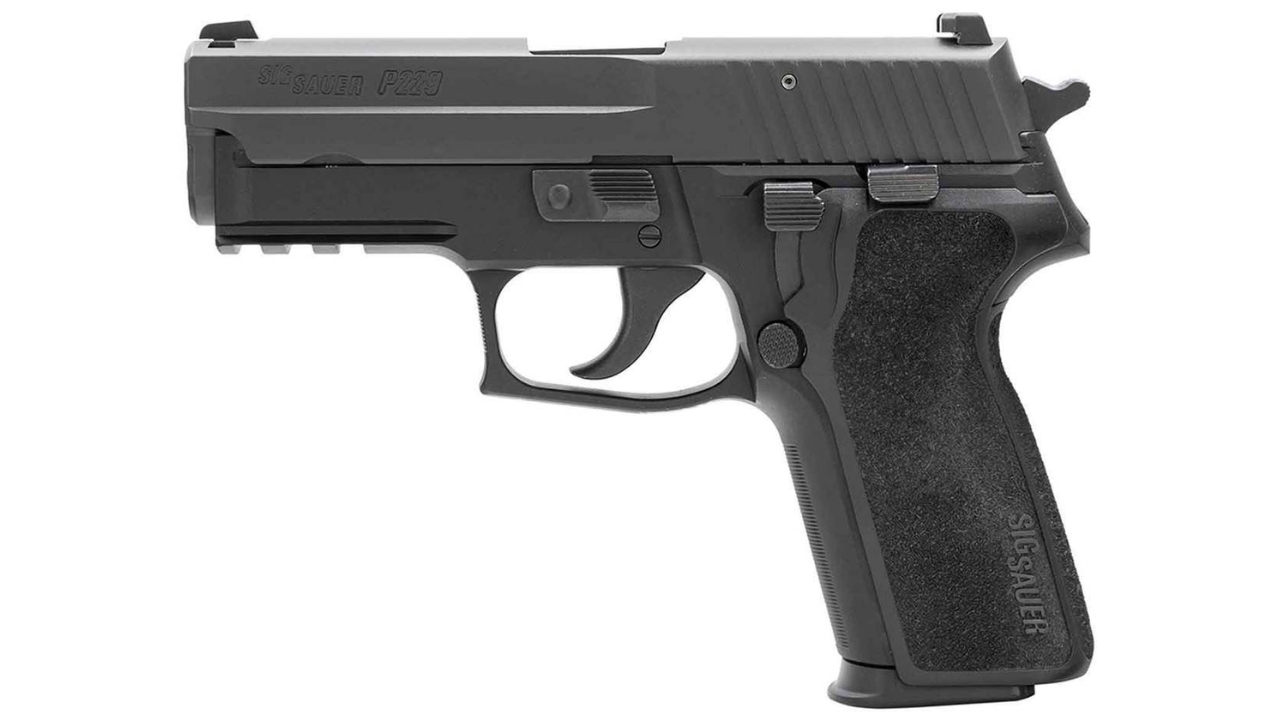
The P229 earned loyalty the slow, old-fashioned way. It felt solid, shot well, and held up under serious use without begging for attention. This was not a pistol that relied on novelty. It got respect because it felt like a real duty gun in the hand, with enough weight to shoot comfortably and enough quality to make owners feel like they bought something meant to last. For a lot of shooters, that still matters.
It also built loyalty because it aged well. Plenty of pistols seem impressive at first and lose appeal later. The P229 often does the opposite. Once owners learn the trigger system and spend time with it, they tend to appreciate it more. That creates the kind of following that does not disappear when the market shifts. It stays rooted in experience.
CZ P-01

The CZ P-01 earned its following by doing practical things unusually well. It is compact, reliable, easy to carry, and still shoots like a bigger gun than you expect. A lot of pistols claim that balance. The P-01 actually delivers it. Shooters who spend time with one usually notice quickly that the ergonomics are excellent and the pistol feels settled in the hand instead of nervous or snappy.
Its reputation kept growing because owners did not outgrow it. What starts as a carry gun often turns into a favorite overall handgun. That is not easy to pull off. The P-01 built loyalty through use because it kept showing people that compact did not have to mean compromised. Once that lesson sinks in, it tends to hang on.
Beretta PX4 Storm Compact

The PX4 Storm Compact earned a following partly because many shooters underestimated it at first. It did not always get the same attention as other carry and duty pistols, but the people who actually bought one often came away impressed. The rotating barrel system gave it a softer, flatter feel than expected, and the gun developed a reputation for being more shootable than its image suggested.
That is often how loyal followings form. A gun gets overlooked, then wins people over through performance. The PX4 Compact kept doing that. It proved practical, dependable, and comfortable enough that owners started recommending it to other shooters who were tired of buying into hype. Once a pistol becomes the one people quietly tell their friends not to overlook, it is on the right track.
Smith & Wesson M&P 9 2.0

The M&P 9 2.0 earned its following because Smith & Wesson kept improving a platform that already had solid real-world appeal. The original M&P had fans, but the 2.0 tightened things up in ways shooters actually cared about. Better texture, a stronger trigger feel, and a more planted shooting experience helped turn it from a respected option into a pistol many owners became genuinely loyal to.
That loyalty did not come from hype alone. It came from the fact that the gun felt good in the hand, stayed reliable, and worked across carry, home defense, and training use without much drama. A lot of shooters found they shot it better than expected and trusted it more as time went on. That is how a following gets earned the hard way.
HK USP Compact
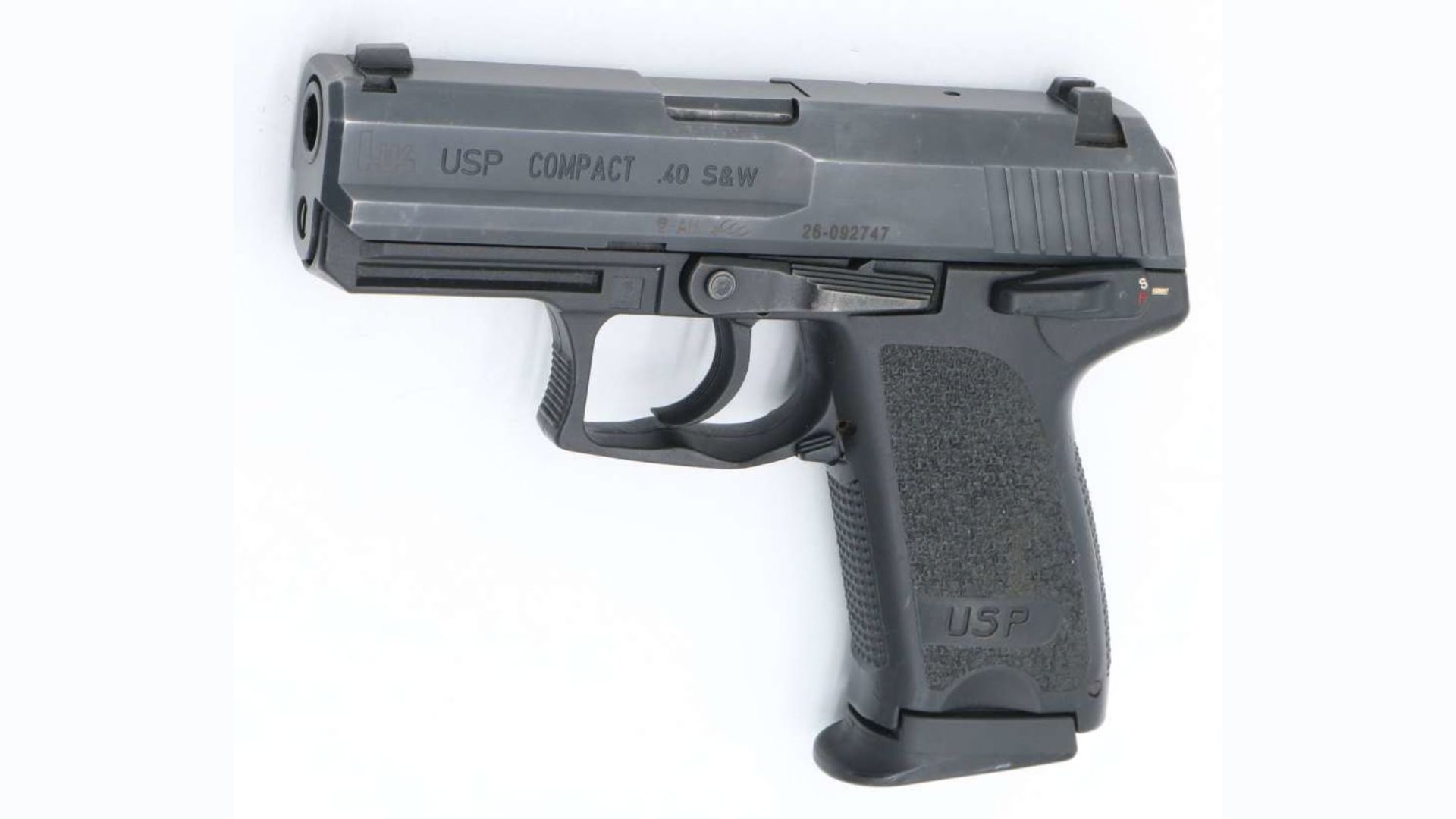
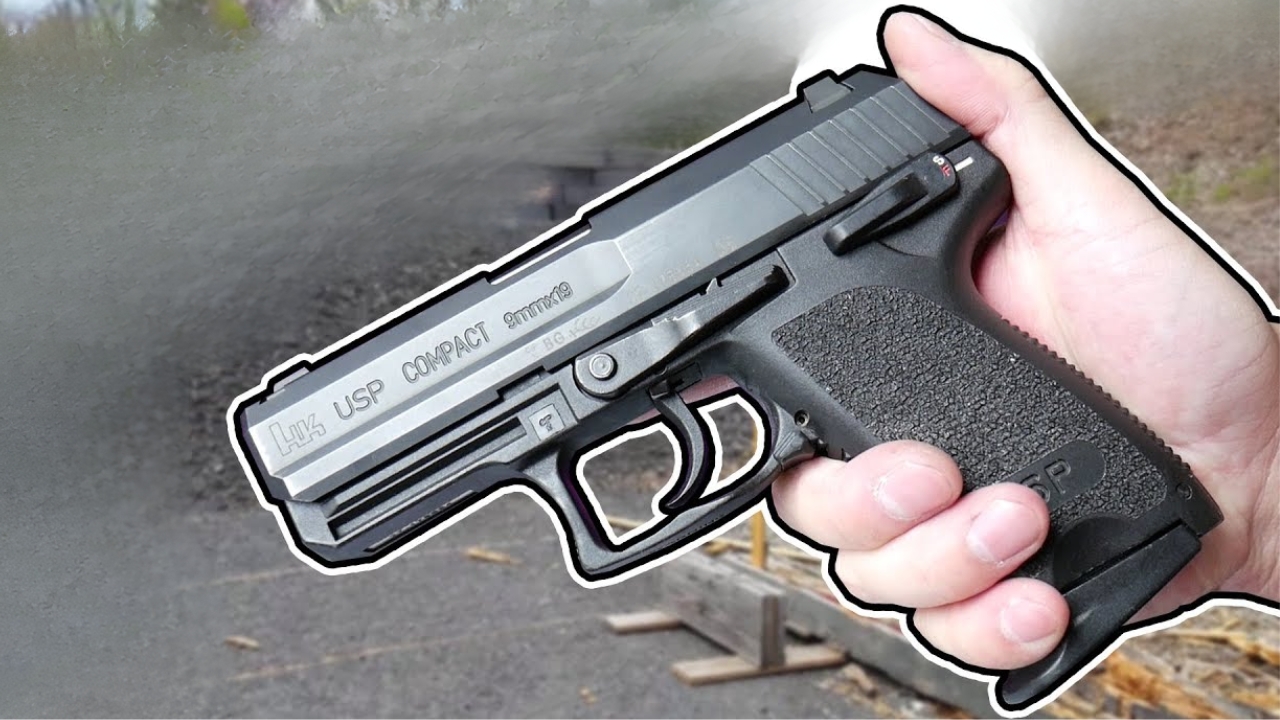
The USP Compact earned its following by being built like it expected rough treatment. It developed a reputation for durability early, and that reputation stuck because owners kept seeing the same thing: the gun worked. It was not trying to win any beauty contest, and it was never the cheapest option on the shelf, but it carried a kind of overbuilt confidence that people respected.
That matters because shooters who spend a lot of time around pistols tend to notice which guns feel engineered for hard use and which ones feel optimized for first impressions. The USP Compact stayed relevant because it belonged in the first group. Once someone owned one and got familiar with it, they often understood exactly why it had such a stubborn, lasting fan base.
Walther PPQ M2

The PPQ M2 earned its following because it made a lot of shooters realize how much easier a striker-fired pistol could be to shoot well. The trigger got plenty of praise, but that was only part of the story. The ergonomics, recoil control, and overall ease of use helped it stand out in a crowded market. It felt like a gun designed by people who actually cared how it behaved on the range.
That translated into loyalty because the performance was not imaginary. Owners took them to the range, shot them hard, and kept coming away with the same impression. The pistol was simply good to shoot. That is a strong foundation for any long-term following. Even after newer models arrived, the PPQ kept the respect of shooters who knew exactly why they liked it.
Springfield Armory TRP
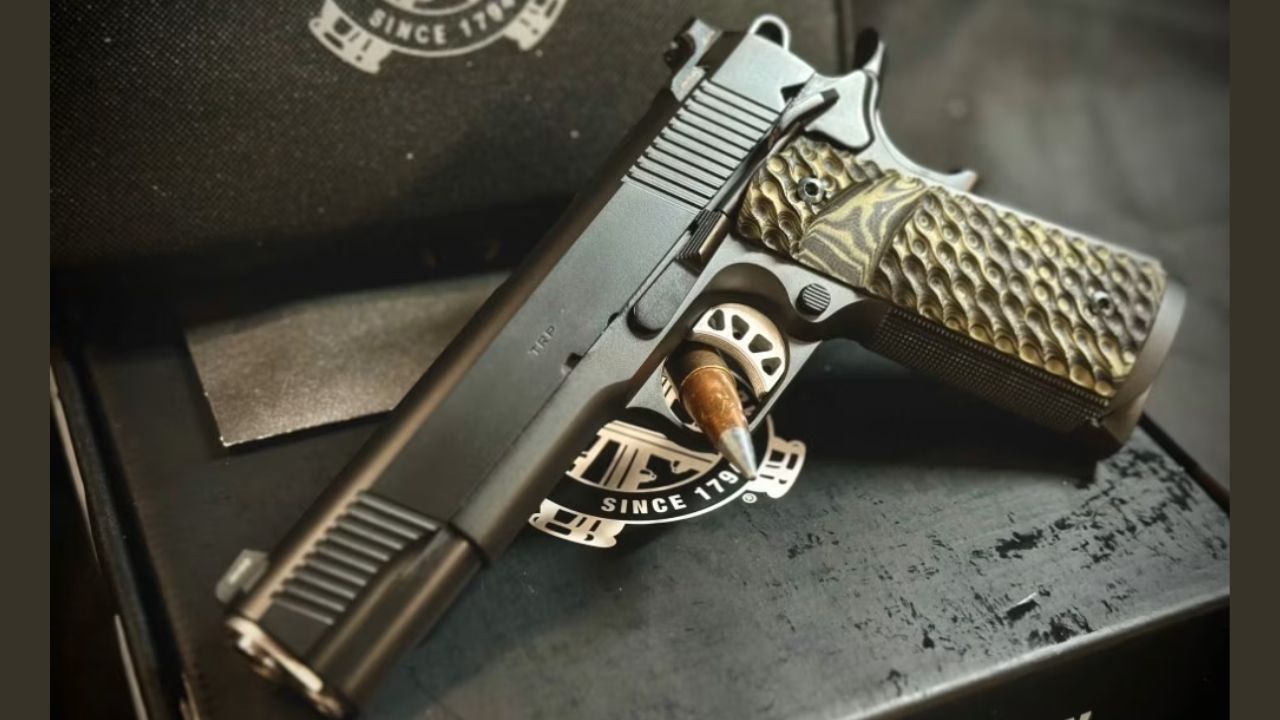
The Springfield TRP earned its following by being the kind of 1911 that felt ready for serious use instead of casual admiration. A lot of shooters love the idea of a 1911 until ownership gets complicated. The TRP helped win people over because it delivered the trigger, feel, and accuracy they wanted from the platform while also feeling like a gun that could take real work.
That matters in the 1911 world more than people admit. Loyal followings do not come from polish alone. They come from pistols that keep performing when expectations are high. The TRP built that kind of loyalty by being satisfying on the range and trustworthy enough that owners kept it in serious rotation instead of treating it like a safe ornament.
Browning Hi Power

The Hi Power earned its following by continuing to feel right even as the handgun market kept changing around it. It was not a gun that needed to dominate every modern category to build loyalty. It had balance, a great grip shape, and a shooting feel that kept winning people over generation after generation. Some pistols stay respected mostly through history. The Hi Power earned more than that.
Its following came from people who actually shot them and understood why the design lasted. It feels alive in the hand, and that is something many shooters still care about. Even as newer guns offered more capacity, lighter frames, or simpler operating systems, the Hi Power kept attracting loyal owners because it still delivered a shooting experience people found hard to replace.
Canik TP9 SF
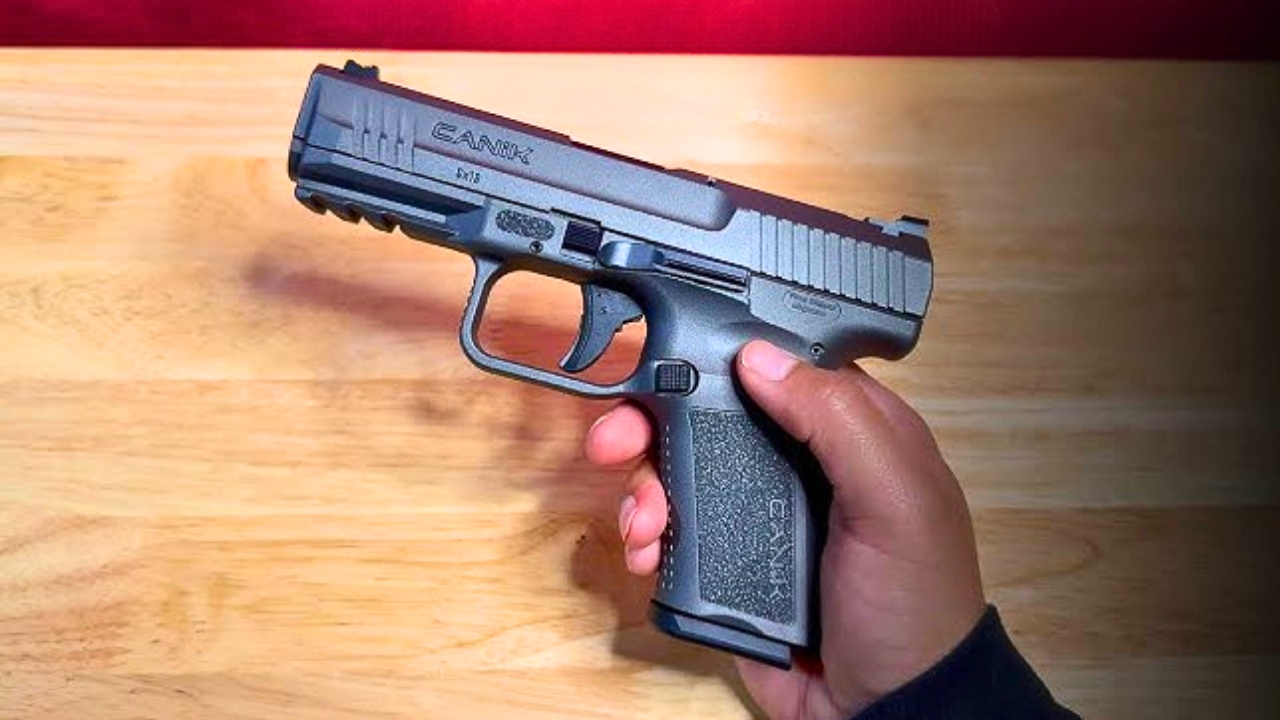
The TP9 SF earned loyalty because it surprised people and then kept backing it up. Many owners came in expecting decent value and ended up with a pistol they genuinely enjoyed shooting. The trigger was a big reason, but it was not the whole reason. The gun also felt practical, reliable, and capable enough that people stopped thinking of it as merely a budget-friendly option.
That matters because shooters can tell the difference between cheap and worthwhile. The TP9 SF built its following by proving it belonged in the second category. It kept showing owners that lower cost did not have to mean low confidence, and that kind of experience creates real loyalty fast. Once a pistol exceeds expectations often enough, people remember it.
Ruger SP101

The SP101 earned its following by being a tough little revolver that people trusted to hold together and keep working. It was never the lightest or the slickest option, but it had a reputation for durability that mattered to people who actually carried and shot revolvers. There is something about a compact revolver that feels truly solid that creates trust in a hurry.
Its loyal fan base grew because it proved useful in more than one role. It could be a carry gun, a trail gun, or a steady range revolver for shooters who liked the format. It also rewarded long-term ownership. People who lived with one learned its strengths and appreciated its toughness more over time. That is the kind of following you earn by lasting.
FN 509

The FN 509 earned its following because it felt built for serious use from the start. It was not trying to charm people with gimmicks. It was trying to offer a rugged, capable service-style pistol that could take hard use and keep going. Shooters who spent real time with it often came away appreciating that no-nonsense character more than they expected.
That loyalty built slowly, which usually makes it stronger. The 509 did not need to dominate every headline. It needed to prove itself in holsters, on ranges, and in the hands of owners who valued reliability over novelty. Once it did that, it started building the kind of following that sticks because it came from earned trust.
Colt Defender
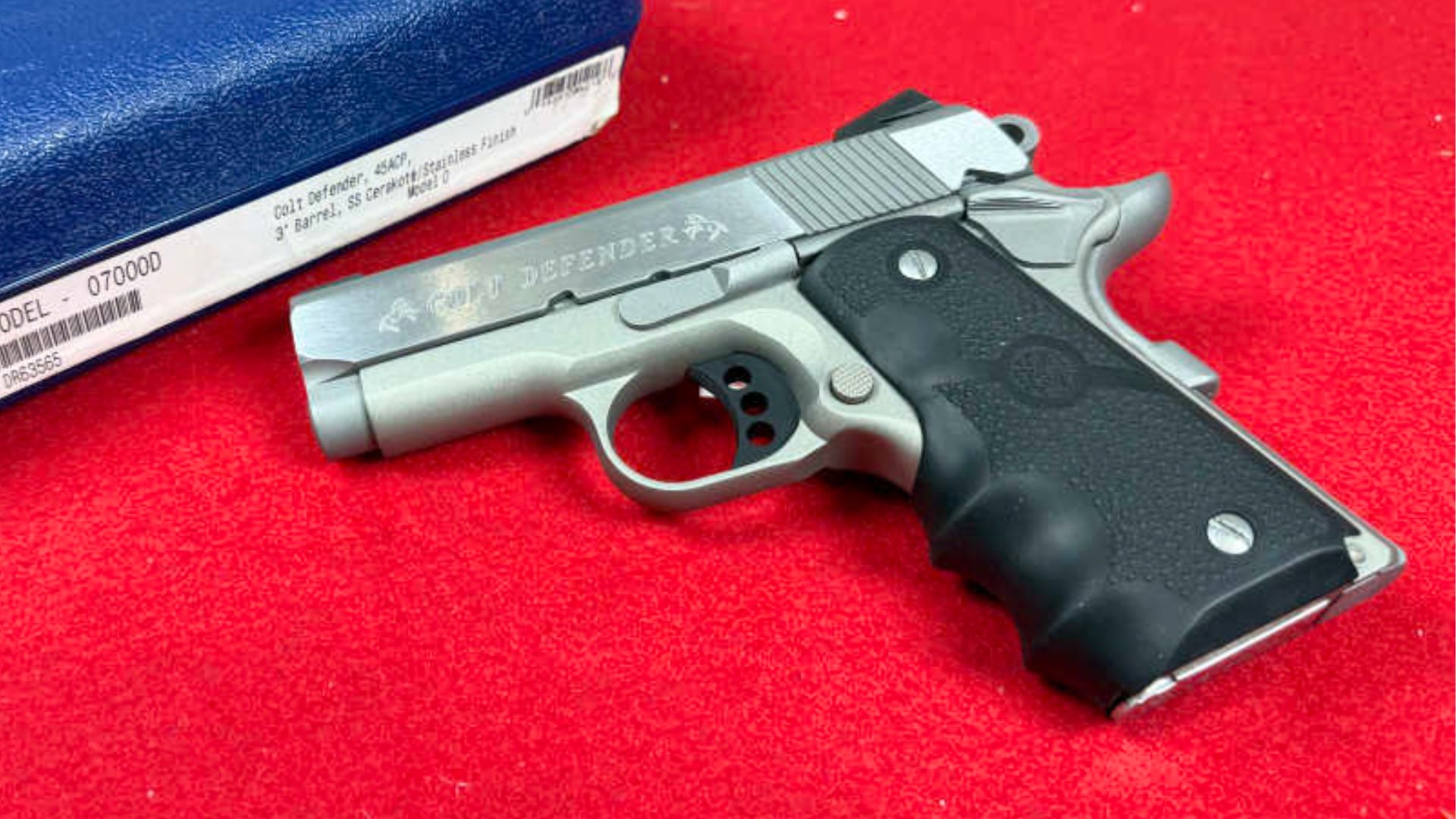
The Colt Defender earned its following by making the compact 1911 idea feel more practical than a lot of shooters expected. A short 1911 always carries certain questions with it, but the Defender kept attracting owners who wanted the platform in a size they could realistically carry. When the gun ran well, it created a kind of personal loyalty that is common with pistols people actually live with every day.
That personal connection matters. Compact carry pistols often come and go, but the ones that fit someone’s habits and style closely tend to stay. The Defender earned its following by being one of those pistols that owners got attached to through use, not theory. Once that happens, it becomes hard to replace with something more generic.
HK P30
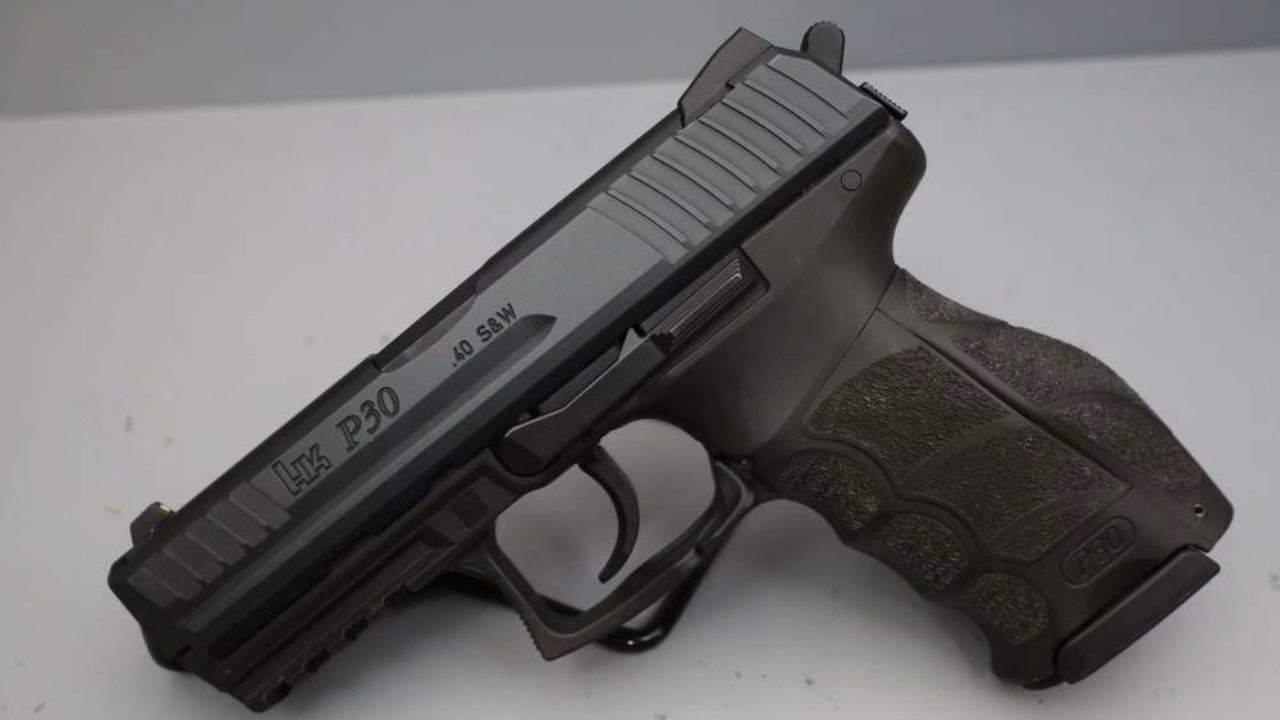
The P30 earned its following by being one of those pistols that made more sense the longer owners had it. The grip design is excellent, the durability reputation is strong, and the gun carries a certain feeling of careful engineering that experienced shooters tend to appreciate. It did not always grab people instantly the way some striker guns do, but it often won them over over time.
That slower burn is part of why the loyalty runs deep. Owners who put in the time with a P30 usually feel like they actually learned the pistol rather than merely tried it. When that learning pays off in dependable performance and consistent handling, the bond gets stronger. Those are the pistols people stay loyal to for years.
Smith & Wesson 5906
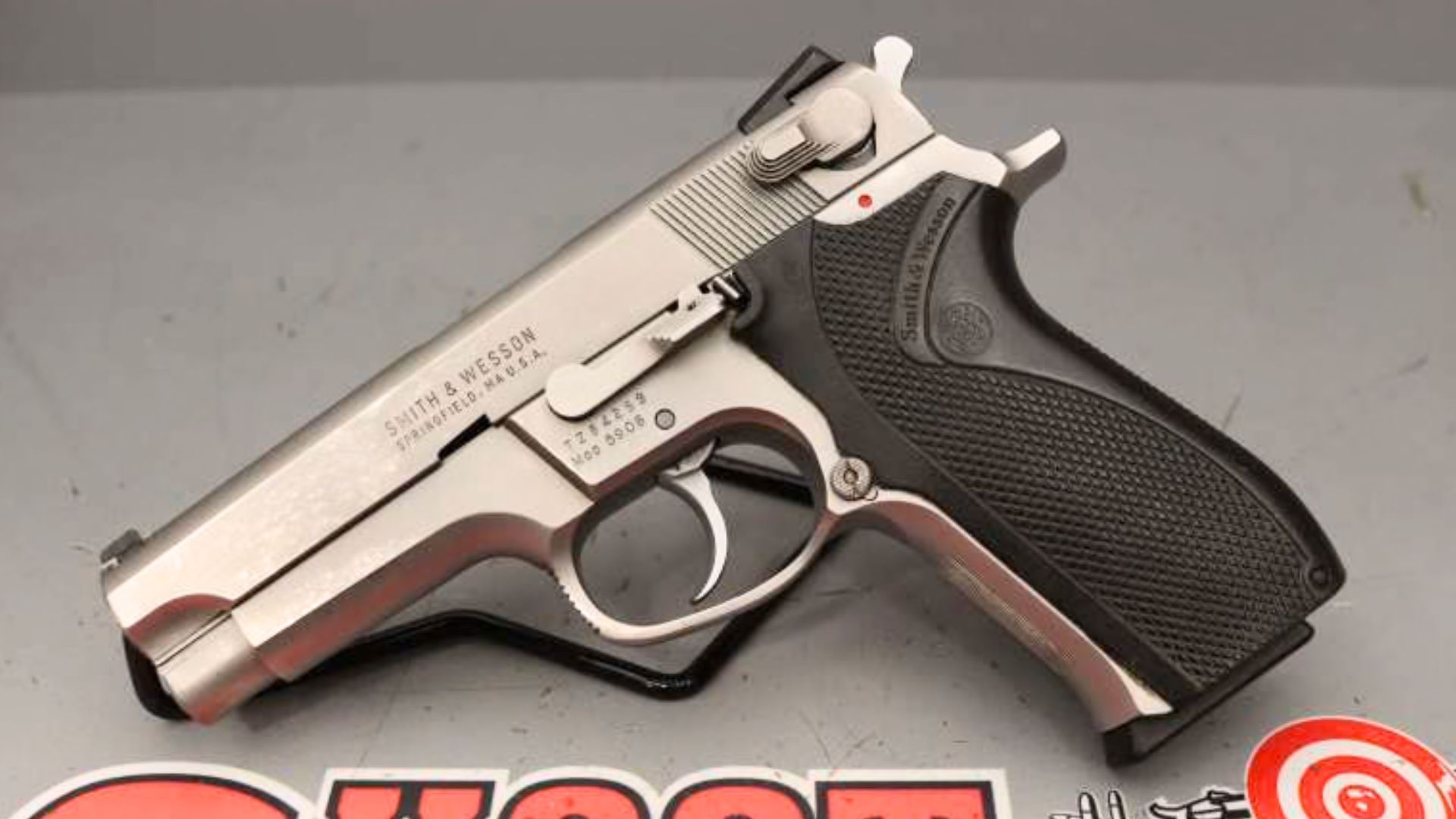
The 5906 earned its following by being a heavy, durable, all-steel service pistol that kept doing its job without much fuss. It was not light, and it was not sleek by modern standards, but it felt like it could survive just about anything. That kind of rugged practicality matters to shooters who value substance over style.
Its loyal fan base came from real use and long-term trust. People who owned one understood that it was not trendy, but it did not need to be. It was dependable, steady, and satisfying in a way many older service pistols still are. That is a strong recipe for a loyal following, especially among shooters who have seen plenty of newer guns come and go.
Staccato P

The Staccato P earned its following the hard way by having to prove it was more than an expensive pistol with a polished reputation. Plenty of shooters are skeptical of premium handguns until they spend real time with one, and that is where the Staccato P started winning people over. It shoots flat, runs fast, and delivers the kind of trigger and control that experienced shooters notice immediately.
That alone would not be enough if the gun did not hold up under real use. The reason the following stuck is that owners found the performance was not inflated. It was real. Once a pistol proves that its cost is tied to actual results instead of image alone, loyalty starts to build. That is exactly what happened here.
Like The Avid Outdoorsman’s content? Subscribe to our newsletter so you never miss an article.
Here’s more from us: