Photo credit: guruXOX/Shutterstock.com
A handgun’s reliability often comes down to how well it cycles ammunition—and some models simply don’t handle today’s hotter, higher-pressure, or hollow-point loads. Modern defensive ammo is loaded differently than the ball rounds these guns were originally built around. That means feed ramps, recoil springs, and even magazine angles can cause all sorts of malfunctions. Sometimes, the pistol feels great in the hand but turns into a jam machine as soon as you try modern defensive cartridges.
Older designs and cheaper imports tend to struggle most, especially when tolerances are tight or recoil systems weren’t meant for +P pressures. Whether it’s stovepipes, failures to feed, or slides that won’t lock back, a gun that can’t cycle cleanly isn’t one you want to bet your life on. These handguns may have a place at the range or in a collection, but they’re frustrating reminders that not every pistol keeps up with modern ammunition.
Colt 1911 (GI and Older Clones)

The original GI-style 1911 was designed for 230-grain hardball ammo—nothing else. Feed ramps, magazines, and recoil springs were all tuned for round-nose loads at standard pressure. When you try to run modern hollow-points or lightweight +P ammunition, the old guns start choking. You’ll see nose-dives, failures to return to battery, and three-point jams that stop the slide cold.
Modern 1911s from Kimber, Springfield, and Wilson Combat have solved most of this with improved throating and polished feed ramps, but those old GI-style guns or budget imports still struggle. Unless you modify the ramp and install stronger springs, they simply won’t handle modern ammo. For range use, they’re fine. For carry or defense, they’re too temperamental to trust. It’s a design that’s timeless in look—but not in feeding reliability with today’s loads.
Makarov PM

The Makarov is a reliable pistol—when fed the ammunition it was built for. It’s chambered in 9x18mm Makarov, a slightly lower-pressure round than modern 9mm Luger. If you try running modern defensive loads or hotter European imports, the slide speed increases and the blowback system can’t handle it cleanly. The result is ejection issues and premature wear on the frame and slide rails.
While the Makarov has a reputation for reliability with surplus ammo, it’s not designed for modern hollow-points. The feed ramp is too steep, and the single-stack magazine doesn’t present rounds at an angle suited for wider bullet profiles. Unless you modify the feed ramp or stick to FMJ, you’ll be fighting constant hang-ups. It’s a durable pistol, but one built for a specific time—and a very specific load.
Walther PPK

The Walther PPK earned fame as Bond’s pistol of choice, but it’s a finicky feeder in real life. Its direct-blowback design makes it sensitive to both underpowered and overpowered ammo. Modern defensive .380 loads often run too hot for the slide mass and recoil spring, causing failures to eject or excessive battering of the frame.
On the flip side, lighter practice loads can fail to cycle the slide fully, especially in older models. Hollow-points are another issue—many PPKs don’t feed them well without ramp polishing. For such an iconic handgun, it’s picky and unforgiving. If you stick to ball ammo, it runs fine, but modern +P or wide-nose bullets will have you clearing jams every few magazines. It’s elegant, but it’s not a gun you trust for reliability in the modern ammo era.
Colt Mustang

The Colt Mustang is a small 1911-style .380 that looks great on paper but suffers from cycling issues with modern loads. The short slide and lightweight frame make it extremely sensitive to bullet shape and pressure. Standard FMJ runs decently, but hollow-points often nose-dive into the feed ramp or fail to chamber completely.
Because it’s a blowback-operated design with limited slide travel, any variation in ammunition length or case pressure can cause malfunctions. The recoil spring setup also tends to lose tension quickly, making the gun more unreliable over time. While Colt’s later Mustang Pocketlite versions improved on this, early Mustangs earned a reputation for choking on anything other than round-nose ammo. It’s a pistol that looks refined, but it wasn’t engineered for the hotter, wider, and more aggressive defensive loads we use today.
Star Model B

The Spanish-made Star Model B looks like a 1911 and even feels like one—but it’s not. It’s a 9mm pistol with internal dimensions built around older European ball ammunition. Modern 9mm loads, especially hollow-points, don’t feed reliably. The feed ramp geometry and magazine angle were never meant for wide-mouth bullets, and even minor differences in case pressure can throw off the recoil cycle.
The Model B’s steel frame and smooth trigger make it enjoyable to shoot, but reliability becomes a problem with today’s ammo. You’ll see stovepipes, double feeds, and failures to lock back after the last round. Many owners find that only 115-grain FMJ at standard pressure runs well. Anything hotter or differently shaped tends to cause headaches. It’s a charming old warhorse, but it doesn’t play well with modern 9mm offerings.
Llama IX-A

The Llama IX-A was Spain’s budget attempt at a .45 ACP 1911, and while it mimicked the look, it missed the reliability. Tolerances were looser, materials softer, and feed ramps poorly polished. When you run modern hollow-points or +P loads through it, the gun often fails to feed or extract cleanly. The slide speed becomes erratic, and the recoil spring simply can’t handle higher pressures.
Even standard ball ammo can cause stovepipes once the gun heats up. The Llama was never designed for consistency—it was designed for affordability. Modern ammo highlights every shortcut that was made. Some shooters have tuned them into reliable range guns, but stock examples struggle badly with today’s defensive loads. It’s more of a collector’s curiosity than a dependable shooter.
SIG P230

The SIG P230, and its successor the P232, are sleek .380 ACP pistols that feel fantastic in the hand. Unfortunately, they’re direct-blowback designs that don’t tolerate variation in ammunition well. Modern +P loads or high-velocity defensive ammo can cause the slide to cycle too quickly, leading to failures to eject or cracked frames over time.
The feed ramp is also a sticking point—wide hollow-points often hang up halfway into the chamber. Standard FMJ runs smooth as butter, but anything modern and aggressive in bullet design causes problems. It’s a classy European pistol built for old-school ball ammunition, not modern American carry loads. Most shooters who still carry them have learned to stick with mild, round-nose ammo to keep them running reliably.
Tokarev TT-33 Clones

The Tokarev TT-33 and its surplus clones were built around the 7.62x25mm cartridge, which operates at pressures modern pistol designs rarely see. When people convert them to 9mm, the cycling goes south fast. The feed ramp angle and magazine geometry simply aren’t suited for 9mm rounds, and the recoil spring setup doesn’t balance with the lighter bullet weight or lower pressure.
Even in original calibers, modern defensive loads tend to run too hot, leading to erratic ejection and slide battering. The TT-33 is a rugged old design, but it’s extremely ammo-sensitive. Unless you’re using surplus-spec rounds, reliability falls apart quickly. It’s a fun piece of history, but not something that cycles smoothly with the modern loads you’ll find at the local shop.
CZ 52
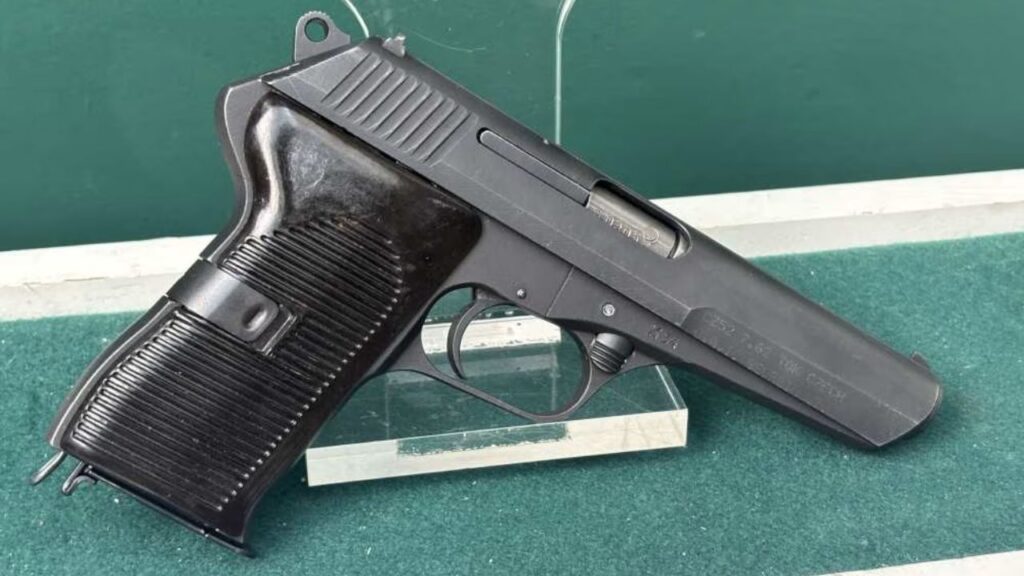
The CZ 52 was built for the high-pressure 7.62x25mm Tokarev cartridge, but not for the modern hot-rodded versions of it. Many shooters who use imported surplus or new-manufacture defensive ammo find that the roller-locked action cycles too violently, causing case ruptures or slide peening. Others experience failures to extract when using lower-pressure reloads.
This pistol’s design is notoriously sensitive to ammunition power. Too weak, and it short-strokes; too strong, and it batters itself apart. The result is a finicky gun that only runs well with the exact military loads it was designed for. Try to feed it modern hollow-points or commercial Tokarev loads, and you’re likely to spend more time clearing jams than shooting groups.
Astra A-75

The Astra A-75 was a Spanish compact 9mm built to compete with SIGs and Berettas, but it never quite pulled it off. The short slide and heavy DA/SA mechanism make it extremely sensitive to ammunition pressure. Light target loads often fail to cycle completely, and hollow-points tend to nose-dive into the feed ramp.
Because it was made with tight tolerances but inconsistent machining, every gun behaves differently. Some run fine with standard-pressure FMJ, while others jam every third round. When you throw in modern defensive ammo with hotter loads or larger bullets, things fall apart fast. The A-75 was ahead of its time in concept but too inconsistent to handle today’s ammo standards.
AMT Backup (.380 and .45)

The AMT Backup line is one of those handguns that looks handy but quickly proves frustrating. In .380 ACP, the tiny straight-blowback action struggles with the recoil impulse of hotter defensive rounds, often failing to eject or double-feeding. In .45 ACP, the opposite happens—weak practice ammo won’t cycle the heavy slide at all.
The Backup’s stiff trigger and limited slide travel make it unforgiving of any ammo variation. Modern hollow-points often catch on the feed ramp or stick before chambering. Even with careful ammo selection, these pistols rarely run through a full magazine without a hiccup. They’re pocket-sized tanks, but tanks that jam when you need them to run clean.
Beretta Tomcat (.32 ACP)

The Beretta Tomcat is compact and charming, but modern .32 ACP loads are tough on it. The frame can crack near the barrel pivot when using high-pressure or +P ammo. Even standard hollow-points can cause cycling problems, as the short, blowback-operated slide isn’t designed for wide-nose bullets.
Beretta even issued warnings against using hotter loads because they damage the gun over time. Feed reliability suffers with anything but traditional FMJ. The Tomcat was designed during an era of mild European ball ammo, and modern cartridges are simply too much for it. It’s a fun plinker, but if you load it with today’s hotter defensive rounds, it won’t stay reliable—or intact—for long.
*This article was developed with AI-powered tools and has been carefully reviewed by our editors.