Photo credit: milart/Shutterstock.com
Every hunter has been there—you see a caliber hyped up in ads, forums, or even at the gun counter, and you think it’ll cover everything you need. A season later, the rifle’s sitting in the back of the safe, or worse, on consignment at the local shop. Some rounds fail because they don’t deliver in the field, others because ammo is expensive or hard to find. Either way, these are the calibers many hunters swear off after giving them a fair shot.
.17 HMR in the Savage 93R17

The .17 HMR shines on paper with its flat trajectory, but hogs, coyotes, or anything bigger than a rabbit expose its limits. In a Savage 93R17, accuracy isn’t the issue—it’s terminal performance. Bullets are too light to anchor much beyond small game.
Many hunters discover this after trying to stretch the caliber past its comfort zone. One season of chasing varmints that run off after being hit is usually enough to send this rifle back to the cabinet.
.22 Hornet in the Ruger 77/22
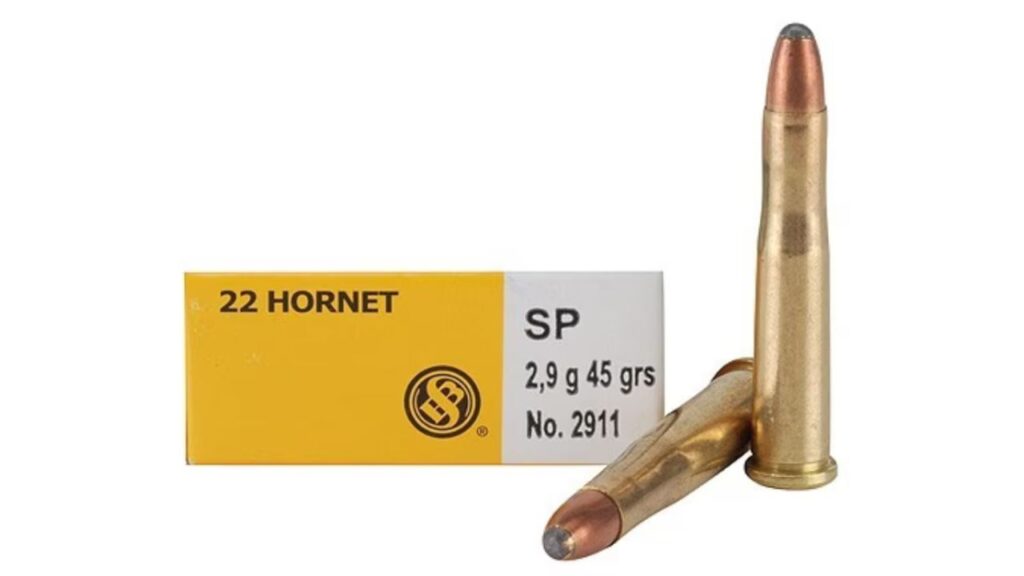
The .22 Hornet is one of those cartridges that feels nostalgic but quickly proves frustrating. In a Ruger 77/22, it delivers modest speed and accuracy, but power drops off fast. Hunters often try it on varmints or turkeys, then realize it can’t handle tougher targets.
Ammo availability doesn’t help either. It’s expensive, hard to find, and limited in load options. After a season of juggling compromises, most hunters go back to more practical rimfires or light centerfires.
.204 Ruger in the Remington 700 SPS Varmint
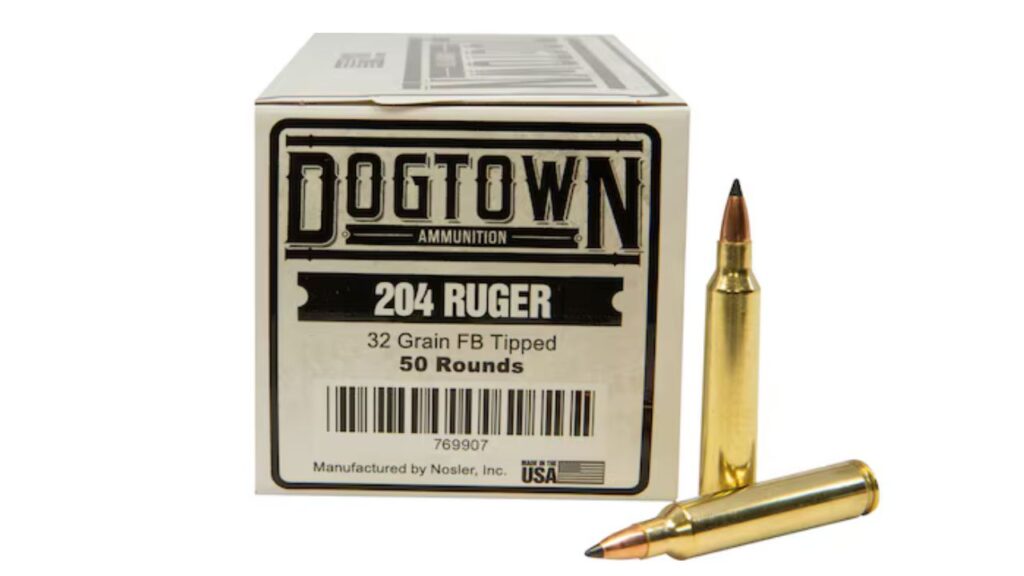
The .204 Ruger in a Remington 700 SPS is a laser beam on prairie dogs, but it falls apart on coyotes or anything heavier. The small, fast bullets often splash on bone without penetration.
Hunters buy it thinking it bridges the gap between .223 and .22-250, but after a season, most realize it’s too specialized. You’re carrying a centerfire rifle with the limitations of a rimfire in tougher situations. That’s a quick way to see it shelved.
5.45x39mm in the AK-74
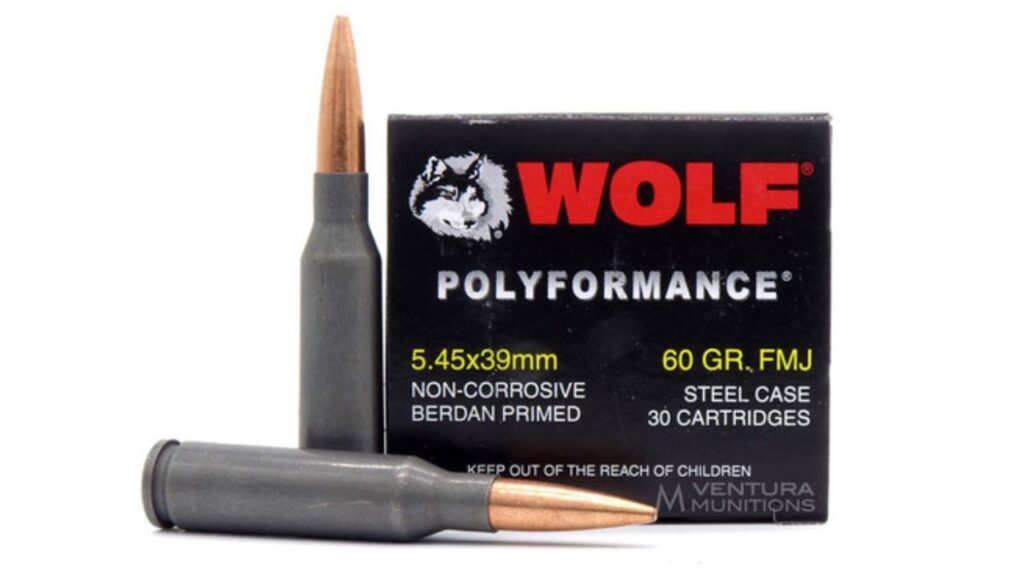
The AK-74 in 5.45x39mm is fun at the range, but hunters who try it in the field usually walk away disappointed. Designed as a military round, it lacks reliable hunting loads. Penetration is poor, and bullet construction isn’t tuned for game.
It might take down a hog with perfect placement, but the odds aren’t in your favor. Combine that with spotty ammo availability, and it’s easy to see why hunters rarely stick with it past one season.
.30 Carbine in the M1 Carbine
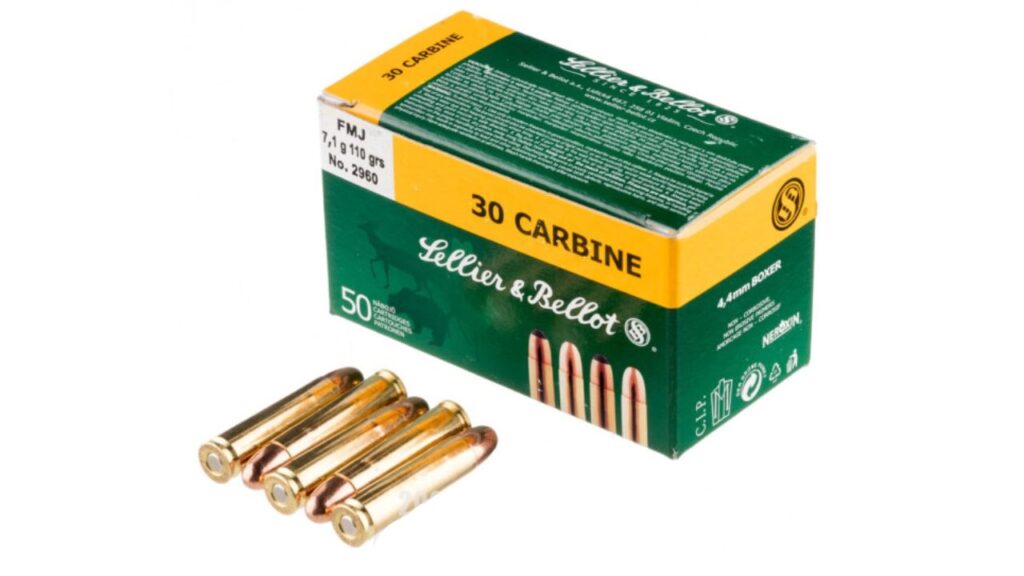
The M1 Carbine is iconic, but its .30 Carbine chambering is weak in the field. Hunters often give it a season out of nostalgia or curiosity, but energy levels and bullet design disappoint quickly.
Even with soft points, hogs and deer shrug off hits that would drop them with stronger rounds. The light recoil and handy size don’t outweigh its lack of stopping power. By season’s end, hunters usually realize it’s a poor fit for modern hunting needs.
.25-06 Remington in the Weatherby Vanguard
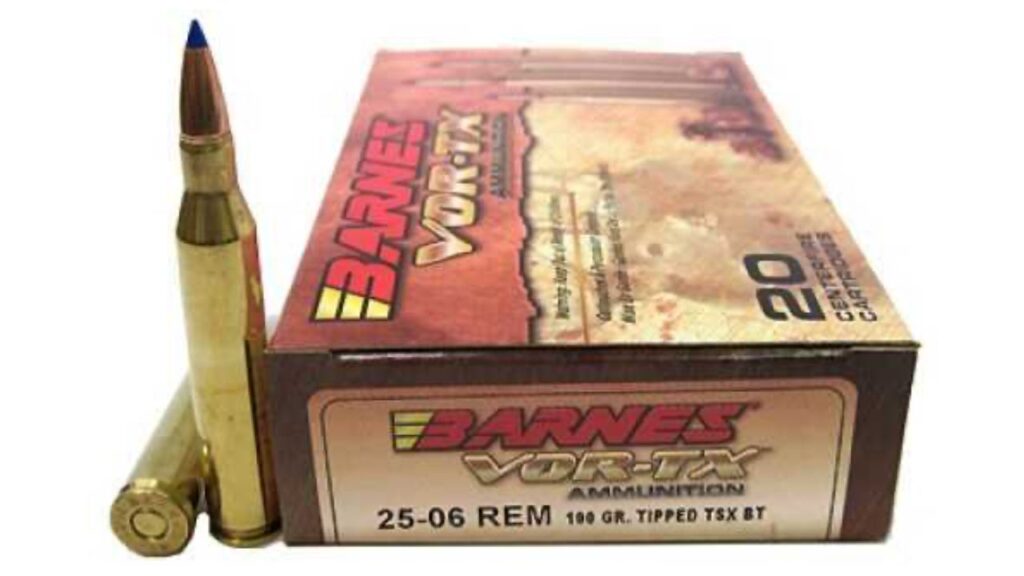
The .25-06 in a Weatherby Vanguard has long-range appeal, but recoil and barrel wear often turn hunters off fast. It kicks harder than you’d expect, yet still struggles against wind drift compared to newer 6.5mm offerings.
Ammo isn’t as common anymore, and handloading can be finicky. Hunters who try to make it their all-around rifle usually swap it out after a season, realizing it’s neither efficient nor forgiving compared to today’s mid-bore choices.
6.8 SPC in the AR platform
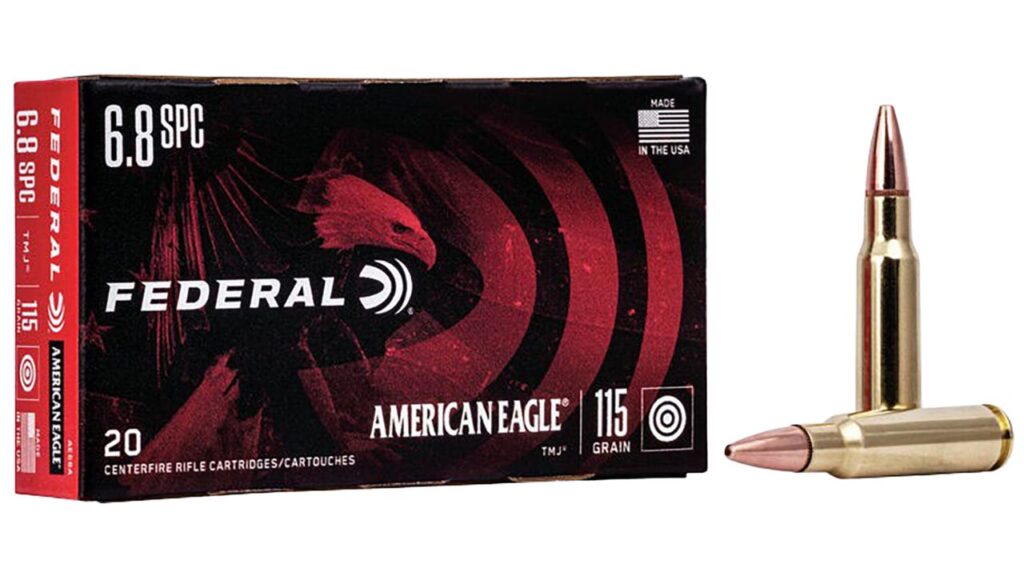
The 6.8 SPC in an AR-15 promised a perfect mix of power and lightweight carry, but reality is different. Energy is better than 5.56, but it still lags behind .308 or even newer AR cartridges.
Ammo cost and limited options drive many hunters away. After a season of short blood trails that turn into long recoveries, most realize it doesn’t do anything better than calibers already proven. It’s a round that sounds right but doesn’t deliver in practice.
.300 Blackout subsonic in the Ruger American Ranch
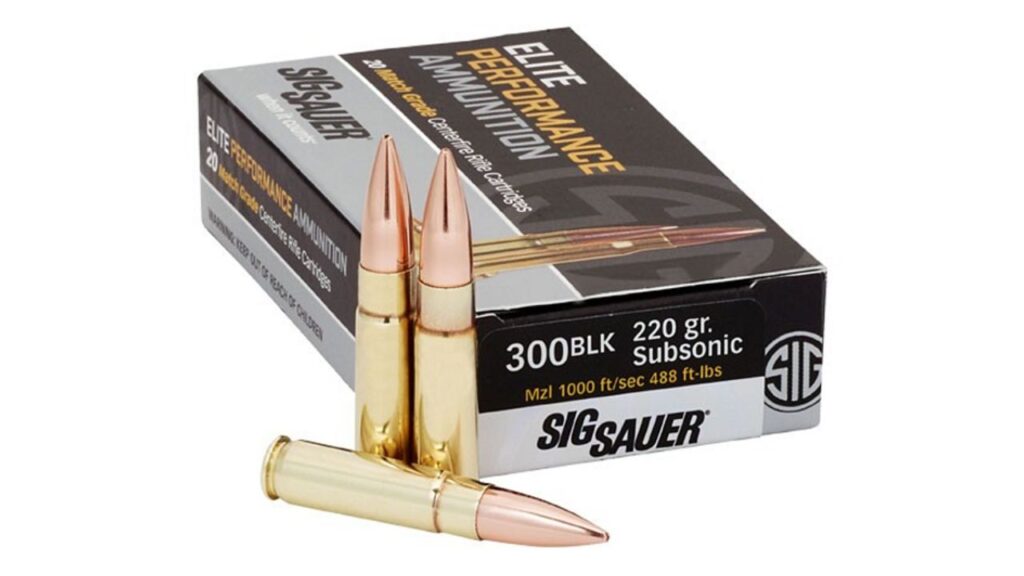
The .300 Blackout in subsonic loads, especially from rifles like the Ruger American Ranch, sells hunters on the quiet factor. But subsonics don’t hit hard enough for reliable hog or deer kills.
Supersonic loads help, but at that point, most hunters ask why they aren’t using a .308 or 7.62×39 instead. The cool factor fades once you’re tracking wounded animals through the brush. A single season usually convinces hunters to move on.
.338 Federal in the Savage Model 16
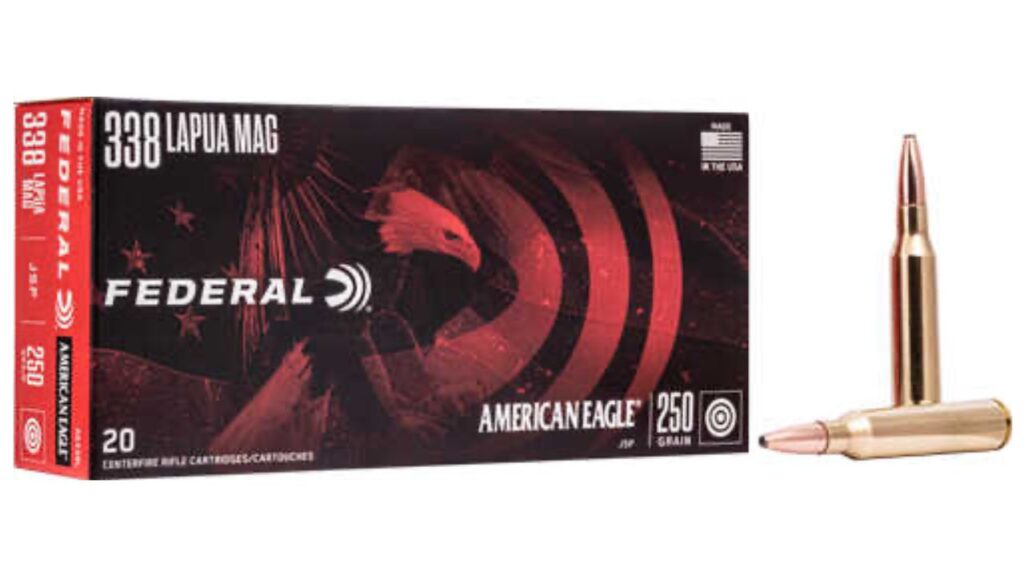
The .338 Federal in rifles like the Savage Model 16 looks perfect on paper—short action, big bullet, manageable recoil. But ammo availability and limited factory support make it a headache.
Hunters who buy in often find themselves stuck with one or two expensive load options, both of which perform inconsistently. After a season of dealing with limited range and no real advantage over .308, most hunters park it permanently.
7mm Remington Ultra Magnum in the Remington 700
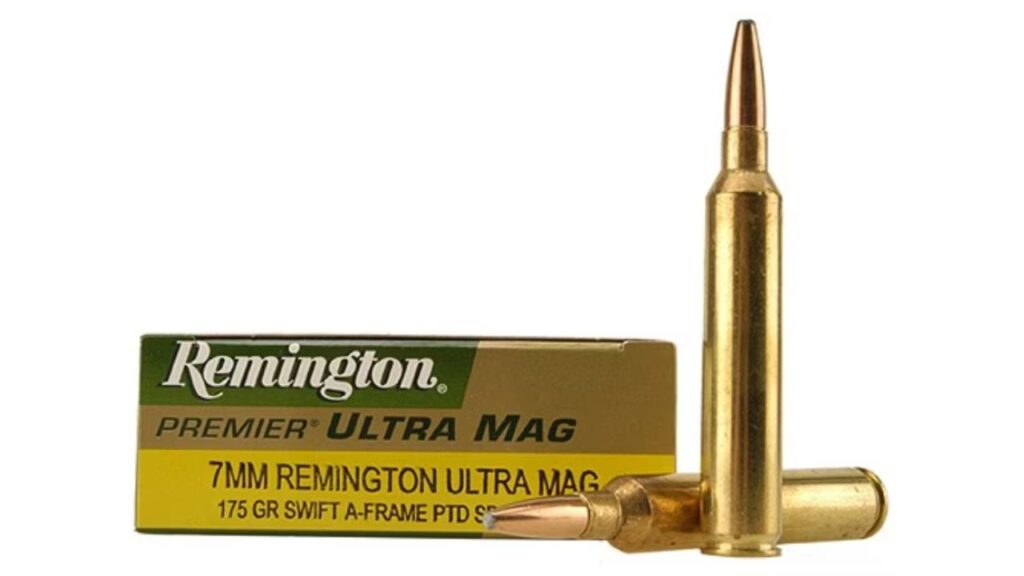
The 7mm RUM in a Remington 700 is a powerhouse, but it’s too much gun for most hunting situations. Recoil is punishing, barrels burn out fast, and ammo is expensive and scarce.
Hunters often try it for long-range elk or western hunts, only to realize it’s impractical for everyday use. A season of sore shoulders and blown groups at the bench usually ends with it being traded for a more balanced 7mm or .300 magnum.
*This article was developed with AI-powered tools and has been carefully reviewed by our editors.