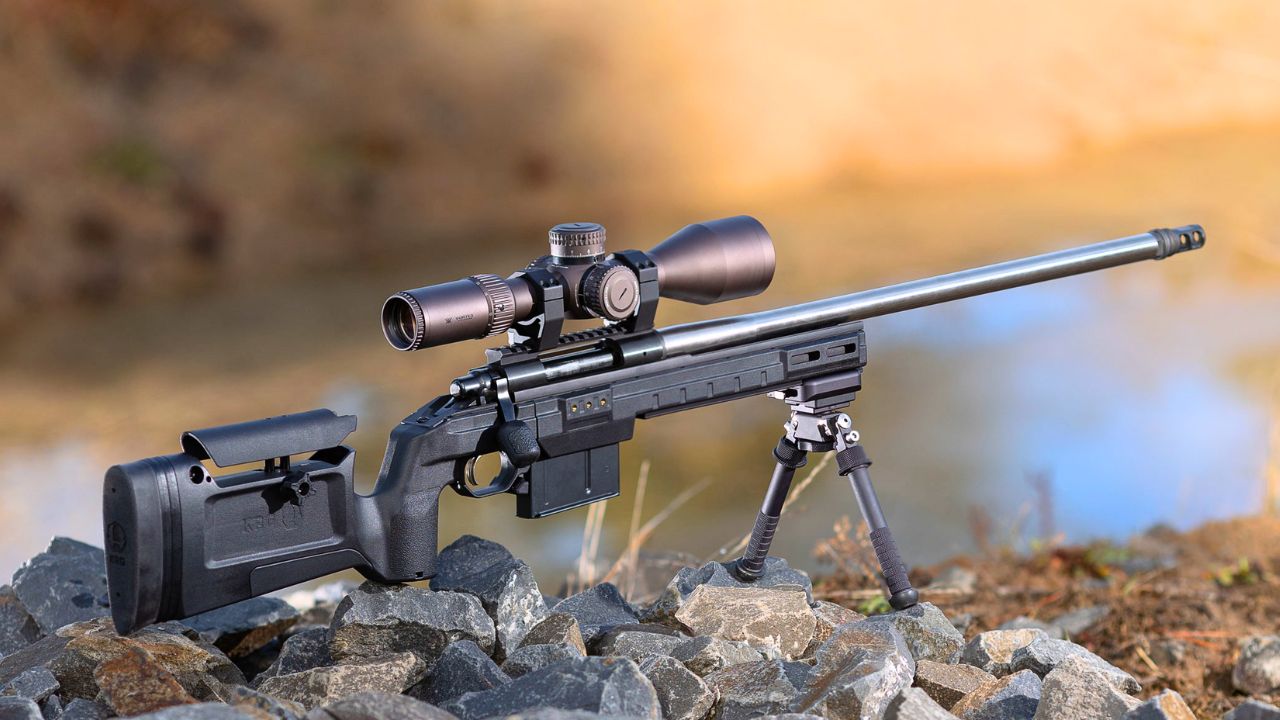
Photo credit: Kinetic Research Group
Sometimes a rifle impresses you on paper long before you ever sling it over your shoulder. Big barrels, long actions, thick stocks, and oversized scopes all sound great until you’re halfway up a ridge wondering why you brought a setup that belongs in a varmint field — not on a mountain.
Plenty of rifles shoot well, but the moment you actually carry them, the weight becomes the story. When a rifle slows you down more than it helps you, it stops being practical no matter how tight it prints groups.
Ruger Hawkeye Long-Range Target

The Hawkeye LRT shoots incredibly well, but it’s built like a competition rifle. You notice its weight the second you lift it. That heavy stock and thick barrel make sense at a match, but once you’re covering distance, the bulk works against you. You end up planning routes around how much ground you can cover rather than where the animals are moving. It’s a great performer on the bench and a handful everywhere else, which is why many hunters save it for controlled shooting instead of real backcountry hikes.
Savage 10 BA Stealth

This rifle brings a tactical feel to the Savage lineup, but at nearly every angle it reveals how much weight it carries. The chassis, the heavy barrel, and the overall footprint make for a stable shooter, but not something you want to pack through thick timber or up steep draws. Hunters who try it once in the field usually learn quickly that it shines when you’re stationary. Accuracy is outstanding, but the trade-off is a rifle that demands more effort than most people want to give when covering miles.
Bergara B14 HMR
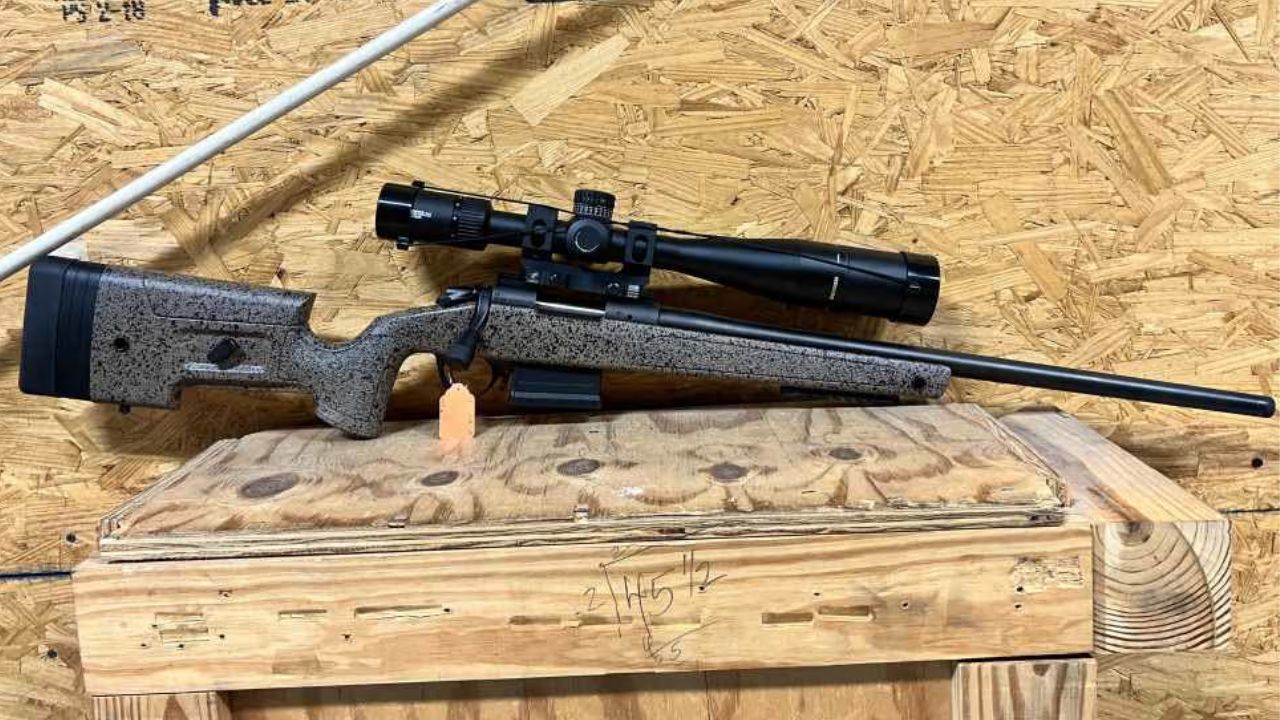
The HMR is one of the best-shooting factory rifles around, but it’s no lightweight. The stock alone adds more mass than many hunting rifles carry altogether. Add a medium-heavy barrel and a full-size scope, and suddenly you’re lugging a rifle that feels more suited to a shooting mat than a saddle scabbard. You can hunt with it, but you’ll feel every step. It rewards patience and position shooting, not the kind of on-the-move hunts many whitetail and western hunters deal with each season.
Remington Sendero

The Sendero has earned a reputation for serious long-range accuracy, but the platform has always been heavy. It takes commitment to carry one all day. The long barrel and stout stock are designed to reduce recoil and create stability, but all that material adds up fast. Many hunters find themselves choosing easier country simply because the rifle drags them down. It’s a great choice if you don’t stray far from the truck, but once you start climbing, you understand why lighter rifles have taken over.
Tikka T3x CTR
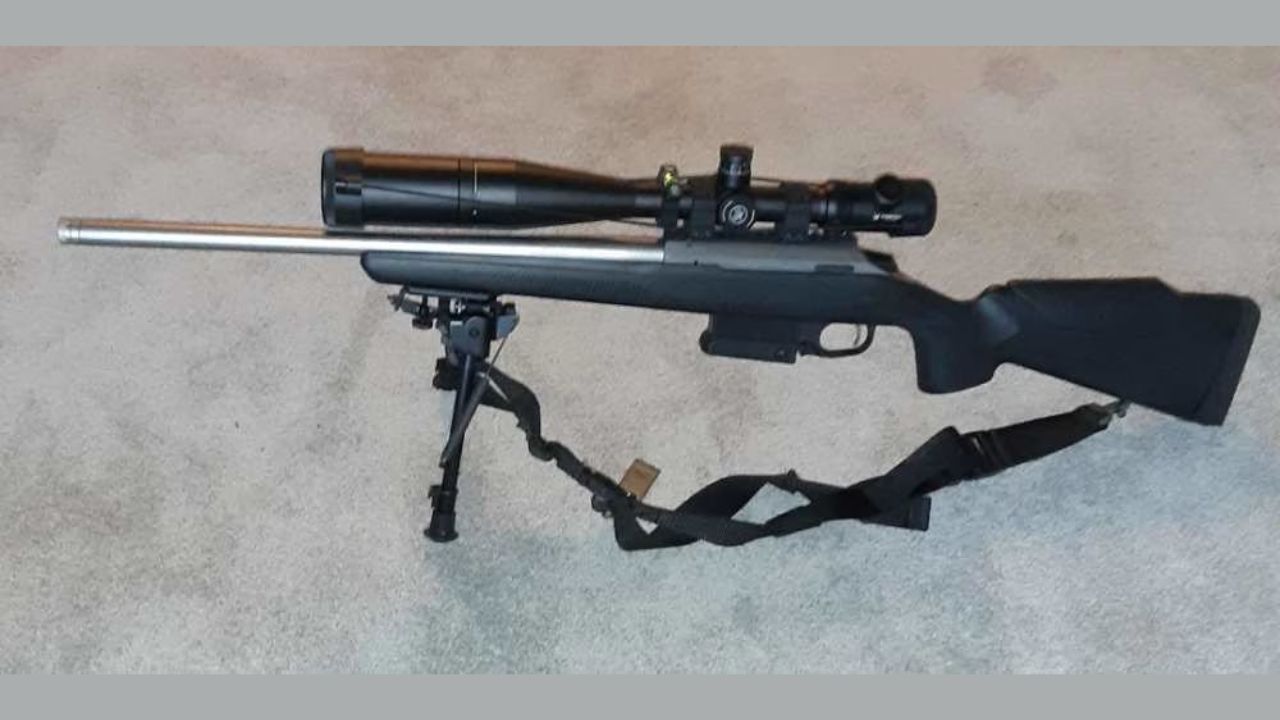
The CTR is smooth, consistent, and easy to shoot well. But it’s noticeably heavier than the standard Tikka models, and you feel it in a hurry. The thick-profile barrel and steel bottom metal add weight that benefits accuracy but hurts portability. Hunters often try it because of Tikka’s reputation, then realize the CTR behaves more like a crossover rifle than something intended for long hikes. It’s steady and predictable — as long as you’re not walking miles with it.
Browning X-Bolt Max Long Range

The Max Long Range gives you adjustability and precision-friendly features, but the stock design and overall build add real weight. The vertical grip and wide fore-end are great on a rest but awkward when slung across uneven terrain. Once you start climbing hills or navigating thick cover, the heft becomes a deciding factor in whether you take the shot or call it quits early. It’s accurate, no doubt — but you pay for that accuracy every step.
Christensen Arms ELR
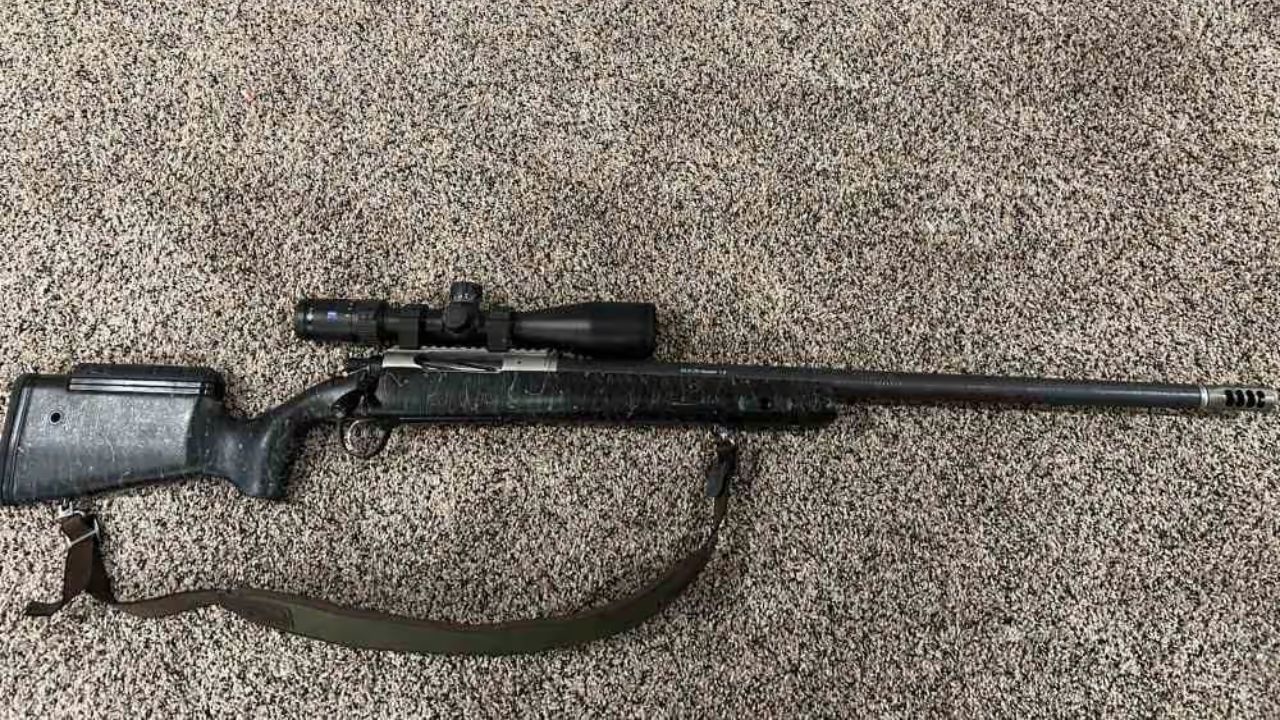
Even with carbon fiber components, the ELR is still a heavy rifle. The long action, long barrel, and oversized geometry push it far beyond what most hunters consider comfortable to carry. It’s built for stretching distance, not creeping through dark timber or still-hunting ridgelines. Many shooters buy it for the speed and precision it offers, then discover that the weight becomes a chore when the terrain isn’t forgiving. It’s a rifle that likes tripods more than backpacks.
Weatherby Mark V Accumark

The Accumark has a loyal following, but weight has always been one of its defining traits. It’s built tough, with a thick barrel and a strong stock that can handle stout cartridges — but that durability comes with a cost. Hunters who cover real ground quickly learn it’s not the friendliest rifle to carry. The payoff is accuracy and reliability, but you have to earn that payoff on long hunts. For many, it’s simply more rifle than they need.
Savage 110 Tactical
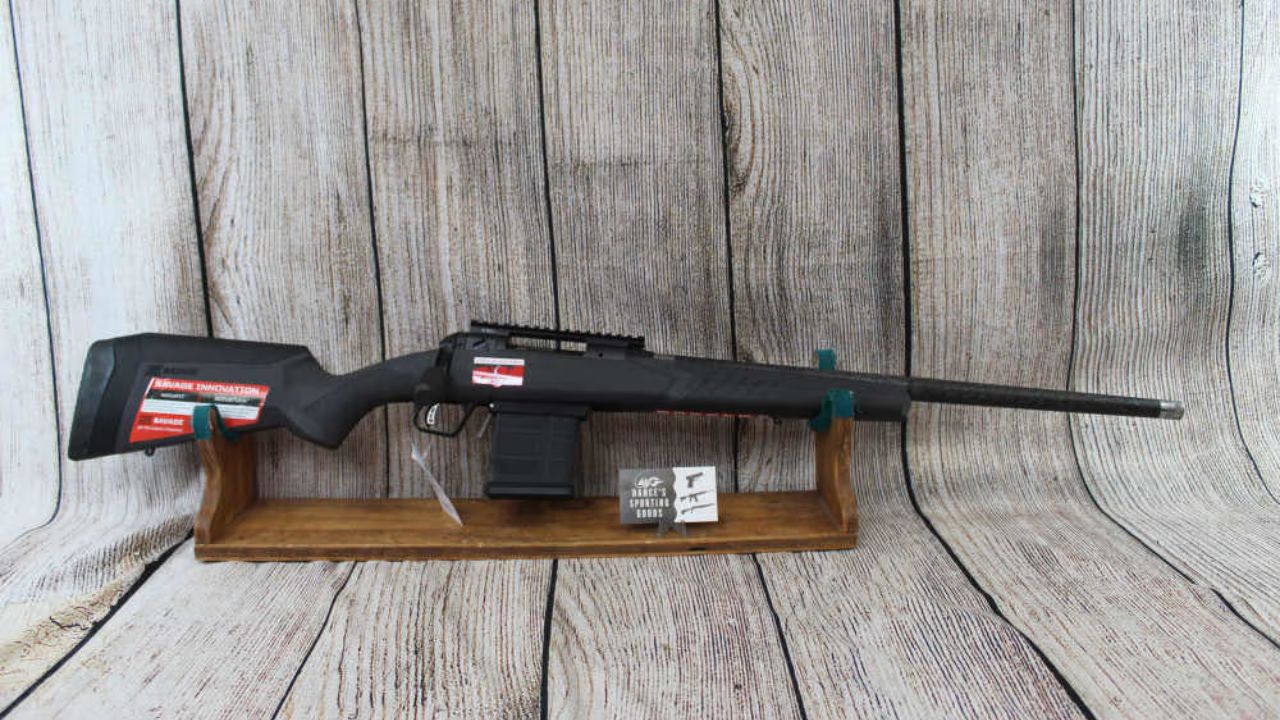
The 110 Tactical is extremely capable, but the heavy barrel and beefy stock make it feel like a bench rifle pretending to be a hunting gun. It settles nicely behind a bipod but becomes a burden when you’re side-hilling or stepping over blowdowns. It performs well when you’re stationary, but the moment you’re mobile, the rifle slows you down in ways you feel immediately — especially with a fully loaded mag and a large optic.
Ruger Precision Rifle

The RPR revolutionized the precision market, but it’s a monster to carry hunting. The chassis, long barrel, and overall bulk make it challenging even before you add a scope. In real conditions, the rifle feels oversized and out of place, especially if you’re climbing or still-hunting. Many hunters who try using the RPR in the field end up switching to something far lighter. It’s incredibly effective from a fixed position — and miserable from a mobile one.
Bergara Premier Ridgeback

The Ridgeback stock is built for precision stability, not backcountry portability. You feel the weight everywhere — in the fore-end, in the action, and in the overall geometry. Hunters who love how it shoots often skip carrying it on long days for that exact reason. Once you’re more than a mile from the truck, the rifle becomes something you manage rather than something you enjoy. It’s a perfect match for long-range setups, not all-day pursuits.
Springfield Waypoint Steel-Barrel Model
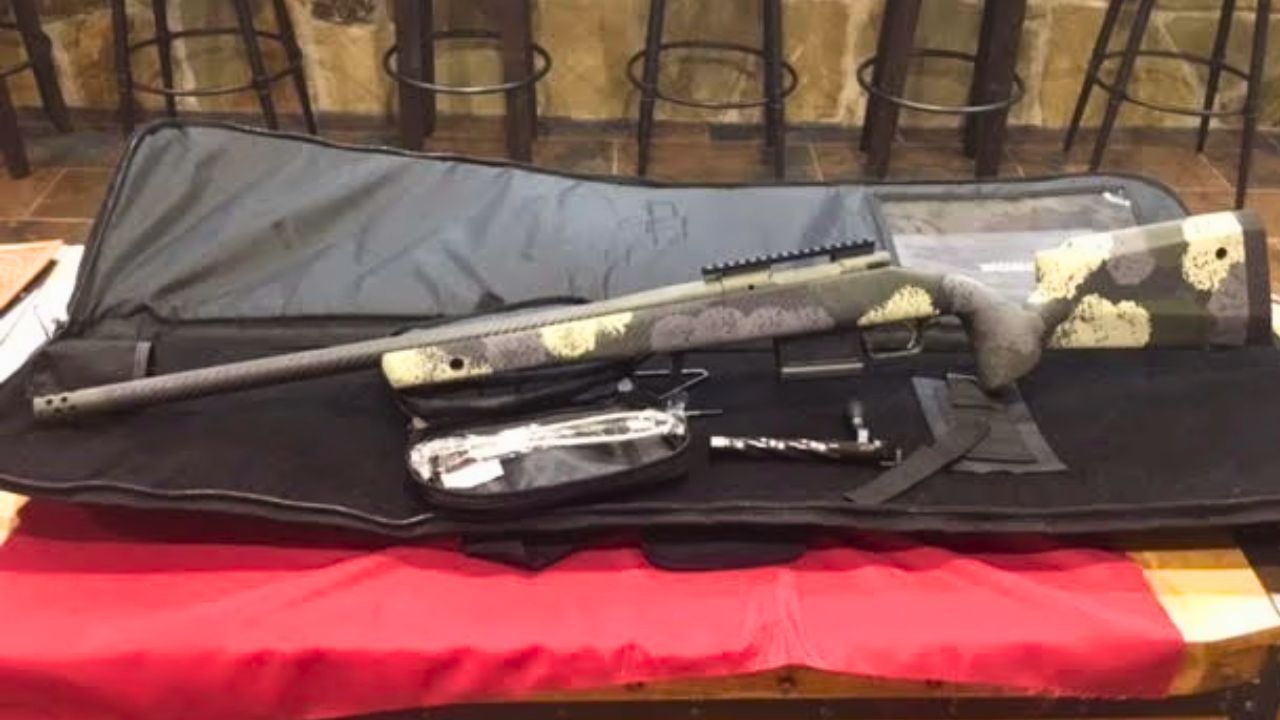
While the carbon version is manageable, the steel-barrel Waypoint adds noticeable heft. It shoots incredibly well, but the extra weight in the front end becomes obvious once you’re navigating uneven terrain. Hunters who carry it often find themselves taking breaks more frequently, especially with additional gear. It’s built for serious accuracy, but the trade-off becomes clear the farther you walk: you’re carrying a rifle that behaves like a precision tool, not a mountain companion.
Howa KRG Bravo
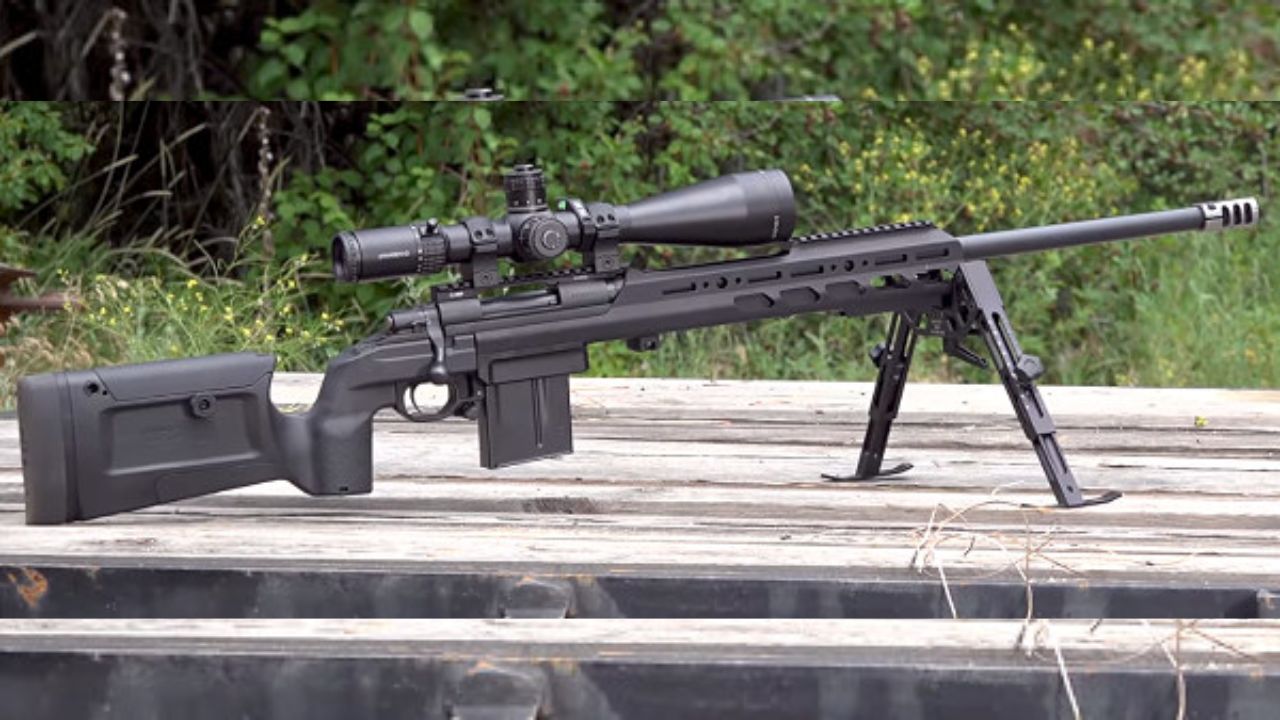
The KRG Bravo chassis offers an excellent shooting platform, but it’s not light. The combination of the stock system, heavy barrel, and Howa 1500 action creates a rifle that feels planted — and planted is not what you want when hiking into remote country. It excels when you have time to set up a shot. But when you’re covering miles, the weight becomes a constant reminder that you could’ve picked something easier to live with.
FN SPR A3G

The SPR A3G was built for tactical precision, not long hunts. It’s one of the most accurate rifles FN has produced, but also one of the heaviest. The platform thrives when you’re shooting from a controlled environment. On real hunts, the weight limits how far you’re willing to travel and how quickly you move when animals change patterns. It’s a fantastic shooter — but practically, it’s a burden in the field.
Sako TRG 22
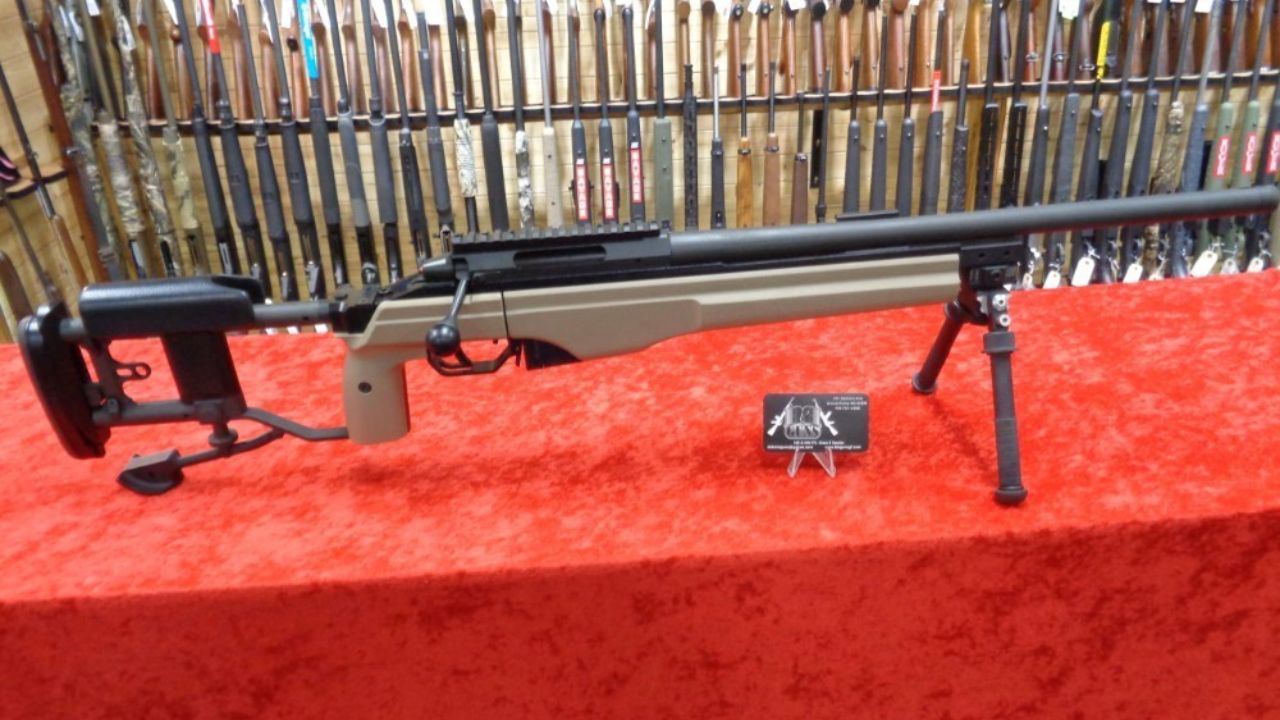
The TRG 22 is a world-class precision rifle that absolutely does not pretend to be a lightweight hunting rig. It’s thick, long, and built around repeatability rather than portability. You can hunt with it, and plenty of people do, but they also tend to pick short, easy-access stands or ridgelines. Once you’re hiking, the rifle feels like you’re hauling a match gun through the wilderness. It’s one of the finest shooters available — but nowhere near practical for long-distance hunts.
Like The Avid Outdoorsman’s content? Be sure to follow us.
Here’s more from us: