Photo credit: Elle Hughes/Pexels.com
Every year you hear the same line from guys back East and in the South: “There’s no public land anymore.” The truth is messier. Access is a nightmare in some places, and millions of acres out West are still landlocked behind private ground. But there are also states where you can still park the truck, step over a fence, and have more room to roam than you can realistically cover in a week. If you’re willing to read regs and study maps, there’s plenty of huntable ground left.
This isn’t some fantasy list of every state with a WMA sign. These are 15 states that stand out for the sheer amount of public land you can actually hunt—big blocks of BLM and national forest, strong state-land systems, plus walk-in and game-land programs that keep average hunters in the game.
Alaska
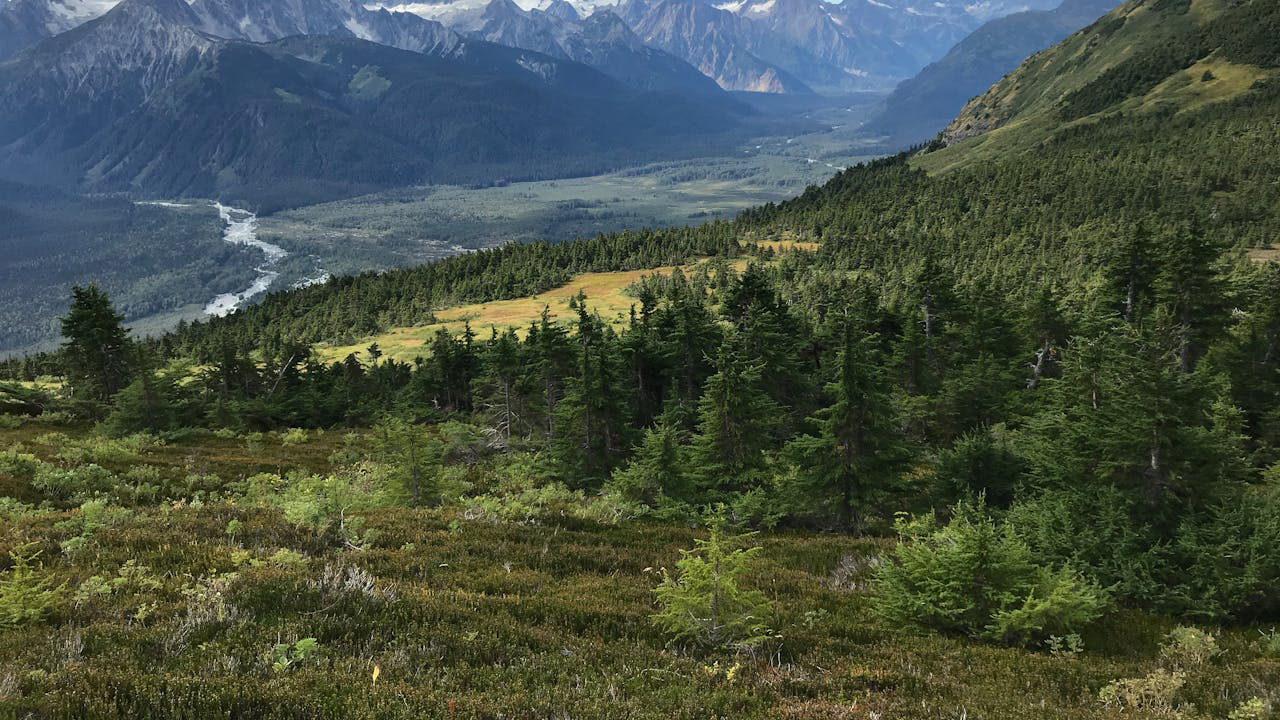
Alaska is the definition of “too much country, not enough time.” It has more than 271 million acres of public land, including huge chunks owned by the U.S. Fish and Wildlife Service and National Park Service where hunting is allowed, with hundreds of acres of public ground per resident on paper. You’re dealing with national forests, refuges, and state land layered together in a way that almost feels unreal if you grew up in farm country.
Of course, the catch is logistics. A lot of that land is fly-in or boat-in, and you pay for the privilege. But if you’re serious, know your units, and hook up with locals or a transporter, you’re not fighting crowds the way you are in the Lower 48. Your limiting factor in Alaska isn’t access to public land—it’s time, money, and how rough you want your hunt to be.
Idaho
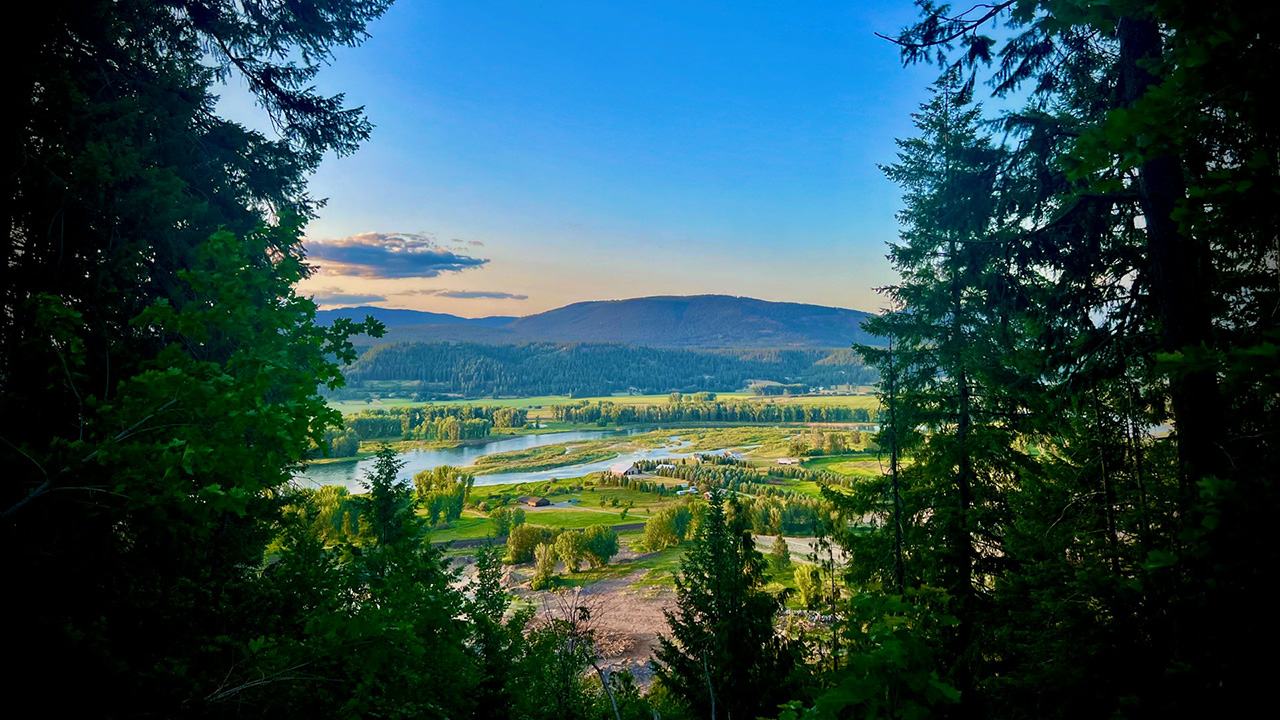
Idaho sits near the top of the list for actual huntable acres a regular person can use. Between BLM and national forest, you’re looking at somewhere around the mid-30-million range in public hunting acres, plus state endowment lands that are generally open as well. Most of it is real big-game country—steep timber, high basins, and broken brush where deer, elk, and bears all mix.
From a boots-on-the-ground standpoint, Idaho still feels like a place where you can grab a general tag in some seasons and go hunt classic public land. You’ll see more pressure than you did ten years ago, and some whitetail and mule deer units are tighter, but you’re still not boxed in. With decent e-scouting and a little willingness to climb, Idaho is one of the best examples of public land you can actually use, not just look at on a map.
Montana

Montana has that mix of national forest, BLM, state school trust land, and block-management access that gives you options in almost every corner of the state. Western timber, central breaks, Hi-Line prairies—it’s all stitched together with public or public-accessible ground. A lot of those acres fall into the same “Top 12” western states that hold nearly 90% of the huntable public land in the country.
On the practical side, Montana feels big because it is big—and the population is still light compared to more urban states. You’ll get company in easy basins and famous elk spots, but you can still move a ridge or two and find yourself mostly alone. Deer, elk, antelope, upland birds—if your goal is to live out of a tent on public ground and actually have room to wander, Montana is still tough to beat.
Wyoming
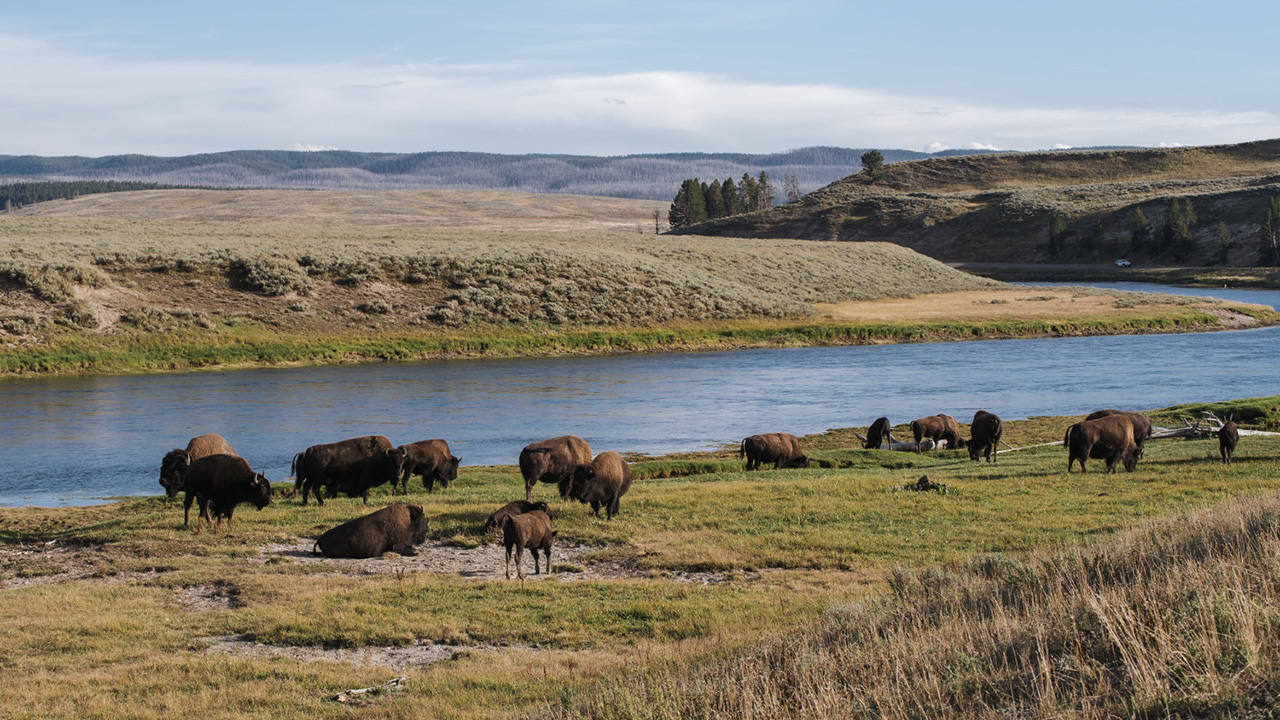
Wyoming lives in that sweet spot where the land is huge and the people are sparse. Between BLM and national forest alone, it stacks up near the top in acres of land open to hunting, with many of those acres counted in that western “Top 12” heavy-public-land group. Elk, deer, pronghorn, and birds all live on the same hillsides you can camp on and hunt.
Access isn’t perfect, and landlocked public has been a sore subject for years. The recent federal court ruling that “corner-crossing” between public parcels doesn’t count as trespassing under the Unlawful Inclosures Act gives hunters more legal footing across much of Wyoming and the rest of the 10th Circuit. You still need to be dialed on where every boundary sits, but if you’re willing to study those checkerboards, there’s a lot more usable country than there used to be.
Colorado
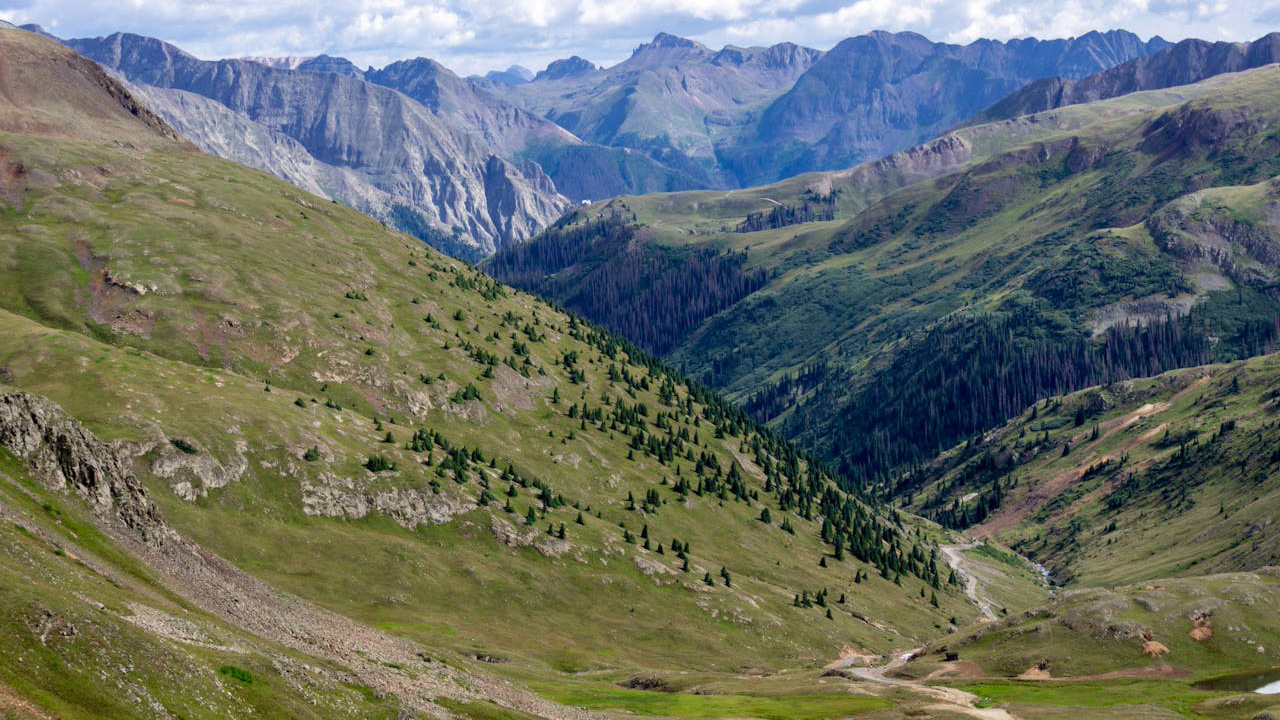
Colorado shows up over and over on “best public hunting” lists because the mix of BLM, national forest, and state wildlife areas covers a huge slice of the state. One recent ranking put Colorado in the top 10 for public hunting opportunity, with close to half the state’s land area publicly owned. For elk and mule deer in particular, there are still units where you can hunt general seasons on big, continuous public ranges.
You will feel the pressure in popular OTC elk units and during rifle season near easy access points. Colorado is not some empty playground anymore. But if you walk past the first ridge and use your glass more than your gas pedal, there are still benches, basins, and dark timber pockets that only take boot leather to reach. The important part is you actually have legal ground under your boots when you get there.
Utah

Utah gets a lot of attention for the quality side of mule deer and elk, but it also sits in that core group of western states with a huge share of the country’s public land. LandApp ranks it among the top five states by total public acreage, right alongside Alaska, Nevada, California, and Arizona. Much of that is BLM and national forest where hunting is an accepted use.
For hunters, the trick is juggling limited-entry draws and general units while taking advantage of what’s actually open. That’s where Utah still shines: there are national forests, canyon country, and high desert units where you can backpack in or car-camp and hunt for days without hitting a fence. The recent corner-crossing decision out of the 10th Circuit also supports access across checkerboarded public parcels in Utah, which opens up more ground that used to be off-limits in practice.
Nevada

Nevada is almost all public land on a map, and a big chunk of that is BLM open to hunting. LandApp lists it in the top group for public acreage, and older breakdowns show Nevada as one of the core 12 states that hold the vast majority of USFS and BLM lands. Think endless basins, sagebrush flats, and mountain ranges where one drainage runs into another without hitting a property sign.
The trade-off is that water and game are patchy. You can walk a long way through good-looking country before you start finding deer, elk, or chukar consistently. But the key point here is access: once you’re in a unit, you’re usually dealing with more legal public country than you can cover in a season. If you want a do-it-yourself hunt where the biggest limit is how many miles you’re willing to hike, Nevada fits the bill.
Arizona

People think of Arizona as a draw-only desert state, but look at the actual land ownership and it’s a different picture. It sits in the top tier for public land size, with millions of BLM and national forest acres, and one survey listed it among the best states for public hunting when you factor in how much of that land is open. Over 99% of BLM land is open to hunting nationwide, and a huge share of that sits in the Southwest.
On the ground, that means you can chase deer, elk, black bear, and small game across big public blocks in the pines, oak brush, and desert. Tags are the choke point, not access. If you draw, you’re usually not fighting for a little sliver of ground—you’ve got real country to work with. Learn the road systems, know your water, and Arizona’s public land starts to feel a lot larger than the stereotypes make it sound.
New Mexico

New Mexico doesn’t always get the same spotlight as Colorado or Montana, but the numbers quietly favor it. Backcountry analyses point out that New Mexico has tens of millions of acres of public hunting land with relatively few hunters compared to other western states. OnX and others lump it into that western block where a big share of BLM and national forest ground is concentrated.
In practical terms, the draw system is what keeps pressure in check. There’s no point system, and tags can be hard to pull, but when you do get one you’re usually walking into a unit with real space. Elk, deer, antelope, and upland all have public-land options here. If you like the idea of long glassing sessions on big mesas with few other trucks around, New Mexico is still a solid play.
Oregon
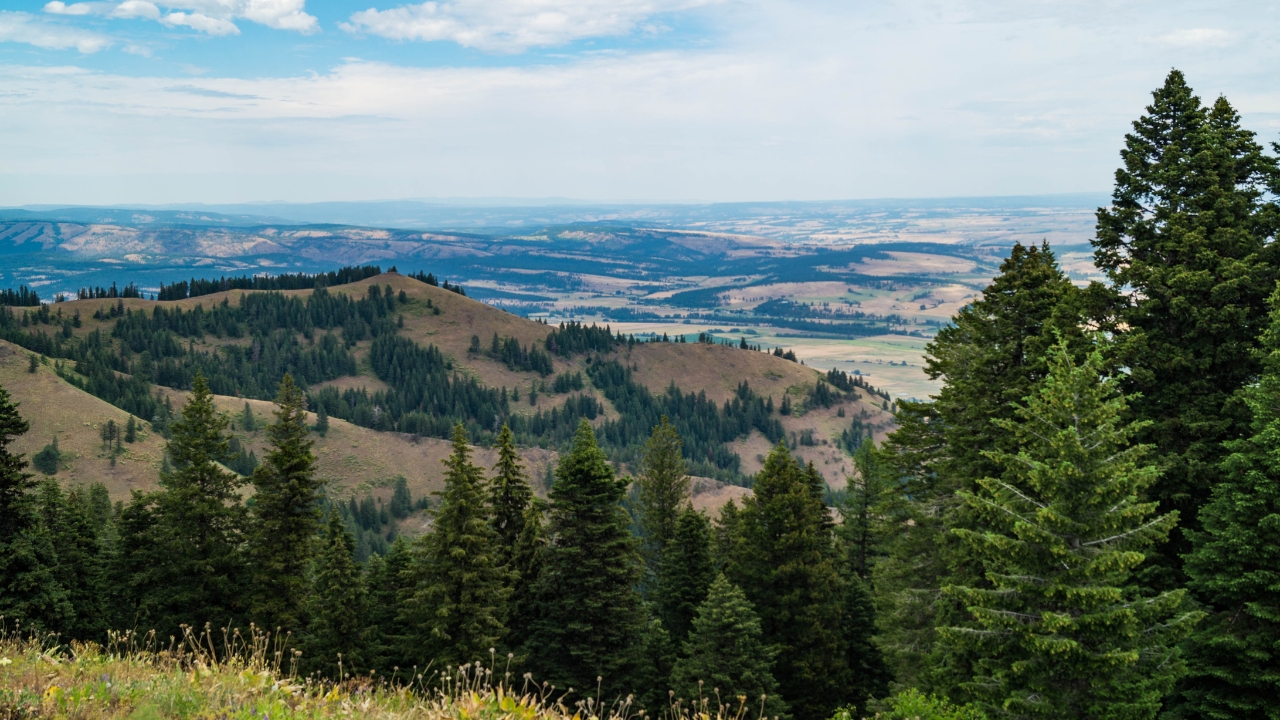
Oregon has an underrated amount of huntable public land. Recent access discussions put it at roughly the mid-30-million-acre mark for public hunting land, between national forests, BLM, and state ground. It’s part of the same western group that holds most of the country’s public acres, and a bunch of that sits right in classic blacktail, elk, and mule deer country.
The feel on the ground is different by region. West-side timber can be thick and steep, but you’ve got miles of national forest gates you can walk past. East-side, you’re in more open ridges, rimrock, and sage that lend themselves to glassing. Either way, you’re usually not boxed into a little postage stamp of public. If you’re willing to deal with rain, clearcuts, or long dirt roads, you can live off public land in Oregon for an entire season.
Washington
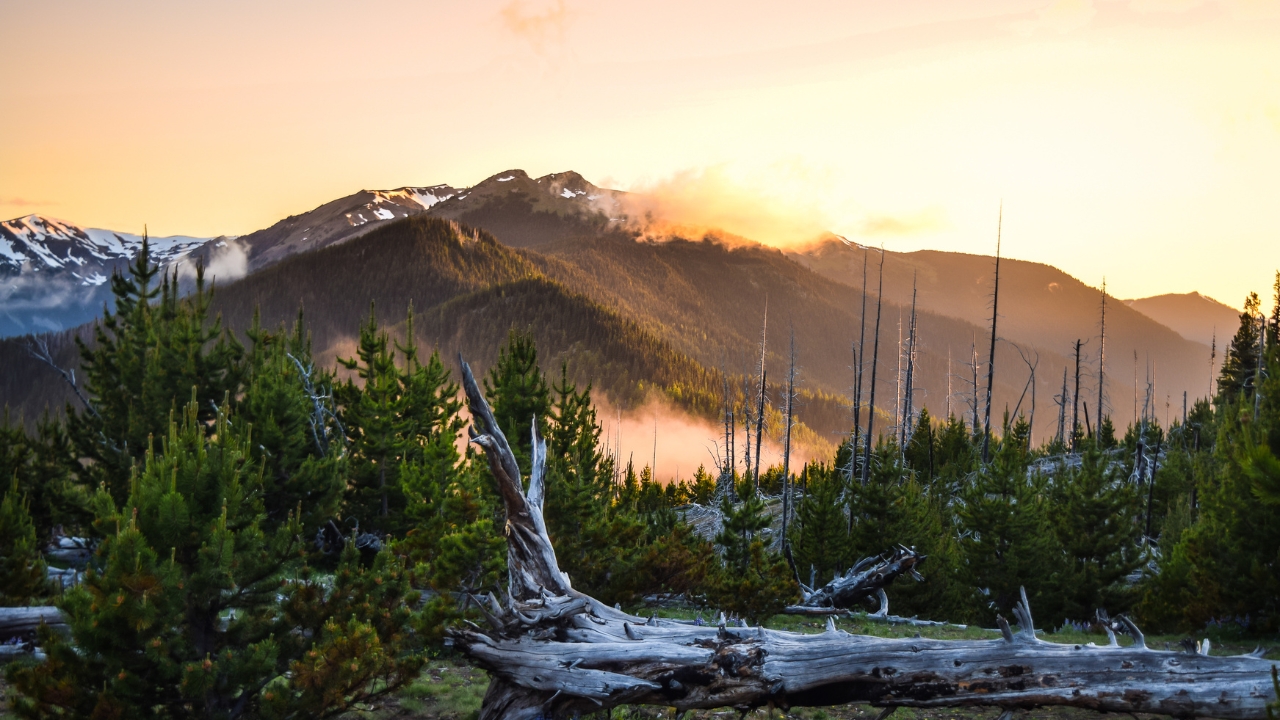
Washington doesn’t have the same per-hunter public land ratio as Wyoming or Idaho, but it still has a solid mix of national forest, state land, and private timber with access agreements that add up to a bunch of huntable ground. You’ve got Cascades and Olympics for blacktails and elk, east-side breaks and ag edges for mule deer and whitetails, plus a believable amount of upland and waterfowl access.
It does take more homework here. Some timber companies require permits, and you need to stay on top of which state lands are open to hunting, but once you have that squared away, Washington gives you more options than it gets credit for. For the average hunter living near Puget Sound or Spokane, being able to drive a few hours and hunt big national forests or large state forests is a real advantage.
California

California is easy to shrug off because of crowds and gun laws, but from a pure land standpoint it’s a public-land giant. One breakdown notes roughly 20 million acres of national forest and 15 million acres of BLM land inside the state, with about 38% of California’s land area available for public hunting in some form. That’s an enormous amount of country, even if not every acre holds game.
In reality, California hunts smaller than that number sounds because the population is so big and some of the best habitat is tucked into steep or remote country. But if you’re willing to hike ridges, work high basins, or focus on less popular zones, you can still do real DIY public-land hunting for deer, pigs, bears, and upland birds. The key is treating it like any other western state—maps first, then miles—not assuming everything is locked down.
Michigan
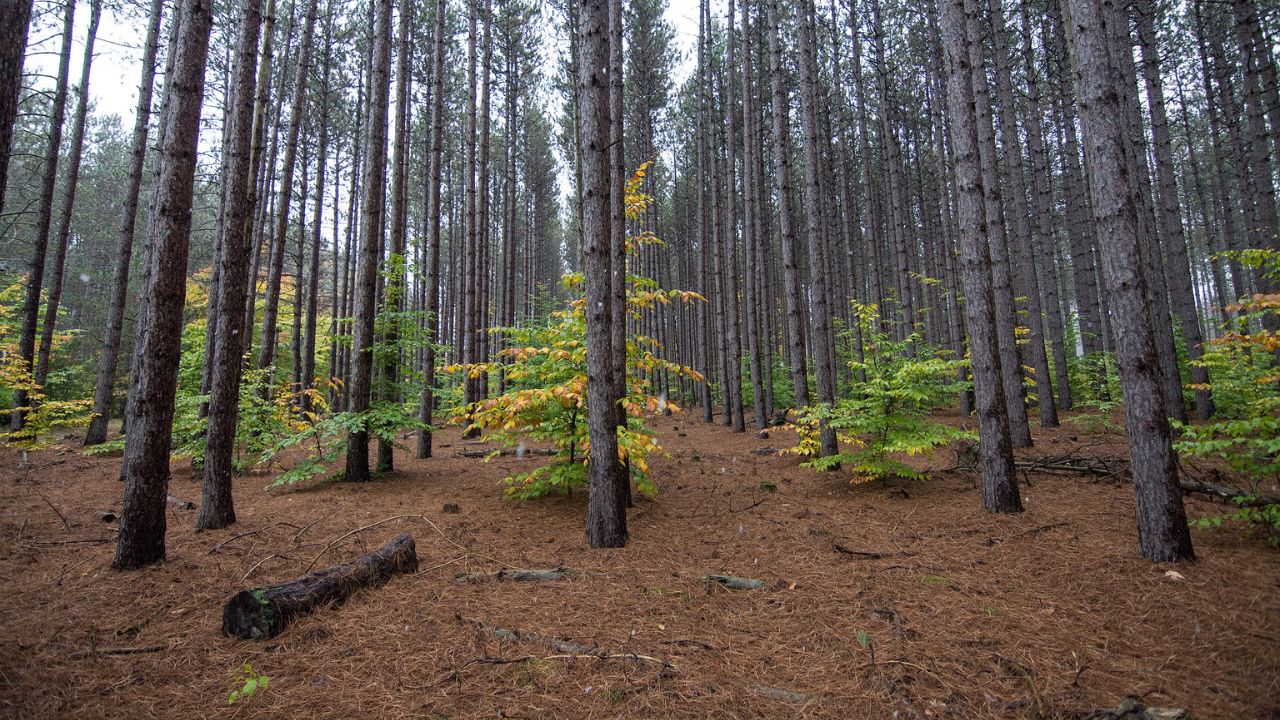
Once you leave the big metro areas, Michigan is a public-land powerhouse. Recent coverage points out that hunters in Michigan have access to over 10 million acres of public hunting ground, and one analysis says it’s the only state where more than 20% of the land base is open to hunters. That includes state game areas, national forests, and other public parcels spread from the southern counties all the way through the U.P.
From a hunter’s angle, that gives you variety more than anything. You can run deer and small game in oak ridges downstate, chase grouse and woodcock in mixed cover, or head north and live in the national forest for a week chasing bucks or bears. It’s not empty country—you’ll have company—but there’s still enough room to get away from the road and hunt like you’re in a much bigger state.
Pennsylvania
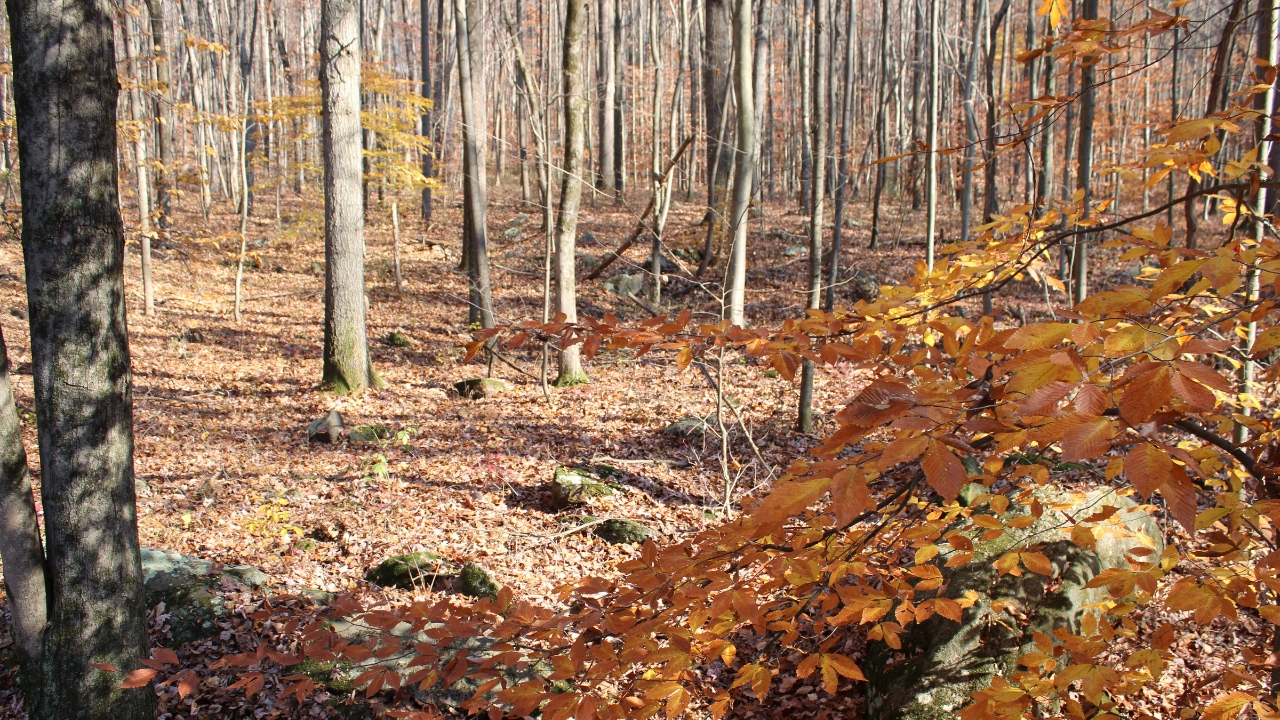
Pennsylvania has one of the strongest public-land systems east of the Mississippi. Bowhunting sources put public ground at around 4.2 million acres between state game lands and state forests, with another 2 million acres of private land open through cooperative agreements. On top of that, there’s national forest in the north-central part of the state that adds even more room.
The flip side is hunter density, which everyone who has hunted rifle season there knows. But if you time your hunts and get off the road, Pennsylvania’s public land lets you chase deer, bears, and small game across big woods and hill country without needing a lease. It’s one of the few eastern states where you can still park at a game-lands lot and have a whole day of walking ahead of you without running out of legal ground.
South Dakota
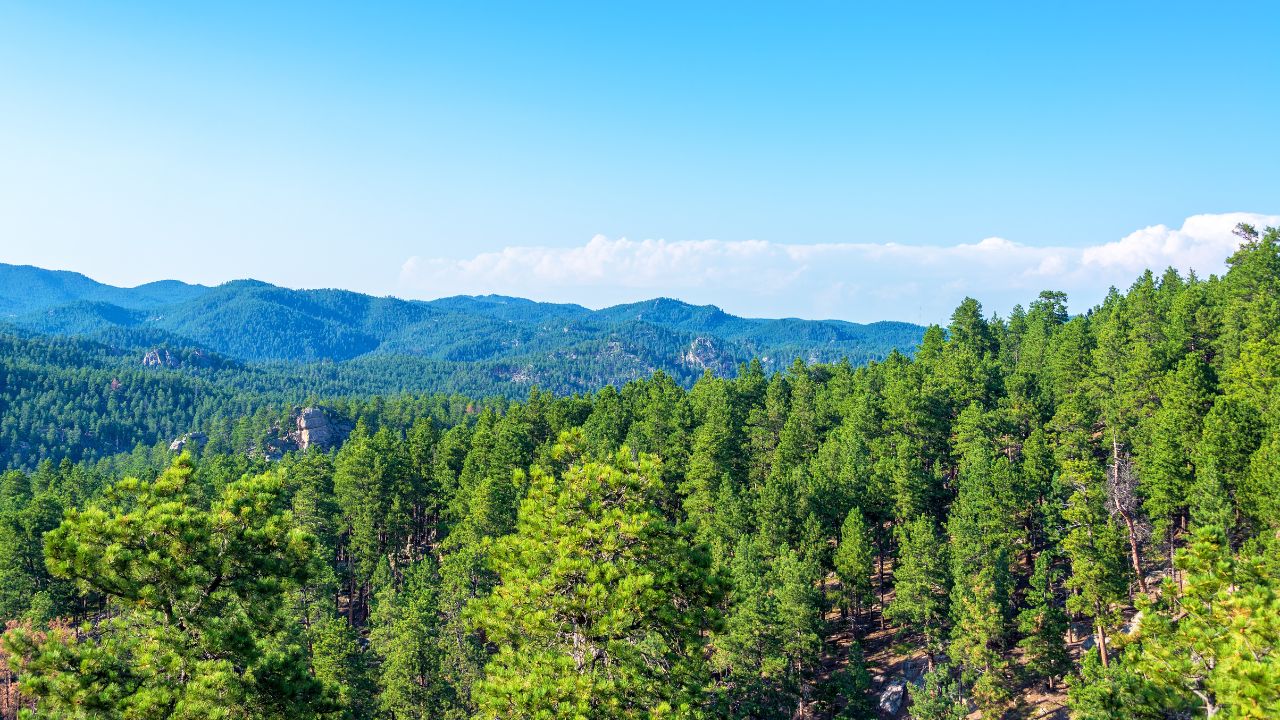
South Dakota doesn’t get talked about as much as it should outside bird-hunting circles, but it’s loaded with public access. Pheasant reports and access guides note around 1.1 million acres of public hunting land in the heart of the state’s core rooster range, plus more ground tied up in walk-in programs. That’s on top of federal ground like national grasslands and other public parcels.
For hunters, that means you can actually build entire trips around public land—pheasants in the ag country, deer in the breaks and draws, and waterfowl wherever the migration lines up. You do see pressure, especially near easy road access and around opener, but if you’re willing to chase less obvious spots and cover ground on foot, South Dakota still feels like a place where public land can carry a whole season, not just a weekend.
Like The Avid Outdoorsman’s content? Subscribe to our newsletter so you never miss an article.
Here’s more from us: