Photo credit: Springfield Armory
A carry pistol can feel flawless when you’re firing a slow box of ammo, wiping it down, and putting it back in the holster. Then you sign up for a real training day—hundreds of rounds, hot gun, sweaty hands, fast reloads, one-hand work, and mags hitting the dirt—and the “perfect” little carry gun starts showing its bad habits.
Hard training doesn’t magically break good pistols. It exposes tight margins. Small guns cycle faster, run lighter recoil springs, and have less slide travel to work with. Magazines get slammed, springs get tired, and limp grips show up when you’re moving and shooting. The pistols below can carry well and shoot fine for a long time, but they’re also the ones that tend to reveal quirks once you start training like you mean it.
SIG Sauer P365

The P365 carries like a dream, and that’s why so many people choose it. When you start training hard, the tiny slide and short cycle can make it less forgiving than a larger gun. Heat and carbon build fast in a small package, and little changes in grip tension can show up as erratic ejection or a stoppage during fast strings.
The other stress point is magazines. Micro-compact mags are doing a lot with very little room, and hard reloads plus dirt can expose weak springs, bent feed lips, or follower drag. A P365 can run very well, but it often demands that you keep mags clean, replace springs on schedule, and stay honest about how much your grip changes when you’re tired.
SIG Sauer P365 XL
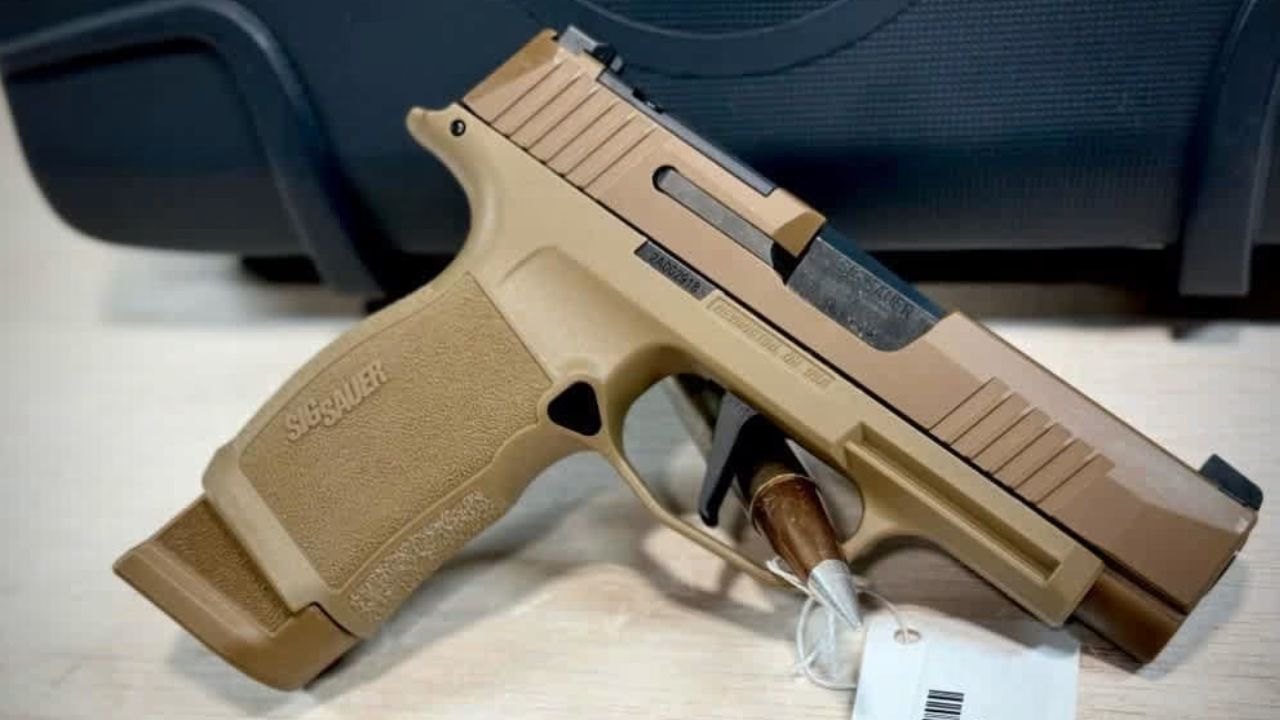
The XL gives you more grip and a little more slide, which usually helps. Even so, when you push tempo—rapid strings, awkward positions, and hard reloads—the gun can still show the micro-compact reality: a fast cycle with less room for error. It’s not uncommon for shooters to see more sensitivity to grip and lubrication than they’d get from a compact duty pistol.
Training also reveals how magazines behave under pressure. Fast reloads, dropping mags on concrete, and running them dirty can cause feed issues that never show up in casual shooting. The XL can be an excellent carry gun, but hard training is where you learn whether your specific mags, ammo, and maintenance habits are up to the pace you’re asking for.
Springfield Armory Hellcat

The Hellcat is snappy, flat, and easy to conceal. Once you start running it hard—draws, doubles, reloads, and one-hand work—you’ll notice how much the gun depends on consistent grip and recoil control. Small, light pistols punish a sloppy hold more than people want to admit, and that can show up as erratic ejection or the occasional failure to cycle during fast strings.
Mags are another place hard training talks back. The Hellcat’s capacity is impressive for the size, but that also means springs, followers, and feed geometry are working close to the edge. Drop mags in grit, slam them home under stress, and you may learn quickly which magazines are your “practice mags” and which ones earn carry duty.
Glock 43

The Glock 43 can run well for a long time, but hard training exposes what it is: a light, slim 9mm with short slide travel. When you get tired and your grip gets soft, that’s when small pistols start acting different. It may not be dramatic, but it’s where you see odd ejection patterns and occasional hiccups that never showed up during slow fire.
The six-round magazine also gets tested harder than people expect. With fewer rounds and a smaller spring, timing matters, especially when you’re doing speed reloads and letting mags hit the ground all day. The 43 isn’t fragile. It’s simply less forgiving than a bigger Glock when you’re running it hot, dirty, and fast.
Glock 43X
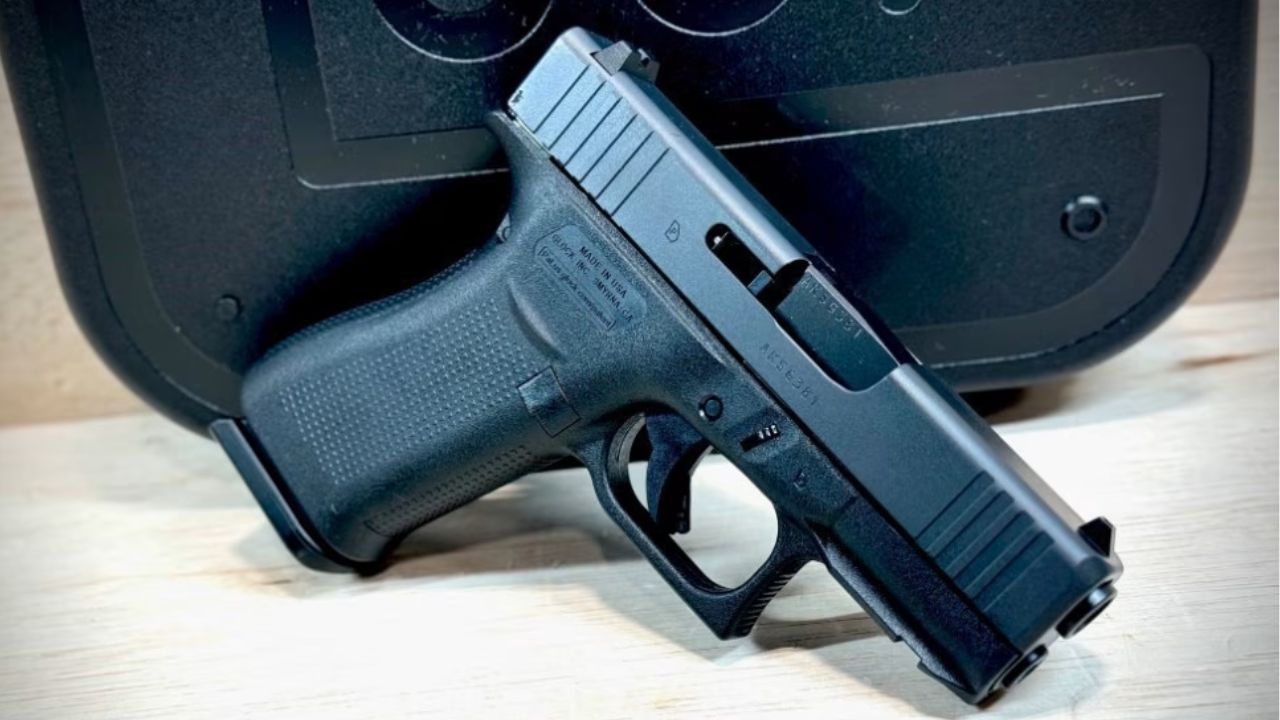
The 43X feels like the “fixed” version of the 43 because the grip is better and control improves. Hard training still reveals that it’s a slim gun with a quick cycle. You’ll notice it more during high-tempo drills, especially when you’re shooting one-handed or from compromised positions where your grip isn’t perfect.
Magazine behavior becomes the story when you train hard. With repeated drops, dirt, and aggressive reloads, you find out quickly which mags keep feeding and which ones start dragging. The 43X can be extremely dependable with quality magazines and routine maintenance, but training days are where you learn that a slim carry pistol lives and dies by its magazines more than most shooters want to believe.
Glock 48

The Glock 48 carries flatter than most compacts and shoots softer than many micro guns. Once you train hard, you still see the slimline tradeoffs. The gun can be very reliable, but it’s more sensitive to tired magazine springs and dirty mags than a thicker, full-size setup, especially when you’re running fast reloads and shooting long strings.
The 48 also tends to be a “set it and forget it” carry gun, which can lead to neglected magazines. Hard training punishes that. Drops on concrete, grit in the tubes, and springs that have lived fully loaded for too long can show up as feeding issues. The pistol itself can be solid. The training day often proves whether your mags are equally solid.
Smith & Wesson M&P Shield (1.0)

The original Shield earned its place because it carried well and shot better than many slim guns of its era. When you train hard, the Shield’s small size and brisk recoil can make it less forgiving when your grip starts to slip. That can show up as inconsistent ejection or a stoppage during fast strings, especially if you’re running cheap ammo or shooting from awkward angles.
The Shield 1.0 also teaches you about maintenance. Small guns get dirty quickly, and if you run them dry or over-lubed, you can create friction problems that don’t appear in casual shooting. The platform can be dependable, but hard training rewards shooters who keep an eye on recoil springs, magazines, and lubrication rather than assuming a slim pistol will behave like a full-size duty gun.
Smith & Wesson M&P Shield Plus
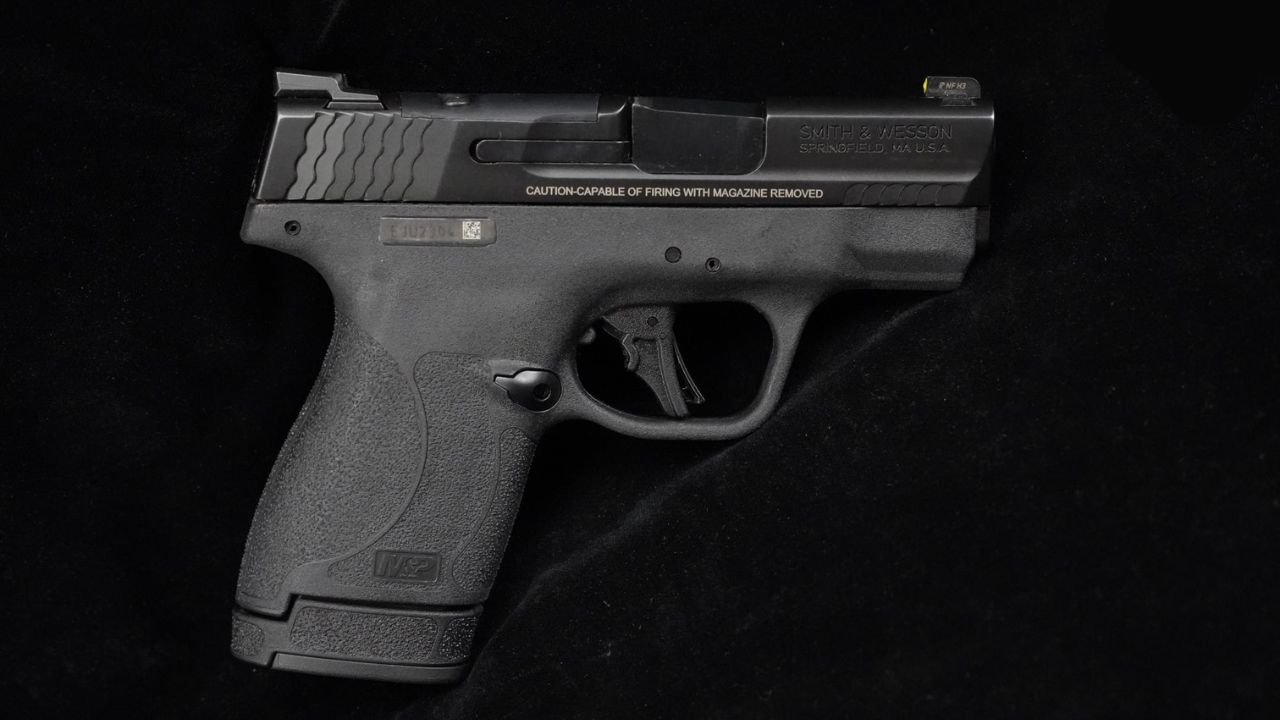
The Shield Plus brings better capacity and a more shootable grip, and that helps a lot. Training hard still exposes the micro-carry reality: fast cycling, small parts working hard, and magazines that take more abuse than most people think. When you start doing repeated reloads and dropping mags in dust, you find out quickly if your magazines stay smooth or start binding.
The Plus also rewards consistent recoil management. A tighter, higher tempo day can reveal where your grip starts to degrade, and that’s where slim pistols can get moody. The gun can run very well, but it’s not magic. Hard training is where you learn whether your setup—ammo, mags, maintenance—keeps pace when the pistol is hot and your hands are tired.
Ruger LCP II

The LCP II is carried a lot and shot a little, and that’s the trap. It can run fine for its intended role, but hard training with a tiny .380 quickly shows how narrow the margins are. Short slides, light weight, and small springs can make the gun more sensitive to grip and ammo than larger pistols. Once you start pushing speed, you may see failures to feed or cycle that never happened during slow fire.
The sights, grip, and recoil impulse also make shooters work harder to keep the gun steady. That’s not the pistol’s fault—it’s a pocket gun doing pocket gun things. When you try to run it like a compact 9mm in a long class, it can start reminding you why most trainers prefer something larger for heavy round counts.
Ruger LCP MAX
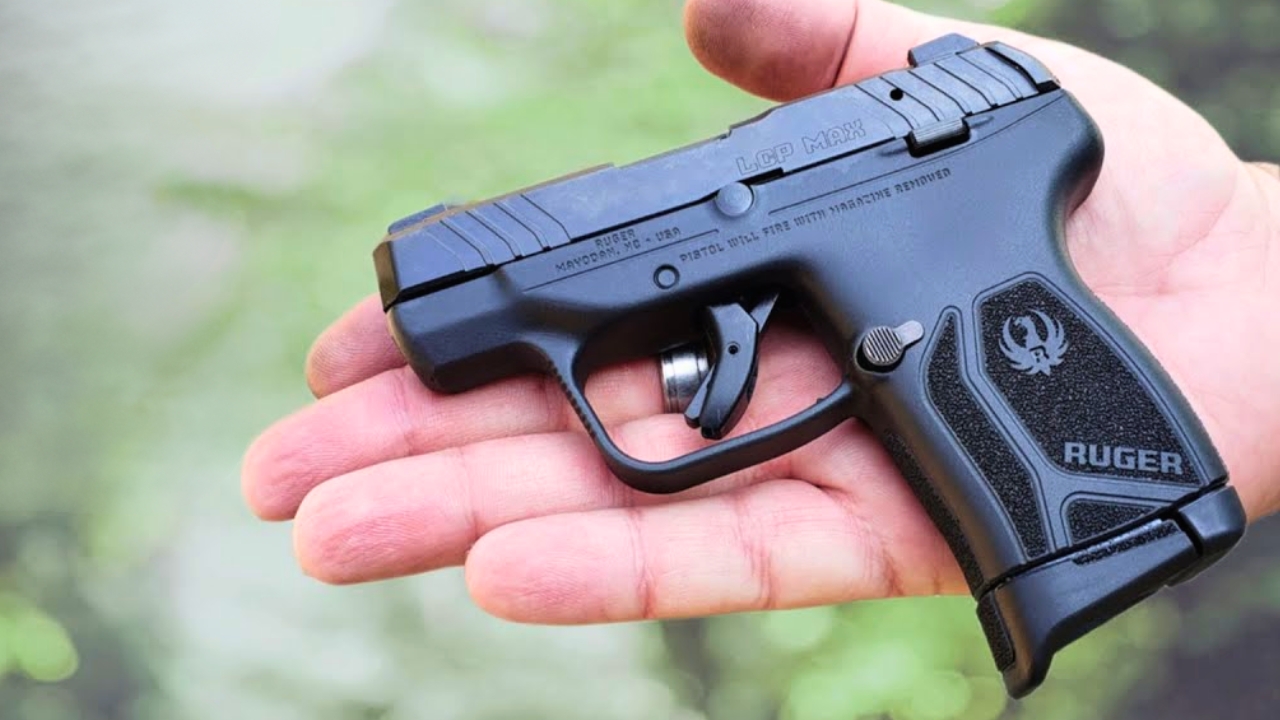
The LCP MAX gives you more capacity in the same pocket-friendly footprint, which is impressive. Hard training can still expose pocket-pistol limits. The gun is small and light, and when you start running fast strings, the grip and recoil can keep you from maintaining the same consistency you’d have with a larger pistol. That inconsistency can show up as erratic cycling or occasional stoppages, especially as the gun gets hot and dirty.
Mags take a beating during serious practice. More rounds in a tiny magazine means springs and followers are doing a lot of work, and dirt from drops can create drag quickly. The MAX can be a very useful carry tool, but training hard proves whether your mags and maintenance habits are keeping up with the pace.
Kimber Ultra Carry II
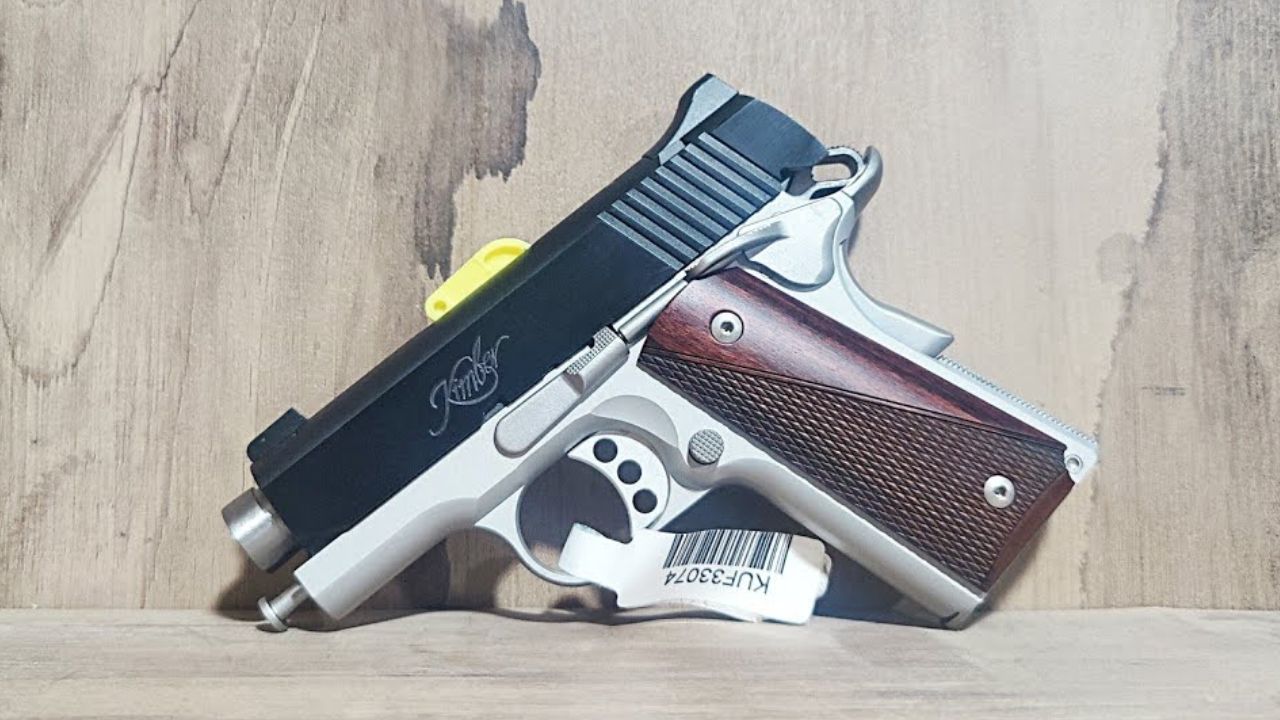
Short 1911s can carry well and feel great in the hand, but hard training is where you learn how tightly tuned they can be. The Ultra Carry II has less slide travel and a different timing window than a full-size 1911, which can make it more sensitive to recoil spring condition, extractor tension, and ammunition shape. When you start running fast, the gun may become pickier than it seemed during casual shooting.
Magazines matter even more here. Feed angle and spring tension can make or break reliability, especially when you’re doing speed reloads and letting mags hit the dirt. A well-sorted Ultra can run, but it often demands more attention than striker pistols. Training hard doesn’t create the problem—it exposes whether you’ve got a truly dialed-in setup.
Colt Mustang XSP
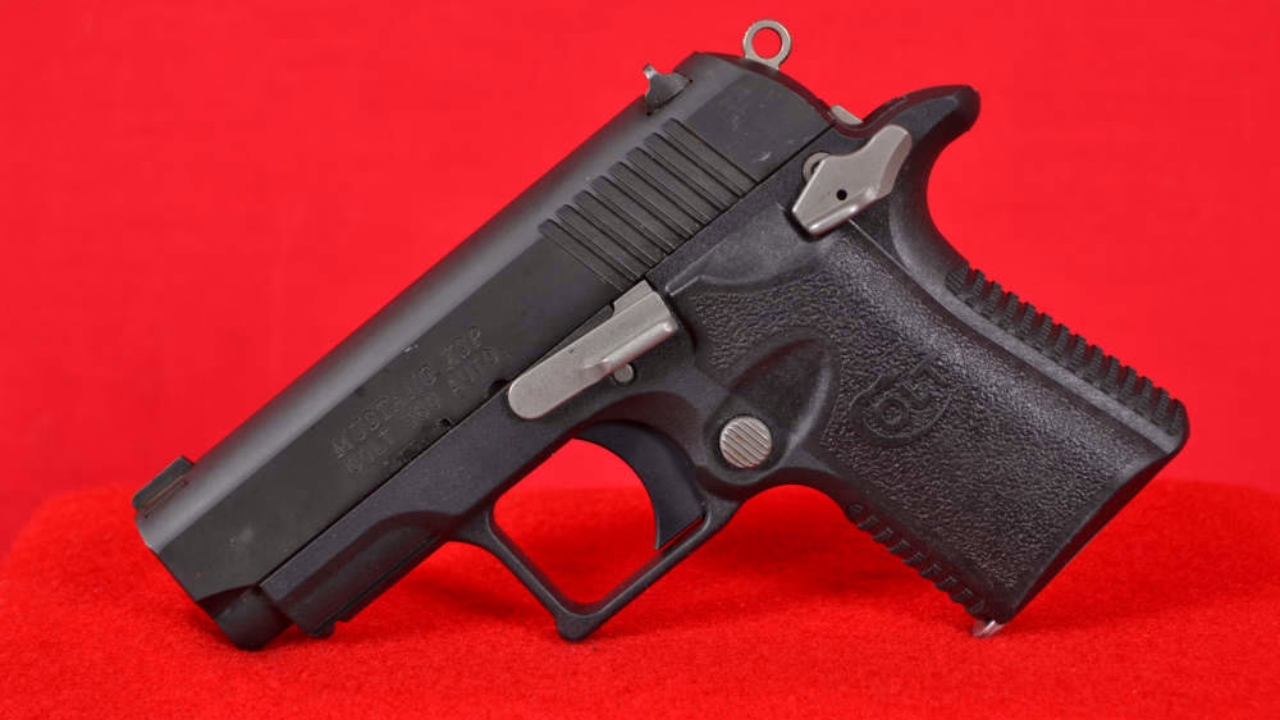
The Mustang is small, easy to carry, and pleasant for what it is. When you train hard, the .380 format and tiny dimensions can start showing limitations. The short cycle and light weight can make it more sensitive to grip and ammo, especially in fast strings where your hand position is changing on the fly.
The other reality is heat and fouling. Small pistols get filthy quickly, and tiny magazines don’t love dirt and grit. If you’re dropping mags, doing reload drills, and shooting hundreds of rounds, you’re working the gun outside the routine it was designed around. The Mustang can be a solid pocket carry choice, but a hard training day is where you learn whether it’s a true workhorse or a “carry a lot, shoot a little” pistol.
Kahr PM9

The PM9 is a classic deep-carry 9mm, and many run well when kept within their lane. Hard training exposes what the design asks of you: a firm grip and consistent cycling in a very compact package. When you start shooting fast and from odd positions, you may see failures to return fully to battery or feeding issues that don’t appear during slow fire.
Kahr pistols can also be sensitive to lubrication and cleanliness because everything is happening in tight space. If you run them dry, friction shows up sooner. If you drown them in oil, you can collect grit and carbon that slows the action. The PM9 can be a dependable carry pistol, but hard training is where you learn whether your maintenance habits and grip discipline match what the gun requires.
Beretta Nano

The Beretta Nano was built as a slick, snag-free carry gun, and it can feel smooth and uncomplicated. When you train hard, small pistols like the Nano can show sensitivity to grip and ammo, especially during rapid strings and one-handed shooting. The gun’s minimal external features help with carry, but they don’t give you extra leverage when your hands are sweaty and tired.
Hard reload work also reveals magazine realities. Dropped mags, dirty mag bodies, and worn springs show up faster when the pistol is compact and the timing window is tighter. The Nano can run well, but training exposes whether your magazines, ammo, and technique are consistent enough to keep it running at speed rather than at bench pace.
Taurus GX4

The GX4 is a popular micro-compact because it offers a lot in a small package. Hard training tends to be the truth prevents you from ignoring. High round counts and fast drills can expose heat, fouling, and magazine issues in any small pistol, and micro guns don’t have much extra margin when everything gets hot and dirty.
The biggest separator in hard training is consistency—mags that stay reliable after repeated drops, springs that hold up, and a grip that stays locked even when you’re moving fast. A GX4 can run fine, but serious practice is where you find out if your particular pistol, your magazines, and your maintenance routine are ready for that pace. Training doesn’t care about good impressions. It cares about repeatable function.
Like The Avid Outdoorsman’s content? Be sure to follow us.
Here’s more from us: