Photo credit: ZoranOrcik/ShutterStock.com
Every hunter has a box of ammo that sits untouched until they’ve burned through everything else. Usually it’s an odd chambering, an underpowered round, or something they bought during a shortage and immediately regretted. These calibers still work in the technical sense, but they don’t inspire much confidence when a real shot presents itself. Maybe they kick oddly, maybe they’re unreliable on game, or maybe they’re tied to rifles that never patterned well in the first place. When all your good ammo is gone, these are the rounds you load with a sense of hesitation rather than trust.
.22 Winchester Magnum Rimfire (for medium game)
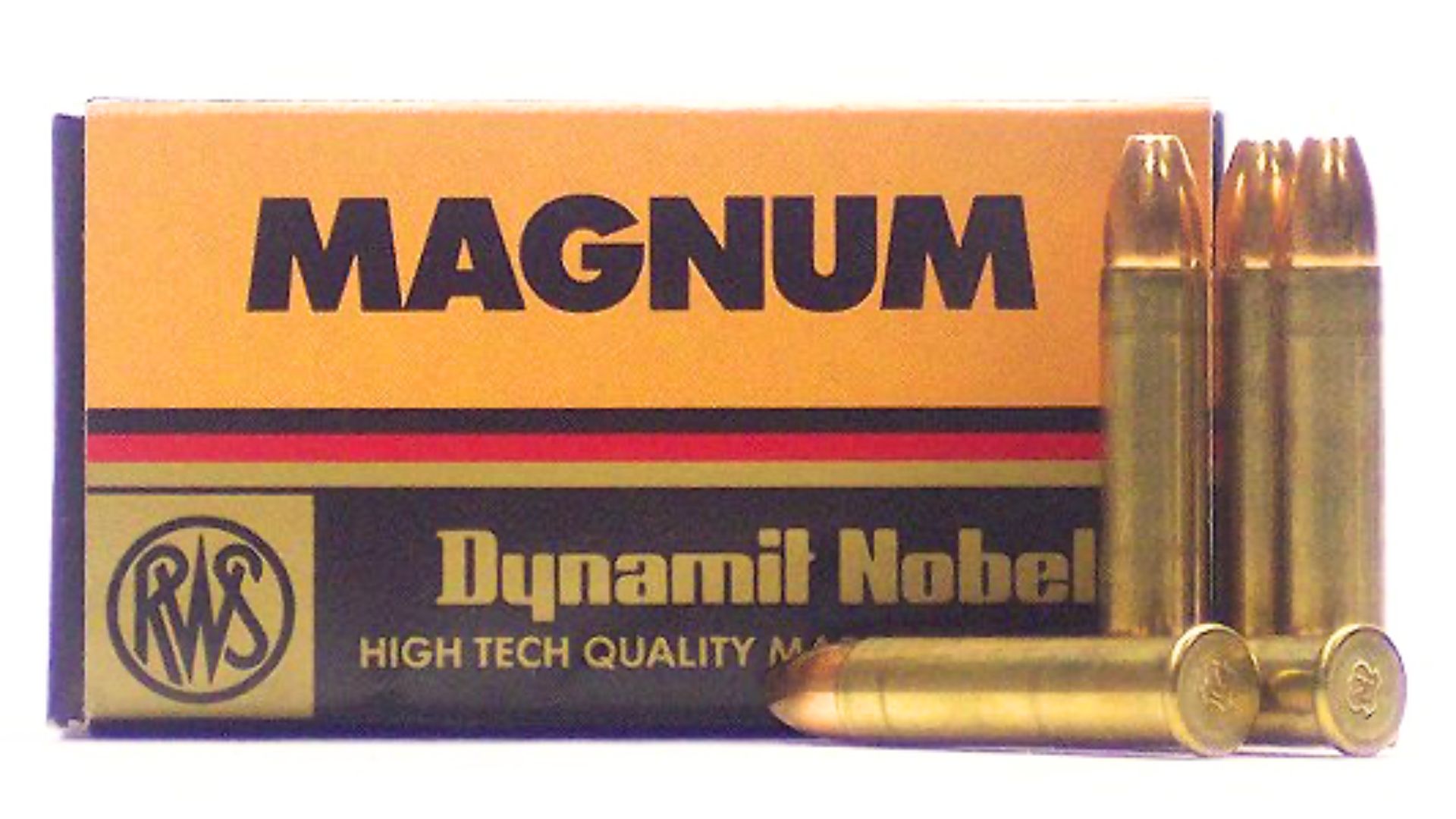
The .22 WMR shines for varmints, but it’s a last-resort choice for anything bigger. Hunters who’ve pushed it into coyote or small-bodied deer territory will tell you it delivers inconsistent penetration and unpredictable expansion, especially with older loads. When your bigger rifle is out of commission, you might reach for a .22 Mag out of desperation, not strategy.
It’s a capable rimfire, but it simply wasn’t designed for dependable performance on tougher animals. If you’re loading .22 WMR for anything beyond pests, you’re usually doing it because you didn’t have a better option on hand.
.25-20 Winchester
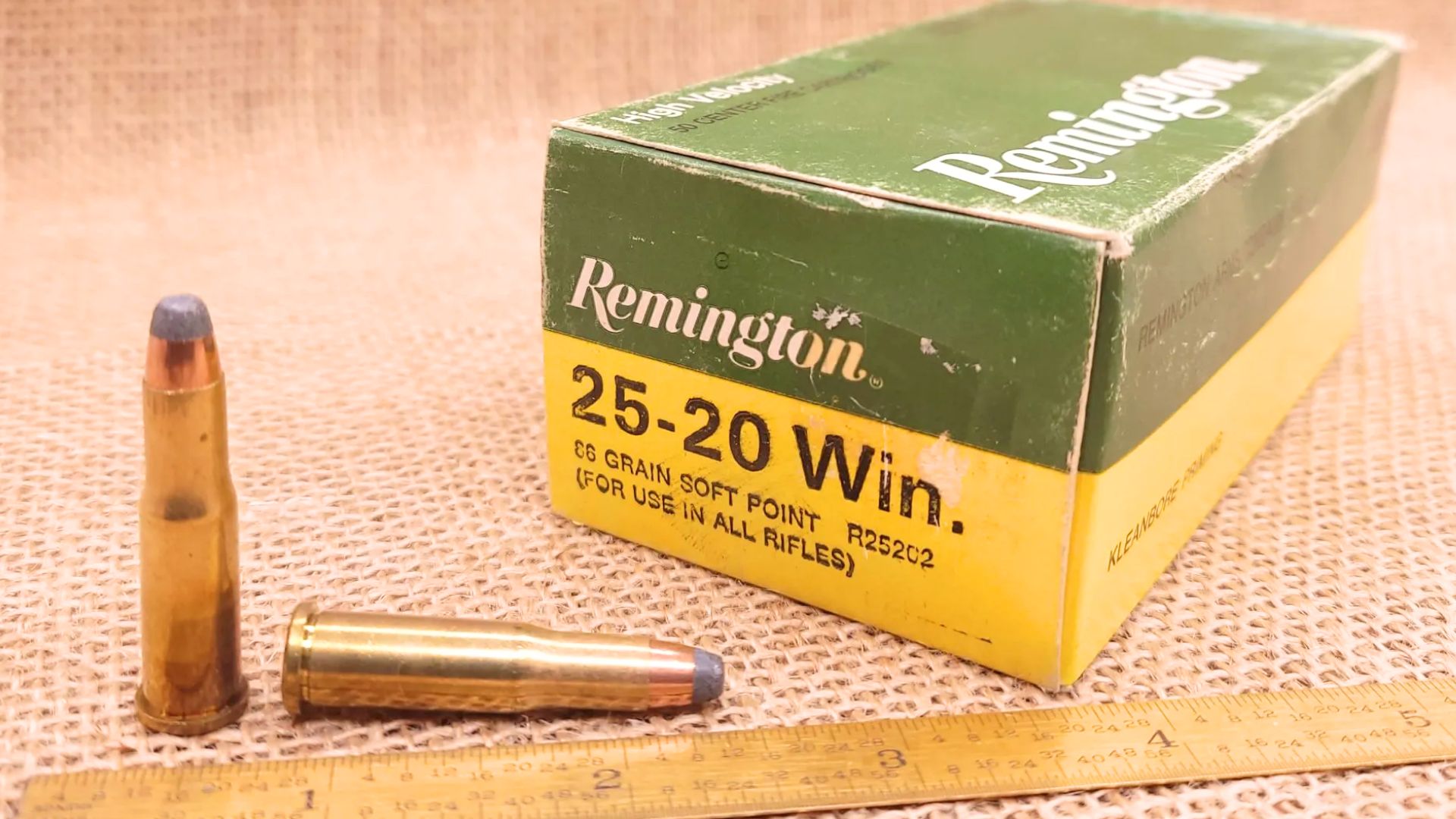
The .25-20 Winchester is charming in old lever guns, but it’s far from ideal when the stakes are high. It lacks the velocity needed for clean kills on anything beyond small game, and bullet selection remains extremely limited. Hunters who’ve tried pushing it beyond its lane often found that it failed to anchor animals as expected.
Most people who still own rifles in this caliber shoot them for nostalgia, not practicality. When you load .25-20 for a hunt, it’s usually because you’re down to whatever odd cartridges you have left. It works—but only inside a very narrow performance window.
.30 Carbine
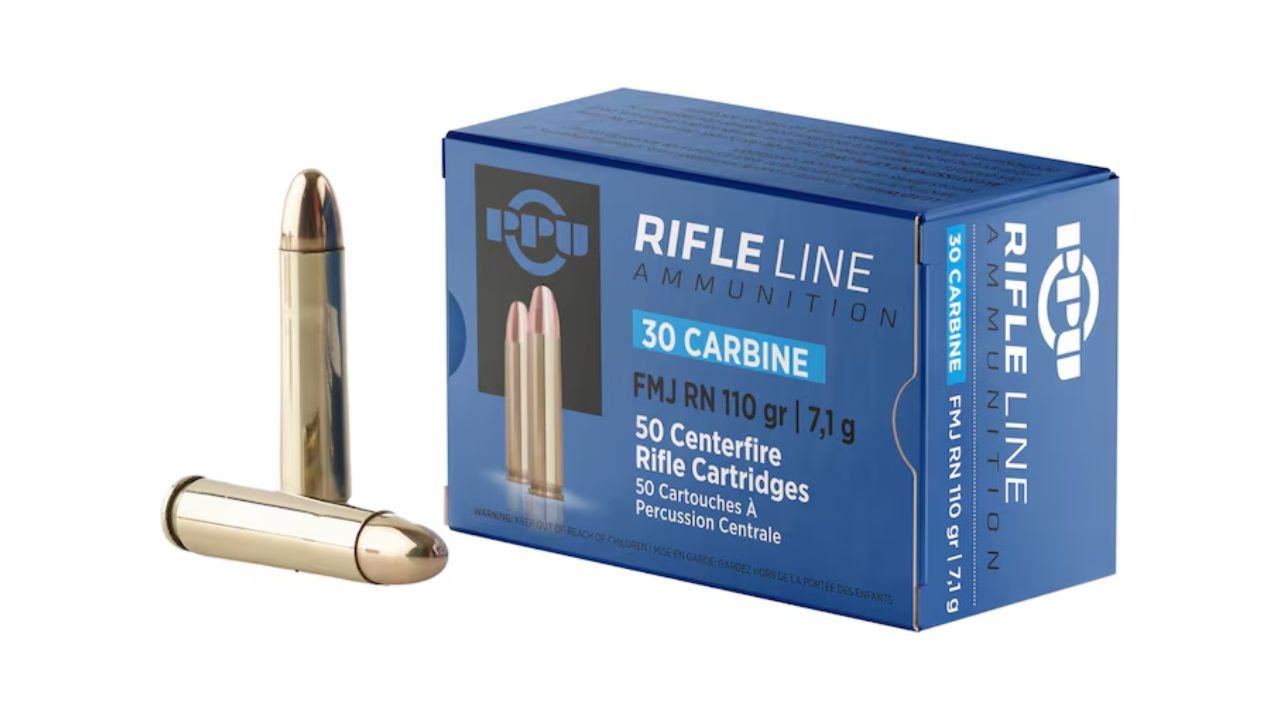
The .30 Carbine drifts into hunting use only when ammunition options run thin. Its military roots don’t translate well to the field, and expansion is inconsistent across many loads. Hunters report that it can work on small deer at close range, but it lacks the reliability you want when conditions aren’t perfect.
It’s not a terrible round—it’s simply not built for ethical hunting unless distances are controlled and bullet selection is dialed in. When someone loads .30 Carbine for the woods, it’s usually because every more capable cartridge in the safe has already been used up.
.32 Winchester Special

The .32 Winchester Special offers ballistics not far from .30-30, but field performance tends to be spottier. Some rifles don’t shoot it well, and handloading can be tricky because certain barrels prefer specific powders and bullets. Many hunters found it inconsistent enough that they drifted back to more predictable calibers.
Because of that history, the .32 Special often ends up being the “if I have to” choice when ammo is scarce. It still takes deer, but it rarely inspires confidence. Most hunters load it only when they’ve run out of tried-and-true alternatives.
.38-40 Winchester
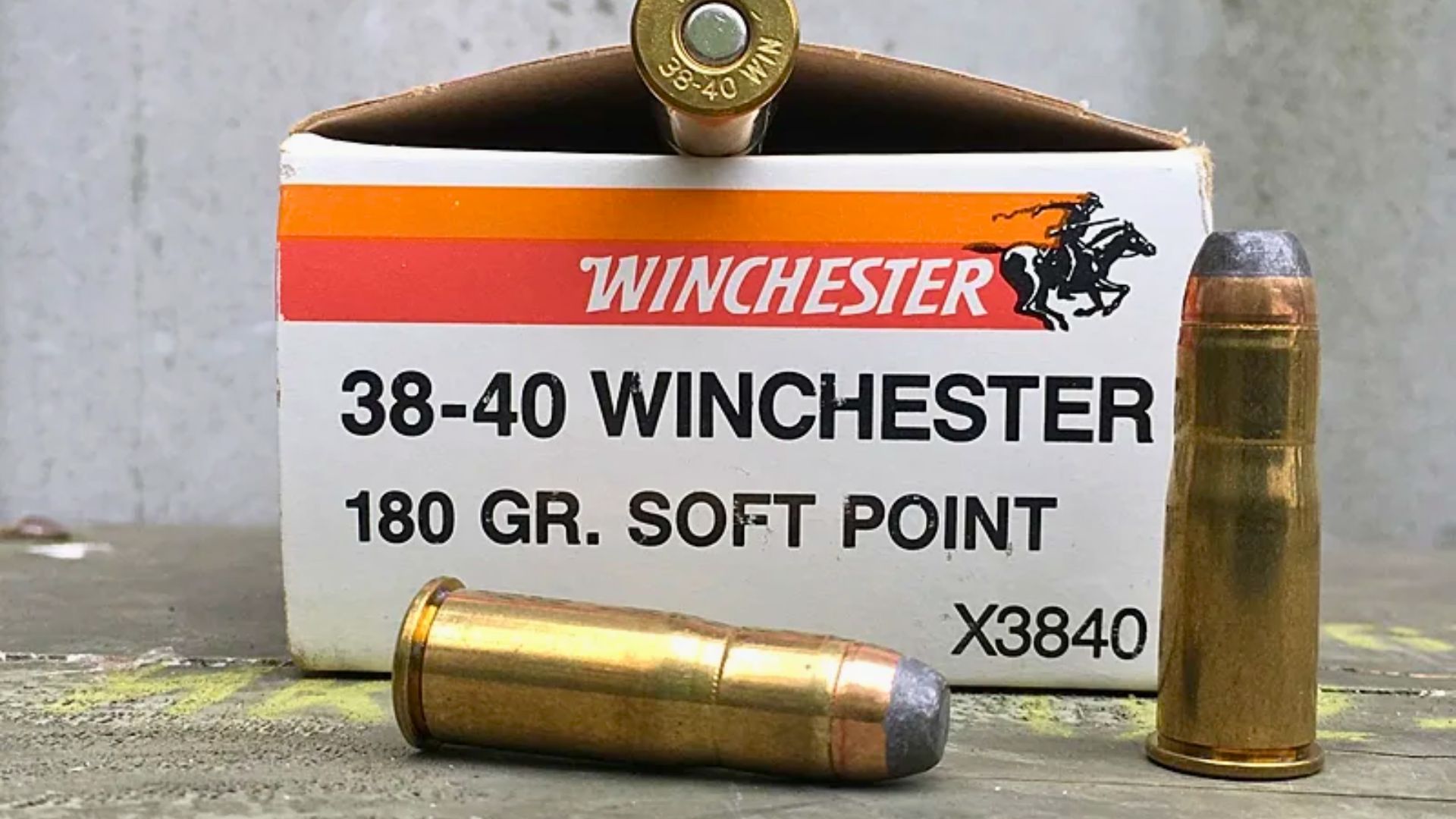
The .38-40 can be fun to shoot, but as a hunting round it shows significant limitations. Its velocity is modest, penetration varies wildly between loads, and accuracy in older rifles is often mediocre. When someone carries it afield, it’s usually because that’s the only rifle they have working at the moment.
With modern bullets it performs better, but it still lacks the authority most hunters expect. It’s one of those calibers that rides along in the truck until everything else is gone—and even then, you think twice before loading it.
.44-40 Winchester
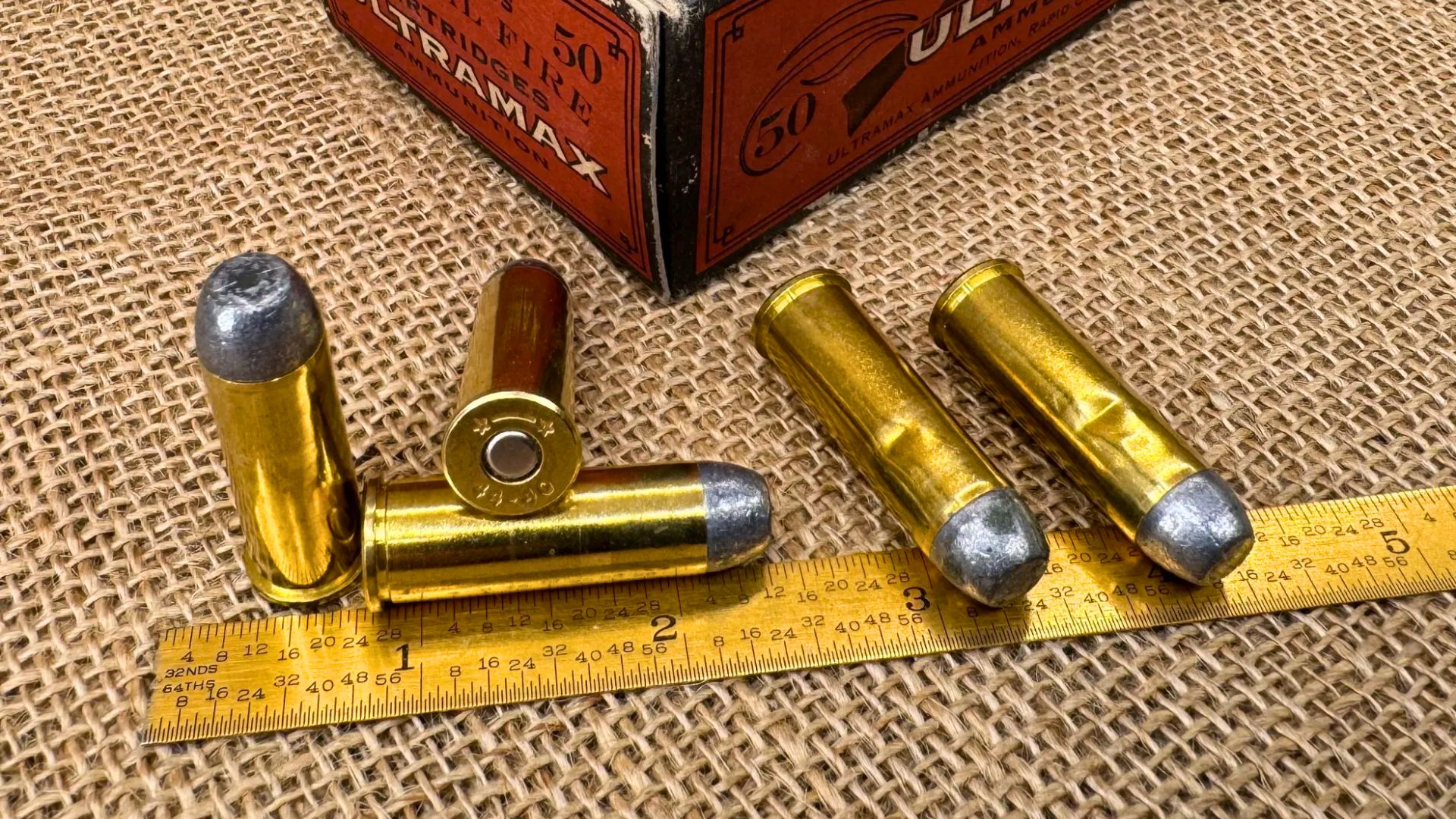
Much like its close relative, the .44-40 suffers from velocity ceilings and inconsistent bullet construction. It works well for cowboy action or casual range time, but as a hunting round it’s considered marginal by nearly every modern standard. Hunters who’ve used it often report frustrating blood trails and slow recoveries.
When you load .44-40 for a hunt, it’s often because you’re out of modern cartridges and don’t have a better tool available. It’s capable in very controlled situations, but not something experienced hunters reach for by choice.
.50 Beowulf
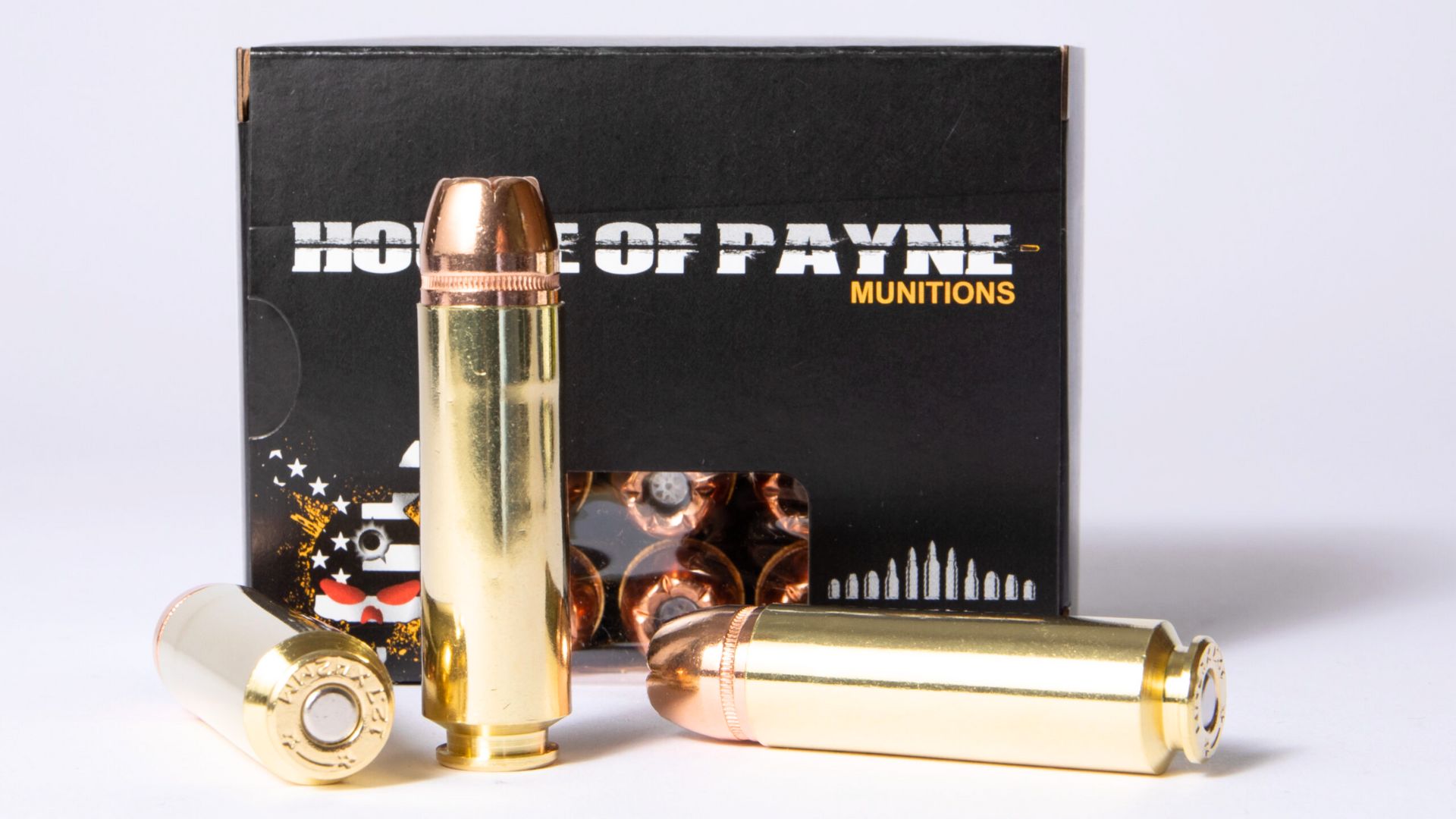
The .50 Beowulf delivers huge energy on paper, but field accuracy can suffer, especially in carbines with basic barrels. Many rifles struggle with consistency at distance, and the heavy recoil makes follow-ups slower. Hunters who rely on precise shot placement often avoid it unless they’re working inside tight ranges.
Because ammo can be pricey and sometimes hard to find, hunters keep it around as a back-of-the-safe fallback. When you load it, you’re usually doing so because your more predictable cartridges are gone—not because it’s the ideal tool for clean kills.
.218 Bee
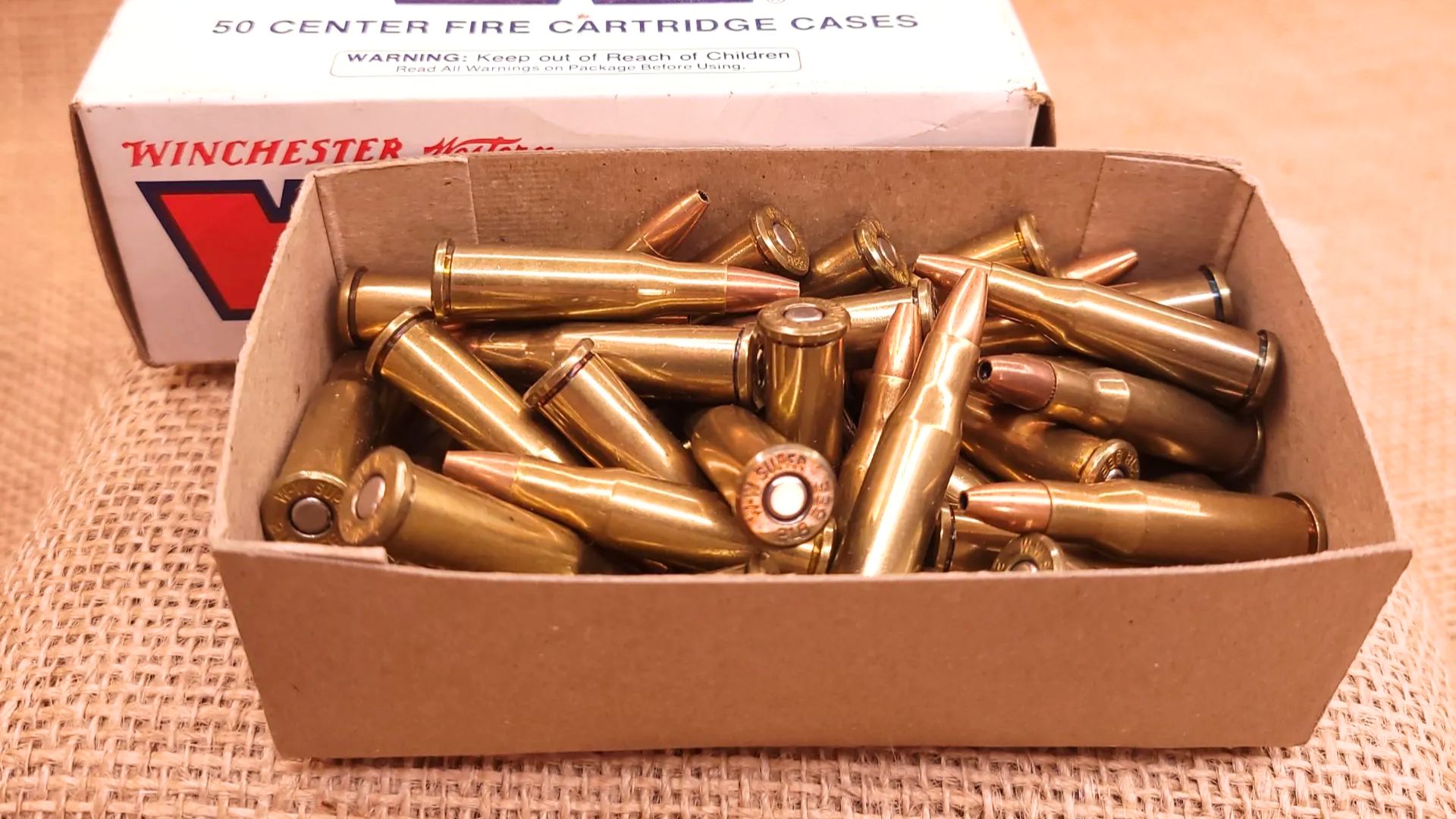
The .218 Bee has a loyal following, but its real-world performance is limited by inconsistent factory loads and rifles that vary in quality. It’s fine for varmints at modest ranges, yet unpredictable enough that many hunters don’t take it seriously when conditions require precision.
When you end up loading .218 Bee for the field, it’s usually because you’ve burned through your .22-250, .223, or .204 Ruger. It works, but only when you accept its narrow margin for error and keep expectations realistic.
.35 Remington (in heavily worn rifles)

The .35 Remington is effective in good rifles, but many hunters only encounter it in guns that have seen decades of hard use. Worn bores, loose stocks, and tired triggers often turn a once-capable caliber into something inconsistent. Groups open up, penetration varies, and confidence fades fast.
When someone loads .35 Rem in a beat-up rifle, it’s frequently because they’re short on options. The round itself isn’t the failure—its age and platform usually are. Still, for many hunters, it’s the “use it only if nothing else is left” choice.
.300 Blackout (supersonic loads on deer)

The .300 Blackout can shine in specific setups, but many hunters push it far beyond its realistic capabilities. Supersonic loads often lack the velocity needed for reliable expansion at typical deer distances, especially in short barrels. That leads to unpredictable terminal performance.
Hunters load it when their main rifle is unavailable and they don’t want to carry a full-size centerfire. But when the moment of truth comes, the cartridge doesn’t offer the margin of error most people want. It’s usable—but rarely anyone’s first choice.
.257 Roberts (in slow-twist vintage rifles)

The .257 Roberts can be excellent, but older rifles with slow twist rates limit bullet options and can make the cartridge feel underpowered. Many hunters end up loading lighter bullets simply because heavier ones won’t stabilize. That reduces flexibility and impacts performance on tougher animals.
When you’re out of better choices, the Roberts can still get the job done, but it’s not always a confident pick. Most hunters who load it under pressure know they’re working within a tighter performance range than modern calibers offer.
.444 Marlin (with outdated loads)
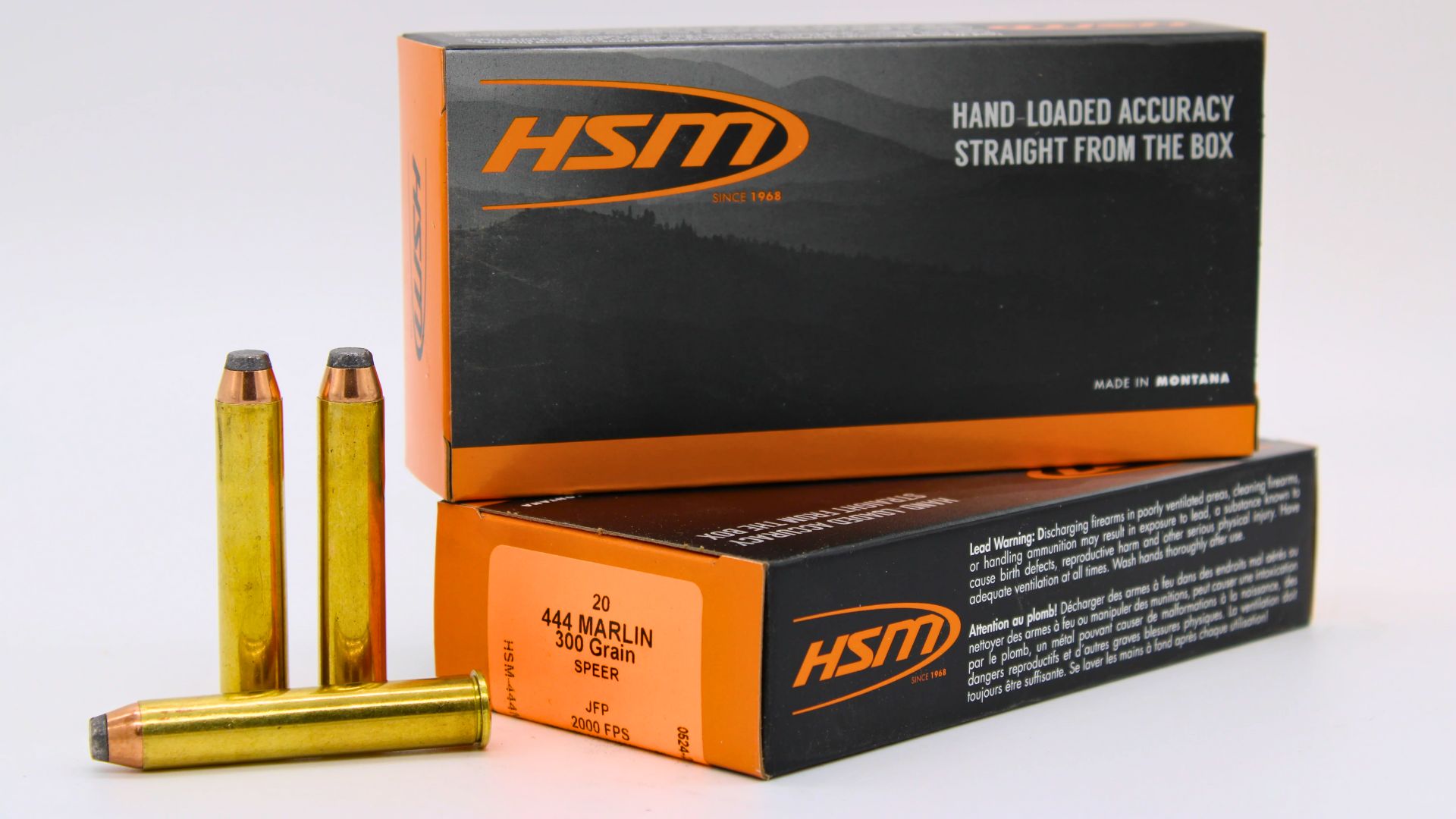
Modern .444 Marlin ammunition performs well, but older loads lacked consistency and often struggled with both expansion and penetration. If you’re stuck using those older rounds, you immediately notice their limits on medium game.
Hunters often load .444 only when they’ve run out of .45-70 or don’t have more modern ammunition available. It’s capable, but only with the right bullets—and that’s something not everyone keeps stocked. When you’re reaching into an old box of .444, you’re usually settling, not choosing.
.303 Savage
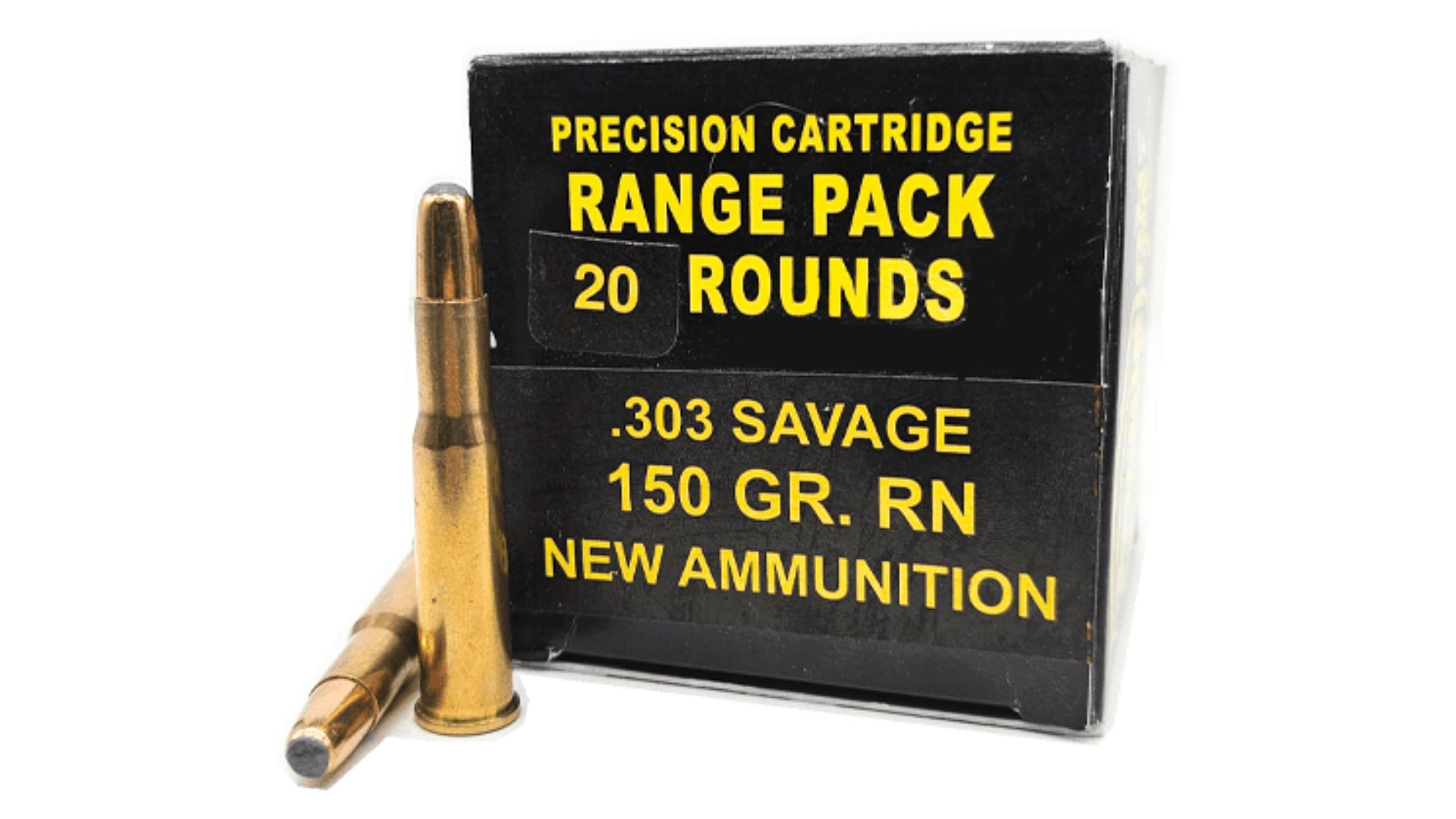
The .303 Savage suffers from limited modern ammunition and inconsistent performance in older rifles. Many hunters using it today are forced to rely on whatever ammo they can scrounge, and accuracy varies widely between loads.
When you load this cartridge, it’s often out of necessity rather than preference. It still works within tight limits, but most hunters carrying it feel like they’re operating with outdated tools. It’s a round you load when the better options have already been spent.
.30 Remington
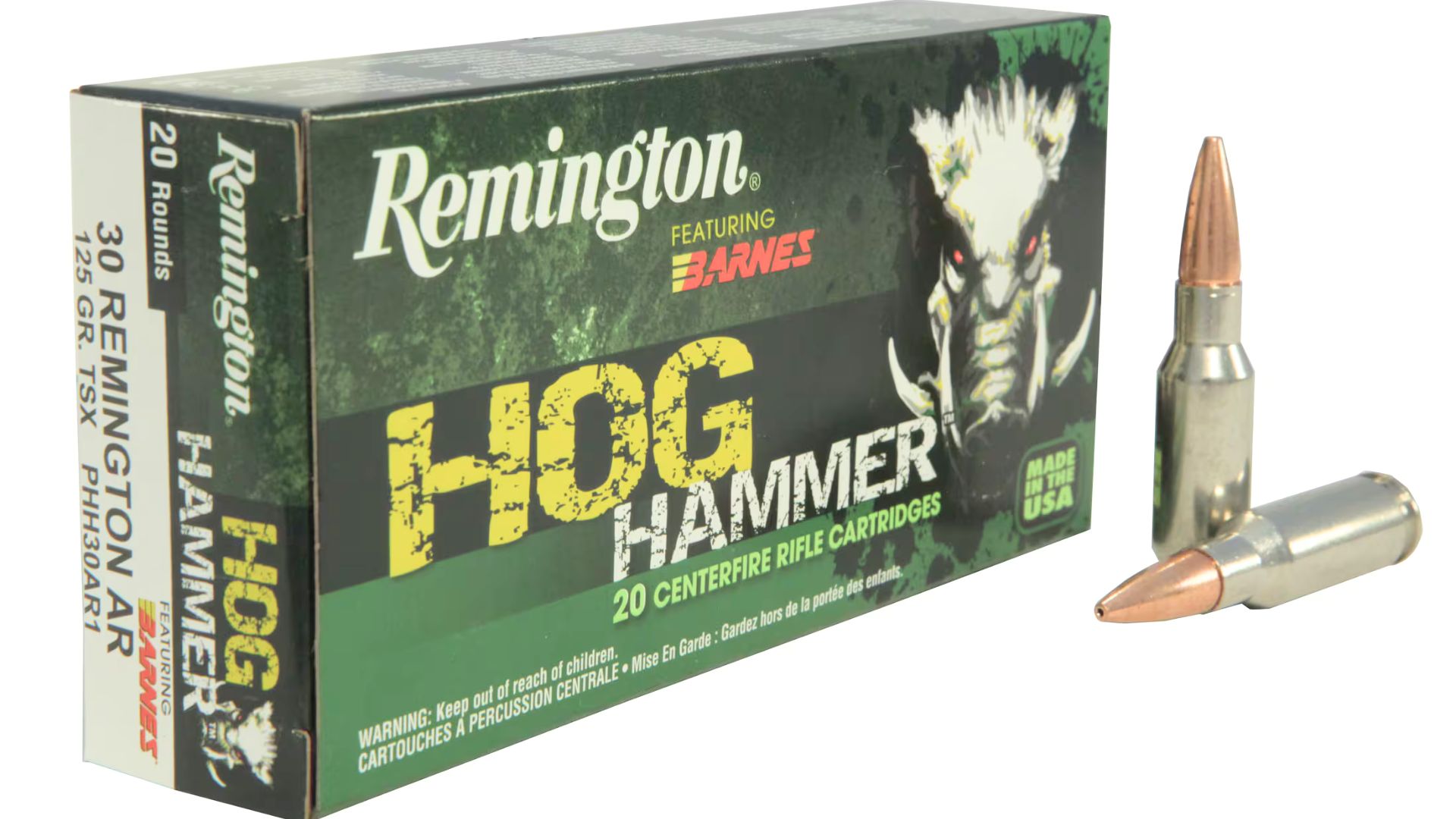
The .30 Remington has faded from mainstream use, leaving hunters with minimal ammo choices and inconsistent factory loads. In rifles that haven’t been maintained meticulously, accuracy can be surprisingly poor.
When someone loads .30 Rem today, it’s typically because they inherited a rifle and didn’t have anything else ready to go. It can still put meat in the freezer, but you’re relying on old technology with a narrow comfort zone. Most hunters only use it when they have no alternative.
.351 Winchester Self-Loading
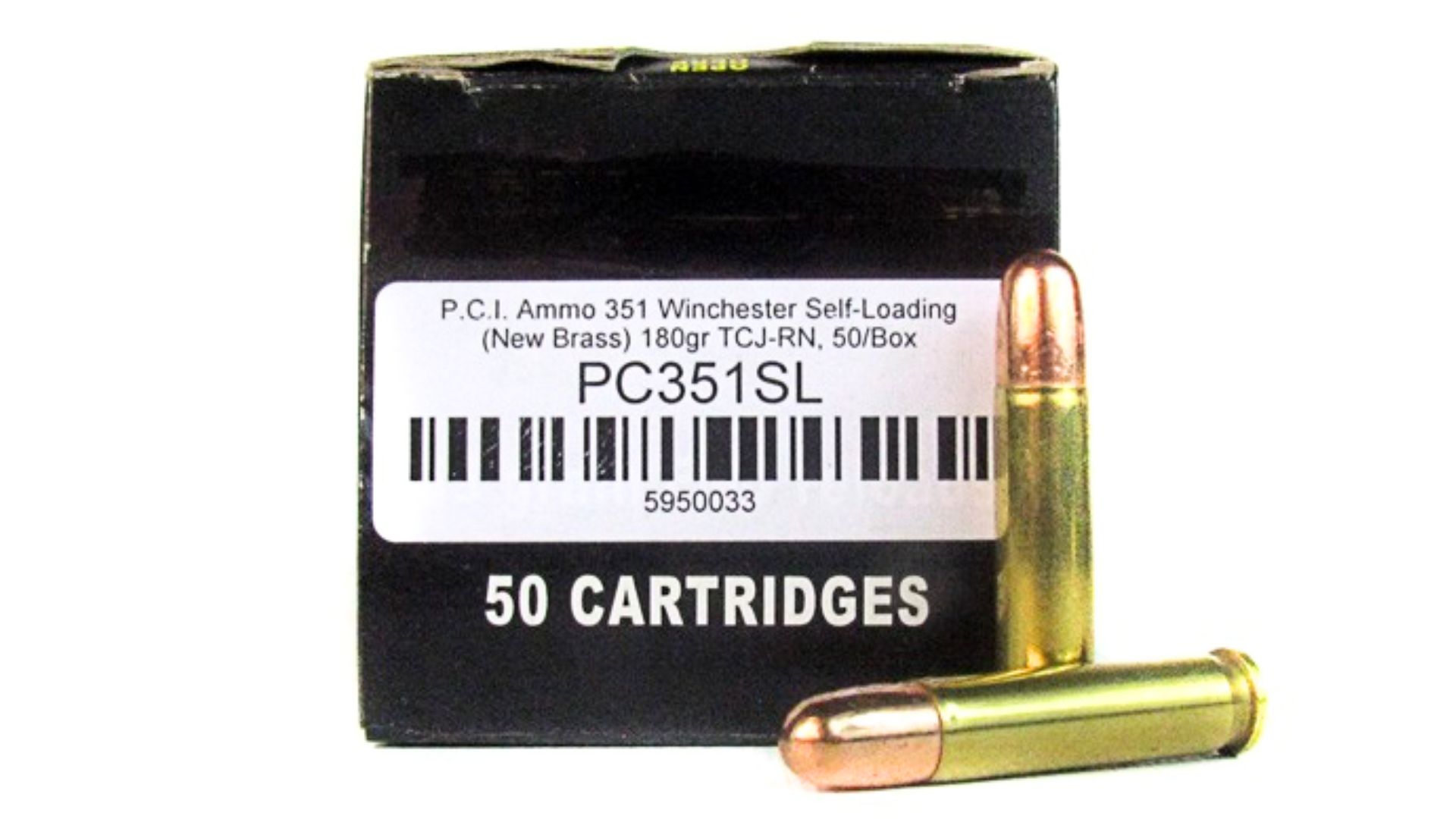
The .351 WSL lives on mostly through collectors, but hunters who’ve tried it found its performance limited and inconsistent. Bullet construction is dated, factory loads are uncommon, and expansion is often unreliable.
When you load it for the field, you’re usually short on better cartridges and trying to make an old rifle earn its keep. It can work in close quarters, but it’s far from ideal. Most hunters only reach for it when they’ve exhausted every modern option.
Like The Avid Outdoorsman’s content? Subscribe to our newsletter so you never miss an article.
Here’s more from us: