Photo credit: Range Ronin/YouTube
Some guns look like they’re built for war. Thick slides, chunky frames, aggressive marketing, “duty” vibes—then you actually run them hard and they start showing cracks. High round counts expose the stuff that casual range trips never will: weak springs, small parts that peen, pins that walk, rails that wear oddly, mags that start causing problems, and designs that run fine clean but fall apart when hot and dirty. None of this means every sample is junk. It means some platforms don’t like being treated like a training gun.
Kimber 1911 (budget and mid-tier models run hard)

Kimber 1911s can feel tight and impressive out of the box, and plenty of them shoot well in normal use. The problem is when you start treating one like a high-volume training gun. Tight 1911s can be less forgiving as they heat up and get dirty, and small parts wear becomes a real thing—extractor tension, recoil springs, magazines, and little fitment quirks that show up after you’ve burned real ammo through it.
High round count 1911 ownership is doable, but it’s not casual. You’re basically committing to being your own armorer, even if the gun isn’t “custom.” If you’re the guy who shoots 50 rounds every couple months, you may never notice. If you’re running classes and shooting weekly, that’s where the platform starts demanding attention and punishing you if you ignore it.
Springfield Armory 1911 (entry-level models pushed hard)
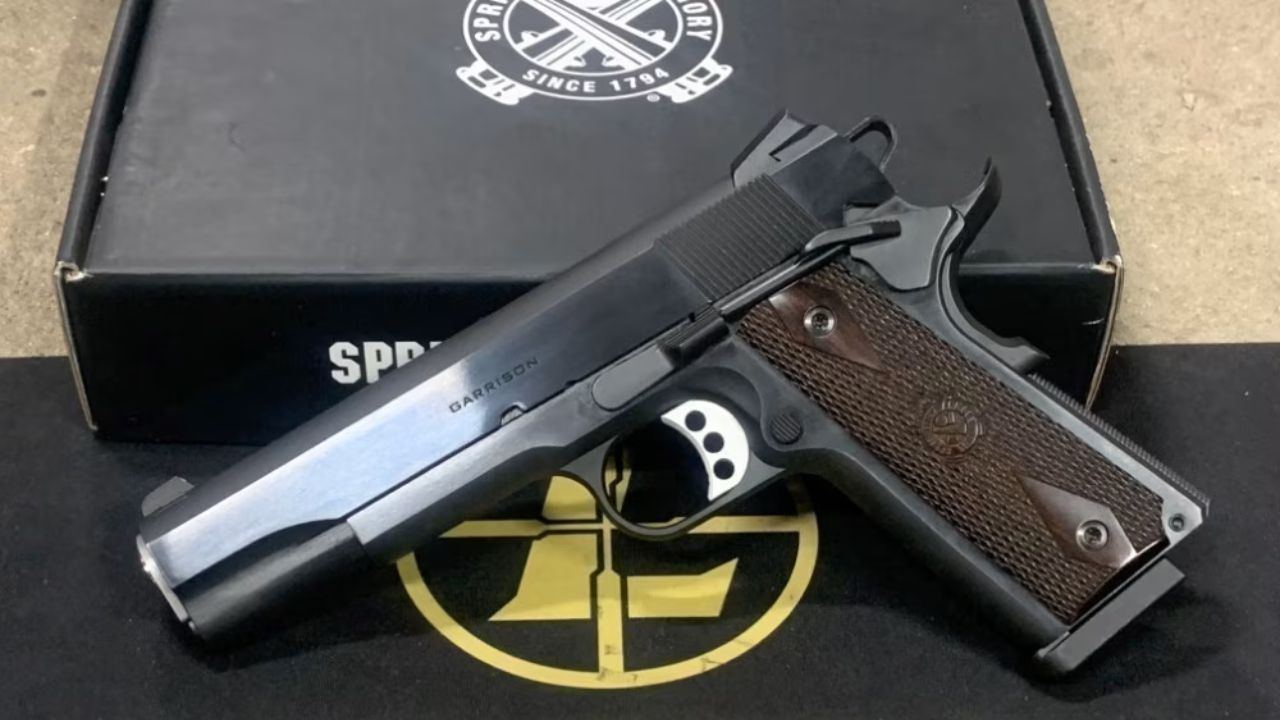
Same story as above, just a different badge. A lot of entry-level 1911s look and feel tough until you run them hot, fast, and dirty. A beginner sees the weight and the steel and assumes it’s indestructible. Then the gun starts getting finicky with certain mags, extraction gets inconsistent, or you start seeing parts wear patterns that don’t show up in striker guns.
This is why instructors who shoot a ton either run very proven 1911 builds with vetted parts, or they avoid 1911s for high-volume training. It’s not hate—it’s realism. If you love the platform, plan for springs and mags as consumables and don’t pretend maintenance is optional. A “tough-looking” 1911 can still be a high-maintenance relationship.
Remington R51 (design that doesn’t reward hard use)
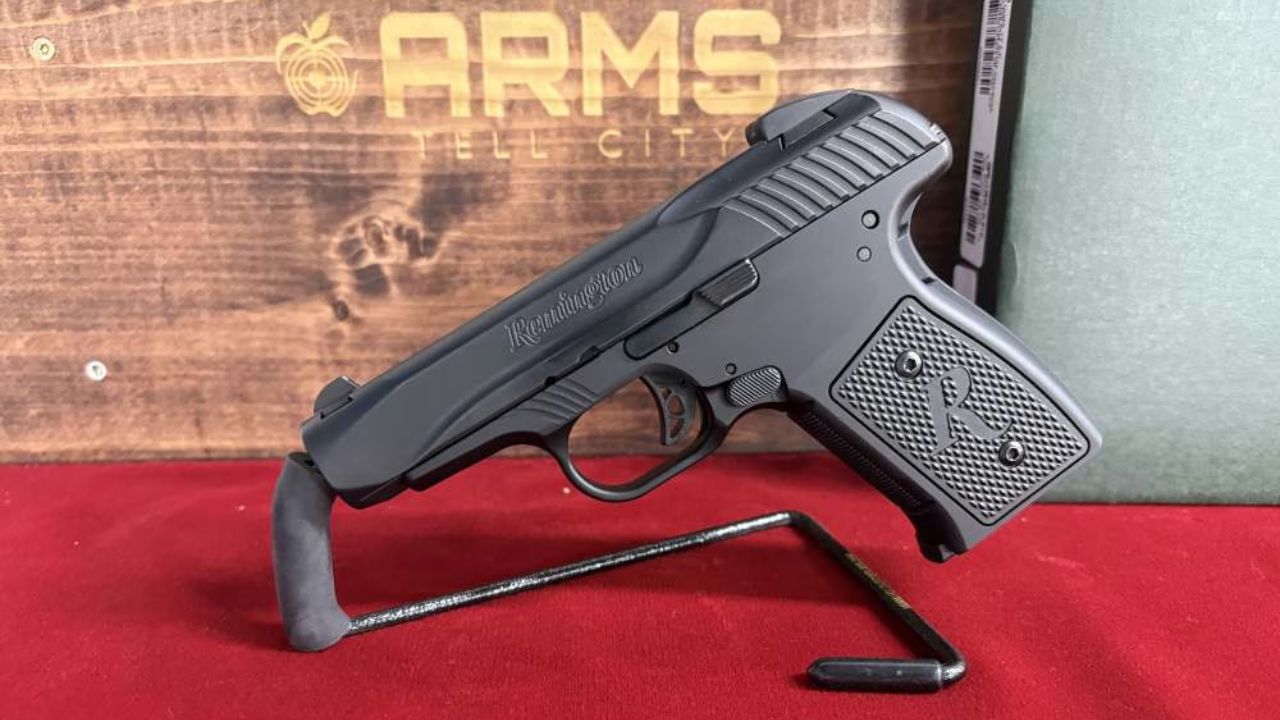
The R51 had a tough look and a cool concept, but it’s not the kind of gun I’d pick if my goal was high round counts and hard training. When a design is complicated and the support ecosystem is thin, every small problem becomes a bigger problem. And once you start seeing inconsistent behavior, your confidence drops, and you stop trusting it enough to shoot it hard.
High round count guns need two things: durability and easy support. When either one is missing, the gun “hates” volume because the owner can’t keep it running without frustration. Even if your particular sample runs okay, the platform history and parts reality make it hard to recommend as a “shoot it forever” training pistol.
SIG Sauer P938 (micro guns don’t love endless reps)
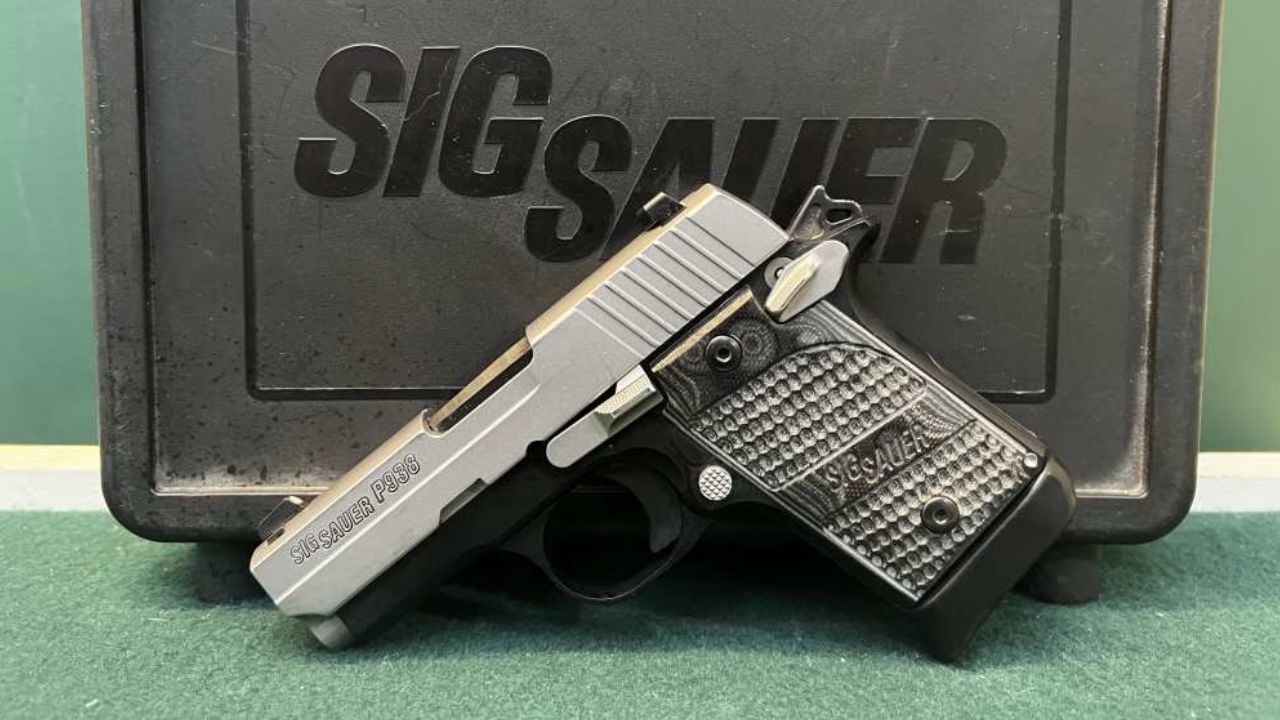
The P938 looks like a mini tank—metal frame, serious vibe—but it’s still a small pistol. Small pistols get punished in high-round-count training because the recoil cycle is fast, springs work harder, and your grip has less leverage. Over time you’ll notice wear and sensitivity that you might not see on a compact. You’ll also notice shooter fatigue, which leads to limp-wrist issues that get blamed on the gun.
None of that means the P938 can’t be reliable. It means it’s not the ideal platform for 10,000-round lifestyles. It’s built to carry first. If you insist on training hard with it, you need to stay on top of recoil springs and magazines and be realistic about how small guns behave when you run them hot.
Ruger LCP / LCP Max (carry guns aren’t always “training guns”)

LCPs look rugged for their size, and they’re absolutely useful. But high round counts on pocket pistols reveal their limits fast. They’re light, small, and they move a lot in recoil. That means parts take a beating and shooters take a beating. You can do it, but you’ll feel it in reliability sensitivity and in how often you need to inspect and replace wear items.
A pocket pistol isn’t supposed to be your “500 rounds every Saturday” gun. Some people force it into that role, then wonder why it starts acting tired. If you want to stay sharp with one, practice enough to maintain skill, then do your real volume on a larger gun that’s built to absorb that kind of use without getting cranky.
Taurus Judge (heavy use reveals timing and wear realities)

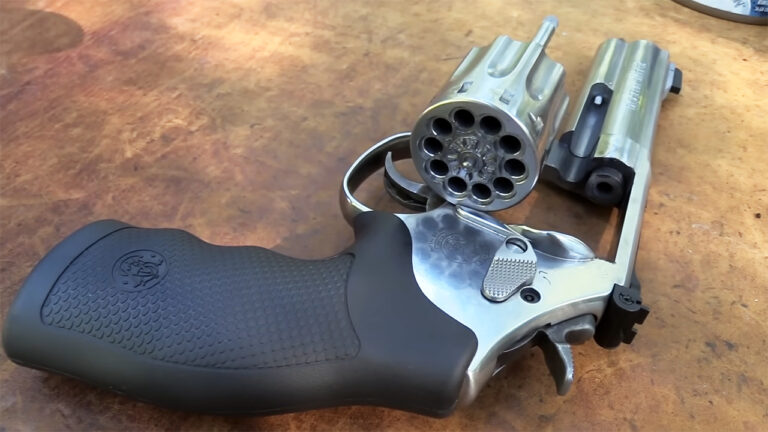
The Judge looks like it should survive the apocalypse. Revolvers feel “tough” to new shooters. But when you start running revolvers hard—especially ones built around a gimmick caliber mix—you can expose timing wear, lockup issues, and general durability limitations. The Judge also isn’t a platform most people have deep maintenance knowledge for, so problems linger.
High round count revolver shooting is a different world than “a cylinder or two on the weekend.” If you want a revolver that lives through a lot of reps, you generally want a proven duty-style revolver design with a strong parts and service ecosystem. The Judge can be fun, but “fun” and “endless hard training” aren’t the same goal.
Kel-Tec PF-9 (lightweight doesn’t equal durable under volume)

Kel-Tecs often look like rugged tools, and some run fine for their purpose. The PF-9 is a good example of a pistol that can do its carry job but doesn’t always love being run constantly. Very light pistols with simple construction can start showing wear patterns, looseness, and sensitivity to being dry or dirty when you put a lot of rounds through them.
That’s the trap: people buy them because they’re light and affordable, then try to train like it’s a duty gun. High volume training reveals that some designs are built more for “carry a lot, shoot a little” than “shoot endlessly.” If you own one, keep it clean, keep it lubed, and don’t expect it to feel like a compact service pistol after heavy use.
SCCY CPX series (cheap and small shows limits under hard use)
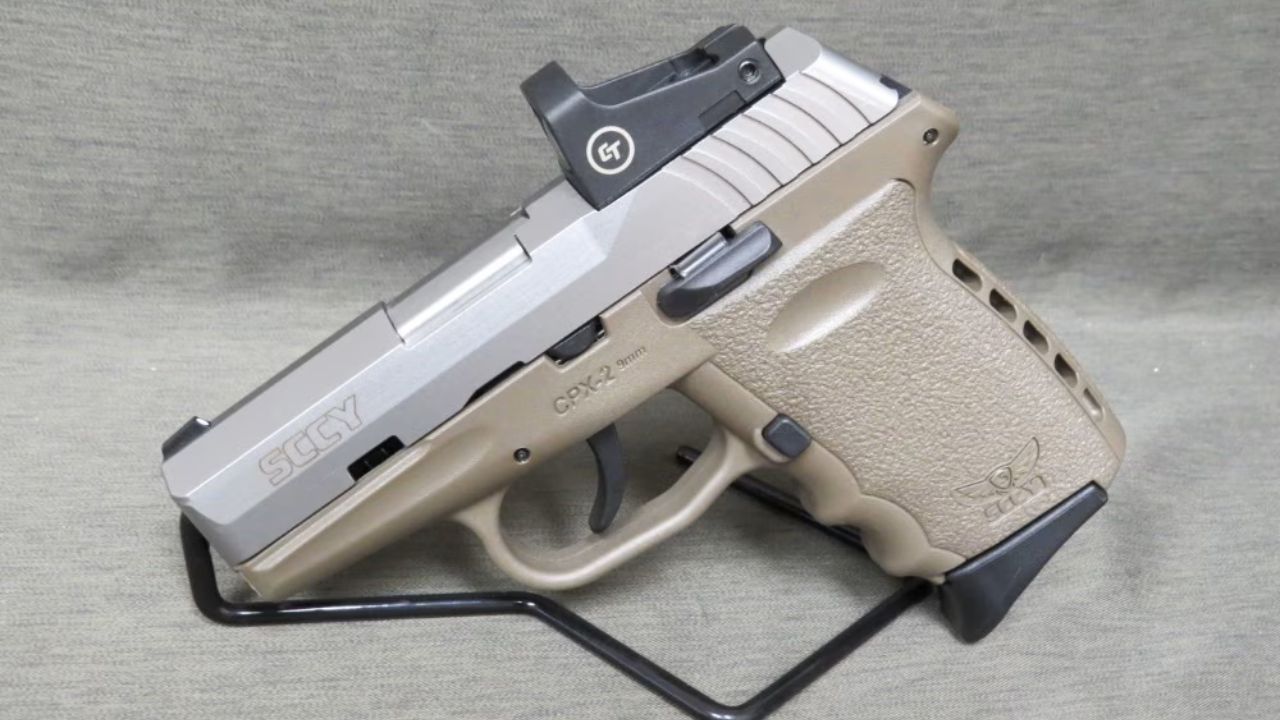
SCCY pistols look rugged and simple, but they’re not typically chosen by people who shoot huge round counts. When you start running them hard, you can run into parts longevity issues, magazine quirks, and general “tolerance stack” problems that show up as inconsistent behavior. Some samples run okay. Some don’t. High volume shooting magnifies that difference.
The problem is confidence. If a gun acts weird once every 200 rounds, you can’t ignore it when you’re training seriously. You end up troubleshooting instead of improving. That’s why a lot of instructors steer high-volume shooters toward common service pistols with deep parts support, even if they cost more up front. It’s cheaper in frustration.
Hi-Point C9 (works, but high volume is not its happy place)

Hi-Points are famously durable in a “will it go bang” sense, but they’re not built for speed and high round count training. They’re heavy, blowback, and not designed for the same lifecycle expectations as duty pistols. Under high volume you’re managing heat, fouling, and wear in a system that wasn’t built to feel smooth or consistent at pace.
Can they keep running? Sometimes, yes. Do they reward high-volume training? Usually not. The experience becomes more about fighting the gun than building skill. If someone is stuck with one, the smartest move is to keep it clean, keep it lubed, and accept the limitations. If someone has a choice, a used mainstream compact is usually a better long-term training partner.
Budget AR-15s with bargain BCGs (they run until they don’t)
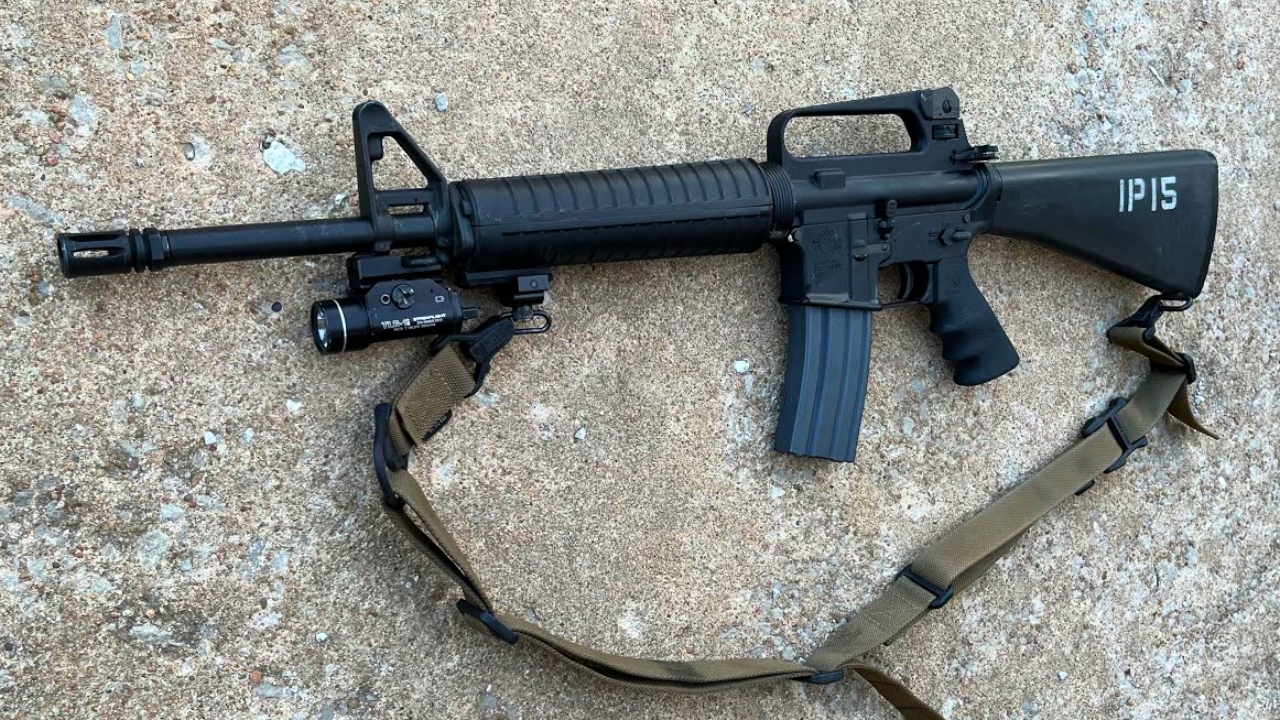
A budget AR can look like a duty rifle with the right furniture and marketing. Then you run it hard and start seeing the weak links: gas key staking issues, extractor wear, inconsistent gas port sizing, buffer mismatches, and bolts that don’t have the same life expectancy as better materials and QC. A few hundred rounds won’t show it. Thousands will.
The frustrating part is the gun often runs “fine” until it suddenly doesn’t, and then you’re chasing problems that compound. High round count AR ownership is easier when the foundation is solid—quality bolt, consistent gas system, and proper assembly. A cheap rifle can become an expensive one once you’re replacing parts, diagnosing failures, and losing range time.
Glock 43 (small size makes wear and shooter fatigue show up faster)

Glock 43s look like they can handle anything—and mechanically, many can. But the small format makes high round count training harder on both the shooter and the system. Recoil is sharper than on a compact. Grip consistency is harder. As shooters fatigue, malfunctions that weren’t the gun’s fault start happening more. Then people blame the pistol.
The pistol can handle plenty of rounds, but the experience of running it hard is what “hates” volume. You end up training less because it’s not enjoyable. If you want a gun to train hard with and carry, a slightly bigger pistol usually gives you more margin. The micro format is great for concealment, not always great for endless training.
Mossberg 500 (with cheap accessories and hard use)

A 500 is a tough shotgun, but when people load them up with bargain accessories and then run high round counts, problems show up. Cheap shell carriers loosen. Stocks and forends flex. Mounting screws back out. Then the gun gets blamed when the real culprit is the junk bolted onto it.
Also, pump guns need honest technique. If you’re shooting fast and short-stroking, the gun feels “unreliable.” Under volume, fatigue makes short-stroking more likely. A bone-stock 500 with good ammo and good technique is tough. A “tacticool” 500 loaded with cheap add-ons can start feeling like it hates hard use because the whole system is sloppy.
Ruger SR9 / SR9c (fine casual guns, less common hard-run lifecycle)
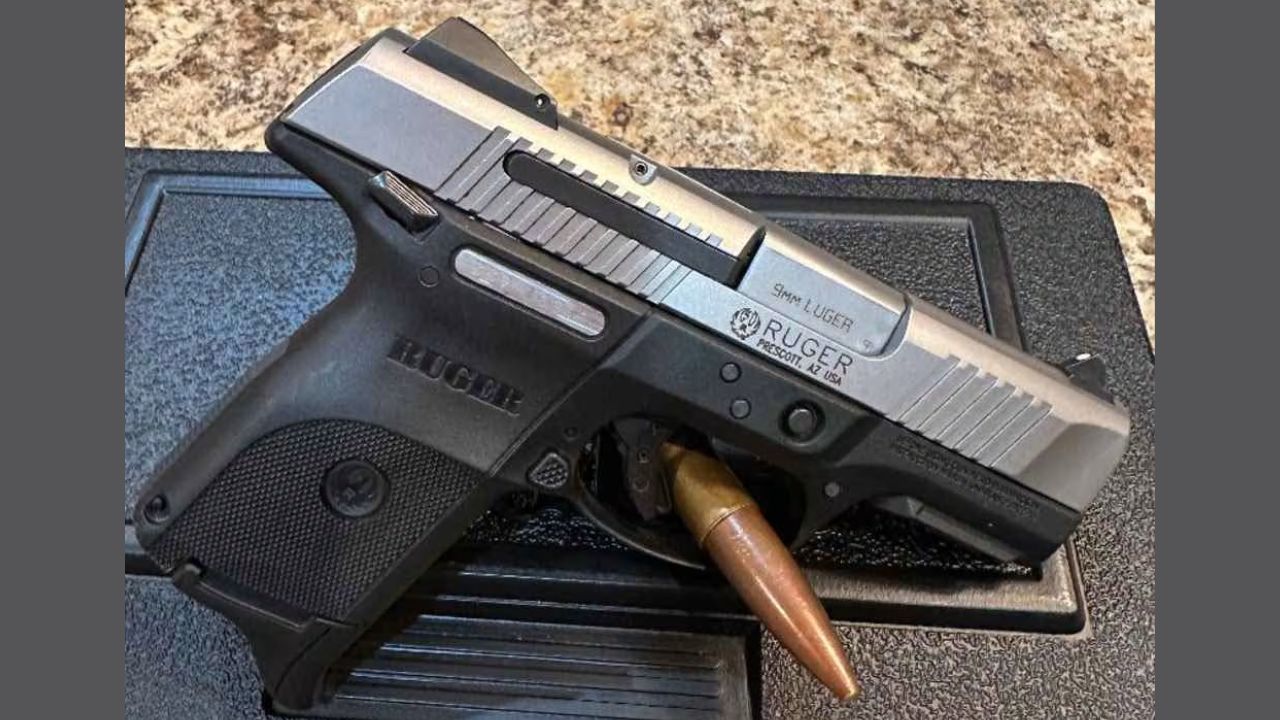
The SR9 series can be reliable, but it’s not as common in high-volume training circles as Glock/M&P. That matters because fewer people are tracking long-term wear patterns, fewer parts bins exist locally, and support is thinner. Under high round count, that turns minor issues into bigger delays—springs, mags, little parts that are easy on mainstream pistols.
If you run one hard, the smart move is to stock wear items and mags ahead of time and keep the gun lubricated. The pistol may run fine. The “punish you” part is often ecosystem support rather than catastrophic failure. But when you’re shooting a lot, downtime and parts scarcity feel like the gun “hates” volume even if it’s technically serviceable.
Like The Avid Outdoorsman’s content? Be sure to follow us.
Here’s more from us: