Photo credit: MMXeon/Shutterstock.com
Penetration is one of the most important factors in deciding whether a caliber is truly effective. Without enough depth, a bullet may fail to reach vital organs or even punch through bone. Some calibers look fine on paper but consistently underperform when tested in ballistic gel or on game. These rounds tend to lack either the velocity, bullet weight, or design needed to drive deep. If you rely on them for serious work, you’ll quickly see why they fall short.
.25 ACP
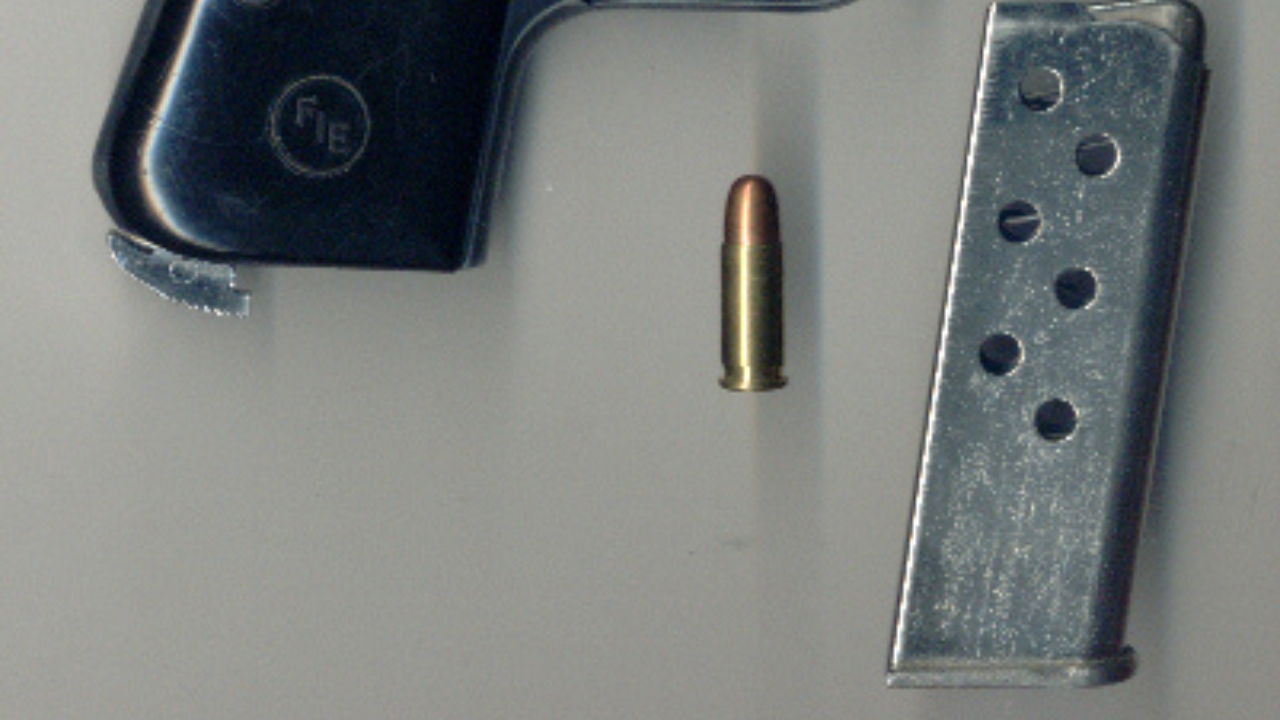
The .25 ACP was marketed as a step up from .22 LR, but in penetration it barely delivers. Its light bullet and modest velocity rarely achieve enough depth in gel tests to be considered reliable. For defense, it simply doesn’t reach vital structures.
Shooters often criticize it as ineffective, and for good reason. Even though it may feed more reliably than rimfire, penetration remains poor. In real-world terms, it offers little beyond noise and minimal wounding potential when compared to larger calibers
.32 ACP

The .32 ACP has been around for more than a century, but its penetration has never impressed. Standard loads often fall short of FBI-recommended depths in gel, especially with expanding bullets. Even full metal jacket rounds don’t perform much better.
For concealed carry, it’s been used in small pistols, but shooters quickly realize its shortcomings. When penetration is a priority, the .32 comes up lacking. It may be soft shooting, but that advantage disappears when the round can’t reliably reach critical areas.
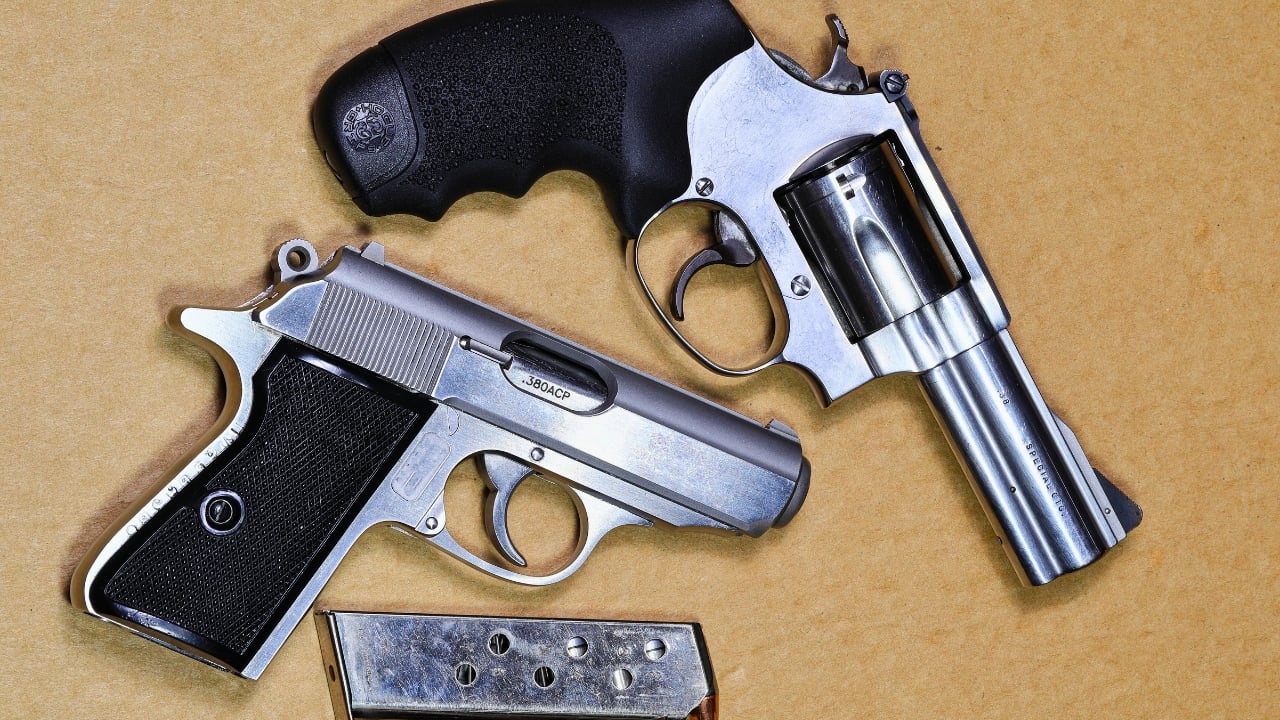
.380 ACP
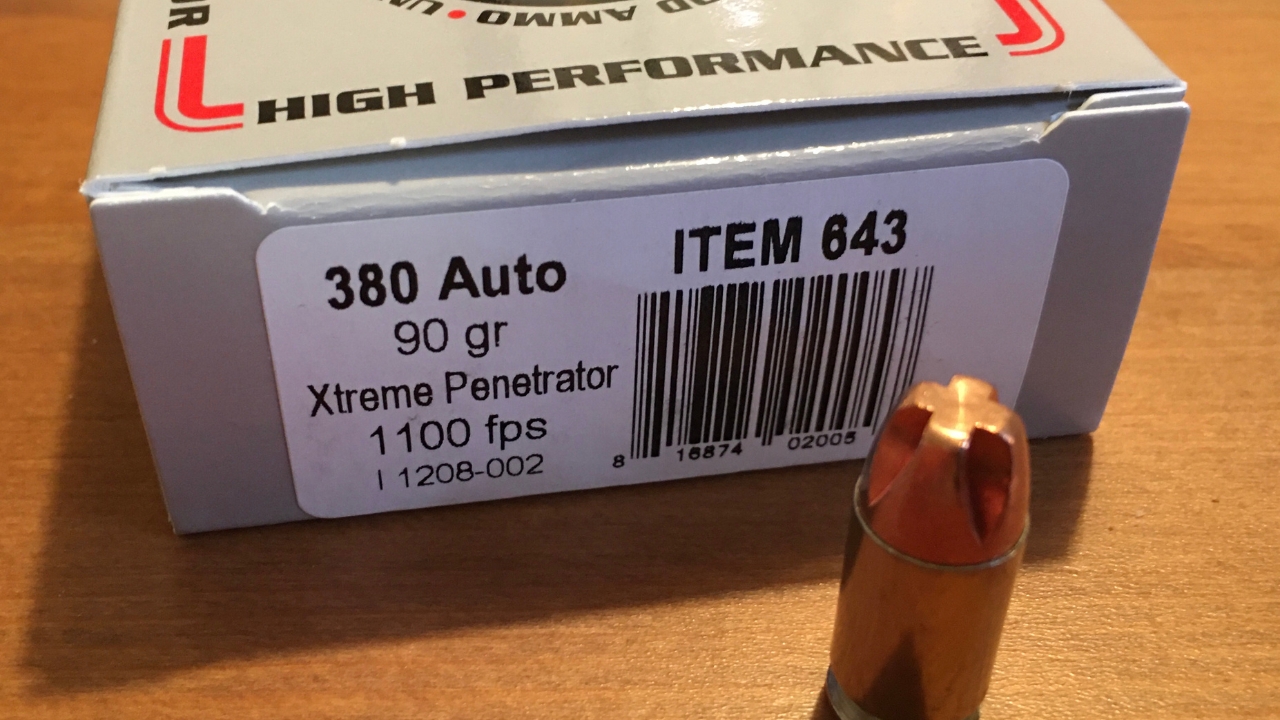
The .380 ACP sits in an awkward position. While more powerful than .32, it often underperforms when it comes to penetration. Many hollow-point loads expand too quickly, stopping short of the depth needed for reliable performance.
With full metal jacket ammo, penetration improves, but that sacrifices expansion and energy transfer. For this reason, the .380 has long been considered a compromise. At close ranges, it’s usable, but if penetration is the deciding factor, it leaves much to be desired.
.22 Long Rifle
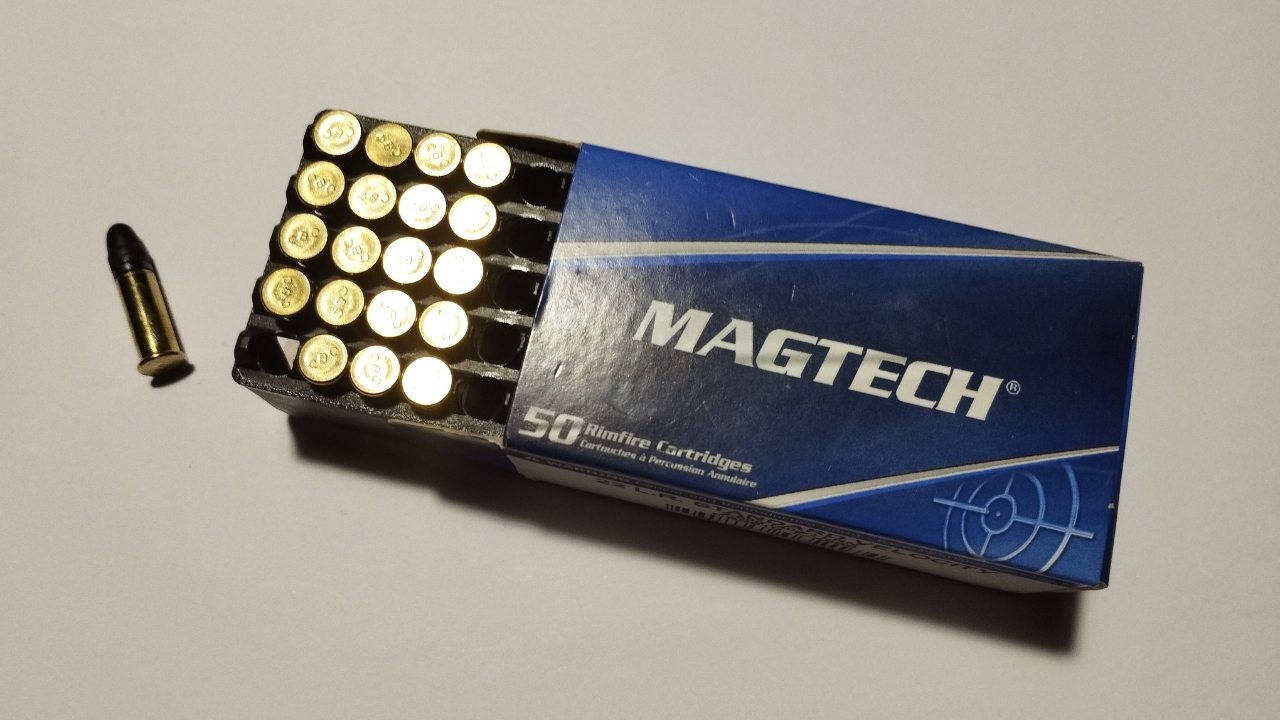
The .22 LR has earned its place as a versatile cartridge, but penetration is one of its weaknesses. Light bullets moving at modest speeds rarely achieve consistent depth. Hollow points fragment or stop short, and round nose loads don’t perform much better.
While lethal in certain circumstances, the .22 can’t be trusted for reliable penetration against barriers or on larger animals. It’s ideal for training, plinking, or small game, but once penetration matters, its limitations show. That’s why few serious shooters recommend it for defense.
.25-20 Winchester
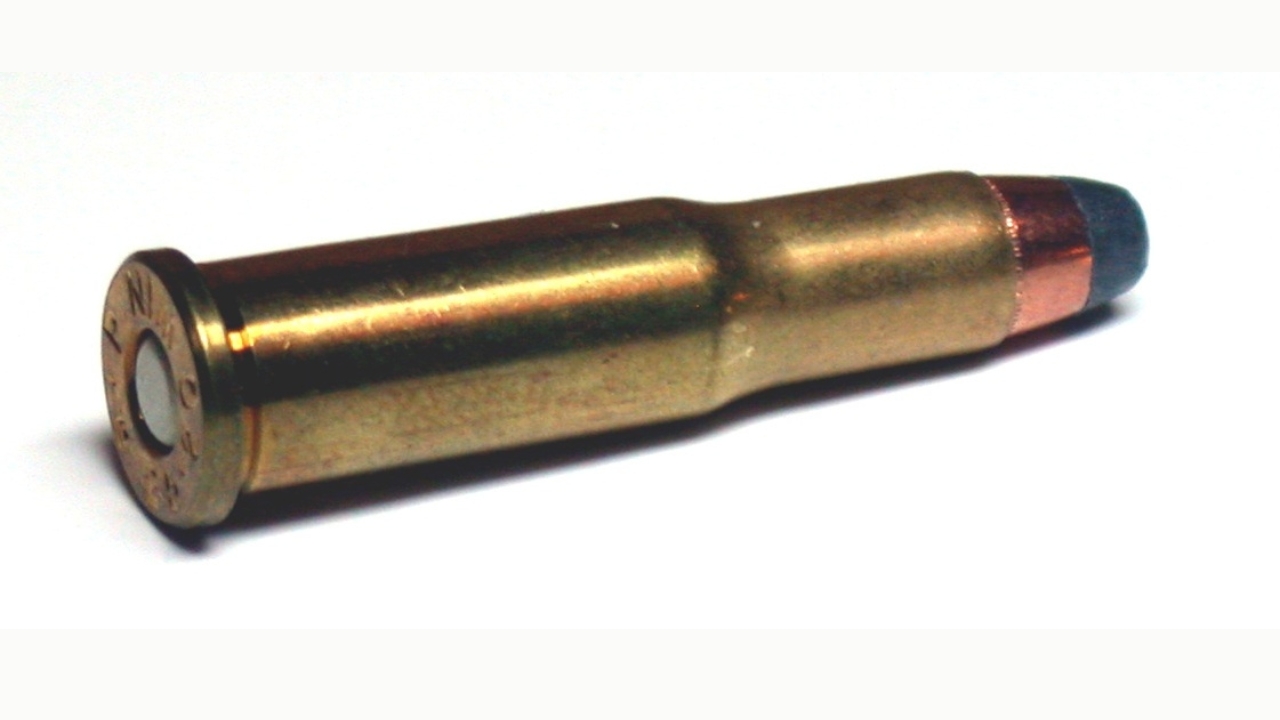
The .25-20 Winchester was once used for varmints and small game, but it’s never been known for deep penetration. Its light, low-velocity bullets are effective at close ranges on small animals, but they run short when asked to do more.
In hunting applications, it often fails against tougher targets, making it unsuitable for anything larger than varmints. Modern shooters recognize its limitations quickly. While it has nostalgia value, penetration is not one of its strengths, and better options are easy to find.
.41 Action Express

The .41 Action Express tried to deliver magnum-like ballistics in an automatic pistol, but its penetration wasn’t impressive. Ammunition availability was limited, and the bullet designs never matched expectations. Many loads fell short of deeper-driving standards.
In practice, it didn’t outperform 9mm or .40 S&W, and penetration was one reason it faded away. Shooters found it unreliable in consistently meeting minimums for defensive depth. It remains more of a curiosity today than a practical choice for serious use.
7.62×25 Tokarev (Hollow Points)
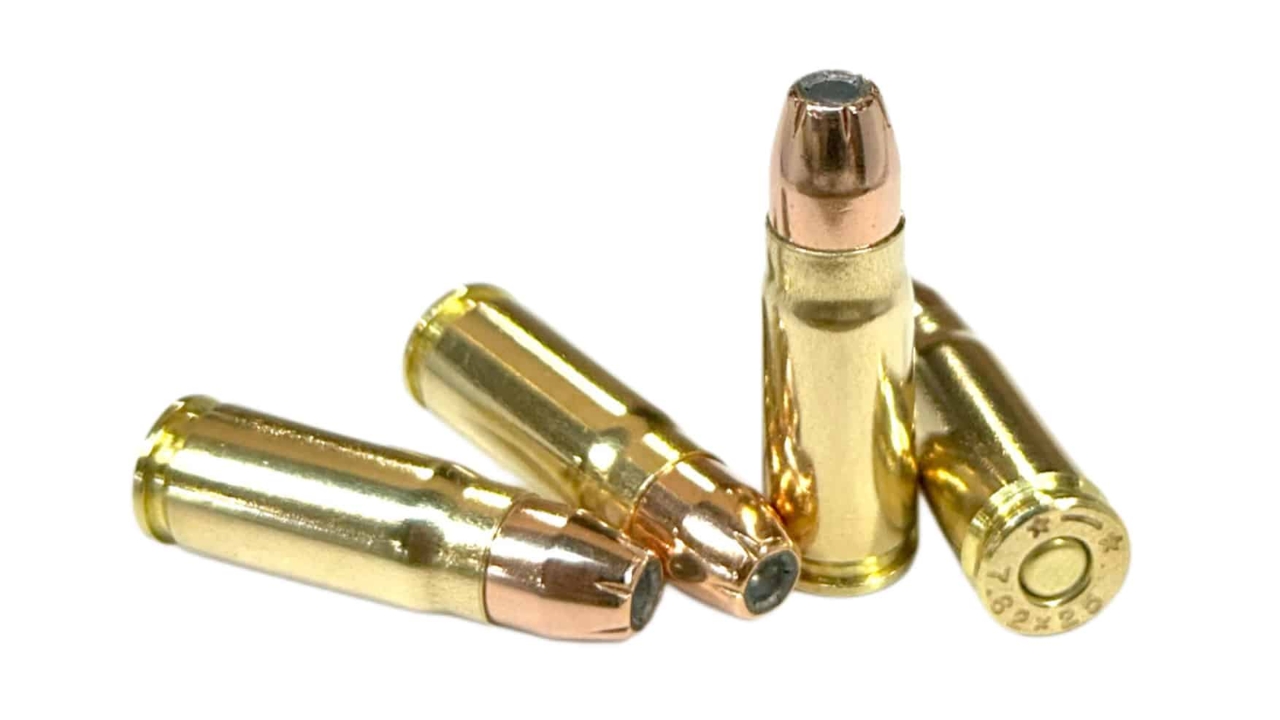
The 7.62×25 Tokarev in full metal jacket form can over-penetrate, but hollow points designed for it often run the opposite direction. Expansion is rapid, and penetration comes up short compared to modern defensive calibers.
In testing, many loads fail to meet minimum standards once expansion occurs. That creates inconsistency, which isn’t something you want in a defensive round. The caliber has history, but modern loads don’t always balance speed, expansion, and depth effectively, leading to mixed performance.
.45 Colt (Standard Loads)

The .45 Colt is legendary in revolvers and lever guns, but its standard factory loads often fall short on penetration. Designed to keep pressures safe for older firearms, these loads are mild, pushing large bullets slowly. Expansion eats up what penetration they might have had.
When loaded hotter in modern revolvers, it performs much better. But most off-the-shelf ammo remains underpowered, leaving penetration lacking. For those expecting serious performance, standard .45 Colt can disappoint when tested beyond short-range applications.
.25 NAA
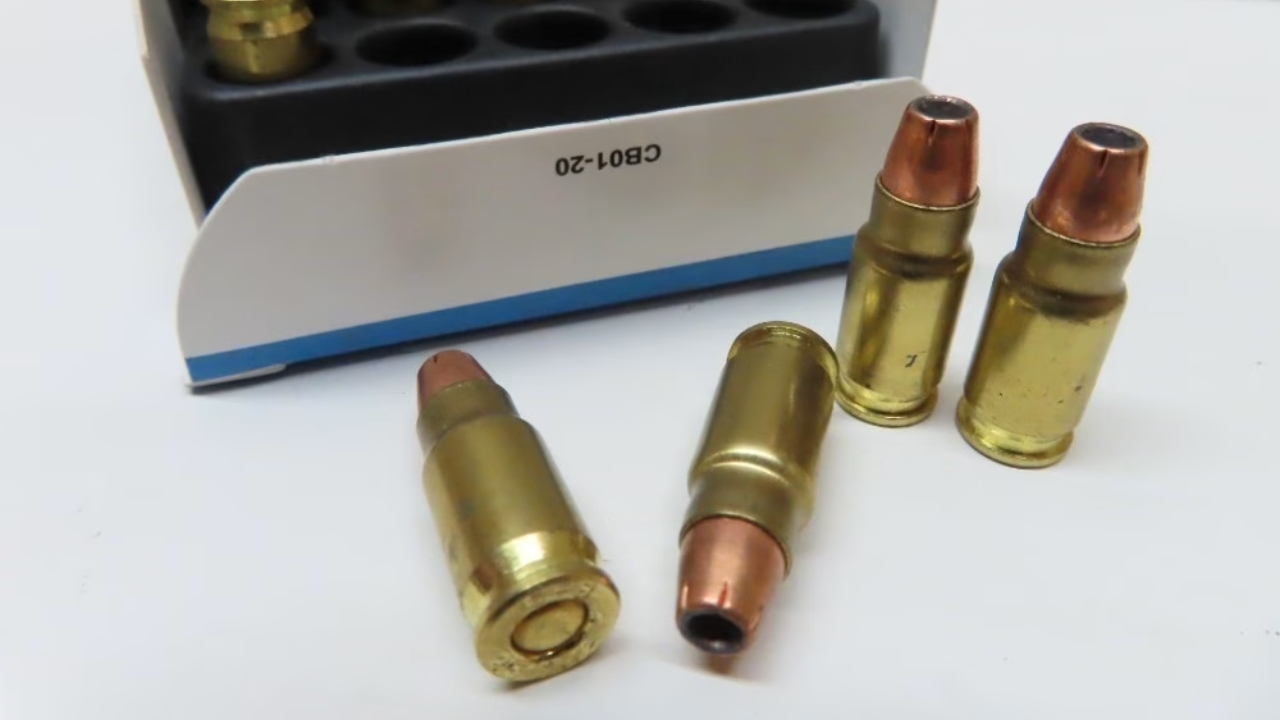
The .25 NAA was designed to improve on the .25 ACP by necking it down, but penetration remains poor. Lightweight bullets leave the barrel fast but lack the mass to drive deep into targets. Gel tests often show shallow results.
It was a niche experiment more than a practical defensive round. While interesting in theory, it doesn’t outperform more proven calibers. Its limited penetration makes it a dead end for anyone looking for a reliable option for self-defense or serious use.
.32 S&W
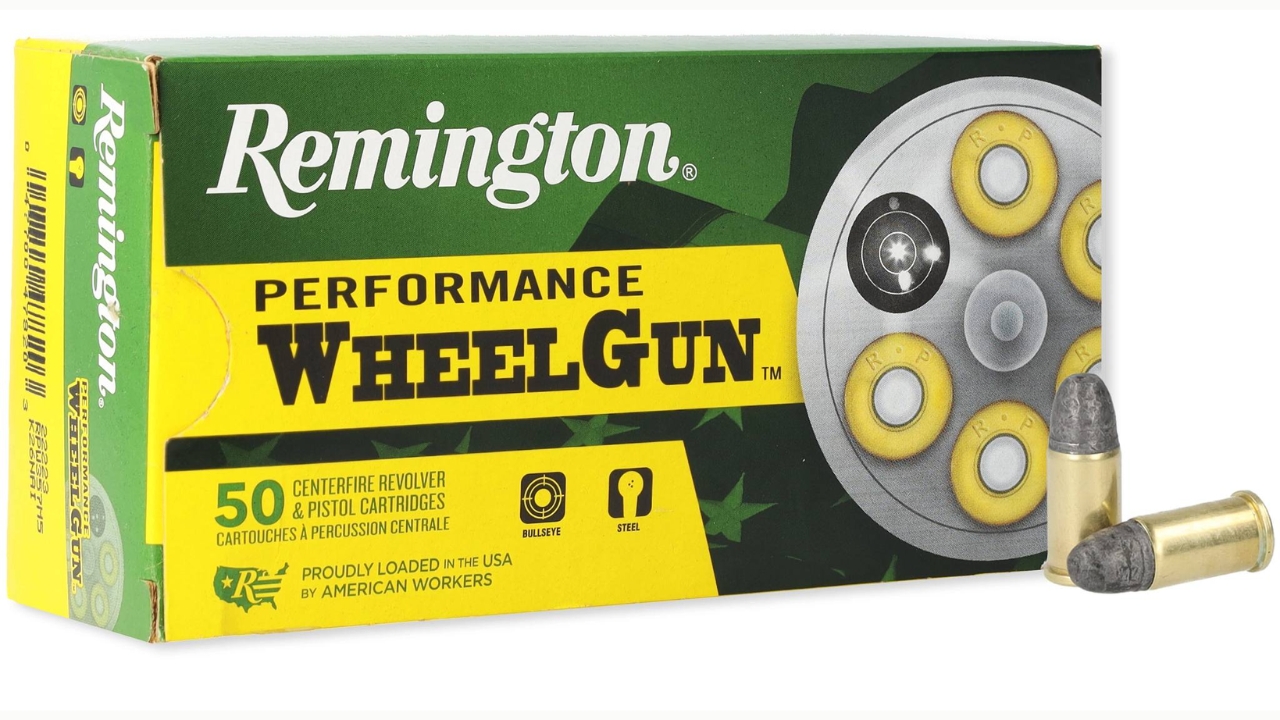
The .32 S&W was designed for early pocket revolvers, and its penetration reflects its age. Mild loads push small bullets slowly, leading to shallow performance in any kind of test medium. Against barriers or even larger animals, it comes up short.
While it has historical significance, its effectiveness is minimal by modern standards. Shooters who’ve tried it recognize its limitations quickly. For penetration, the .32 S&W simply doesn’t deliver enough to be relied on, and that’s why it faded from serious use.
*This article was developed with AI-powered tools and has been carefully reviewed by our editors.