
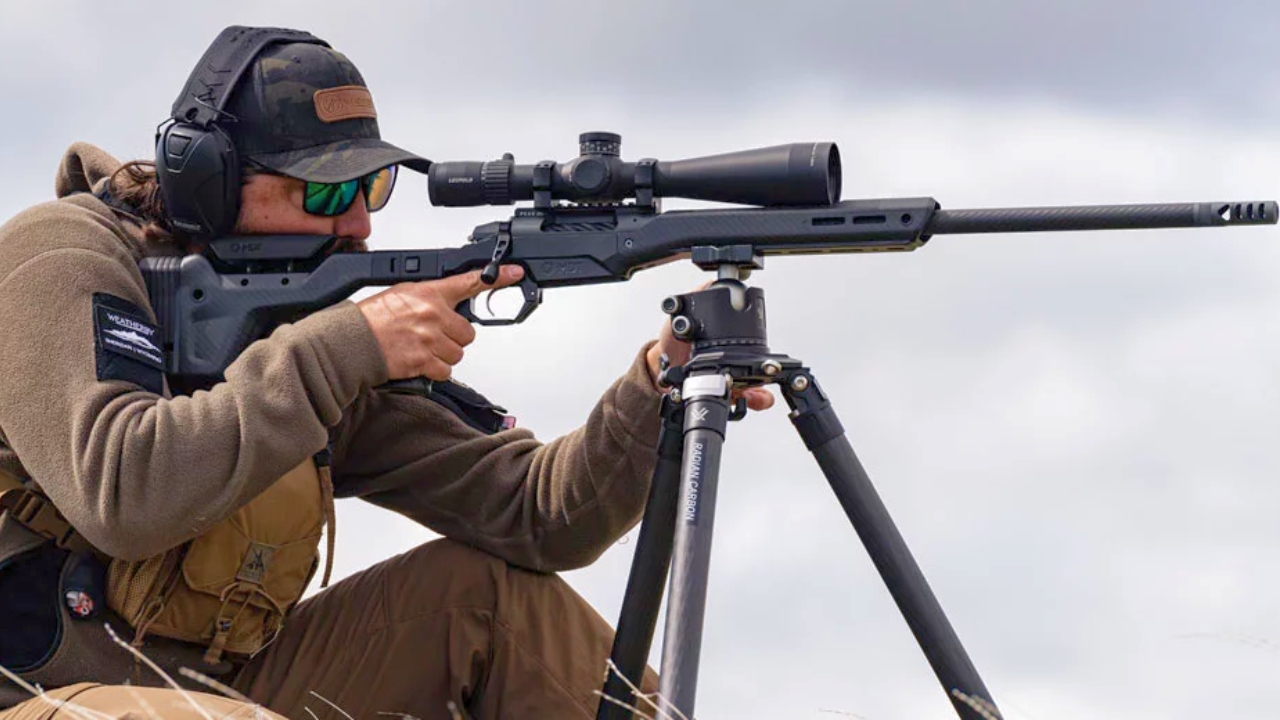
Photo credit: Weatherby, Inc.
Some hunting rifles keep getting more expensive without giving you much in return besides a shinier story. The stock looks fancier, the branding gets louder, and the price tag starts acting like the rifle belongs in a different class. Then you carry it in bad weather, shoot it off a pack, drag it through brush, and realize none of that extra money made it steadier, handier, or more trustworthy when it mattered. That is where the illusion starts falling apart.
A good hunting rifle does not need to impress you with its image. It needs to carry well, shoot honestly, feed reliably, and hold up to real field use. Some rifles lose sight of that as prices climb. They start leaning harder on reputation, styling, or brand prestige than actual hunting value. These are the rifles that too often ask for premium money while giving you a thinner case the longer you own them.
Christensen Arms Mesa
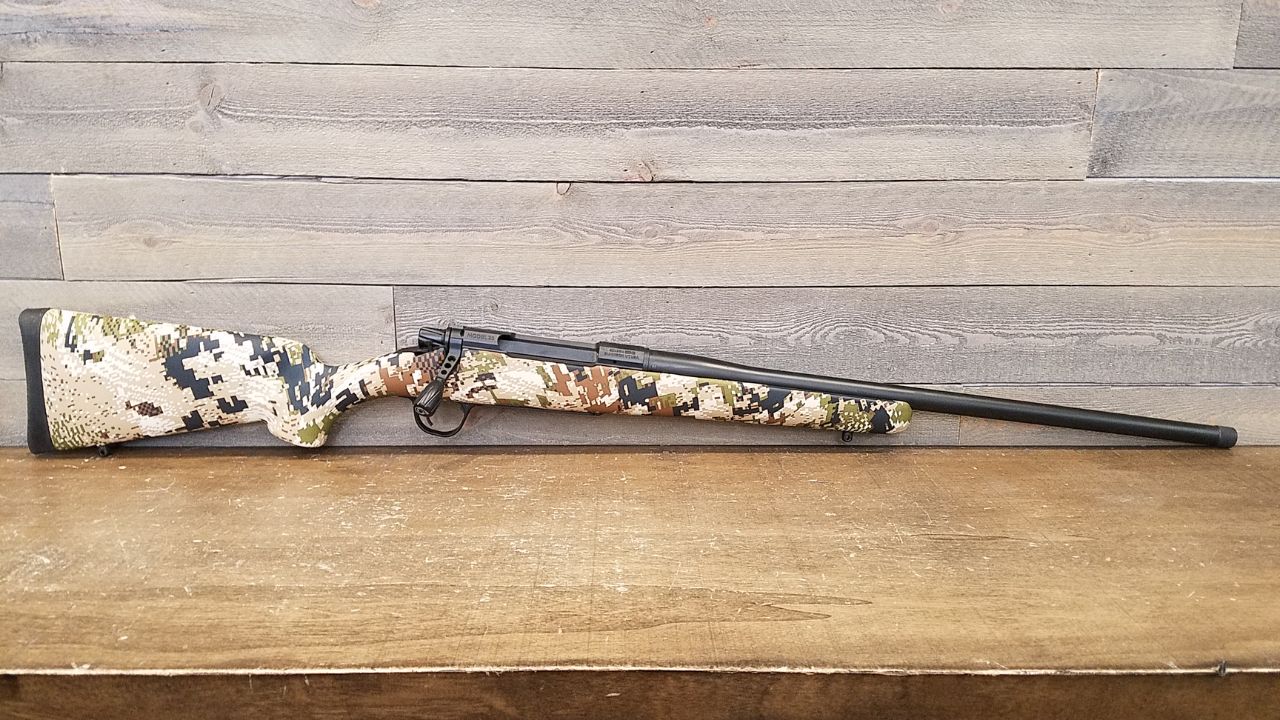
The Mesa gets a lot of attention because it looks like the modern answer. It has the clean lines, the lightweight pitch, and the kind of branding that makes buyers feel like they are stepping into a more serious tier of mountain-rifle ownership. At the counter, it is easy to convince yourself the higher price must reflect some meaningful jump in real-world hunting performance.
Then you spend real time with one and start asking harder questions. Is it actually giving you more practical confidence than a less expensive rifle that feeds well and shoots consistently? For plenty of owners, the answer gets murkier over time. The Mesa can look like a premium field rifle, but it also lives in that uncomfortable space where the price starts climbing faster than the trust it earns.
Fierce Rogue

The Fierce Rogue gets sold on sleek looks, lightweight appeal, and the promise that you are buying something more refined than the usual production rifle. That sounds great until you start comparing it against rifles that cost less and still manage to do the simple hunting stuff just as well. The sales pitch tends to feel more premium than the actual advantage many hunters end up seeing in the field.
That is the trap with rifles like this. The price makes you expect obvious payoff, but hunting rifles do not get judged by how impressive they seem in the box. They get judged by how they behave cold, dirty, tired, and under real pressure. Once that standard shows up, some buyers start wondering whether they paid for function or just for the feeling of owning something expensive.
Weatherby Mark V Backcountry 2.0

The Backcountry 2.0 looks exactly like the kind of rifle a buyer talks himself into when he wants to believe premium price and premium performance are automatically tied together. It is marketed around weight savings, high-end materials, and a level of mountain credibility that sounds hard to argue with. On paper, it checks a lot of emotional boxes fast.
But super-light hunting rifles always come with tradeoffs, and not every buyer is honest about that on the front end. Recoil gets sharper, shootability can get less forgiving, and the whole package starts asking more from the hunter than the glossy story suggests. It is not that the rifle lacks purpose. It is that the price climbs into serious territory while the practical gain can start feeling smaller than expected.
Springfield Armory Model 2020 Waypoint

The Model 2020 Waypoint entered the market with all the right signals for buyers chasing a high-end hunting rifle with modern styling and upscale branding. It looks expensive because it is expensive, and that alone does a lot of the selling. For some buyers, the appeal is less about what it proves in rough country and more about what it says in the gun room.
Then you compare it against rifles that have spent decades earning hunting trust the slow way. That is where the Waypoint can start feeling like a rifle still asking to be believed in at a price point where belief should already be built in. It is polished, no question, but polished gets less important once you are wet, cold, and trying to make a simple rifle do simple things without excuses.
Nosler Model 21

The Model 21 gets bought by people who want a premium hunting rifle with custom-shop flavor and enough prestige to feel like they moved beyond the ordinary rack gun. That is a strong emotional lane, and Nosler knows it. The trouble is that hunting rifles do not stay impressive just because they arrived expensive. They have to justify that price every season after.
That is where the Model 21 can lose some of its shine. Plenty of hunters start realizing that practical value flattens out fast once you get into these upper price brackets. A rifle can be nicely made and still fail to feel meaningfully better in the field than something far less expensive. That gap between asking price and field proof is where disappointment starts sneaking in.
Bergara Premier Highlander

The Premier Highlander has the kind of upscale look that makes buyers think they are getting a big step up from ordinary production rifles. It is clean, modern, and marketed with enough polish to make the premium seem self-explanatory. A lot of hunters see one and assume that more money must mean fewer compromises and more real-world confidence in the mountains or deer woods.
But money alone does not make a rifle hunt better. Once you strip away the finish and branding, what matters is still boring stuff like consistency, handling, reliability, and whether the rifle truly feels worth dragging through hard country. That is where some of these expensive “next step” rifles start looking a little too proud of themselves. The Highlander may be capable, but the price pushes expectations into territory the field does not always support.
Seekins Precision Havak Element

The Havak Element plays directly into the ultralight premium-rifle market, which is one of the easiest places for prices to run ahead of practical value. Buyers see the weight, the sleek finish, and the precision-minded branding and tell themselves they are buying a serious backcountry machine. That can be true, but it can also blur how much they are paying for the idea of elite performance.
The more real-world hunting you do, the more you notice that featherweight rifles are not magic. They can be harder to shoot well, less forgiving under recoil, and more sensitive to the shooter than buyers want to admit during the shopping phase. That makes the Element one of those rifles where the price can keep climbing while the useful advantage stays narrower than the brochure makes it sound.
Proof Research Elevation MTR

The Elevation MTR is one of those rifles that enters the room wearing expensive credibility before it ever fires a shot. Carbon fiber, mountain-rifle branding, and premium positioning all tell the buyer that this is not just another hunting rifle. It is supposed to represent a smarter class of ownership. That story gets a lot of traction because people want to believe high-end materials automatically mean high-end field value.
Then hunting reality shows up. A rifle still has to be easy to shoot well, dependable when conditions go bad, and worth the kind of worry that comes with hauling around something so expensive. That is where some buyers start pulling back. The Elevation MTR may look like a future classic, but the price can climb into a zone where owners start protecting the rifle more than proving it.
Browning X-Bolt Pro Carbon

The X-Bolt Pro Carbon takes a familiar and capable hunting platform and pushes it into a price tier where buyers start expecting something transformative. Carbon stock, lighter build, upscale finish, and premium branding all suggest that you are not just buying a rifle anymore. You are buying a more advanced hunting identity. That is a powerful sales recipe.
The problem is that the core experience still has to justify the jump. Once you get beyond nice materials and cleaner cosmetics, the rifle still has to answer the same practical questions every hunting arm faces. Does it carry right, shoot right, and feel worth the cost when compared to cheaper rifles that already handled the job? That is where the Pro Carbon can start feeling more expensive than essential.
Kimber Mountain Ascent

The Mountain Ascent has long sold the dream of a serious sheep-rifle or high-country setup without needing much help from the buyer’s imagination. The name alone tells you what it wants to be. It is light, sharp-looking, and aimed directly at hunters who want to feel like every ounce saved is proof of smarter rifle ownership. That pitch lands hard on a lot of people.
But extremely light rifles always risk becoming more impressive in theory than in use. Once recoil, shootability, and real-world consistency enter the picture, the appeal can start narrowing fast. Some hunters love rifles like this because their use case is very specific. Others realize they paid mountain-rifle money for something that feels less enjoyable and less forgiving than a more grounded rifle would have been.
Savage 110 Ultralite

The 110 Ultralite gets attention because it promises to pull a familiar working rifle into premium ultralight territory. On paper, that sounds like a smart evolution. In practice, it also moves the price into a space where people start expecting the rifle to feel more special than it sometimes does. That is a dangerous line for any hunting rifle to walk.
The more expensive a rifle gets, the less patience buyers have for anything that feels ordinary. That is where the Ultralite can struggle with perception. Hunters know what the 110 name usually stands for: usefulness, not prestige. Once the cost climbs, the whole proposition changes. Buyers stop asking whether it is decent and start asking whether it is truly worth it. That is a much harder standard to clear.
Christensen Arms Ridgeline FFT

The Ridgeline FFT leans hard into the idea that lighter, newer, and more expensive must equal better. It has the kind of mountain-ready image that can make regular hunters feel like they are under-equipped if they are still carrying a more traditional rifle. That is a smart marketing angle, but it also creates a big burden. A rifle sold that aggressively on modern edge has to feel obviously superior in real use.
That is not always how it plays out. Hunters eventually figure out that some of what they paid for lives more in the concept than in the payoff. A lightweight premium rifle can sound like the perfect upgrade until you realize how much more forgiving, affordable, and field-friendly an ordinary rifle can feel once the shooting starts. That gap is where the Ridgeline FFT can begin to feel over-promised.
Gunwerks ClymR
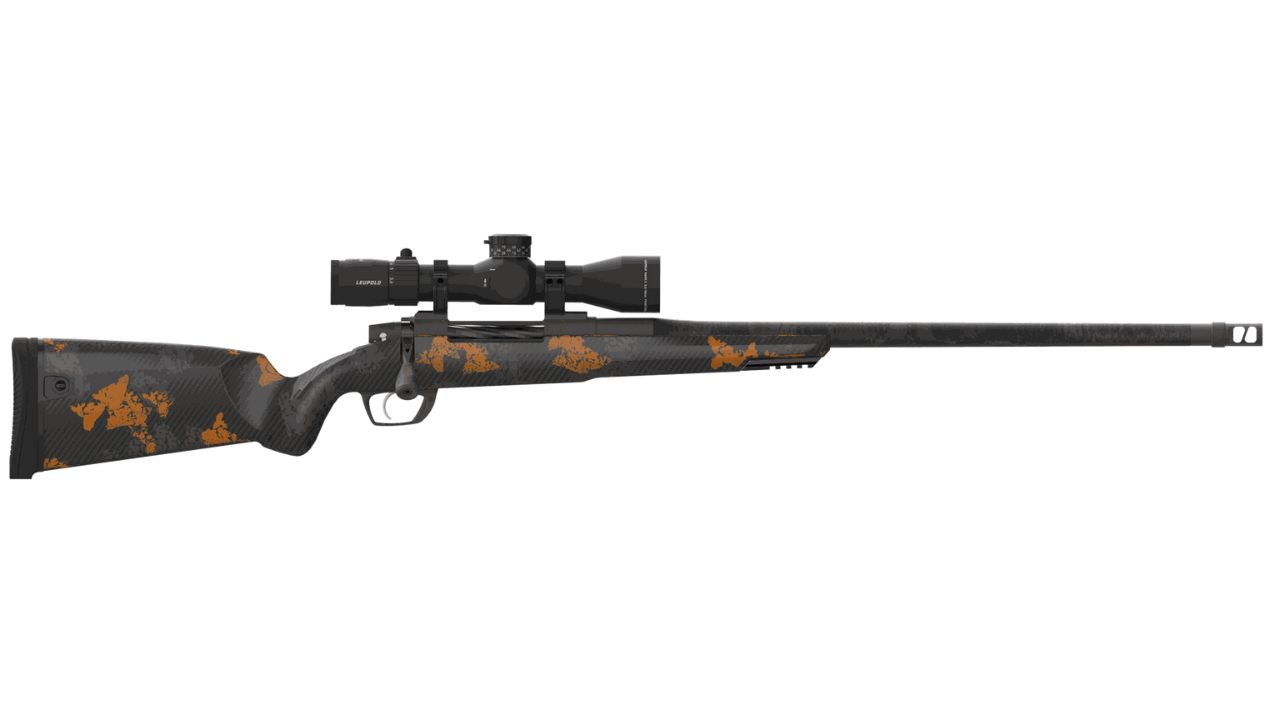
The ClymR exists in a price bracket where buyers are no longer just purchasing a hunting rifle. They are buying into a whole worldview about serious mountain hunting, elite gear, and the belief that money can narrow the margin between effort and success. That is seductive stuff. The rifle looks like high achievement before it ever proves anything in the field.
But once you strip away the premium aura, the question gets pretty simple. Is this rifle actually giving the average serious hunter something proportionate to what it costs? For many people, the honest answer is no. It may be a beautifully executed rifle, but the price lives so far above normal hunting reality that the proof burden becomes enormous. Few rifles clear that burden as cleanly as their owners hope.
Christensen Arms MPR

The MPR tries to bridge hunting and precision-rifle appeal, which sounds smart until you are the one carrying it and trying to decide what role it really fills best. It draws buyers who want one rifle to do a little of everything while also looking modern and expensive enough to feel like an upgrade from a traditional hunting gun. That kind of crossover pitch can be very persuasive.
The problem is that hybrid rifles often end up being more impressive in theory than in the field. They can feel heavier, more complicated, or less naturally suited to actual hunting than buyers expected. Add a premium price and the whole thing starts feeling even shakier. A hunting rifle does not gain value just because it picked up range-rifle styling. Sometimes it just gets costlier while becoming less clear about what it is supposed to be.
Weatherby 307 Alpine MDT

The 307 Alpine MDT comes with all the right visual signals for buyers who want a hunting rifle that looks advanced, serious, and just expensive enough to feel above the ordinary. Chassis influence, premium presentation, and tactical-leaning styling can all make a rifle seem more capable before it has earned that reputation in the field. That is where the trouble starts.
Hunting rifles do not need to look cutting-edge nearly as much as they need to carry well and stay simple when you are tired, cold, and moving. Once you remember that, some of these high-dollar crossover rifles begin to look like they are trying too hard. The Alpine MDT may appeal to buyers chasing image and versatility, but that does not always translate into a rifle that proves more where hunting value actually gets measured.
Fierce Carbon Rival XP
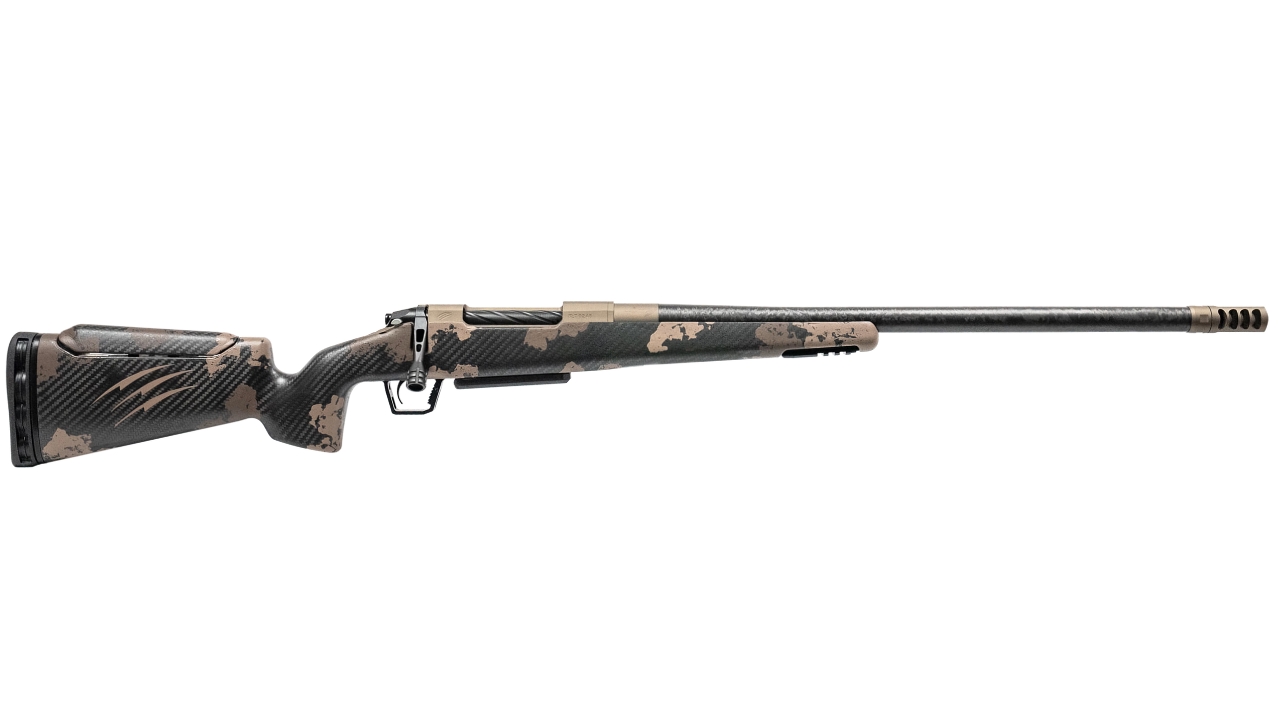
The Carbon Rival XP is built to trigger exactly the kind of premium reflex that gets buyers reaching for their wallet. Carbon parts, long-range language, mountain-rifle cues, and a polished overall presentation all say the same thing: this is a rifle for people who have moved beyond basic hunting gear. That message is powerful because it flatters the buyer before the rifle ever gets tested.
Then real seasons pile up, and the flattering part matters less. Hunters start judging the rifle on the same old standards that have always mattered most. Does it inspire confidence? Does it feel worth the worry, the cost, and the premium expectations? That is where rifles like this can begin to lose ground. The price suggests obvious superiority. The field does not always agree.
Like The Avid Outdoorsman’s content? Subscribe to our newsletter so you never miss an article.
Here’s more from us:


